Key Takeaways
-
Treatment type, timeline, and cost all depend on an in-person exam of your teeth and bite, so schedule an evaluation before choosing an option.
-
Braces come in several styles today: traditional metal, tooth-colored ceramic, digital custom, and removable clear aligners, each suited to different goals and lifestyles.
-
Clear aligners only work when worn consistently, typically most of the day, so they may not suit every case or every patient.
-
The AAO recommends a first orthodontic check by age 7, though that visit is an evaluation and doesn't mean braces are needed right away.
-
The AAO's 2025 survey reported a median treatment time of about 22 months, but individual timelines vary and no provider should promise a specific result before examining you.
-
Ask for a total fee that includes follow-up visits, retainers, and emergency care, and confirm insurance benefits and payment plans before committing.
Thinking about braces in Lakewood Ranch FL? You’re in good company. Every year, families, teens, and busy adults across our community decide it’s time for a straighter, healthier smile. And honestly, that first step can feel a little overwhelming. Metal or clear? Braces or aligners? How long will it take? What will it cost?
Take a deep breath. We’ve put together eight friendly, practical things to know before you book that first visit. Whether you’re a parent juggling soccer practice and school pickup, a young professional who wants something discreet, or an adult whose smile has shifted since your teen years, this guide is for you.
One quick note up front: every smile is different. The best option, the timeline, and the total cost all depend on an in-person exam of your teeth and bite. Think of this article as your roadmap, and your orthodontist as your guide. Ready? Let’s dive in.
1. There Are More Types of Braces Than You Might Think
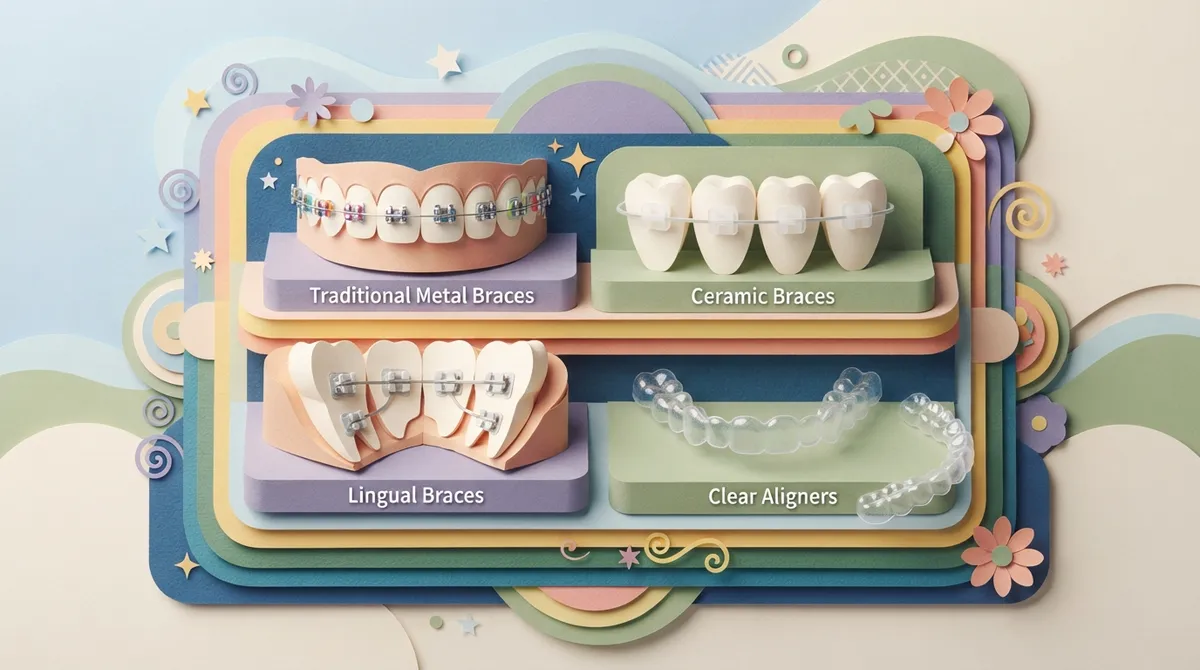
When most people picture braces, they think of a mouthful of shiny metal. That’s still a popular and effective choice, but it’s far from your only option today. Local orthodontic practices in Lakewood Ranch typically offer traditional metal braces, tooth-colored ceramic braces, and clear aligners.
All braces work the same basic way. Brackets and wires apply gentle, controlled pressure that moves teeth into better positions over time. The difference is in the look, the feel, and the way each system is designed.
Want a deeper look at your choices? Our guide to types of braces breaks down each style so you can compare them side by side.
Quick Comparison of Common Options
| Option | How It Looks | Removable? | Best For |
|---|---|---|---|
| Traditional metal braces | Visible metal brackets and wires | No (fixed) | A wide range of alignment and bite concerns |
| Ceramic braces | Tooth-colored brackets, less noticeable | No (fixed) | Patients who want a more subtle fixed option |
| Digital custom braces | Clear or white brackets, custom fit | No (fixed) | Patients who value precision and comfort |
| Clear aligners | Nearly invisible trays | Yes | Mild to moderate cases and consistent wearers |
Remember, this table is a starting point. Your orthodontist will recommend what truly fits your teeth and goals.
2. Metal Braces Are Still a Top Choice (And for Good Reason)
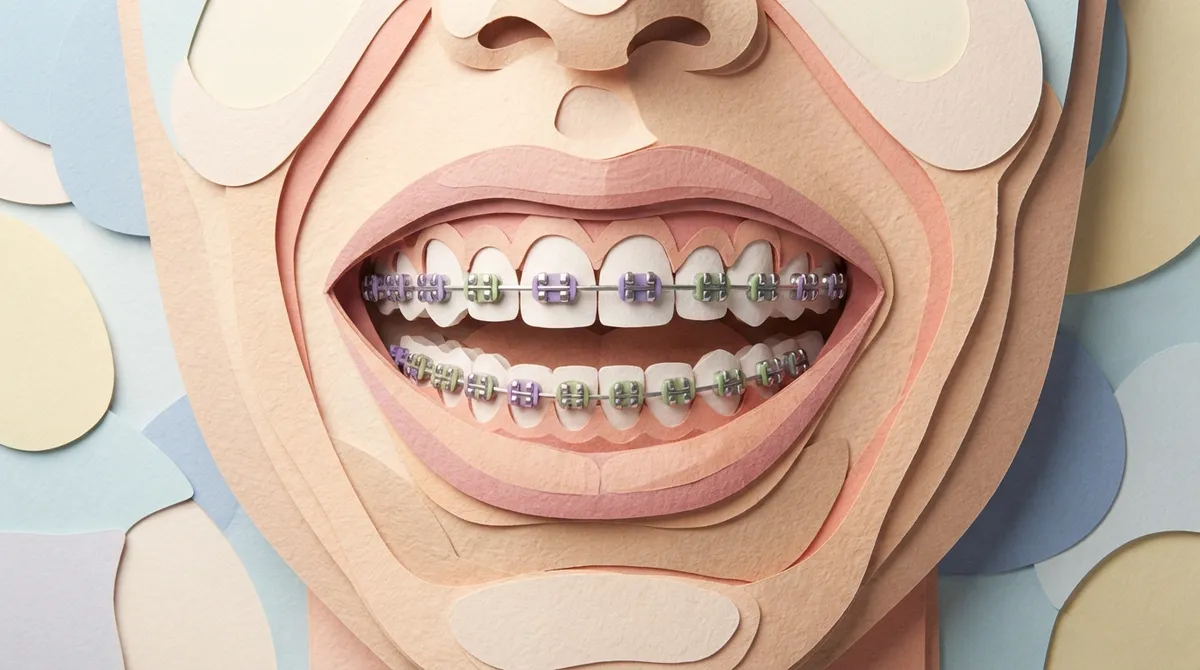
Don’t count metal braces out. They’re strong, dependable, and commonly used for a broad range of alignment and bite problems, from crowding and gaps to more complex bite issues. Today’s metal brackets are also smaller and more comfortable than the ones your parents may remember.
For kids and teens especially, there’s a fun bonus. Some practices offer playful bracket shapes and colorful elastics that let young patients show off their personality. At Segovia Orthodontics, WildSmiles braces come in shapes like stars, hearts, and flowers, and kids can even choose Disney-inspired elastics. When kids enjoy their braces, they tend to stay motivated with brushing, flossing, and food rules.
Curious about why this classic style continues to shine? Check out 7 reasons traditional metal braces are still a top choice.
3. Clear and Ceramic Options Can Blend In
If you’re a working professional or someone heading toward a big life event, like a wedding or graduation, you might want something less noticeable. Ceramic braces use tooth-colored brackets that blend in better with your smile. They’re still fixed braces, so you don’t take them out, but they draw less attention.
Clear aligners take discretion one step further. These are removable, nearly invisible trays that gradually shift your teeth. They can be a great fit for some patients, but they aren’t right for every case, and they only work when you wear them consistently, typically most of the day.
Not sure which way to lean? Our post on braces vs. clear aligners walks through the pros and cons in plain language.
Advanced Options Worth Asking About
Technology has changed the braces experience. Here are two modern options you may hear about at a consultation:
- Digital custom braces: LightForce orthodontics uses 3D-printed brackets designed to fit each tooth. The goal is a more precise, comfortable fit, and your orthodontist can adjust the plan digitally.
- Angel Aligners: These clear aligners use a custom series of removable trays and a digital treatment plan, with a frosted finish designed to look less shiny.
Availability and suitability vary by patient, so always ask what’s appropriate for you.
4. Kids, Teens, and Adults Can All Get Braces
Here’s some good news: there’s no “too late” when it comes to a healthier smile. Orthodontic care is for every age. According to the American Association of Orthodontists, roughly one in three orthodontic patients is an adult. So if you’ve been putting off treatment, you are far from alone.
For children, the AAO recommends a first orthodontic check by age 7. That’s an evaluation milestone, not a signal that every child needs braces right away. Many kids simply get monitored, while others benefit from early orthodontic treatment to guide jaw growth and make room for incoming teeth.
Teens often have all their permanent teeth and are great candidates for full treatment. Learn more about teen orthodontic treatment designed around busy school and sports schedules.
Adults, you have plenty of choices too. Many adults select discreet options that fit a professional lifestyle. If you had braces long ago and your teeth have drifted, you’re not out of luck. Relapse is common, and it can often be corrected. See how adult orthodontics can work for you.
Signs It May Be Time for an Evaluation
- Crowded, crooked, or overlapping teeth
- Gaps or spacing between teeth
- Overbite, underbite, or crossbite
- Difficulty chewing or biting
- Teeth that have shifted after past treatment
If any of these sound familiar, a quick visit can give you real answers.
5. Treatment Time Depends on Your Unique Smile
One of the first questions everyone asks is, “How long will I need braces?” The honest answer is that it varies. Case complexity, the type of appliance, and how well a patient follows instructions all play a role.
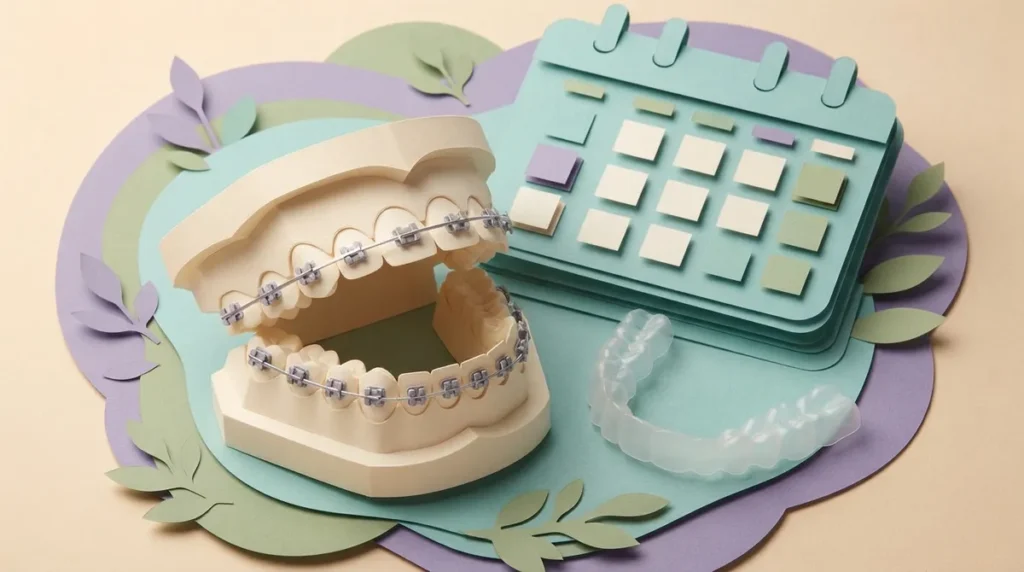
For a general reference point, the AAO’s 2025 economics survey reported a median orthodontic treatment duration of about 22 months, based on member-practice data. That’s a median, so some people finish sooner and others take longer. The same survey found patients typically visit about every six weeks during active braces treatment, though your schedule depends on your plan.
Be a little cautious with promises of dramatically faster results. Some systems aim for more efficient treatment, but no provider can guarantee a specific timeline before examining you. A good orthodontist will give you an individualized estimate and explain what could speed things up or slow things down.
Here are a few habits that help treatment stay on track:
- Brush and floss carefully every day.
- Avoid sticky, hard, and chewy foods that can break brackets.
- Wear rubber bands or aligners exactly as directed.
- Keep every scheduled appointment.
- Call the office promptly if something feels off.
Want to know what to expect from the beginning? Here’s how a first orthodontic visit usually goes.
6. Understanding Costs and Payment Options Takes the Stress Out
Let’s talk money, because it matters. The cost of braces in Lakewood Ranch depends on the type of treatment, how complex your case is, and how long you’ll be in treatment. Because every plan is individualized, the smartest move is to compare total fees rather than rely on a single advertised price.
A few things to look into before you commit:
- Whether the quoted fee covers the full treatment or just the start
- If retainers and follow-up visits are included
- What happens if you have an emergency, like a broken bracket
- Whether your dental insurance offers any orthodontic benefits
- What monthly payment plans or financing options are available
Insurance rules vary a lot, so confirm your benefits and payment terms directly with the office. The good news is that many practices offer flexible plans to make care more manageable. Explore orthodontic financing to see how payment plans can fit your budget.
If you want to stretch your dollars wisely, our tips in 9 smart ways to make orthodontic financing work for you are a great place to start.
7. Choosing the Right Orthodontist Makes All the Difference
Your orthodontist will be a big part of your life for a year or two, so it pays to choose well. Look for a practice where you feel heard, comfortable, and respected. Credentials matter too. Board certification through the American Board of Orthodontics shows an orthodontist has gone through a rigorous evaluation process.
At Segovia Orthodontics, Dr. Flor Segovia is a board-certified orthodontist who uses advanced orthodontic technology and provides bilingual care in English and Spanish. The practice focuses on a warm, family-friendly atmosphere where patients of all ages feel at home.
Smart Questions to Ask Any Provider
Bring this checklist to your consultation:
- Who will supervise my treatment from start to finish?
- Which appliances do you recommend for my case, and why?
- What is the estimated treatment time and total cost?
- What do follow-up visits involve?
- Are retainers and emergency care included?
- Do you offer flexible appointment times for school or work?
Reading more before you choose can help too. Try how to find the right orthodontist in Lakewood Ranch, and see what other patients say on Google. You can visit our Segovia Orthodontics location on Google to read reviews from local families.
You can also follow our day-to-day smile stories on our Facebook page and our Instagram page.
8. Life After Braces: Retainers Protect Your Results
Here’s something many people forget: finishing braces isn’t the finish line. Teeth naturally want to drift back toward their old positions, which is why retainers are such a big deal. Wearing them as directed keeps your hard work in place.
This is especially important for adult relapse patients who have been through treatment before. A good retainer routine can help you avoid starting over. Your orthodontist will tell you whether a removable or fixed option suits you and how long to wear it.
Learn the basics in our guide to orthodontic retainers, and be sure to avoid these orthodontic retainer mistakes so your smile stays put.
It also helps to know what to do when the unexpected happens. A poking wire or loose bracket can feel stressful, but most issues are manageable. Here’s what to do during an orthodontic emergency so you can stay calm and get help quickly.
Putting It All Together
Choosing braces in Lakewood Ranch FL doesn’t have to feel complicated. Start with an exam, ask plenty of questions, compare real treatment plans, and pick a practice that makes you feel comfortable. Whether you’re a parent planning for your child, a professional wanting a discreet option, or someone ready to fix a smile that has shifted, there’s a path that fits.
The best next step is simple. Get a personalized evaluation so you know exactly what your smile needs. If you’re ready to talk, we’d love to hear from you. You can request an appointment online, contact us with your questions, or call us at 941-557-1333. Your best smile is closer than you think!
FAQs
Q: How much do braces cost in Lakewood Ranch, FL?
A: The cost depends on the type of braces, how complex your case is, and how long treatment takes, so there’s no one-size-fits-all price. The best way to know is to schedule an exam and ask for a total fee that includes follow-up visits and retainers. Many offices also offer flexible payment plans to help.
Q: What types of braces are available in Lakewood Ranch?
A: Most local practices offer traditional metal braces, tooth-colored ceramic braces, and clear aligners. Some also offer digital custom braces and playful bracket shapes for kids. Your orthodontist will help you pick what suits your teeth and lifestyle.
Q: How long does orthodontic treatment usually take?
A: Treatment time varies with the complexity of your case and how closely you follow instructions. The AAO’s 2025 survey reported a median of about 22 months, but your own timeline could be shorter or longer. Your orthodontist will give you an individualized estimate after an exam.
Q: What age should a child first see an orthodontist?
A: The American Association of Orthodontists recommends a first check by age 7. This visit is simply an evaluation, and it doesn’t mean your child will start braces right then. It helps catch growth or bite concerns early while you decide on the best timing.
Q: Can adults get braces in Lakewood Ranch?
A: Absolutely! About one in three orthodontic patients is an adult, and there are discreet options like ceramic braces and clear aligners. It’s never too late to improve your smile, even if you’ve had braces before and your teeth have shifted.
Our Service Area