Key Takeaways
-
Start with a licensed orthodontist, a dentist with extra specialty training in tooth and jaw alignment, rather than a general dentist for overbite planning and correction.
-
Verify credentials directly on the practice's website or by phone, and confirm board certification through the American Board of Orthodontics.
-
Learn the difference between overbite (vertical deep bite), overjet (forward protrusion), and combination, since the correct treatment plan depends on which one you have.
-
Compare treatment options such as traditional braces for deeper or complex overbites, digital custom braces, and clear aligners for mild to moderate cases.
-
Bring key questions to your consultation, including who supervises treatment, how long it will take, total cost, payment options, and the retainer plan afterward.
-
Overbite treatment works at any age, and early evaluation around age 7 can catch growth patterns, while adults can also correct overbites with braces or aligners.
Noticing that your upper front teeth stick out over your lower teeth can leave you with a big question: who should I see for overbite braces near Bradenton? You are not alone. Overbites are one of the most common bite concerns, and the good news is that they are very treatable. Maybe you are a parent watching your child’s smile change. Maybe you are an adult who wore braces years ago and see your bite shifting. Or maybe you are planning for a wedding, graduation, or big career move and want a smile you feel proud of.
The short answer? Start with an orthodontist. This is a dentist with extra years of specialty training in tooth and jaw alignment. In this guide, we will walk you through the steps to find the right provider, what to ask, and what to expect along the way. Think of it as a friendly roadmap, so you can feel calm and confident before you book that first visit.
Why an Orthodontist Is Your Best First Stop
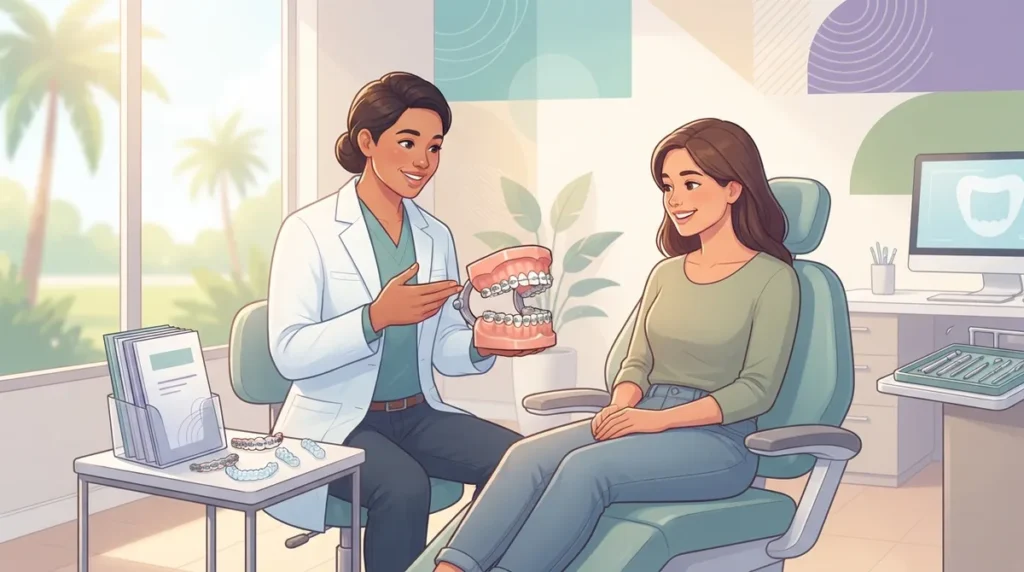
When you search for overbite braces, you will see many kinds of offices. Here is the simple truth: an orthodontist is the specialist trained to diagnose and fix bite problems. A general dentist is wonderful for checkups, cleanings, and fillings, and can spot a bite concern and refer you. But the actual planning and correcting of an overbite is the orthodontist’s specialty.
If you want to dig deeper into how the two roles differ, this guide on general dentist vs. orthodontist breaks it down in plain language. The American Association of Orthodontists also advises seeing an orthodontist for bite concerns, because a proper exam can tell whether the issue comes from the teeth, the jaw, or both.
Looking for a specialist with deep training? You can also learn why a board certified orthodontist may be worth prioritizing, and you can confirm credentials through the American Board of Orthodontics.
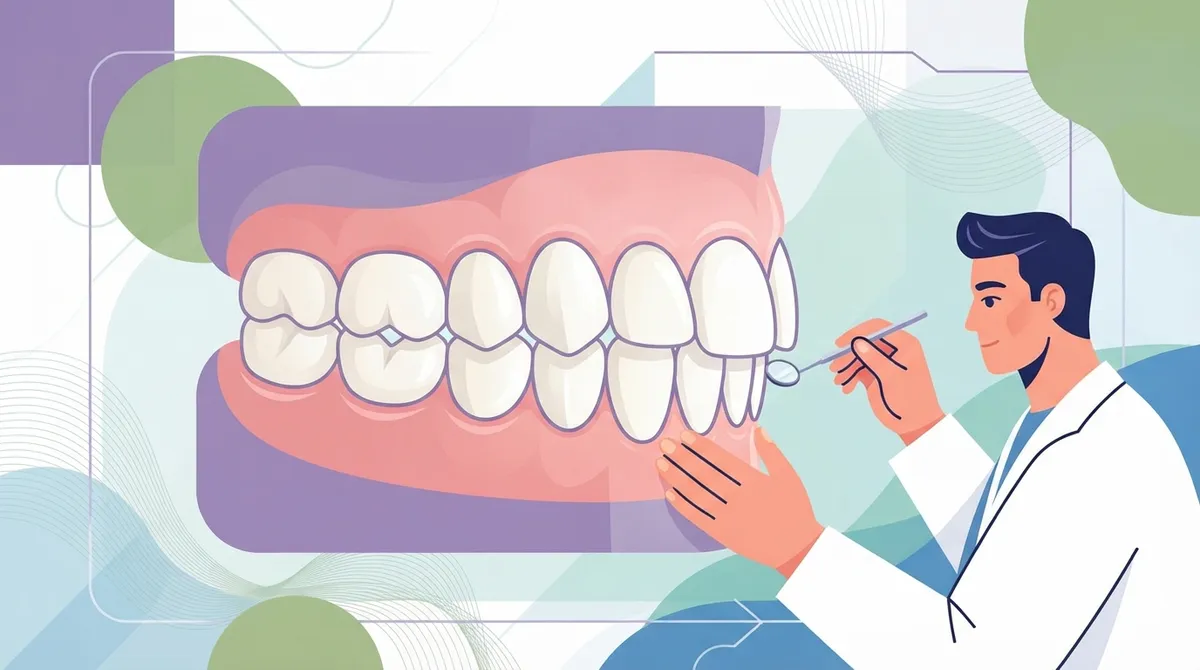
Overbite vs. Overjet vs. Deep Bite: What Do You Actually Have?
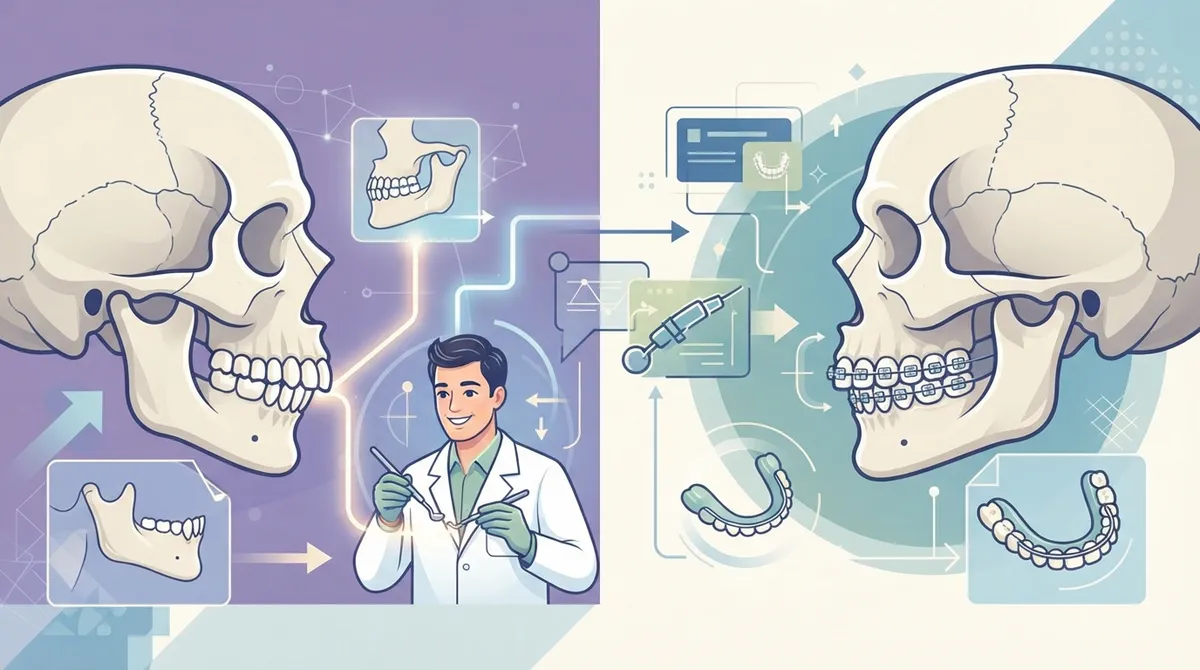
Before your visit, it helps to know the lingo. People often say “overbite” for anything where the top teeth stick out, but orthodontists use more exact terms. An exam will sort out which one fits you.
| Term | What It Means | What You Might Notice |
|---|---|---|
| Overbite (deep bite) | The upper front teeth cover too much of the lower front teeth vertically | Lower teeth hidden behind the upper teeth; teeth may hit gums |
| Overjet | Upper front teeth stick out forward horizontally past the lower teeth | Teeth that look “protruding” or a gap between top and bottom teeth |
| Combination | Both vertical overlap and forward projection | Deep overlap plus teeth that stick out |
Why does this matter? Because the plan for a deep vertical overbite can be different from the plan for a horizontal overjet. Your orthodontist will study your teeth, jaw growth, and facial profile to decide the best path. To learn more about related concerns, take a peek at common orthodontic problems.
How to Find the Right Overbite Specialist Near Bradenton: Step by Step
Ready to start your search? Follow these five simple steps. They work whether you are looking for yourself, your child, or your teen.
- Search for orthodontists, not just “dentists.” Look for practices that clearly list braces and clear aligners. Bradenton, Lakewood Ranch, Sarasota, and Parrish all have orthodontic offices, so you have local choices.
- Check credentials. Confirm the provider is a licensed orthodontist. Directory listings can be outdated, so always double-check details on the practice’s own website or by calling.
- Read reviews and look at results. Real patient stories and before-and-after photos show you how a team treats people like you.
- Compare treatment options offered. A great office offers more than one path, such as traditional braces, clear braces, and aligners, so your plan fits you instead of the other way around.
- Book a consultation. This is where you meet the doctor, ask questions, and get a plan made just for your bite.
If you want even more tips, our guide on how to find the best orthodontist in Bradenton goes step by step through the whole search.
What to Ask Before You Commit to Overbite Treatment
A good orthodontist loves questions. Walking in with a short list helps you feel in control and helps you compare offices fairly. Here are the questions worth asking:
- Who will diagnose my bite and supervise my treatment from start to finish?
- What records or imaging do you need, such as photos, digital scans, or X-rays?
- Is my overbite mostly in the teeth or related to jaw growth?
- Which options fit my case: braces, clear aligners, or another appliance?
- How long will treatment likely take, and how often are visits?
- What is the total cost, and what payment plans or insurance help are available?
- What kind of retainer will I need afterward, and for how long?
Need help coming up with more? This article on how to ask the right orthodontic questions at your visit has plenty of ideas to bring along.
Your Treatment Options for Overbite Correction
Here is where it gets exciting. Today there are several ways to correct an overbite, and the right one depends on your age, your bite, and your goals. Only an in-person exam can confirm what suits you, but here is a general overview.
Traditional Metal Braces
Braces are a time-tested workhorse for bite correction. They give an orthodontist strong control over tooth movement, which is helpful for deeper overbites. If you are curious about why they remain popular, read about traditional metal braces. Fun options such as WildSmiles braces can make treatment feel more exciting for kids and teens, with playful bracket shapes that also help show how well you are brushing.
Digital Custom Braces
If you want a modern take on braces, LightForce orthodontics uses 3D-printed, custom-fitted brackets designed for your exact teeth. These can reduce treatment time for many patients and offer clear or white bracket styles for a more discreet look. Busy professionals often love this efficiency.
Clear Aligners
For many mild to moderate overbite cases, clear aligners can be a comfortable, nearly invisible choice. They are removable, which makes eating and brushing simple. This is a popular pick for young adults and career-focused professionals who want a discreet option. Learn more about clear aligners. Not sure which way to lean? Compare the two in braces vs. clear aligners: which is right for you?
| Option | Best For | Visibility | Removable? |
|---|---|---|---|
| Traditional metal braces | Deeper or more complex overbites | Visible | No |
| Digital custom braces | Patients wanting precision and efficiency | Low (clear or white options) | No |
| Clear aligners | Mild to moderate cases; discreet-minded adults | Nearly invisible | Yes |
Remember, this table is a general guide. Your orthodontist decides what is truly best after a clinical exam.
What Does Research Say About Overbite Treatment?
It can help to know that overbites are very common, and that treatment can make a real difference. One peer-reviewed study looked at 58 children with deep bite, with an average starting age of 9.7 years. After two-phase treatment, the group saw an average overbite reduction of about 1.9 mm. In that study, 71% of treated children improved by at least 1.5 mm, compared with 28% of untreated children.
The study also cited estimates that about half of non-Hispanic White U.S. adolescents have an overbite greater than 4 mm. Keep in mind that these numbers come from a specific group and treatment method, so your own results will depend on your unique bite. The big takeaway is simple: you are far from alone, and early evaluation can open the door to more options.
Guidance for Different Ages and Life Stages
The “right” time and approach can look different for each person. Here is how it might play out for different readers.
For Parents of Children and Teens
If you are a busy mom or dad, you may be wondering when to take that first step. Many orthodontists suggest a first visit around age 7, since an early look can spot growth patterns that affect the bite. Learn about the benefits of early orthodontic treatment and how teen orthodontic treatment can fit around school, sports, and busy family calendars. Flexible appointment times make a huge difference, so ask about scheduling when you call.
For Adults and Relapse Patients
Yes, adults can absolutely correct an overbite with braces or aligners. If you wore braces as a teen and your teeth have drifted, you are in good company. Many adults come back to refine their smiles once they are ready and motivated. Explore adult orthodontics to see what is possible, and read 12 overbite correction facts for more helpful details.
For Big-Event Planners
Got a wedding, graduation, or career milestone on the calendar? Tell your orthodontist your date up front. They can help you pick an approach that fits your timeline, and they will be honest about what can realistically be done in the time you have.
What Happens at Your First Overbite Consultation
Nervous about the first visit? Let us take the mystery out of it. A typical consultation is relaxed and informative. You will usually meet the team, have a conversation about your concerns and goals, and get a careful look at your teeth and bite. Digital photos or scans may be taken so the doctor can study your bite in detail.
From there, the orthodontist explains whether your concern is a deep bite, an overjet, or a mix, and what that means for treatment. You will hear about timing, costs, and next steps. To feel fully prepared, read what happens during an orthodontic evaluation and what to expect at your first orthodontic visit.
Once treatment begins, visits are commonly scheduled every one to three months, depending on your plan. Always confirm the exact schedule with your own orthodontist.
Cost, Insurance, and Payment Plans
Let us talk about money, because it matters. The total cost depends on your treatment type, how complex your bite is, and how long care takes. Many families are happy to learn that flexible options exist. Dental insurance may help with part of orthodontic care, but coverage varies, so ask the office to help you check your benefits.
Many practices also offer payment plans to spread the cost into manageable monthly amounts. Browse orthodontic financing options, and see these smart ways to make orthodontic financing work for you to plan ahead with confidence.
Local Care Close to Bradenton
You do not have to look far to find specialized care. Segovia Orthodontics in Lakewood Ranch offers personalized orthodontic care for all ages, including traditional braces, clear braces, and Angel Aligners. Led by Dr. Flor Segovia, a board-certified orthodontist who provides bilingual care in English and Spanish, the practice focuses on a comfortable, family-friendly experience. Curious how others feel about their visit? You can visit us on Google — Segovia Orthodontics to see our location and reviews, or follow our Instagram page and our Facebook page to peek at real smiles.
As with any provider, we encourage you to compare a few offices and choose the one where you feel heard and comfortable. Trust your gut. The best orthodontist for you is one who explains things clearly and treats you like a person, not a number.
Simple Tips to Protect Your Results
Once your overbite is corrected, you will want to keep that great smile. A few easy habits go a long way:
- Wear your retainer exactly as directed. Learn more about orthodontic retainers.
- Keep up with brushing, flossing, and regular dental cleanings.
- Show up for your follow-up visits, even when everything feels great.
- Call the office early if a wire or bracket feels off. Here is what to do in an orthodontic emergency.
Take the First Step Toward Your Best Smile
So, who should you see for overbite braces near Bradenton? Start with a licensed orthodontist who offers clear options, listens to your goals, and builds a plan around your bite and your life. Whether you are a parent planning for your child, a professional wanting a discreet option, or an adult ready to fix a shifted smile, there is a path that fits you.
Ready to get answers? Request an appointment with our friendly team, or if you would rather talk it through, call us at 941-557-1333. You can also contact us online. We would love to help you smile with confidence.
FAQs
Q: Who is the right specialist to treat an overbite near Bradenton, Florida?
A: An orthodontist is the best specialist to start with. They have extra training in tooth and jaw alignment and can tell whether your overbite is a deep bite, an overjet, or both. Your regular dentist can also spot the issue and refer you.
Q: Can braces correct a deep overbite in adults?
A: Yes, adults can often improve an overbite with braces or clear aligners. The right option depends on your bite, tooth positions, and goals, so an in-person exam is the best way to know what will work for you.
Q: Can clear aligners fix an overbite, or are braces more effective?
A: Clear aligners can help many mild to moderate overbites, while braces may offer more control for deeper or more complex cases. Your orthodontist will recommend what fits your bite after a clinical exam.
Q: How do I know whether I have an overbite or an overjet?
A: An overbite is when your upper teeth cover too much of your lower teeth vertically, while an overjet is when your upper teeth stick out forward. Some people have both. An orthodontic exam can tell you exactly which one you have.
Q: What should I ask an orthodontist before starting overbite treatment?
A: Ask who will supervise your care, which treatment options fit your case, how long it will take, how often visits are, what the total cost is, and what retention you will need afterward. Good questions help you feel confident in your choice.
Our Service Area