Key Takeaways
-
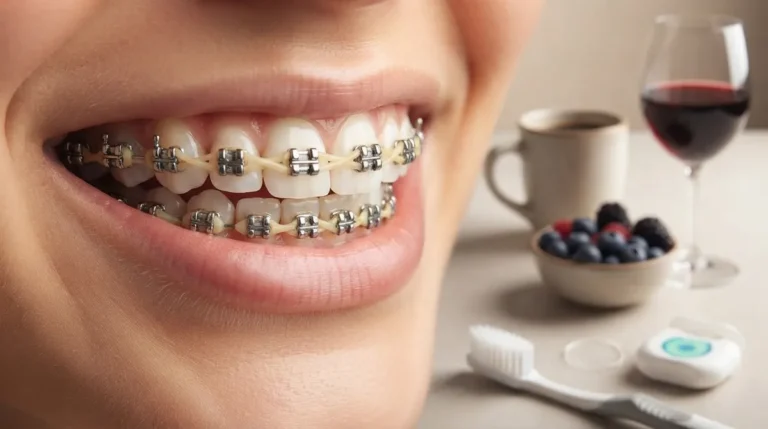
Ceramic braces are discreet but not invisible: the archwire and elastic ties remain visible, and bracket size can be bulkier than some metal options.
-
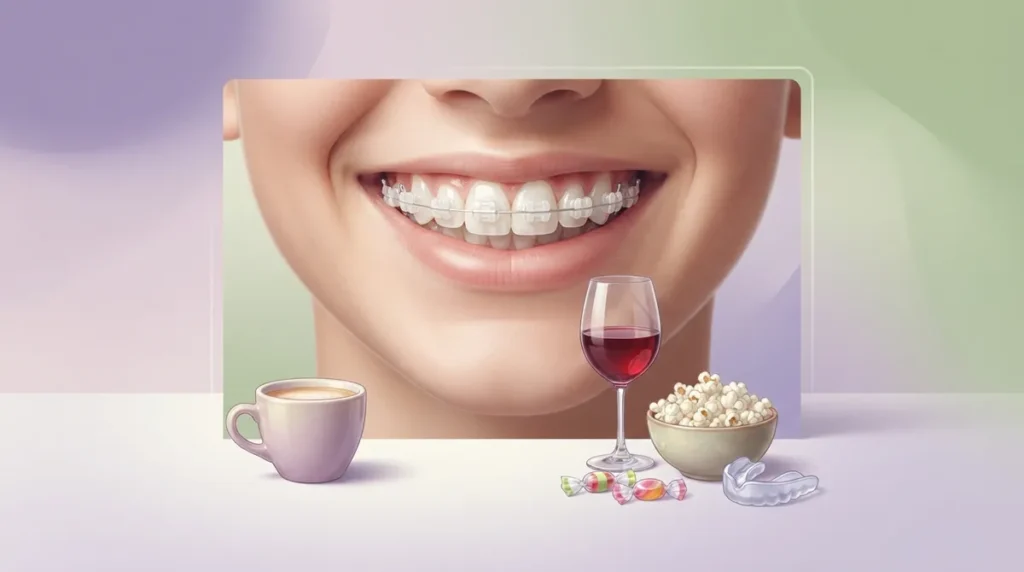
Clear or white elastic ties can stain from coffee, tea, red wine, curry, and tobacco, so ask how often ties are replaced and rinse or brush after staining foods and drinks.
-
Ceramic brackets are harder but more brittle than metal, so avoid hard candy, ice, and popcorn kernels, and wear a mouthguard during sports to prevent chips and fractures.
-
Ceramic braces often cost more than metal, typically $4,000 to $8,000 in one consumer guide, so ask whether records, X-rays, adjustments, retainers, and follow-up care are included in the quote.
-
Careful bracket removal matters: research notes possible enamel cracks during debonding, so choose an experienced provider who prioritizes removal technique.
-
Ceramic braces do not prevent cavities, so brush after meals and before bed, floss daily, and keep up with dental checkups to avoid white-spot lesions and gum inflammation.
Picture this: you finally decide to straighten your teeth, and you pick white ceramic braces because you want something a little more low-key than metal. Great choice for many people! But here is the catch. A lot of folks jump in with big expectations, then run into surprises along the way. Stained ties, chipped brackets, sky-high bills, and even a rough ride at removal day.
The good news? Most of these headaches are avoidable. At Segovia Orthodontics in Lakewood Ranch, we love helping families, teens, and adults feel confident about their treatment choices. Whether you are a parent comparing options for your child, a busy professional who wants a discreet look, or an adult who wore braces years ago and now wants a fix, this guide is for you.
Below, we walk through nine common white ceramic braces mistakes and how to dodge every one. Think of it as a friendly heads-up from people who want your smile journey to go smoothly. Let us dive in!
What Are White Ceramic Braces, Anyway?
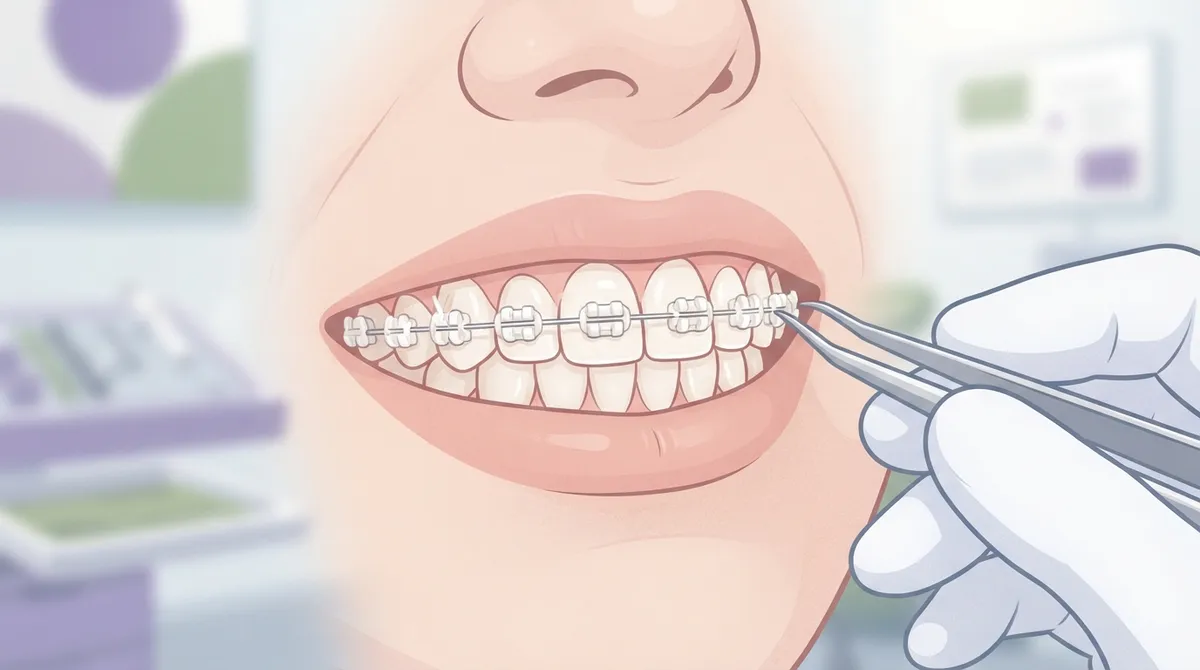
White ceramic braces are fixed braces that use tooth-colored or translucent ceramic brackets. These brackets are bonded to your teeth and connected by an archwire. They move teeth using the same basic mechanics as metal braces. The big difference is how they look.
Because the brackets blend in with your enamel, they are less noticeable than stainless steel. They are not invisible, though. The wire and the tiny elastic ties can still show. If you want to explore all your choices, our guide to types of braces is a great place to start.

Mistake 1: Thinking White Ceramic Braces Are Invisible
This is the number one surprise. Ceramic brackets are more discreet, but they are still braces. Shade and translucency vary, so how well they blend depends on your tooth color and the bracket you get.
Here is what may still be visible:
- The archwire running across your teeth
- The small elastic ties holding the wire in place
- The size of the bracket itself, which can be slightly bulkier than some metal options
If you want the most discreet route possible, ask about clear aligners too. An honest comparison up front saves you from disappointment later.
Mistake 2: Ignoring Stained Elastic Ties
Here is a fun fact that is not so fun in real life. The ceramic bracket material itself is typically color-stable. But the clear or white elastic ties can discolor between visits. Coffee, tea, red wine, curry, and tobacco can all leave their mark.
The fix is simple:
- Ask your orthodontist which components are used on your braces.
- Find out how often the elastic ties are replaced at your visits.
- Rinse or brush after dark-colored drinks and foods.
- Limit staining culprits when you can.
A little planning keeps your smile looking fresh from one appointment to the next. Not sure what to skip? Check out these foods to avoid with braces.
Mistake 3: Forgetting That Ceramic Is Brittle
Ceramic brackets are hard, but they are also more brittle than metal. That means they may chip or fracture, especially if you bite into something tough or crunchy. Their friction characteristics can also differ from metal brackets, so your orthodontist chooses the appliance and mechanics based on your bite and treatment plan.
To protect your brackets:
- Skip hard candy, ice, and popcorn kernels
- Cut apples, carrots, and crusty bread into small pieces
- Wear a mouthguard for sports
- Never use your teeth to open packages or chew pens
If a bracket does break, do not panic. Our guide on orthodontic emergencies walks you through what to do next.
Mistake 4: Skipping the Cost Conversation
Ceramic braces may cost more than conventional metal braces. Real fees depend on your location, how complex your case is, how long treatment lasts, and the practice itself. One 2026 consumer cost guide lists ceramic braces at roughly $4,000 to $8,000, with typical treatment lasting 12 to 36 months. That is a broad estimate from a secondary source, not a promise for your individual case.
When you ask for a quote, make sure you know what is included:
| Question to Ask | Why It Matters |
|---|---|
| Are records and X-rays included? | Avoids surprise add-on fees |
| Are adjustment visits covered? | Visits add up over many months |
| Are retainers part of the price? | Retainers protect your results |
| Is follow-up care included? | Helps you plan the full budget |
Many families also use orthodontic financing to spread out payments in a way that fits their monthly budget.
Mistake 5: Assuming They Fit Every Case
Ceramic braces are not automatically right for everyone. An orthodontist needs to look at your bite, the condition of your teeth, your oral hygiene habits, and your goals. Then you can compare ceramic braces with metal braces, clear aligners, or other options.
Some people do great with ceramic. Others may be better served by a different approach. If you are curious about metal, here is why traditional metal braces are still a top choice for many patients.
A Quick Comparison
| Feature | White Ceramic Braces | Metal Braces |
|---|---|---|
| Appearance | Blends with teeth, less noticeable | Silver, more visible |
| Bracket durability | Hard but more brittle | Generally sturdier |
| Staining risk | Ties can stain between visits | Colored ties are a choice |
| Typical cost | Often higher | Often lower |
| Removal care | Needs extra careful technique | Standard technique |
Mistake 6: Letting Plaque Pile Up Around the Brackets
Ceramic braces do not protect you from cavities. As with any fixed braces, plaque can collect around the brackets. That can lead to white-spot lesions, cavities, and gum inflammation if you are not careful.
Build a simple daily routine:
- Brush after meals and before bed, angling the brush at the gumline.
- Clean between teeth with floss threaders or interdental brushes.
- Use a fluoride rinse if your orthodontist recommends it.
- Keep up with regular dental checkups.
Need a hand with technique? Our post on how to floss with braces makes it much less frustrating.
Mistake 7: Not Planning for Careful Removal
This one rarely gets talked about, but it matters. Removing ceramic brackets takes particular care. Research points to a risk of enamel cracks, fractures, or surface changes during ceramic-bracket debonding. The risk depends on bracket design, the bonding system, and the removal technique.
Some numbers to put this in context, with a big grain of salt:
- A 2024 laboratory study reported that bonding agents and curing techniques affected enamel microcracks and adhesive removal outcomes.
- A 2021 study on 80 extracted premolars found different enamel-surface results among four removal methods.
- One 2024 review reported enamel fractures in 13.3% of debonded ceramic-bracket samples, especially when debonding strength was high.
These are lab findings on extracted teeth. They do not predict what will happen in your mouth. The takeaway is simple: choose an experienced provider who pays close attention to bracket removal. Dr. Flor Segovia is a board-certified orthodontist who uses advanced orthodontic technology to plan and deliver careful care.
Mistake 8: Skipping Your Retainer After Treatment
You finish treatment, the brackets come off, and your smile looks amazing. Then life gets busy and the retainer ends up in a drawer. Sound familiar? Teeth love to drift back toward their old spots.
This matters a lot for adults who had braces years ago and are now facing relapse. A good retainer routine protects the work you invested in. Learn more about orthodontic retainers and ask your orthodontist which type fits your needs best.
Mistake 9: Choosing a Provider Without Asking Enough Questions
The right orthodontist makes all the difference. Before you commit to white ceramic braces, ask a few smart questions:
- Is my case a good fit for ceramic brackets?
- How long will treatment likely take?
- What happens if a bracket breaks?
- How will brackets be removed at the end?
- Are there flexible appointment times for school or work schedules?
If you want to feel prepared, our guide on how to ask the right orthodontic questions gives you a ready-made list. And if you are curious about what your first appointment looks like, see what to expect at your first orthodontic visit.
Who Are White Ceramic Braces Best For?
Many people find ceramic braces appealing, including teens who want a more subtle look, adults in professional roles, and anyone preparing for a big event like a wedding or graduation. They can be a nice middle ground between the visibility of metal and the removable nature of aligners.
Parents of younger kids may also want to look at teen orthodontic treatment options to see how different appliances compare. And remember, the best choice always depends on your own diagnosis and goals.
Why Families Trust Segovia Orthodontics
At Segovia Orthodontics, we focus on a warm, supportive environment where everyone feels comfortable. Dr. Segovia offers bilingual care in English and Spanish, and our team treats children, teens, and adults. We also offer options like LightForce braces with clear or white brackets and clear aligners, so you can explore what fits your lifestyle.
Curious what our patients think? Visit us on Google — Segovia Orthodontics to see reviews from our Lakewood Ranch community. You can also follow along with smile updates on our Instagram page and our Facebook page. To learn more about what board certification means, you can also visit the American Board of Orthodontics.
Your Next Step Toward a Confident Smile
White ceramic braces can be a lovely option when they fit your needs. The trick is going in with clear eyes. Know that they are discreet but not invisible, that ties can stain, that brackets can chip, and that careful removal and a solid retainer plan matter just as much as the braces themselves.
Ready to find out if they are right for you? Request an appointment today, or call us at 941-557-1333 to chat with our friendly team. We would love to help you plan a smile you feel great about.
FAQs
Q: What are white ceramic braces, and how do they work?
A: White ceramic braces are fixed braces with tooth-colored or translucent ceramic brackets bonded to your teeth and joined by an archwire. They move teeth using the same basic mechanics as metal braces. The main difference is that they blend in better with your smile!
Q: Do white ceramic braces stain or turn yellow?
A: The ceramic bracket itself is typically color-stable, but the clear or white elastic ties can stain from coffee, tea, red wine, and tobacco. Ask your orthodontist which components are used and how often ties are replaced, and keep up with daily brushing to help.
Q: How much do white ceramic braces cost?
A: Ceramic braces often cost more than metal braces, and fees depend on your location, case complexity, and treatment length. One 2026 consumer guide lists a broad range of about $4,000 to $8,000, but only a personalized quote can tell you your real cost.
Q: What are the disadvantages or risks of ceramic braces?
A: Ceramic brackets can be more brittle than metal and may chip, ties can stain, and plaque can still collect around brackets if you skip good hygiene. Careful removal also matters, since enamel changes have been studied during debonding. Your orthodontist can explain how these factors apply to you.
Q: Are ceramic braces right for every smile?
A: Not always! An orthodontist needs to check your bite, tooth condition, hygiene habits, and goals before recommending them. They may suggest ceramic braces, metal braces, or clear aligners depending on what works best for you.
Our Service Area