Key Takeaways
-
Fast braces is not one treatment: options include traditional braces, clear aligners, short-course aligner programs, and custom digital bracket systems, and your timeline depends on your specific case.
-
Typical ranges are about 18 to 36 months for traditional braces and 12 to 18 months for clear aligners, while some short-course aligner plans advertise six months or less for selected mild cases.
-
Clear aligners typically require wearing about 20 to 22 hours a day, and missed wear can slow progress, so they suit people who can reliably stick to the routine.
-
Short-course plans generally address minor crowding or spacing, while overbites, underbites, and crossbites often need a more complete approach.
-
Speed claims such as '45% faster' or '5.4-month average' are provider marketing data, not guarantees, so ask for a realistic timeline after an in-person exam.
-
Retainers are needed after active treatment because teeth tend to drift back, and skipping them is a common reason people need another round of treatment.
Wanting a straighter smile sooner is completely normal. Maybe you have a wedding on the calendar. Maybe a big work presentation is coming up. Or maybe your teen is counting down to graduation photos. Whatever your reason, you have probably typed fast braces options Bradenton into a search bar and found a lot of bold promises.
Here is the friendly truth: “fast braces” is not one single treatment. It is a mix of choices, including traditional braces, clear aligners, and custom digital bracket systems. How fast you finish depends on your teeth, your bite, and how well you follow the plan.
In this guide, we will walk through each option in plain language. You will learn what affects speed, what is marketing and what is real, and how to pick a path that fits your life. Let’s get you smiling with confidence.
What Does “Fast Braces” Actually Mean?
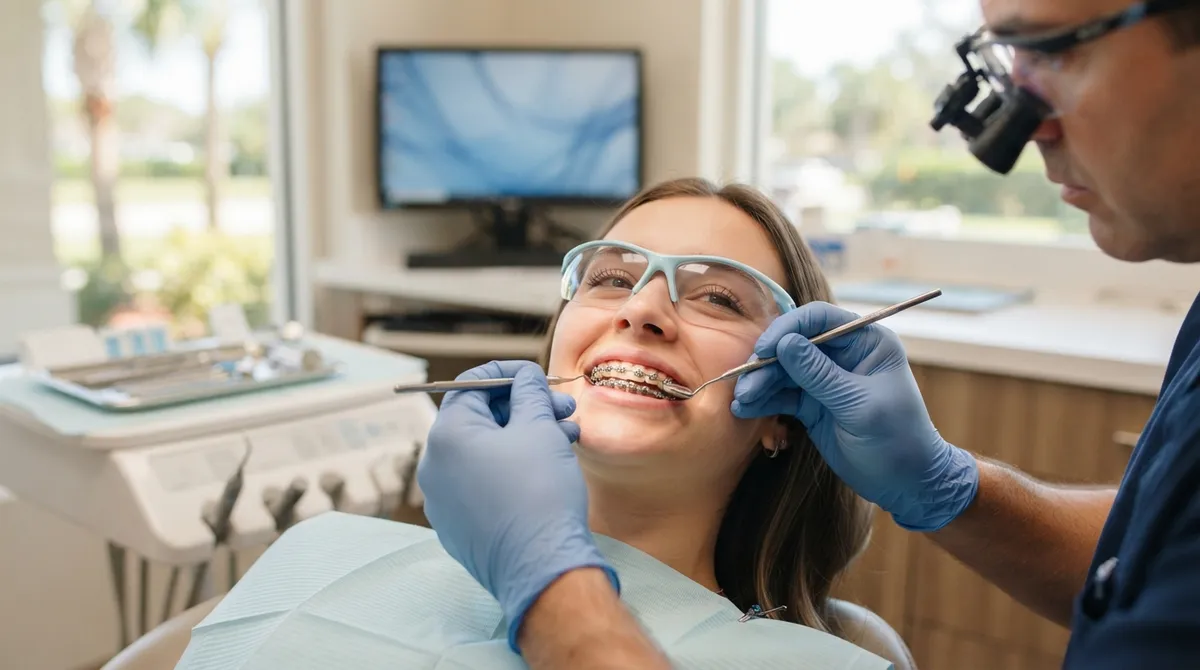
When people search for fast braces options in Bradenton, they usually want one of two things. They want a shorter treatment time, or they want fewer hassles along the way. Both are fair goals.
But no orthodontic treatment is fast for everyone. A small gap between two front teeth is a very different job than a deep overbite with crowding. Your timeline is shaped by your unique case.
Local sources commonly quote these broad ranges:
- Traditional braces: about 18 to 36 months
- Clear aligners: about 12 to 18 months
- Short-course aligner programs: some advertise six months or less for selected cases
These are estimates, not promises. Some patients finish sooner and some take longer. A proper exam is the only way to know where you land.
The Main Fast Braces Options in Bradenton
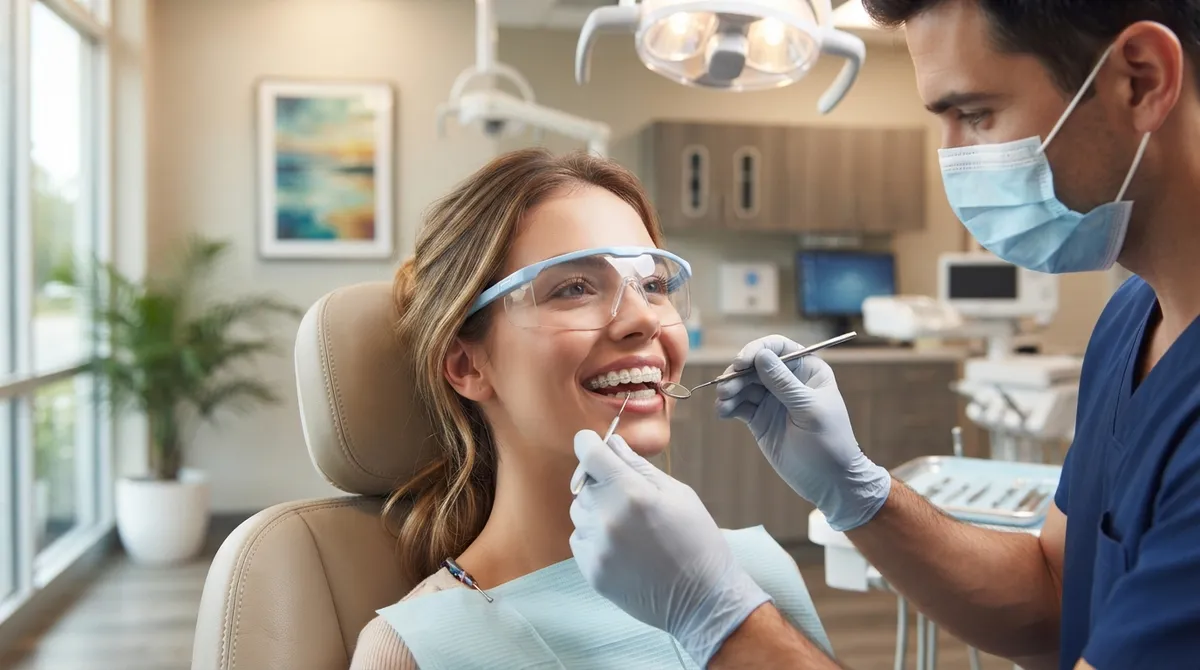
Let’s look at the choices you will likely hear about when you start asking around.
Traditional Metal and Ceramic Braces
Braces are the tried-and-true option. They are bonded to your teeth, so they work around the clock. There is no tray to forget on the kitchen counter.
That makes braces a strong pick for complex tooth movements and bite problems. If you want to learn more about the different styles, check out our guide to types of braces. You can also read why traditional metal braces are still a top choice.
Clear Aligners
Clear aligners are removable trays that gently shift your teeth step by step. They are discreet, which is a big win for professionals and young adults who do not want visible hardware.
The catch? They only work if you wear them. A local Bradenton provider says patients may need to wear them about 20 to 22 hours a day. Missed wear can slow your progress. You can explore our clear aligners page for more details.
Custom Digital Bracket Systems
Some practices offer braces designed with 3D technology. Each bracket is made to fit your teeth, and your plan is mapped out digitally before treatment even starts.
Systems like LightForce orthodontics are marketed as potentially faster, with some providers advertising treatment up to 45% faster than traditional methods. That is a provider marketing claim, not a guaranteed result for every patient. Still, custom brackets can make planning more precise and cut down on extra adjustments.
Side-by-Side: Comparing Your Options
Here is a quick snapshot to help you compare. Remember, these are general ranges and your results may differ.
| Option | Typical Timeline | Best For | Key Consideration |
|---|---|---|---|
| Metal or ceramic braces | About 18 to 36 months | Complex bites and tooth movements | Always working, no compliance worries |
| Clear aligners | About 12 to 18 months | Selected mild to moderate cases | Need 20 to 22 hours of daily wear |
| Short-course aligners | About 6 months for some cases | Minor crowding or spacing | Limited to select, simpler cases |
| Custom digital braces | Varies; marketed as faster | Patients wanting precision planning | Speed claims are promotional |
Can Teeth Really Straighten in Six Months?
Sometimes, yes. But only for the right case.
One Bradenton-area provider reports an average aligner plan of 5.4 months, and says some patients finish in six months or less. That figure is the company’s own data, and the page itself notes that results vary. Short plans tend to address mild issues, like slight crowding or small gaps.
If you have a bite problem, such as an overbite, underbite, or crossbite, a short-course plan may not be enough. Those cases often need a more complete approach. You can learn how we approach common orthodontic problems and what each one needs.
What Really Affects How Fast You Finish?
Think of your treatment like a road trip. The route, the traffic, and the driver all matter. Here are the biggest factors:
- Case complexity. Mild crowding moves faster than a major bite correction.
- Your body’s response. Teeth move at different speeds for different people. This is biology, and no gadget fully changes it.
- Appliance choice. Braces, aligners, and custom brackets each work differently.
- Consistency. Wearing aligners as directed and keeping every appointment keeps you on track.
- Refinements. Some cases need a few extra tweaks at the end to perfect the result.
The best way to protect your timeline is to follow your plan and show up for your visits. It sounds simple, and it really does work.
Which Fast Option Fits Your Life?
Let’s match options to real-life situations.
For Busy Professionals
You have meetings, deadlines, and a calendar that never sleeps. Clear aligners can be a smart fit because they are discreet and you can remove them for important events. Just be honest with yourself about wear time. If you tend to forget, braces may be more reliable. Our guide on braces vs. clear aligners can help you decide.
For Parents of Kids and Teens
Moms, we see you juggling school, sports, and everything in between. For kids and teens, braces often make sense because they work without needing reminders. Starting at the right age can also make treatment smoother. Take a look at our pages on early orthodontic treatment and teen orthodontic treatment.
For Life Event Planners
Have a wedding or graduation coming up? Start early. Even the fastest plans need time, and you want your teeth to look great rather than rushed. A consultation will tell you what is realistic before the big day.
For Adults Returning After Past Treatment
If your teeth shifted after braces years ago, you are not alone. Relapse is common, often from skipping retainers. Many adults fix it with a shorter, simpler plan. Learn more about adult orthodontics and how it can work for you.
Do Fast Treatments Work for Bite Problems?
This is one of the most common questions we hear. The honest answer is that it depends.
Braces can be preferable for some complex tooth movements and bite issues. Aligners may suit selected mild to moderate cases. A short program is usually best for minor crowding or spacing, not major bite corrections.
That is why an exam matters so much. An orthodontist can look at your jaw, your bite, and your teeth together. Then you get a plan built for your needs, not a one-size-fits-all promise.
Smart Questions to Ask Before You Start
Whichever Bradenton office you visit, come prepared. These questions help you avoid surprises:
- What is my realistic timeline, and what could change it?
- Am I a good candidate for a short-course or accelerated plan?
- What happens if I need refinements?
- What is the full cost, and are payment options available?
- Who will be providing my care, and what are their credentials?
It is also smart to confirm current services, pricing, and appointment availability directly with each office. Details change, and a quick call saves headaches later. For more ideas, see our post on how to ask the right orthodontic questions.
Don’t Skip the Retainer
Here is something many people forget when chasing speed. Finishing active treatment is not the finish line. Your teeth want to drift back, and retainers help hold your new smile in place.
Whether you pick braces or aligners, plan on wearing retainers after treatment. Skipping them is one of the most common reasons people end up needing a second round. Read up on orthodontic retainers so you know what to expect.
What About Cost and Insurance?
Price is a big part of the decision, and it is smart to talk about it upfront. Costs vary based on the type of treatment, the length of your plan, and your provider. Faster does not always mean cheaper, and cheaper does not always mean better.
Many families use insurance benefits or monthly payment plans to make care easier on the budget. Our orthodontic financing page walks through the options, and you can ask about coverage during your visit.
Why Expertise Matters More Than Speed
It is tempting to chase the shortest timeline. But a rushed result that does not hold up is not a win. The goal is a healthy, stable, great-looking smile.
Choosing a trained specialist helps you get the right plan from the start. At Segovia Orthodontics at Lakewood Ranch, Dr. Flor Segovia is a board-certified orthodontist who uses advanced technology to plan treatment with care. You can verify an orthodontist’s credentials through the American Board of Orthodontics.
We offer braces, including WildSmiles braces, plus clear aligners and custom retainers. Our team serves children, teens, and adults in a warm, family-friendly setting, and we provide care in both English and Spanish. Curious how we work? Meet Dr. Flor Segovia, and see what patients say by visiting us on Google — Segovia Orthodontics. You can also follow along on our Instagram page for smile stories and behind-the-scenes fun.
What to Expect at Your First Visit
Not sure what happens at a consultation? It is easier than you think. Here is the usual flow:
- We chat about your goals, your schedule, and any concerns.
- We examine your teeth, bite, and jaw, often with digital imaging.
- We explain which options fit your case and give an honest timeline.
- We review costs and payment choices so there are no surprises.
There is no pressure, just clear answers. If you want a preview, read about your first orthodontic visit.
Ready to Start Your Faster Path to a Straighter Smile?
The best fast braces option in Bradenton is the one that fits your teeth, your lifestyle, and your goals. Some people do beautifully with a short aligner plan. Others need braces to get the job done right. Neither is better; it just depends on you.
If you are ready to find out what is possible, we would love to meet you. Request an appointment today, or call us at 941-557-1333 and our friendly team will help you take the first step. You can also contact us online, or stay connected through our Facebook page. Your best smile is closer than you think.
FAQs
Q: What are the fastest braces options in Bradenton, FL?
A: There is no single fastest option, because speed depends on your case. Traditional braces, clear aligners, and custom digital bracket systems are all available, and short-course aligner plans may work for mild cases. An orthodontic exam will show which path fits you best.
Q: Can clear aligners straighten teeth in six months?
A: Sometimes, but only for selected cases like minor crowding or small gaps. One local provider reports an average plan of 5.4 months, though results vary and it is not a guarantee. More complex cases usually take longer.
Q: How many hours a day do I need to wear clear aligners?
A: Local Bradenton providers typically ask for about 20 to 22 hours a day. Taking them out only to eat, drink, and brush keeps you on schedule. Missed wear can slow your progress.
Q: Do I need a retainer after fast braces or aligner treatment?
A: Yes, retainers are generally needed after active treatment to help hold your results. Teeth naturally want to drift back, so wearing your retainer as directed protects the smile you worked hard for.
Q: What affects how long braces treatment takes?
A: Case complexity, how your body responds, the type of appliance, and how well you follow your plan all play a role. Missed appointments or extra bite correction can add time. Your orthodontist can give you a realistic timeline after an exam.
Our Service Area