Key Takeaways
-
Mild soreness and pressure for 3-5 days after getting braces is normal and means teeth are shifting; use soft foods, orthodontic wax, and salt water rinses to manage discomfort during this adjustment period.
-
Most patients wear braces for 12-24 months, but treatment time varies from 6 months for minor corrections to 30+ months for complex cases depending on crowding severity, bite problems, and patient cooperation.
-
Avoid hard, sticky, and crunchy foods like candy, nuts, caramel, corn, and gum; brush after every meal, use interdental brushes, and floss daily to prevent plaque buildup and white spots after braces are removed.
-
After braces come off, wear your retainer full-time for several months, then switch to nighttime-only wear long-term to prevent teeth from shifting back to their original positions.
-
Adjustment appointments every 4-12 weeks (typically 6-8 weeks) allow your orthodontist to check progress, tighten wires, and modify appliances; mild soreness after these visits is normal and usually shorter than initial adjustment.
-
Contact your orthodontist immediately if a wire pokes and causes significant pain, a bracket completely comes off, or pain lasts more than a few days; use orthodontic wax as a temporary fix but never cut wires yourself.
So you (or your child) just found out braces are in the future. Maybe you’re excited. Maybe you’re a little nervous. Maybe you’re a busy parent juggling soccer practice and homework, wondering how this fits into an already packed schedule. Wherever you’re starting from, take a deep breath—you’re in good company. Every year, thousands of families and adults begin this same journey toward a healthier, more confident smile. Knowing what to expect when getting braces can turn those nervous butterflies into genuine excitement.
At Segovia Orthodontics in Lakewood Ranch, we walk families through this process every single day. Dr. Flor Segovia and her team believe that when you understand each step ahead of time, the whole experience feels a lot less scary and a lot more manageable. This guide breaks down exactly what happens from your first visit to the day your braces come off, so you can walk in feeling confident and prepared.
What Happens at Your First Orthodontic Consultation
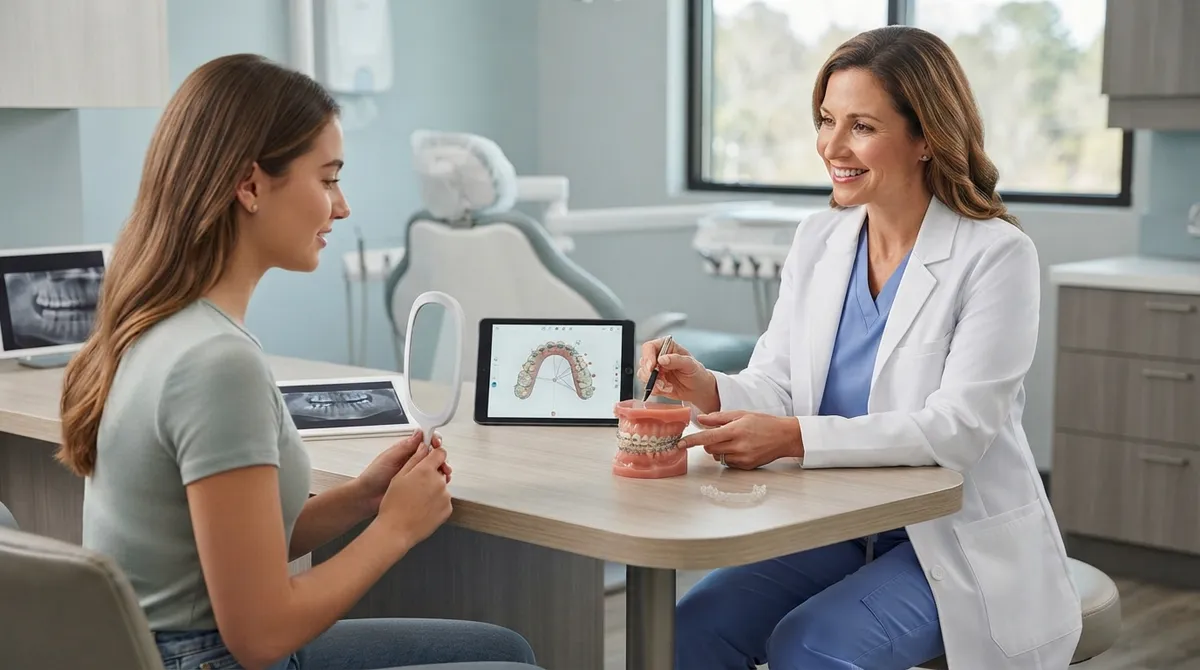
Your journey starts with a consultation, and this visit is really just a friendly conversation about your smile goals. The orthodontist will look closely at your teeth and bite, ask about your dental history, and get a sense of what you’re hoping to achieve.
During this appointment, you can typically expect the following steps:
- A visual exam of your teeth, gums, and jaw alignment
- Digital photos or X-rays to see what’s happening beneath the surface
- Digital scans or impressions to create a 3D model of your teeth
- A discussion of treatment options, including timelines and costs
- Time for you to ask questions and voice any concerns
This is also the perfect time to ask about financing, treatment length, or which type of braces might work best for your lifestyle. If you’re weighing your options, our guide on types of braces can help you understand the differences before your visit. Curious about the full process? Check out what happens during your first orthodontic visit for even more detail.
Getting Your Braces Put On: The Fitting Appointment
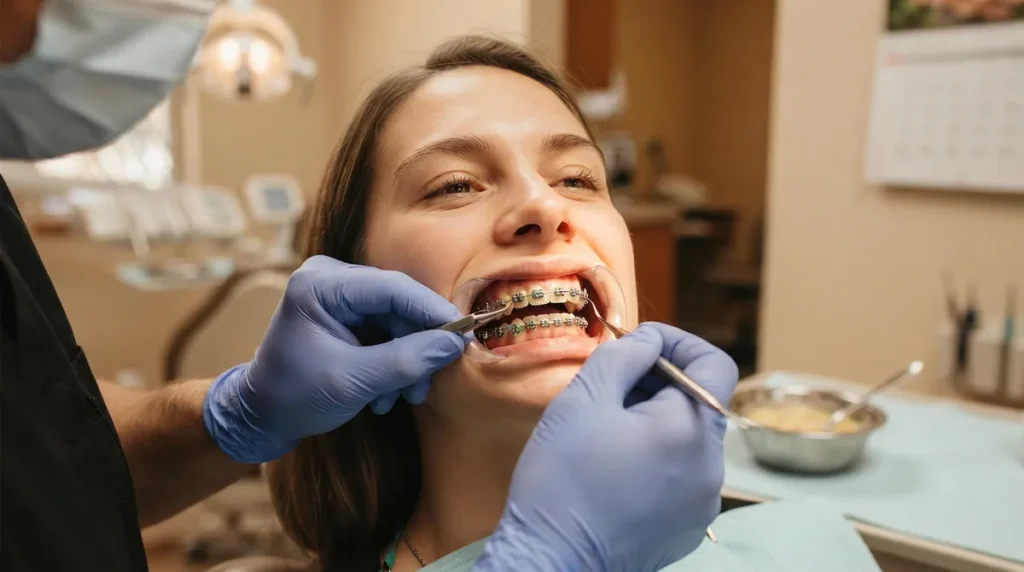
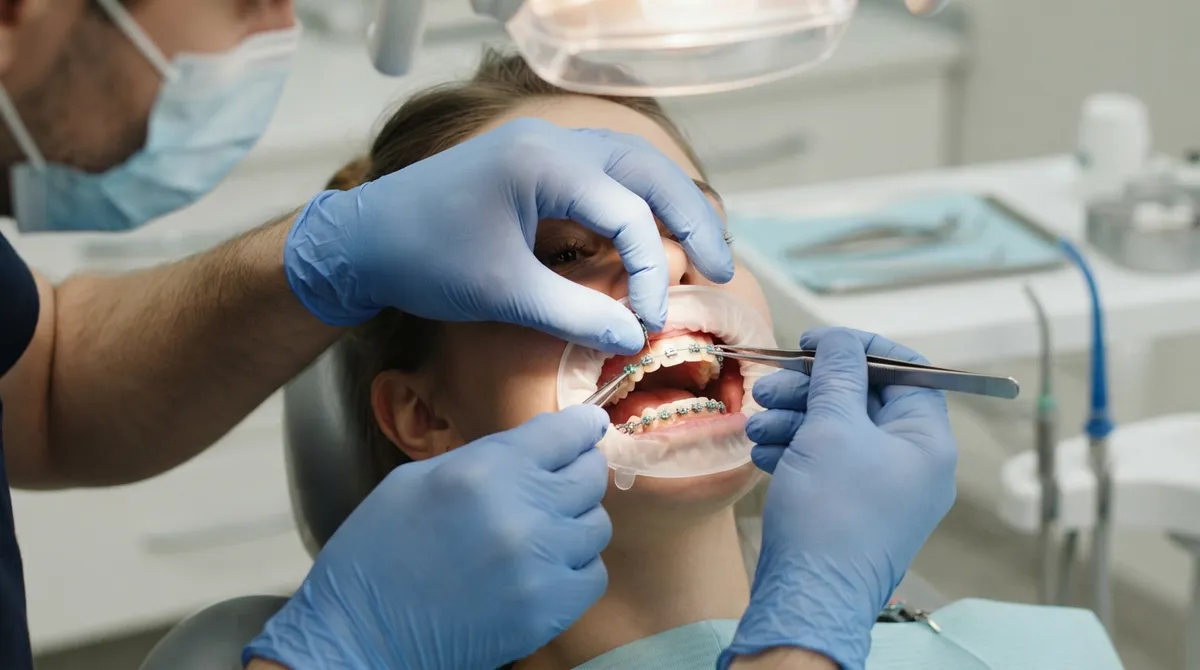
Once your treatment plan is set, it’s time for the big day. The fitting appointment usually takes about an hour, sometimes a little longer depending on the type of braces you’re getting.
Here’s what generally happens during this visit:
- Your teeth are cleaned and dried to prepare the surface
- A special bonding material is applied to each tooth
- Brackets are carefully placed and lightly cured with a special light
- An archwire is threaded through the brackets and secured
- You’ll get instructions on care, food restrictions, and your next appointment
Good news: this part shouldn’t hurt. Most patients say it feels a bit strange, but not painful. If your child is nervous about the appearance of traditional metal brackets, fun options like WildSmiles Braces let them choose shapes like stars, hearts, or even Mickey Mouse to make the experience more exciting. For patients who want a more custom, high-tech fit, LightForce Orthodontics uses 3D-printed brackets designed specifically for your teeth, which can also help speed up treatment time.
The First Few Days: Adjusting to Your New Braces
This is the part nobody loves talking about, but it’s important to know. Your teeth and mouth need a little time to adjust to their new hardware.
Common Sensations You Might Feel
Most patients notice mild soreness or pressure for about three to five days after getting braces. This is completely normal and means your teeth are starting to shift into their new positions. Your cheeks, lips, and tongue might also feel irritated as they get used to the brackets and wires.
A few simple tricks can make this adjustment period much easier:
- Stick to soft foods like mashed potatoes, yogurt, and soup for the first few days
- Use orthodontic wax to cover any brackets rubbing against your cheeks
- Rinse with warm salt water to soothe irritated gum tissue
- Take an over-the-counter pain reliever if needed, following your orthodontist’s advice
- Avoid crunchy or chewy foods until the soreness fades
Within a week or two, most people barely notice their braces anymore. It becomes part of the daily routine, just like brushing your teeth or tying your shoes.
How Long Will You Actually Wear Braces?
This is probably the question we hear most often, and the honest answer is: it depends. According to the American Board of Orthodontics, most patients wear braces for approximately 12 to 24 months. However, treatment time can range from as short as 6 months for minor corrections to 30 months or more for complex cases.
| Factor | Effect on Treatment Time |
|---|---|
| Severity of crowding or spacing | More severe cases take longer to correct |
| Bite problems (overbite, underbite, crossbite) | Complex bite issues may extend treatment |
| Type of appliance used | Some systems, like LightForce, may reduce time by up to 45% |
| Patient cooperation | Wearing elastics and following instructions speeds progress |
| Oral hygiene habits | Poor hygiene can lead to delays or complications |
Every smile is different, which is why Dr. Segovia creates a personalized plan for each patient. Want to know more about your specific timeline? You can always request an appointment to get a clearer picture based on your unique needs.
What Happens During Adjustment Visits
Once your braces are on, you’ll come back every so often for adjustment appointments. These visits are typically scheduled every 4 to 12 weeks, though every 6 to 8 weeks is common.
During a typical adjustment visit, your orthodontist will:
- Check how your teeth are moving compared to the treatment plan
- Replace or tighten your archwires as needed
- Add or change rubber bands or other appliances
- Answer any questions about discomfort or concerns
- Give you an update on your progress and next steps
You might feel some soreness again after these visits, but it’s usually milder and shorter than the initial adjustment period. Many of our Lakewood Ranch families appreciate our advanced orthodontic technology, which allows for more precise adjustments and fewer surprises along the way.
Living With Braces: Food and Hygiene Tips
Foods to Avoid
Certain foods can damage brackets or wires, leading to extra trips to the office. It’s best to steer clear of these while wearing braces:
- Hard candy, nuts, and ice
- Sticky treats like caramel or taffy
- Chewing gum
- Corn on the cob and hard raw vegetables (cut them into small pieces instead)
- Fizzy sodas, which can contribute to enamel damage
Keeping Your Teeth Clean With Braces
Good oral hygiene matters more than ever once you have braces. Food particles love to hide around brackets and wires, so a little extra effort goes a long way.
Here’s a simple daily routine that works well for most patients:
- Brush after every meal using a fluoride toothpaste
- Use an interdental brush to clean around brackets and under wires
- Floss daily with a floss threader or water flosser
- Rinse with an antibacterial or fluoride mouthwash
- Keep up with regular dental checkups and cleanings
Skipping these steps can lead to plaque buildup, cavities, and those frustrating white spots that show up after braces come off. If you’re curious about how different bracket designs can actually make brushing easier, our team can walk you through options that fit your lifestyle.
Handling Orthodontic Emergencies
Sometimes things happen—a wire pokes, a bracket comes loose, or you bite into something you shouldn’t have. Don’t panic. Most issues are minor and can wait until your next scheduled visit, but some situations need quicker attention.
Contact your orthodontist right away if you experience any of the following:
- A wire that’s poking and causing significant pain or injury
- A bracket that has completely come off
- Pain that lasts more than a few days and doesn’t improve
- Swollen, very red, or bleeding gums
In the meantime, orthodontic wax can help cover a poking wire until you’re seen. Never try to cut a wire yourself or use household tools to fix your braces. For more guidance, check out our page on handling an orthodontic emergency so you know exactly what steps to take.
Life After Braces: The Retention Phase
Getting your braces off is a huge milestone, but the journey doesn’t end there. Teeth naturally want to shift back toward their original positions, which is why retainers are so important.
Most orthodontists recommend a retention plan that looks something like this:
- Wearing your retainer full-time for the first several months
- Gradually transitioning to nighttime-only wear
- Continuing nighttime wear long-term, sometimes indefinitely
- Attending periodic checkups to make sure your smile stays put
Skipping retainer wear is one of the most common regrets we hear from patients. Learn more about your options by visiting our page on orthodontic retainers to keep that beautiful new smile looking its best for years to come.
Braces vs. Clear Aligners: Which Fits Your Life?
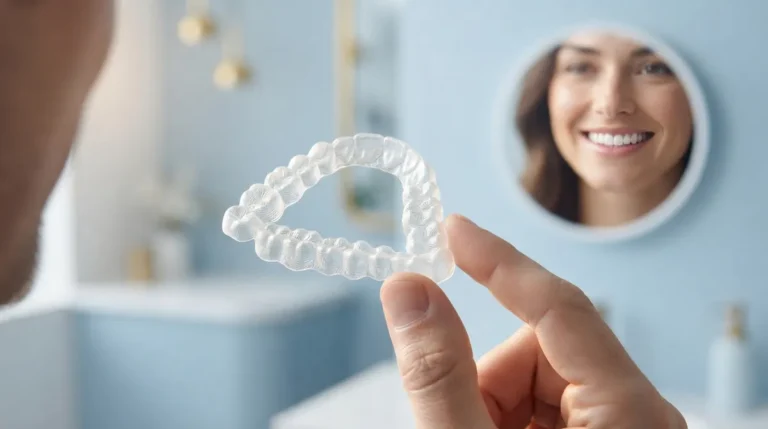
Not everyone ends up with traditional metal braces, and that’s a good thing. Depending on your needs, clear aligners might be a better fit, especially for busy professionals or teens involved in sports and activities.
| Feature | Traditional Braces | Clear Aligners |
|---|---|---|
| Visibility | Noticeable, though options like clear brackets help | Nearly invisible |
| Removable | No, fixed to teeth | Yes, removable for eating and cleaning |
| Best for | Complex bite and alignment issues | Mild to moderate corrections |
| Maintenance | Requires careful brushing around brackets | Easy to clean, just remove and brush normally |
Options like clear aligners, including Angel Aligners, use a flexible wear schedule that can speed up tooth movement while staying discreet. This makes them a popular choice for adults returning to treatment after years of putting it off, as well as young professionals preparing for weddings or career milestones.
Braces for Every Stage of Life
One of the best parts about modern orthodontics is that there’s truly an option for everyone. Whether you’re helping a child through early orthodontic treatment, guiding a teenager through teen orthodontic treatment, or exploring adult orthodontics for yourself, our Lakewood Ranch team tailors every plan to fit your specific stage of life.
Dr. Flor Segovia is a board certified orthodontist who provides bilingual care in English and Spanish, making sure every family feels understood and comfortable throughout treatment. Want to see why so many local families choose our practice? Read more about why choose us for orthodontic care in the Lakewood Ranch area.
Paying for Braces Without the Stress
Cost is often one of the biggest worries families have before starting treatment. The good news is that most orthodontic practices, including ours, offer flexible financing so braces fit comfortably into your budget.
Some common ways to make treatment more affordable include:
- Monthly payment plans with little to no interest
- Using dental insurance benefits, if available
- Flexible spending accounts or health savings accounts
- Discounts for paying in full upfront
To explore your options in more detail, visit our page on orthodontic financing before your consultation. That way, you’ll walk in already knowing what fits your family’s budget.
Why Families in Lakewood Ranch Trust Segovia Orthodontics
Choosing the right orthodontic office makes a real difference in how comfortable you feel throughout treatment. At Segovia Orthodontics, we combine advanced technology with a warm, welcoming atmosphere where questions are always encouraged.
Don’t just take our word for it—visit us on Google — Segovia Orthodontics to see what real patients and parents have to say about their experience. You can also follow along with smile transformations and helpful tips on our Facebook page or check out before-and-after photos on our Instagram page.
Your Next Step Toward a Confident Smile
Knowing what to expect when getting braces takes so much of the worry out of the process. From that very first consultation to the day your retainer becomes part of your nightly routine, every step is designed to move you closer to a smile you’ll love showing off.
If you’re ready to get started, our friendly Lakewood Ranch team is here to help every step of the way. Feel free to contact us with any questions, or go ahead and request an appointment to begin your personalized treatment plan today. You can also simply call us at 941-557-1333 and we’ll happily walk you through your options. Your best smile is closer than you think, and we can’t wait to help you get there.
FAQs
Q: Do braces hurt when they are first put on?
A: Great news—getting braces put on shouldn’t hurt at all! You might feel some pressure or mild soreness over the next few days as your teeth start shifting, but that’s totally normal and temporary. Soft foods and a little orthodontic wax usually do the trick until you’re feeling back to normal.
Q: How long does it take to get used to wearing braces?
A: Most people adjust within one to two weeks, though the first three to five days tend to be the most noticeable. Your cheeks and lips just need a little time to get used to the new hardware in your mouth. Before you know it, brushing and eating with braces will feel like second nature!
Q: How long will I need to wear braces?
A: On average, most patients wear braces for about 12 to 24 months, though this really depends on your specific smile goals. Some simpler cases wrap up in as little as 6 months, while more complex bites might take a bit longer. Your orthodontist will give you a personalized estimate at your first visit.
Q: What foods should I avoid with braces?
A: It’s best to skip sticky, hard, or crunchy foods like caramel, hard candy, ice, and popcorn while wearing braces. These can bend wires or pop off brackets, which nobody wants! Soft foods and bite-sized fruits and veggies are your best friends during treatment.
Q: What happens after my braces come off?
A: Once your braces are removed, you’ll move into what’s called the retention phase, where a retainer keeps your teeth from shifting back. Most people wear their retainer full-time at first, then switch to nights only. It’s a small daily habit that protects your beautiful new smile for years to come.
Our Service Area