Key Takeaways
-
Take ibuprofen or acetaminophen about an hour before your wire tightening appointment to get ahead of discomfort, and switch to soft foods like yogurt, mashed potatoes, and smoothies immediately after.
-
Soreness peaks within 24-72 hours after wire tightening and typically resolves within 3-5 days; this discomfort is a normal sign that your teeth are moving into alignment.
-
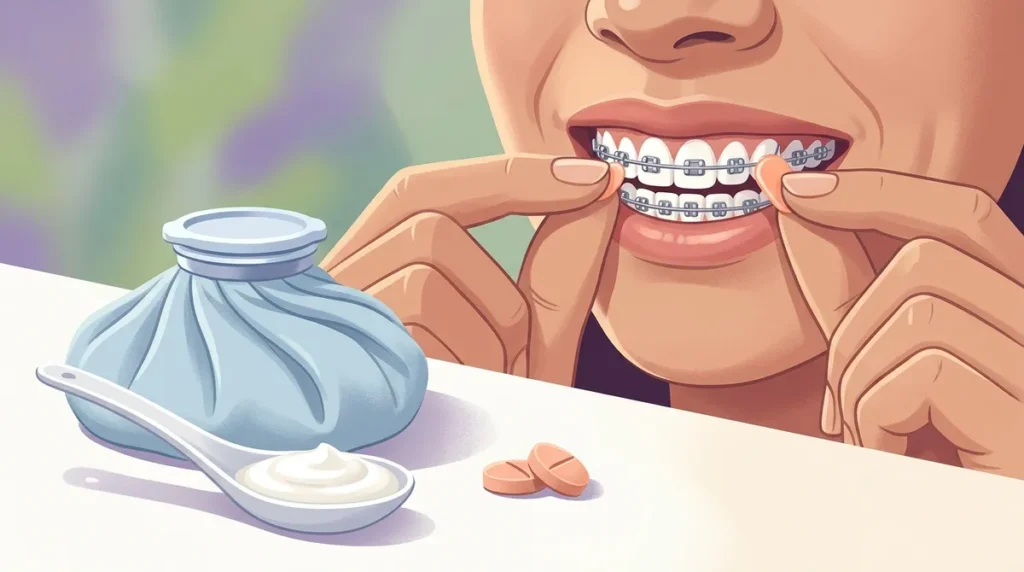
Use orthodontic wax to cushion any wires or brackets poking your cheek, and apply cold packs wrapped in cloth to reduce inflammation quickly.
-
Attend wire tightening appointments every 4-8 weeks consistently, as skipping appointments significantly slows your orthodontic progress and treatment timeline.
-
Contact your orthodontist immediately if soreness doesn't improve after 5-7 days, a wire pokes your gum tissue, or a bracket feels loose.
-
Wire tightening discomfort typically becomes easier to manage with each appointment as your teeth adapt and you develop a personal comfort routine.
So your orthodontist just tightened your braces wire, and your teeth are letting you know about it. That familiar ache after a wire tightening appointment is one of the most talked-about parts of wearing braces — and honestly, it makes sense why so many people want to know how to manage it better. Whether you’re a parent watching your child squirm after their adjustment, a teen wondering how long the soreness will last, or an adult who just started adult orthodontics and wasn’t quite prepared for this part, you’re in the right place. This guide walks you through everything you need to know about wire tightening — what happens during the appointment, why it works, and how to make the days afterward much more comfortable. Let’s dive in!
What Happens During a Wire Tightening Appointment
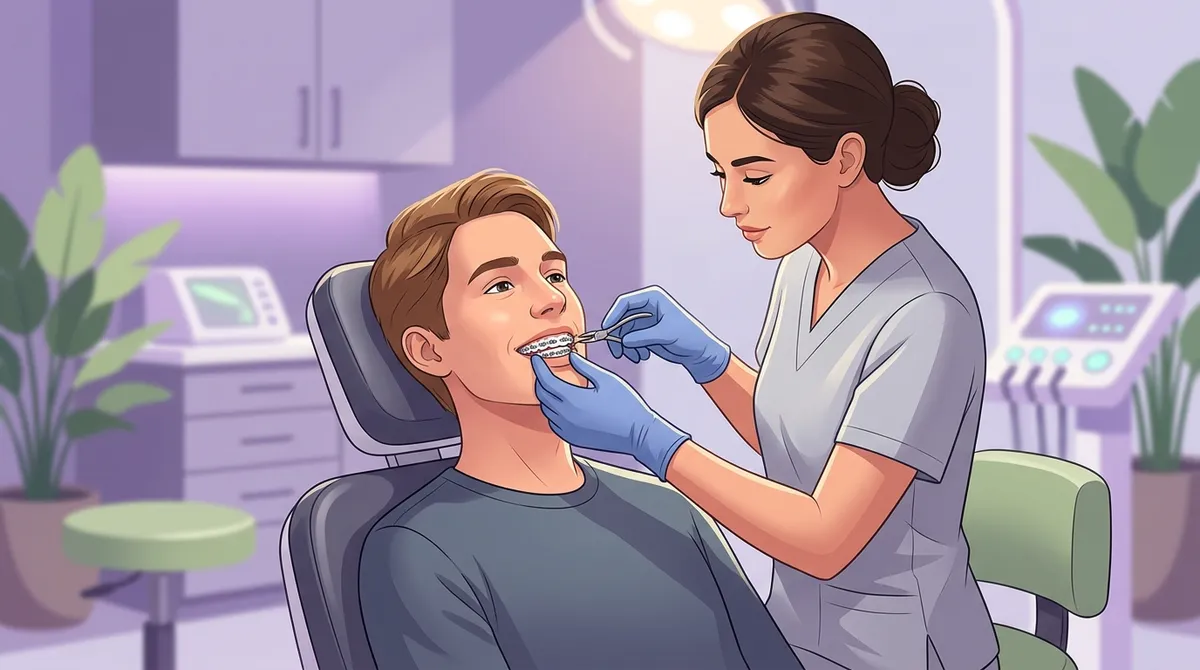
Wire tightening is a routine part of your orthodontic journey. During each adjustment visit, your orthodontist changes or tightens the archwire that runs through your brackets. This wire is what actually does the work of moving your teeth into their correct positions over time.
Your orthodontist may also swap out a thinner wire for a thicker one as your treatment progresses. Thicker wires apply more force, helping to guide stubborn teeth into alignment. It’s a carefully planned process — nothing random about it!
If you’re curious about what the full experience looks like from start to finish, check out this helpful overview of what to expect at an orthodontic office visit.
Why Wire Tightening Causes Soreness
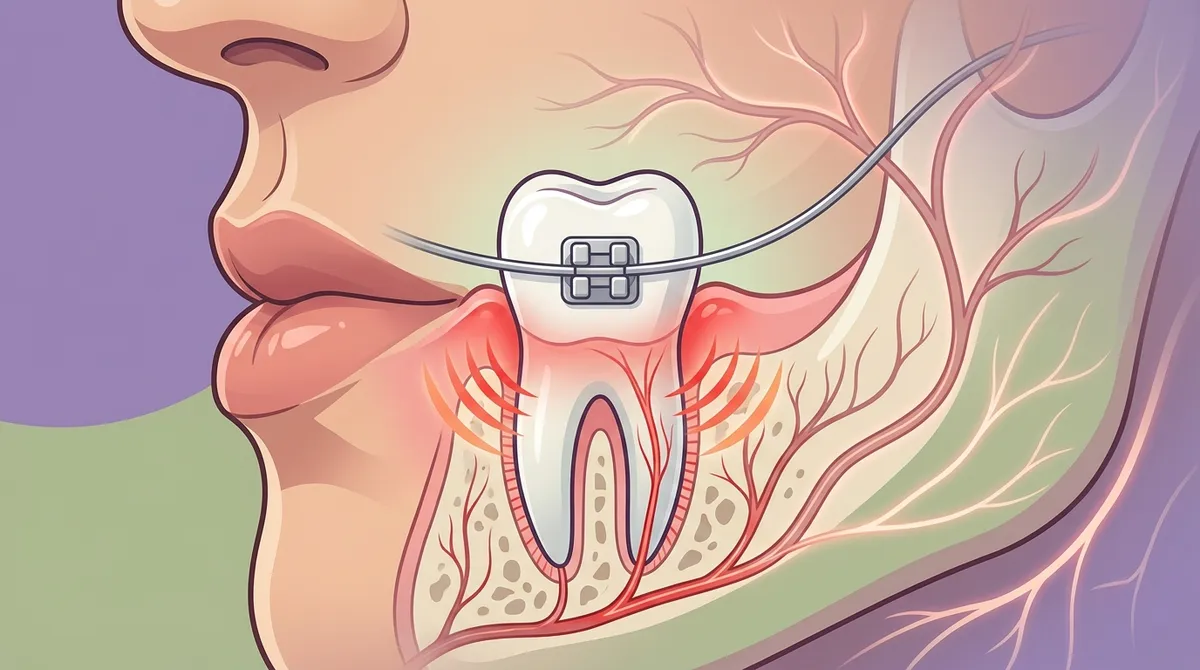
After wire tightening, it’s completely normal to feel some pressure and discomfort. Here’s the simple science behind it:
- The tightened wire places new pressure on your teeth and the surrounding bone
- Your body responds with a mild inflammatory response — this is actually part of how teeth move
- Blood flow increases to the area, causing that tender, achy feeling
- The soreness typically peaks around 24–72 hours after the appointment
- Most patients feel back to normal within 3–5 days
Think of it like a workout for your teeth. A little soreness means things are working! Understanding all about braces can help ease your mind about what’s happening in your mouth.
Step-by-Step Guide to Managing Wire Tightening Discomfort
Here’s the good news — there are plenty of practical ways to take the edge off. Follow these steps and you’ll feel much better in no time.
Step 1: Take Over-the-Counter Pain Relief If Needed
An over-the-counter pain reliever like ibuprofen or acetaminophen can be very helpful. Take it about an hour before your appointment to get ahead of the discomfort. Always follow the dosage instructions on the package and check with your doctor if you have any concerns.
Step 2: Switch to Soft Foods Right Away
Your teeth will be sensitive after wire tightening, so give them a break from hard or crunchy foods. Stock up on these easy-to-eat options before your appointment:
- Yogurt, pudding, and smoothies
- Mashed potatoes and soft-cooked pasta
- Scrambled eggs and oatmeal
- Applesauce and ripe bananas
- Soup (make sure it’s not too hot)
- Ice cream — yes, really! Cold can actually soothe soreness
You can learn more about which foods to avoid with braces by visiting our guide on 13 foods to avoid with braces.
Step 3: Use Orthodontic Wax for Wire Irritation
Sometimes the wire pokes or rubs against the inside of your cheek after an adjustment. That’s when orthodontic wax becomes your best friend. Simply roll a small piece of wax between your fingers to soften it, then press it over the part of the wire or bracket that’s causing irritation.
If a wire is poking sharply and causing real discomfort, don’t try to cut it yourself. Contact your orthodontist right away. You can read more about handling these situations in our guide to orthodontic emergencies.
Step 4: Rinse with Warm Salt Water
A warm salt water rinse is a simple, natural way to soothe irritated gum tissue after wire tightening. Mix about half a teaspoon of salt into a glass of warm (not hot) water and swish gently for 30 seconds. Repeat a few times a day for relief.
Step 5: Apply a Cold Pack on the Outside
If the discomfort feels more intense, try applying a cold pack or even a bag of frozen peas (wrapped in a cloth) to the outside of your cheek. Cold reduces inflammation and provides quick, soothing relief. Just don’t apply ice directly to your skin.
Wire Tightening vs. Wire Adjustments: What’s the Difference?
Many patients use these terms interchangeably, but there’s a small difference worth knowing. Here’s a quick comparison:
| Term | What It Means | When It Happens |
|---|---|---|
| Wire Tightening | The orthodontist tightens the existing archwire by adjusting ties or ligatures | Regular adjustment appointments (every 4–8 weeks) |
| Wire Change | The old wire is removed and replaced with a new, usually thicker or different wire | At key stages of treatment when more force is needed |
| Full Adjustment | May include both wire tightening and other changes like replacing ligature ties or bands | Routine visits throughout treatment |
Both types of adjustments are essential to keeping your treatment on track. If you’d like to understand your types of braces and how they respond to adjustments, that’s a great place to start.
How Often Will You Need Wire Tightening?
Most patients visit their orthodontist every 4 to 8 weeks for routine adjustments. Here’s a general timeline of what to expect:
- Early Stage: Lighter, more flexible wires are used to begin gentle tooth movement
- Mid-Treatment: Wires gradually increase in thickness to apply more targeted force
- Late Stage: Fine-tuning adjustments to ensure all teeth are in their ideal positions
- Finishing Phase: The final wire is often the thickest and holds teeth in perfect alignment before braces come off
Skipping appointments can slow down your progress significantly. Consistent wire tightening keeps your treatment moving on schedule, so try your best to keep every appointment!
Special Considerations for Kids and Teens
If you’re a parent navigating wire tightening appointments with your child, a little preparation goes a long way. Schedule appointments on days when your child doesn’t have a big sports game or event the next day. Pack soft snacks for the drive home, and let them know that the soreness is temporary and totally normal.
Teens especially benefit from knowing what to expect. The teen orthodontic treatment journey comes with its own unique challenges and rewards — empowering them with knowledge makes the whole experience smoother. You might also want to explore early orthodontic treatment options if your child is younger and just starting out.
Connecting with other braces families online can be encouraging too. Check out our Facebook page to see tips, updates, and community support from the Segovia Orthodontics family!
When Wire Tightening Causes More Than Expected Discomfort
Some soreness after wire tightening is normal. But certain symptoms deserve a call to your orthodontist. Watch out for these signs:
- Pain that doesn’t improve after 5–7 days
- A wire visibly poking into your gum or cheek tissue
- A bracket that feels loose or has come off
- Swelling that seems excessive or spreads beyond the expected area
If any of these happen, don’t wait. Reach out to your orthodontic team as soon as possible. At Segovia Orthodontics, our team is always ready to help with any unexpected concerns between your regular appointments. You can also review common situations in our guide to common emergency situations with braces.
What to Expect After Each Wire Tightening Over Time
Here’s something encouraging — most patients find that each wire tightening gets a little easier as treatment progresses. Here’s why:
- Your teeth adapt: Teeth and surrounding bone become more responsive to gentle movement over time
- You know what to prepare for: After the first few appointments, you’ll have a personal routine that works for managing discomfort
- Corrections get smaller: In the later stages, adjustments are finer and often cause less dramatic soreness
Staying patient and consistent pays off in a big way. The results of every wire tightening appointment build toward your final, beautiful smile.
Wire Tightening and Clear Aligners: Is There a Parallel?
If you’re considering clear aligners instead of traditional braces, you might wonder if they have an equivalent to wire tightening. They do! Each new set of aligner trays applies fresh pressure to guide teeth into the next position — similar to the effect of a wire tightening appointment.
The experience can feel a little different, but the principle is the same: gentle, consistent force equals tooth movement. If you’re weighing your options, this comparison of braces vs. clear aligners is a great read. You can also follow our Instagram page for real patient updates, tips, and before-and-after smiles that will keep you motivated!
Tips for Keeping Your Braces in Great Shape Between Adjustments
Taking good care of your braces between wire tightening appointments helps your treatment go smoothly. Here are some key habits to build:
- Brush after every meal to prevent plaque buildup around brackets
- Floss daily using a floss threader or water flosser
- Avoid sticky, hard, or chewy foods that can damage brackets or wires
- Wear a mouthguard during sports to protect your braces
- Attend every scheduled appointment without delay
For a full breakdown of keeping your smile healthy throughout treatment, visit our page on how to care for your braces. And if you want to confirm your orthodontist is using the latest tools available, learn about the advanced orthodontic technology that makes today’s treatments more precise and comfortable than ever.
Choosing the Right Orthodontist Makes All the Difference
Not all orthodontic experiences are created equal. The skill and care of your orthodontist directly affects how your wire tightening appointments go — from accuracy of adjustments to the quality of post-care advice you receive.
Working with a board-certified orthodontist means your care meets the highest professional standards, as recognized by the American Board of Orthodontics. Dr. Flor Segovia is proud to meet those standards and brings warmth, expertise, and a genuine passion for her patients to every appointment. Learn more about her approach on the Dr. Flor Segovia page.
Ready to start your journey or want to ask questions about your next adjustment? Visit us on Google — Segovia Orthodontics to read real patient reviews and see why so many families in the Lakewood Ranch area trust us with their smiles.
Final Thoughts: Embrace the Process
Wire tightening is one of those things that sounds uncomfortable (because, let’s be honest, it can be!) but is also a clear sign that your treatment is working. Every adjustment is a step closer to the smile you’ve been working toward. With the right food, a little pain relief, some wax on hand, and a great orthodontist by your side, you’ll get through each appointment with ease.
Whether you’re a parent helping your child through their first adjustment or an adult finally investing in your own smile, remember: the soreness is temporary, but the results are forever. If you’re ready to take the next step or just want to chat about your options, request an appointment with the Segovia Orthodontics team today — we’d love to see you smile!
FAQs
Q: How long does soreness last after wire tightening?
A: Most patients feel soreness for about 3 to 5 days after a wire tightening appointment. The discomfort usually peaks within the first 24 to 72 hours and then gradually fades — hang in there, it gets better quickly!
Q: Can I eat normally after wire tightening?
A: We recommend sticking to soft foods for a day or two after wire tightening to keep your teeth comfortable. Think yogurt, mashed potatoes, and smoothies — your teeth will thank you! You can return to your regular diet once the soreness subsides.
Q: What should I do if the wire is poking my cheek after tightening?
A: Orthodontic wax is your best friend here! Press a small piece over the poking wire to cushion it until you can see your orthodontist. If the irritation is severe, give your orthodontic office a call right away — they’ll take great care of you.
Q: How often will I need wire tightening appointments?
A: Most orthodontic patients come in for wire tightening every 4 to 8 weeks throughout their treatment. Keeping these appointments consistent is really important — it keeps your treatment on schedule and your teeth moving in the right direction!
Q: Is wire tightening the same for adults and kids?
A: The process is essentially the same, though adults may find that teeth move a little more slowly since adult bone is denser. The soreness experience is similar too, but everyone adjusts differently. Both kids and adults benefit from the same comfort tips — soft foods, pain relief, and lots of patience!
Our Service Area