Key Takeaways
-
Schedule a professional orthodontic evaluation rather than guessing at home; an orthodontist can detect hidden bite issues and jaw problems that aren’t visible in a mirror using X-rays and digital scans.
-
Watch for specific physical signs like crowded teeth, gaps, overbites, underbites, jaw clicking, and difficulty cleaning teeth, which indicate you may benefit from orthodontic treatment.
-
Braces aren’t just for kids; adults can successfully get treatment to fix relapse from old braces, address neglected issues, or achieve a polished smile before major life events.
-
Modern treatment options like clear aligners and custom 3D-printed LightForce braces offer faster timelines and discreet solutions that fit professional lifestyles and aesthetic preferences.
-
Early intervention in children as young as seven can prevent more complex and costly treatment later, making timing an important factor in orthodontic planning.
-
Flexible financing options and payment plans make braces accessible; cost should not prevent you from scheduling a consultation to determine your actual treatment needs.
Ever catch yourself smiling at a photo, then wondering if your teeth look a little crooked? Or maybe your jaw clicks when you chew, and you can’t remember if that’s normal. If you’ve typed “do I need braces” into a search bar at 11 p.m., you’re definitely not alone. Parents, busy professionals, teens getting ready for prom, and adults planning a wedding all ask this same question every single day.
The good news? You don’t have to guess. There are real, physical signs that point to whether orthodontic treatment could help you. In this friendly guide, we’ll walk through the most common signals, explain why they matter, and help you feel confident about your next step. Whether you’re a mom watching your child’s smile change, a young professional considering clear aligners, or an adult whose teeth have shifted since your last round of braces, this article is for you.
By the end, you’ll know exactly what to look for and how to get answers. Let’s get started.
What Does “Do I Need Braces” Really Mean?
When people ask “do I need braces,” they’re usually asking one simple question: are my teeth or jaw misaligned enough to cause problems now or later? Orthodontic treatment isn’t just about having a picture-perfect smile. It’s about function, comfort, and long-term oral health too.
Crowded teeth, big gaps, and bite issues like overbites, underbites, crossbites, and open bites are the usual suspects. Sometimes these problems are obvious. Other times, they’re sneaky and only show up during a professional exam. That’s why an orthodontic evaluation is really the only way to know for sure, according to resources like Cleveland Clinic’s overview of orthodontics.
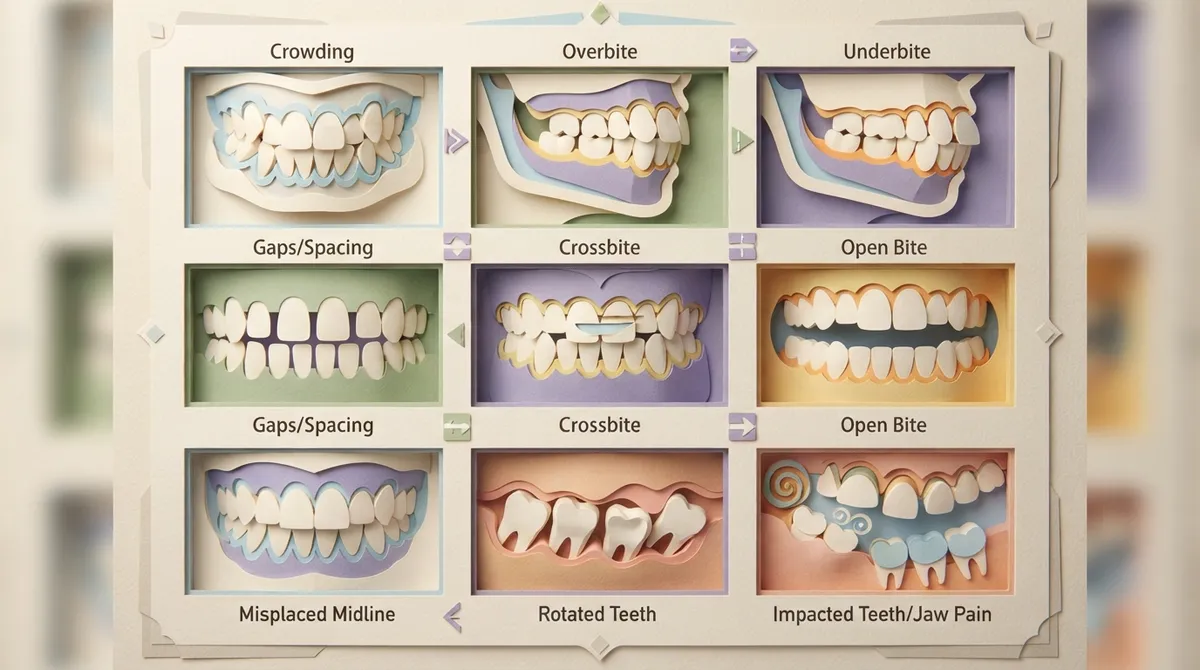
9 Signs You Might Need Braces
Let’s break down the most common signs. If you notice even a few of these, it might be time to schedule a consultation.
- Crowded or overlapping teeth. If your teeth look bunched together or twist over one another, there simply isn’t enough room in your jaw. This can make brushing and flossing tricky, too.
- Noticeable gaps between teeth. Small or large spaces between teeth can be a cosmetic concern, but they can also lead to gum issues if left untreated.
- An overbite. This is when your top front teeth stick out significantly further than your bottom teeth. It can affect chewing and even speech.
- An underbite. The opposite of an overbite, this happens when the lower jaw juts out past the upper teeth.
- A crossbite. Some upper teeth sit inside the lower teeth instead of outside them. This can cause uneven wear over time.
- An open bite. Front teeth don’t touch when you bite down, which can make it harder to chew certain foods properly.
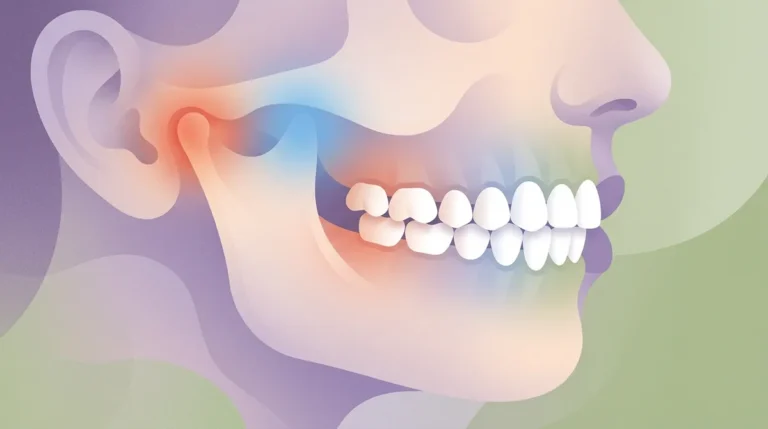
- Jaw pain or clicking. If your jaw pops, clicks, or feels sore, misalignment could be the culprit.
- Difficulty cleaning your teeth. Crowded or crooked teeth create hiding spots for plaque, which raises your risk for cavities and gum disease.
- Speech or breathing changes. Some bite issues affect how you pronounce certain sounds or even how you breathe at night.
Recognizing these signs is the first step. Our page on what are the signs you need braces goes into even more detail if you want to dig deeper.
Why an Orthodontic Exam Matters More Than a Mirror Check
Here’s the thing: not every problem is visible. You could have a mild bite issue that doesn’t look obvious but is quietly wearing down your enamel or straining your jaw joint. On the flip side, some teeth that look a little crooked might actually be totally fine, function-wise.
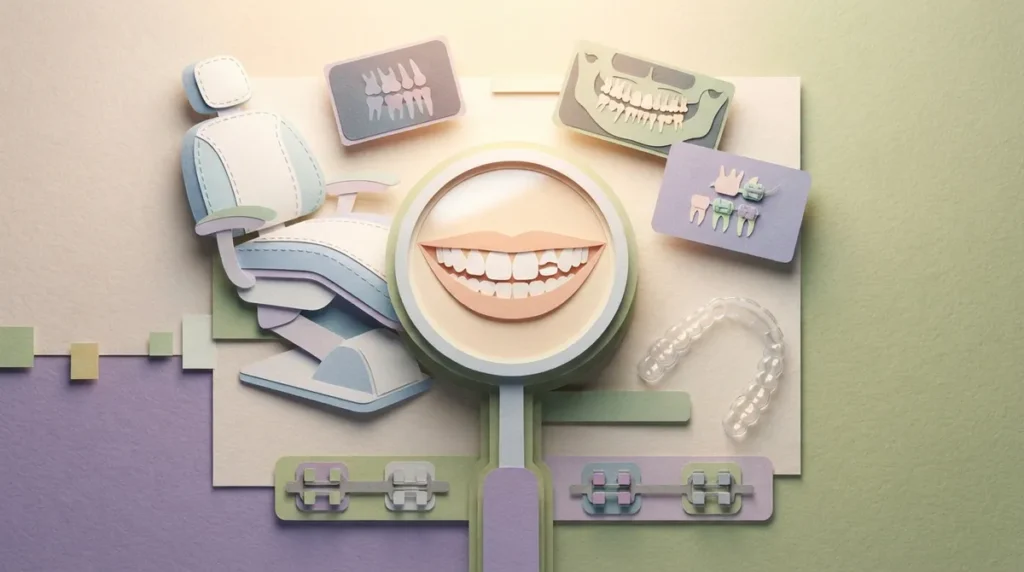
This is why guessing at home only gets you so far. A licensed orthodontist can take X-rays, check your bite from multiple angles, and measure things you simply can’t see in a mirror. According to the NHS guide to braces and orthodontics, a proper assessment considers both appearance and function before recommending treatment.
What Happens During a Typical Evaluation
If you’ve never been to an orthodontist before, here’s a simple rundown of what to expect:
- A friendly conversation about your concerns and goals.
- A visual exam of your teeth, gums, and bite.
- Digital X-rays or 3D scans to see what’s happening beneath the surface.
- A discussion of treatment options, timelines, and costs.
- Answers to all your questions, no pressure involved.
Curious about the details? Check out our page on what happens during an orthodontic evaluation for a full walkthrough.
Braces Aren’t Just for Kids: Signs by Life Stage
One of the biggest myths out there is that braces are only for tweens and teens. That couldn’t be further from the truth. Let’s look at how the question “do I need braces” shows up differently depending on your age and lifestyle.
For Concerned Moms: Watching Your Child’s Smile Develop
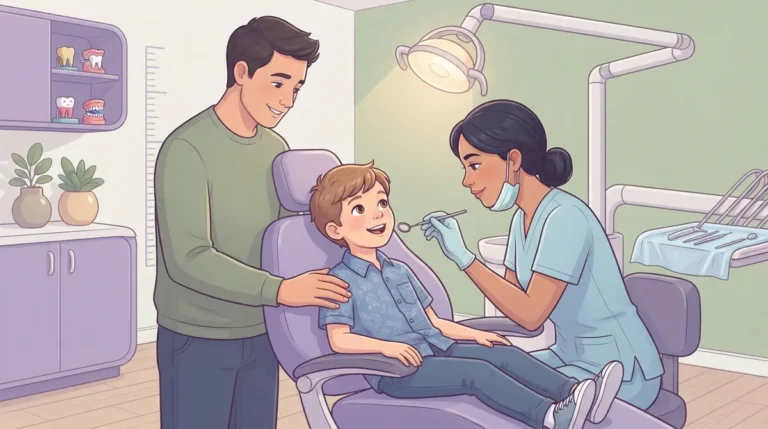
If you’re a parent, you’re probably keeping an eye on your child’s baby teeth and adult teeth. Early crowding, thumb-sucking habits, or an unusual bite pattern in kids as young as seven can be worth mentioning to an orthodontist. Catching things early sometimes means simpler treatment down the road. Our early orthodontic treatment page explains why timing matters so much for growing smiles.
For Young Adults: Discreet Options for Aesthetic Concerns
Maybe you’re in your late twenties or thirties, working a professional job, and self-conscious about a small gap or slight crowding. You don’t necessarily want metal brackets flashing every time you smile in a meeting. Clear aligner options can quietly straighten your teeth without drawing attention. Learn more about our clear aligners options if this sounds like you.
For Career-Focused Adults: Efficient Treatment That Fits Your Schedule
Busy professionals often ask about faster treatment timelines. Advanced technology, like custom-designed brackets, has made it possible to shave real time off traditional treatment plans. Our advanced orthodontic technology page covers how modern tools speed things up without sacrificing results.
For Life Event Planners: Straightening Up Before the Big Day
Got a wedding, graduation, or big career event coming up? Many people want their smile looking its best for photos that will last a lifetime. The sooner you start, the more time you have to reach your goal comfortably.
For Adult Relapse Patients: When Old Treatment Shifts Back
If you had braces years ago but stopped wearing your retainer, you might notice your teeth slowly drifting back to their old positions. This is incredibly common and nothing to feel embarrassed about. Adults who return for a second round of treatment tend to be highly motivated and consistent, which often leads to great results. Check out our adult orthodontics page for more on this.
Common Orthodontic Problems Compared
Sometimes it helps to see everything laid out side by side. Here’s a quick comparison of common bite issues and what they typically involve.
| Issue | What It Looks Like | Possible Effects |
|---|---|---|
| Crowding | Teeth overlap or twist due to lack of space | Harder to clean, higher cavity risk |
| Gaps (Spacing) | Visible spaces between teeth | Gum sensitivity, food trapping |
| Overbite | Top teeth extend far past bottom teeth | Jaw strain, enamel wear |
| Underbite | Lower jaw sits ahead of upper teeth | Chewing difficulty, speech changes |
| Crossbite | Some upper teeth sit inside lower teeth | Uneven wear, jaw shifting |
| Open Bite | Front teeth don’t meet when biting down | Trouble biting food, speech issues |
For more detail on any of these, our common orthodontic problems page breaks each one down further.
Treatment Options Once You’ve Confirmed You Need Braces
So, let’s say your evaluation confirms treatment is a good idea. What happens next? Thankfully, there are more choices today than ever before.
- Traditional metal braces remain reliable and effective for even complex cases.
- WildSmiles Braces add a playful twist with fun bracket shapes like stars, hearts, and even Mickey Mouse designs, which can make treatment more exciting for kids and teens.
- LightForce Braces use digital, 3D-printed brackets custom-fitted to your teeth, often speeding up treatment by up to 45 percent.
- Clear aligners, including Angel Aligners, offer a nearly invisible way to shift teeth using a series of custom trays.
- Orthodontic retainers help maintain your results once active treatment wraps up.
You can explore our types of braces page to compare these options side by side, or check out WildSmiles Braces and LightForce Orthodontics for a closer look at these specific systems.
What Makes WildSmiles and LightForce Stand Out
WildSmiles brackets aren’t just fun to look at. Their unique shapes actually help patients brush more effectively, since it’s easy to see if plaque is building up around the edges. Kids (and honestly, plenty of adults) enjoy picking shapes like Super-Star, Flower-Power, or Baller, which makes the whole treatment feel less like a chore.
LightForce, on the other hand, is all about precision. Because each bracket is custom-designed using 3D printing, Dr. Flor Segovia can plan your treatment with incredible accuracy. This often means fewer adjustments, more comfort, and a shorter overall timeline.
Steps to Take If You Suspect You Need Braces
Feeling ready to take action? Here’s a simple roadmap to follow.
- Write down any symptoms you’ve noticed, like jaw pain, crowding, or gaps.
- Take a few photos of your smile from different angles for reference.
- Schedule a consultation with a board-certified orthodontist.
- Ask questions about timelines, costs, and treatment options during your visit.
- Review your financing options if cost is a concern.
- Choose a treatment plan that fits your lifestyle and comfort level.
- Stay consistent with appointments and at-home care once treatment begins.
If you’re located near Lakewood Ranch, our first orthodontic visit page walks you through exactly what your first appointment will look like.
Why Choose a Board-Certified Orthodontist
Not every dental provider offering braces has the same level of training. A board-certified orthodontist has completed additional years of specialized education beyond dental school, focused entirely on teeth and jaw alignment. This distinction matters because it reflects a deeper level of expertise in diagnosing and treating complex cases.
Dr. Flor Segovia holds board certification and stays current with the latest orthodontic techniques, blending clinical expertise with a warm, family-friendly approach. You can learn more about her credentials on our Orthodontist Flor Segovia page or read about the value of certification on our board certified orthodontist page. For broader context on what certification involves, the American Board of Orthodontics offers helpful background information.
Financing Your Treatment Without the Stress
Cost is often the biggest hesitation people have when considering braces. The good news is that flexible financing options exist to make treatment accessible for families and individuals alike. Payment plans can spread costs over time, so you’re not stuck paying everything upfront.
Our orthodontic financing page explains the options available, and our team is always happy to walk you through what fits your budget best.
Why Lakewood Ranch Families Trust Segovia Orthodontics
At Segovia Orthodontics, we understand that asking “do I need braces” can feel a little intimidating. That’s why we’ve built a practice around comfort, warmth, and clear communication. Dr. Flor Segovia provides bilingual care in English and Spanish, so language never becomes a barrier to understanding your treatment plan.
Families across Lakewood Ranch, Bradenton, and Sarasota have found our approach refreshing, whether they’re bringing in a seven-year-old for a first check-up or returning as adults ready to correct a smile that’s shifted over the years. You can see what our neighbors are saying by visiting Visit us on Google — Segovia Orthodontics, or follow our updates and patient stories on our Facebook page and our Instagram page.
We also invite you to explore our why choose us page to see what sets our practice apart in the Lakewood Ranch community.
Final Thoughts: Trust the Process, Trust the Exam
So, do you need braces? The honest answer is: it depends on what an orthodontic exam reveals. Crowding, gaps, bite issues, and jaw discomfort are all worth discussing with a professional, even if you’re not sure they’re “serious enough.” A quick consultation can either put your mind at ease or set you on a path toward a healthier, more confident smile.
Whether you’re a parent watching your child’s smile change, a professional considering discreet aligners, or an adult ready to fix relapse from years ago, there’s a treatment option that fits your life. Ready to find out for sure? Request an appointment with our friendly team today, or feel free to contact us with any questions. You can also simply call us at 941-557-1333 to get started. We can’t wait to help you smile with confidence.
FAQs
Q: How do I know if I need braces or if my teeth are just fine?
A: The best way to know for sure is to schedule an orthodontic evaluation. An orthodontist can spot crowding, gaps, or bite issues that aren’t always obvious in the mirror, so you get a clear answer instead of guessing.
Q: Can adults still get braces, or is it too late?
A: It’s never too late! Plenty of adults choose braces or clear aligners to fix relapse or address issues they never treated before. Many adults actually make wonderful patients because they’re motivated and consistent with care.
Q: What are the most common signs that someone needs braces?
A: Crowded or overlapping teeth, noticeable gaps, an overbite or underbite, jaw clicking, and trouble cleaning your teeth are all common signs. If any of these sound familiar, it’s worth booking a consultation.
Q: How long does orthodontic treatment usually take?
A: Treatment time varies based on your specific needs, but advanced technology like LightForce braces can sometimes reduce treatment time by up to 45 percent. Your orthodontist will give you a personalized timeline during your evaluation.
Q: Is it better to choose braces or clear aligners?
A: It really depends on your lifestyle, budget, and the complexity of your case. Traditional braces work well for more involved corrections, while clear aligners like Angel Aligners offer a discreet option for milder cases. Your orthodontist can help you weigh the pros and cons together.
Our Service Area