Key Takeaways
-
Precision in orthodontics comes from an exact diagnosis, a custom plan built around your bite, and steady follow-through, not from any single product or brand name.
-
Traditional braces are typically the stronger choice for complex bites, crowding, and rotations, while clear aligners suit mild to moderate cases and patients who can wear trays most of the day.
-
Most people wear braces about 12 to 24 months (AAO), while the ADA describes typical treatment as roughly 1 to 3 years, followed by retainer wear.
-
The AAO recommends a first orthodontic check-up by age 7, which lets specialists spot developing concerns early without necessarily meaning immediate treatment.
-
Verify any orthodontist's specialty training and board certification through the American Board of Orthodontics, and confirm the practice name, address, and contact details before booking.
-
Aligners only work if worn consistently, so be honest about your daily habits; if you cannot commit to most-of-the-day wear, braces may be the better fit.
Searching for precision braces Bradenton can feel like stepping into a maze. Metal brackets, tooth-colored brackets, clear trays, digital planning… where do you even start? Take a deep breath. You are in good company, and this guide will walk you through it, one friendly step at a time.
Here is the big idea. “Precision” in orthodontics means treatment that is planned carefully and built around your teeth and bite. It is not about one magic product. It is about an exact diagnosis, a smart plan, and steady follow-through. Whether you are a parent choosing care for your child, a professional who wants discreet results, or an adult returning after relapse, the right fit exists.
One quick note: this article talks about precision-style orthodontic care in general. It does not claim to describe any specific business named “Precision Braces.” Always confirm a provider’s name, location, and credentials before you book.
In this article, we compare two main paths: braces versus clear aligners. By the end, you will know which questions to ask and how to pick with confidence.
What Does “Precision Braces” Really Mean?
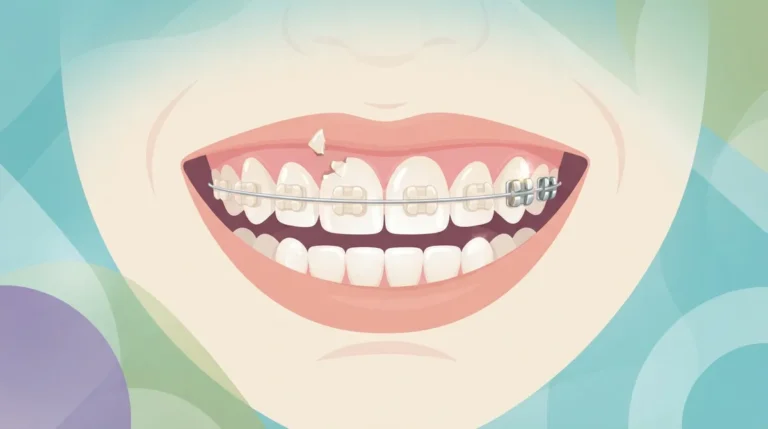
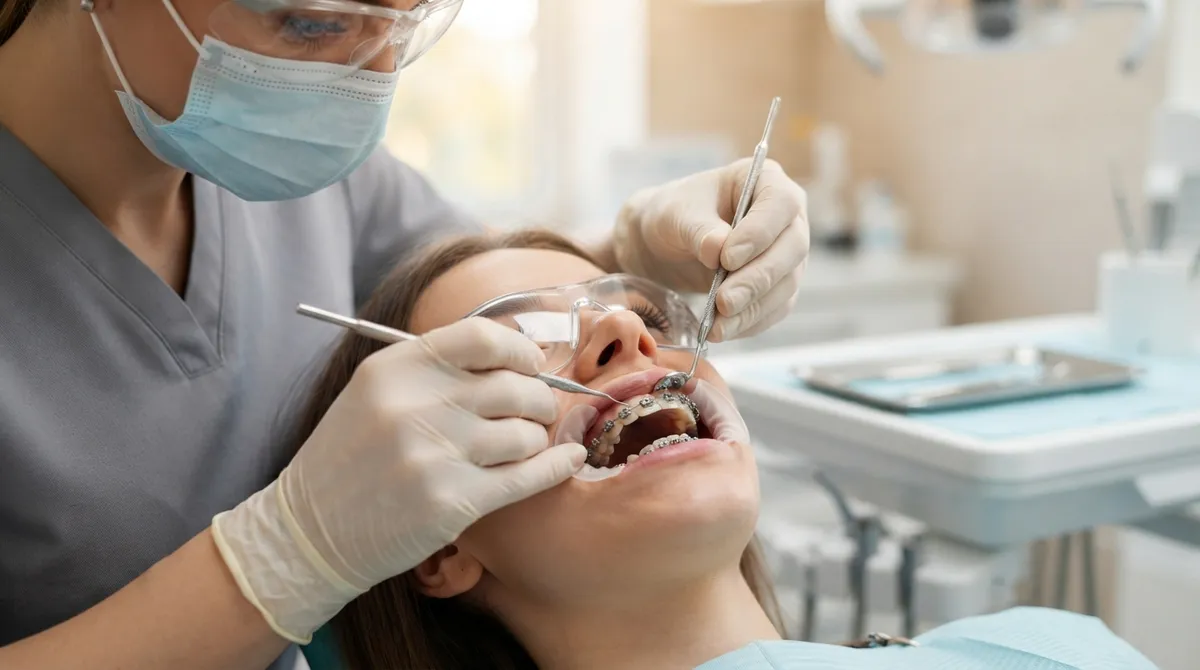
Think of braces like a GPS for your teeth. Brackets and wires apply gentle, controlled pressure that slowly moves teeth into better positions. According to the American Association of Orthodontists (AAO), braces can address crowding, crooked teeth, and bite problems.
“Precision” comes from how well the plan is made and carried out. A few things make a real difference:
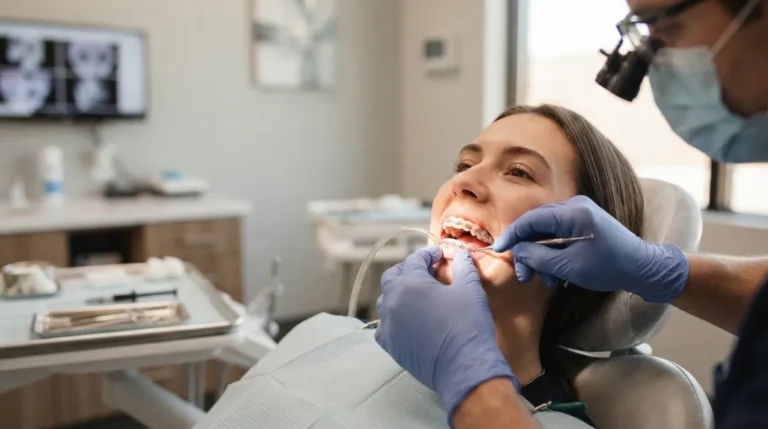
- A careful exam: Photos, X-rays, or digital scans show how your teeth and jaws fit together.
- A custom plan: Your goals, your bite, and your lifestyle shape the steps.
- Skilled adjustments: Regular visits keep teeth moving the right way.
- Good habits at home: Brushing, flossing, and wearing elastics as directed.
Some practices also use digital tools to design treatment. At Segovia Orthodontics, for example, advanced orthodontic technology helps plan each smile with care. The tools matter, but the person guiding them matters even more.
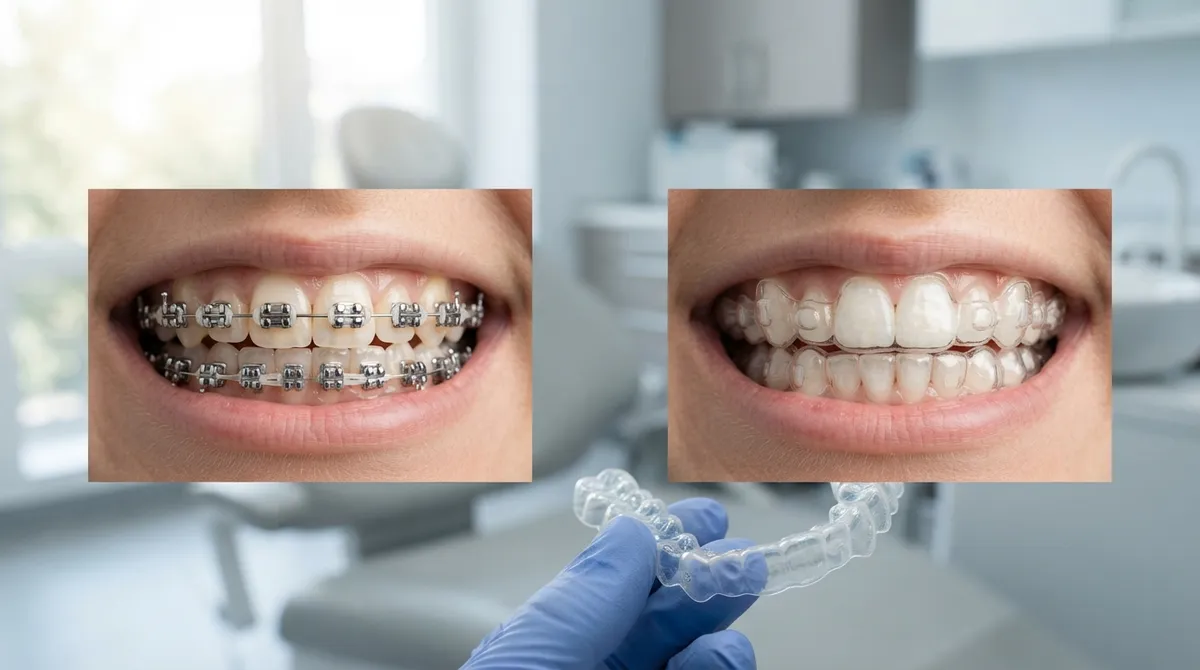
Braces vs. Clear Aligners: A Side-by-Side Look
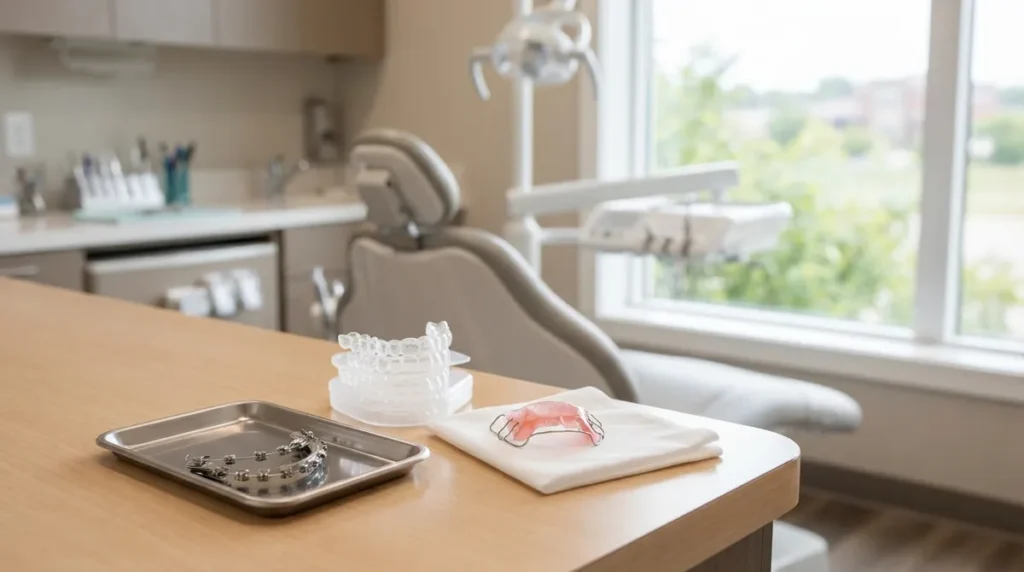
The two big options for most people are traditional braces and clear aligners. Neither is “better” for everyone. The best choice depends on your bite, your goals, and what your orthodontist finds during your exam. The AAO and the American Dental Association both stress this point: treatment should match the diagnosis, not just a preference for looks.
| Feature | Braces (Metal or Ceramic) | Clear Aligners |
|---|---|---|
| How they work | Brackets and wires fixed to teeth | Removable clear trays worn most of the day |
| Visibility | Noticeable (ceramic is less obvious) | Very discreet |
| Best for | Complex bites, crowding, rotations | Mild to moderate alignment needs |
| Eating | Some foods must be avoided | Remove trays to eat |
| Compliance | Always working, no extra effort | Needs consistent daily wear |
| Cleaning | Brush and floss around hardware | Brush as usual and clean trays |
Most people wear braces for about 12 to 24 months, according to the AAO. The ADA describes typical treatment as lasting roughly 1 to 3 years, followed by retainer wear. Your own timeline depends on your case.
The Case for Traditional and Specialty Braces
Braces have been around a long time for good reason. They work hard, they work all day, and you cannot forget to put them in. For tricky bites, they are often the strongest tool in the box.
Many families love how reliable braces are. If you want to dive deeper, our guide on why traditional metal braces are still a top choice is a helpful read.
Braces Can Be Fun, Too
Braces do not have to feel boring. Some kids and teens enjoy picking fun bracket shapes and colors. Options like WildSmiles braces let younger patients show off their personality, which can make them more excited to brush and stay on track.
Digital, Custom-Fit Braces
Other systems lean on digital design. LightForce orthodontics uses 3D-printed brackets made to fit each tooth, which can support a more precise plan and a more comfortable fit. It is a good example of how “precision” can show up in real care.
The Case for Clear Aligners
If you are a young professional or someone with a busy career, clear aligners can feel like a breath of fresh air. They are discreet, removable, and fit nicely into a polished work life. Clear aligners are made from a series of custom trays, and each one nudges your teeth a little closer to the goal.
Here is what many adults appreciate:
- Discreet look: Great for meetings, photos, and big presentations.
- Easy eating: Take them out for meals, then brush and put them back.
- Simple cleaning: No brackets to scrub around.
- Fewer food rules: You can enjoy your favorite foods.
The trade-off is simple. Aligners only work if you wear them. Skipping hours can slow your progress. To learn more, explore clear aligners or see our comparison of braces vs. clear aligners.
How to Decide: A Simple 5-Step Process
Feeling stuck? Here is an easy way to work through the choice.
- Get a proper evaluation. Your orthodontist will study your teeth, bite, and jaw. This is the foundation for every good plan.
- Name your top goals. Do you want speed, discretion, low maintenance, or all three?
- Be honest about habits. Can you wear aligners most of the day? If not, braces may suit you better.
- Ask about timing and cost. Request an estimated timeline, visit schedule, fees, and payment options.
- Compare your options in writing. A clear plan makes the final choice much easier.
Not sure what to expect at that first visit? Our guide to a full orthodontic evaluation breaks it down in plain language.
Which Option Fits Which Person?
Every smile story is different. Here are a few common situations and how people often think them through.
Concerned Moms with Kids and Teens
If you are a parent, you likely want quality care that fits a busy family calendar. The AAO recommends a first orthodontic check-up by age 7. That does not mean your child needs braces then. It simply gives an expert a chance to spot developing concerns early. Learn more about early orthodontic treatment and teen orthodontic treatment. Teens often do well with braces because they work around the clock, even on the days homework and sports take over.
Young Adults and Career-Focused Professionals
If looks and efficiency matter to you, aligners or discreet braces may be your best friends. Many adults want results that do not interrupt work life. Our overview of adult orthodontics explains the options clearly.
Life Event Planners
Got a wedding, graduation, or big milestone on the calendar? Start by asking how long your case will likely take. Then plan backward from the date. Your orthodontist can tell you what is realistic, so there are no surprises.
Adult Relapse Patients
Teeth can drift after treatment, especially if retainers were skipped. The good news is that relapse is often fixable. Adults returning for a second round tend to be dedicated and motivated, which is a great head start. A retainer plan after treatment is key, so read about orthodontic retainers to protect your results this time.
How to Choose the Right Orthodontist in Bradenton
When you search for care in Bradenton, the provider matters as much as the product. Here is what to check.
- Specialist training: Orthodontists complete dental school, then extra specialty training. The AAO advises verifying these credentials.
- Board certification: You can look up certified specialists through the American Board of Orthodontics. See why a board certified orthodontist may be worth seeking out.
- Clear communication: Good teams explain your plan, your timeline, and your costs without rushing.
- Flexible scheduling: Busy families and professionals need appointment times that work.
- Language support: Care in your preferred language can make everything feel easier.
Before you commit, confirm the practice’s name, address, and current contact details through its official channels. For more tips, see how to choose the right orthodontist in Bradenton.
Life With Braces: Care Tips That Keep You on Track
No matter which path you pick, good habits protect your progress. The AAO suggests the following basics for people in treatment:
- Brush carefully after meals and floss every day.
- Avoid foods that can bend wires or pop off brackets.
- Wear elastics exactly as directed.
- Keep every scheduled appointment.
- Keep up with regular dental checkups.
Need a refresher on food choices? Here are 13 foods to avoid with braces. And if a wire pokes or a bracket pops loose, do not panic. Our page on orthodontic emergencies shows what to do next.
What About Cost and Payment Plans?
Cost is a big question for nearly every family. Fees depend on the type of treatment, how complex your case is, and how long it takes. Many practices offer payment plans, and some accept insurance. Ask about both during your consultation.
Planning ahead helps you avoid stress. Take a look at these tips on making orthodontic financing work or read about orthodontic financing to see what flexible options can look like.
Why Local, Personal Care Makes a Difference
Orthodontic treatment is a relationship. You will see your team often over many months, so a warm, supportive office makes the journey far more pleasant. Segovia Orthodontics at Lakewood Ranch serves patients of all ages with braces and clear aligners, led by Dr. Flor Segovia, a board-certified orthodontist who offers bilingual care in English and Spanish. The practice is just a short drive from Bradenton and focuses on a comfortable, family-friendly experience.
You can peek at the team’s work and community on our Instagram page or our Facebook page. And if you like to read what real patients say, you can visit us on Google — Segovia Orthodontics to see reviews of our Lakewood Ranch location.
Healthy smiles also benefit from a healthy yard to enjoy them in! While you are planning your smile project, a tidy outdoor space helps too. Services like All Trusted Lawn Care can keep things looking sharp so you have more time for your appointments and your family.
The Bottom Line: Braces or Aligners?
Here is the quick takeaway. Choose braces if you have a more complex bite, want treatment that works nonstop, or prefer not to manage removable trays. Choose clear aligners if your case is mild to moderate, you want a discreet look, and you can wear them consistently. In either case, “precision” comes from a thoughtful plan and a skilled orthodontist, not from a brand name alone.
The best next step is simple: get an exam and a personalized recommendation. Then you can move forward feeling sure, not stressed. When you are ready, request an appointment with our team, call us at 941-557-1333, or contact us with your questions. Your best smile is closer than you think, and we would love to help you get there in 2026.
FAQs
Q: Where can I get braces in Bradenton, Florida?
A: You have several orthodontic options in and around Bradenton, including Segovia Orthodontics at Lakewood Ranch, a short drive away. Look for a specialist orthodontist, check their credentials, and book a consultation to compare treatment options before you decide.
Q: How long does treatment with braces usually take?
A: Most people wear braces for about 12 to 24 months, according to the AAO, and the ADA describes a range of about 1 to 3 years. Your timeline depends on your bite, your goals, and how well you follow your plan, so your orthodontist can give you a personal estimate.
Q: Should I choose metal braces, ceramic braces, or clear aligners?
A: It depends on your bite and your lifestyle. Braces often handle complex cases well, ceramic options blend in more, and clear aligners offer a discreet, removable choice for many mild to moderate cases. An orthodontic exam is the best way to find your match.
Q: At what age should a child have an orthodontic evaluation?
A: The AAO recommends a first check-up by age 7. This visit simply looks for developing concerns, and it does not mean your child needs braces right away. Early insight can help families plan with confidence.
Q: What should I expect at my first orthodontic consultation?
A: Expect a friendly exam that may include photos, X-rays, or digital scans of your teeth and bite. You can then ask about recommended options, estimated timelines, appointment frequency, fees, insurance, and payment plans, so you leave with a clear picture of your next steps.
Our Service Area