Key Takeaways
-
Retainers hold teeth in their new positions after braces or aligners; without one, teeth can slowly drift back toward their old spots, a process called relapse.
-
Evidence comparing fixed and removable retainers is low certainty, so the best option is the one that fits your lifestyle and that you will actually wear consistently.
-
Wear schedules are individualized: many patients start with frequent or full-time wear and then move to nighttime wear, but always follow your own orthodontist's instructions.
-
If a retainer is lost or broken, call your orthodontist right away because teeth can start shifting within days or weeks; do not try to bend or glue it yourself.
-
If a retainer feels tight when you insert it, your teeth may have started to move, so wear it more often and contact your orthodontist.
-
Ask for a clear cost quote before starting, including whether the first retainer is included, replacement costs, insurance coverage, and whether fixed retainer checkups are covered.
You finally finished your braces or clear aligners. Your smile looks amazing, and you want it to stay that way. That is where retainers come in. If you have been searching for retainers university park, you are probably wondering what types exist, how long you need to wear them, and what to do when something goes wrong.
Here is the good news: retainers are simple once you understand them. They are small, custom-made appliances that help keep your teeth in their new spots after treatment. Think of them as the “seat belt” for your smile.
Whether you are a parent helping a teen through the post-braces stage, a busy professional protecting your investment, or an adult dealing with shifting teeth after years, this guide is for you. We will walk through the main retainer types, wear schedules, cleaning tips, repair steps, and cost questions. We will also share what the research says, so you can ask smart questions at your next visit. Let’s get started!
What Exactly Is a Retainer, and Why Does It Matter?
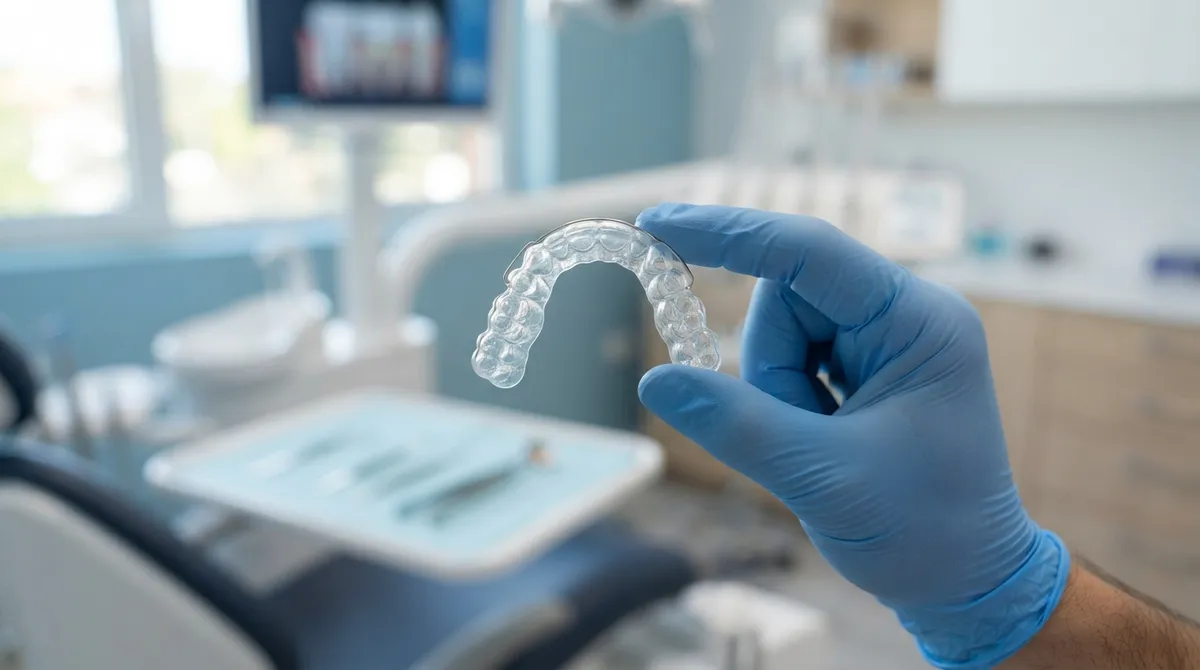
A retainer is a custom appliance made to fit your teeth. It holds them in place after braces or clear aligners finish moving them. Without one, teeth can slowly drift back toward their old positions. This is often called relapse.
Teeth are held in the jaw by soft tissues and fibers. After treatment, those tissues need time to settle. A retainer gives them that time and support. Retention is an ongoing part of orthodontic care, not an afterthought.
It is also worth being honest here. No retainer guarantees perfect alignment forever. Your teeth, habits, and age all play a role. A good retainer plan, followed closely, gives you the best chance of keeping your results.
What Types of Retainers Are Available?
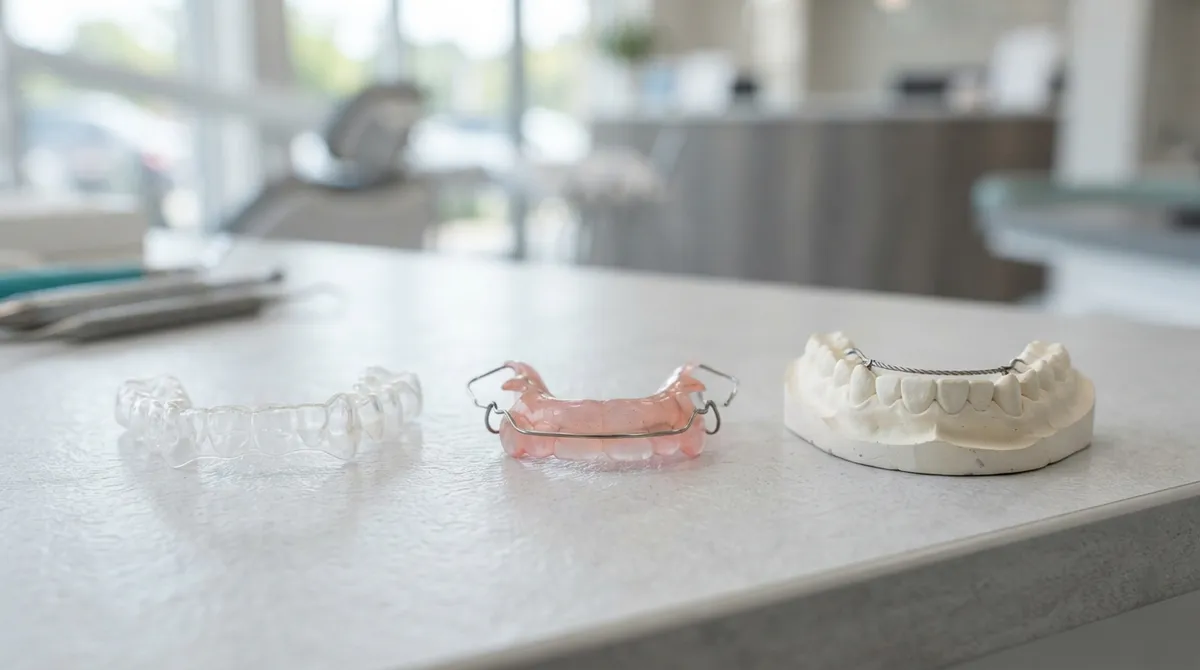
Most patients choose between three common styles. The right one depends on your teeth, your treatment, your oral health, and how well you can follow wear instructions. Your orthodontist will help you decide.
| Retainer Type | How It Works | Pros | Things to Consider |
|---|---|---|---|
| Clear removable (Essix-style) | Thin, clear plastic tray that fits over your teeth | Nearly invisible, easy to wear | Can crack or warp; needs careful cleaning |
| Wire-and-acrylic removable (Hawley-style) | Metal wire across the front teeth with an acrylic base | Durable and adjustable | More visible; may feel bulky at first |
| Bonded fixed retainer | Thin wire glued to the back of the front teeth | Always working; no daily decision | Needs regular checks; flossing takes extra effort |
Want a deeper dive? Our guide on Hawley retainer facts breaks down that style, and our post on clear retainers covers the other popular choice. You can also explore the full overview of orthodontic retainers on our site.
Are Fixed Retainers Better Than Removable Ones?
This is one of the most common questions, and the honest answer is: it depends. No single option has been proven best for everyone. A Cochrane review looked at 47 studies involving 4,377 adults and children. It found that the evidence comparing retainer methods was low to very low certainty.
Some smaller studies give us helpful hints, though. A 2024 study of 150 patients measured teeth shifting over six months. It found average front-teeth relapse of 1.0 mm with Hawley retainers, 0.8 mm with Essix retainers, and 0.2 mm with permanent retainers. Another 2024 study of 175 patients found relapse in 13.3% of fixed cases, 25.0% of removable cases, and 12.5% of combination cases. That difference was not statistically significant.
What does this mean for you? Fixed retainers may offer steady support, but they also have their own risks, like wire detachment. Removable retainers give you easier cleaning but rely on you to wear them. The best retainer is the one that fits your life and that you will actually use.
Who Often Prefers Each Style?
- Busy professionals: Many like clear removable retainers because they are discreet and simple to wear at night.
- Teens and active kids: Parents sometimes choose fixed retainers so there is nothing to lose in a lunch tray or gym bag.
- Adults with past relapse: Some orthodontists suggest a combination, such as a fixed wire plus a removable backup.
How Long Do You Need to Wear Your Retainer?
Wear schedules are individualized. There is no one-size-fits-all rule. Many orthodontists ask patients to wear removable retainers frequently or full-time at first. After that, patients often move to nighttime wear.
The most important rule is simple: follow your own orthodontist’s instructions. A schedule that works for your neighbor may not be right for you. If you are unsure, ask at your next visit.
Here is a friendly way to think about it:
- Early stage: Wear your retainer as often as directed while your teeth settle.
- Middle stage: Many patients shift to nighttime wear only.
- Long term: Keep up some form of retention to protect your results for years to come.
Skipping nights here and there can add up. If your retainer feels tight when you put it in, that is a sign your teeth may have started to move. Wear it more often and call your orthodontist if it does not feel right.
How Do You Clean and Care for Your Retainer?
A clean retainer is a happy retainer. It also helps protect your breath and your gums. Here are the basics for removable styles.
- Rinse it every time you take it out.
- Brush it gently with a soft toothbrush and mild soap or a cleaner your orthodontist recommends.
- Avoid hot water. Heat can bend or warp plastic retainers.
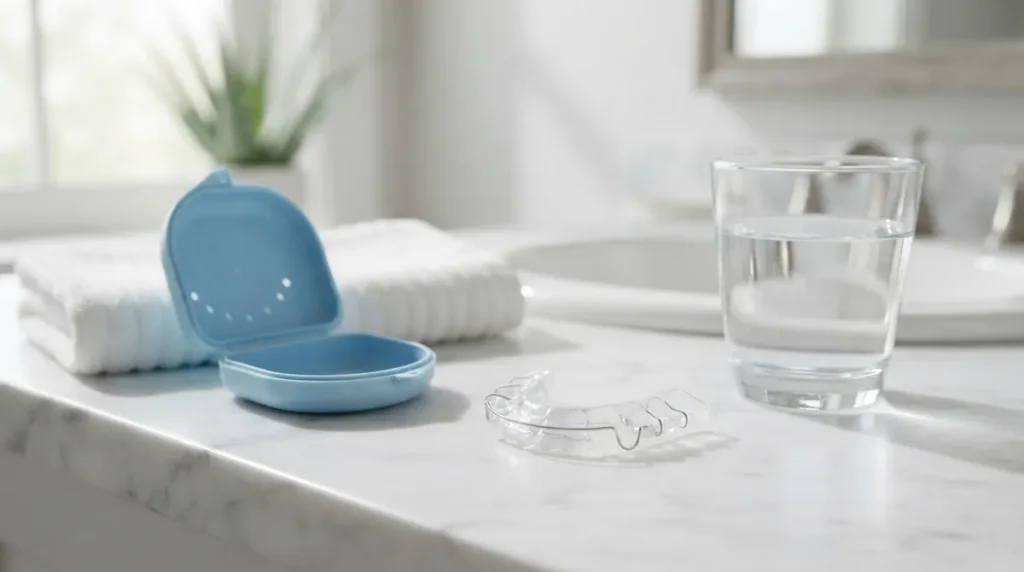
- Use the case. When it is not in your mouth, it belongs in its case, not wrapped in a napkin.
- Keep it away from pets. Dogs love to chew retainers!
Fixed retainers need a different kind of care. Plaque can build up around the bonded wire, so daily brushing and careful flossing matter. Floss threaders or small interdental brushes can help. Ask your orthodontist to show you the best method.
For more ideas, read our tips on retainer care and avoid the common retainer mistakes that can undo your hard work.
What If Your Retainer Is Lost, Broken, or No Longer Fits?
It happens to almost everyone at some point. Retainers get left at restaurants, sat on, chewed, or simply outgrown. Do not panic, but do not wait too long either. Teeth can start moving within days or weeks.
If a removable retainer is lost or broken
- Call your orthodontist as soon as you notice.
- Do not try to bend or glue it yourself.
- Ask whether you need a new impression or digital scan.
- Keep wearing any backup retainer you may have.
If a fixed retainer comes loose
A loose or broken bonded wire should be checked quickly. Teeth may shift, and a sharp wire end can irritate your tongue or cheek. A 2021 systematic review reported fixed-retainer failure rates ranging from 7.3% to 50%, often within the first 3 to 6 months. That wide range reflects differences between studies, so please do not treat it as your personal risk. It simply shows why regular checks matter.
If you are in urgent discomfort, our page on orthodontic emergencies explains what to do. You can also read our guide on lost retainer replacement for step-by-step help.
What Does a Retainer Cost?
Many people searching for retainers university park want to know the price. Costs vary by retainer type, the practice, whether it is a first set or a replacement, and whether insurance helps. Fixed retainers and specialty designs may be priced differently than basic clear trays.
Because there is no single standard price, the smartest move is to ask for a clear quote before you start. Here are good questions to bring:
- Is my first retainer included in my treatment fee?
- What does a replacement cost if I lose or break one?
- Does my insurance cover any part of retention?
- Are checkups for a fixed retainer included?
To learn more, see our posts on removable retainer costs and retainers with and without insurance. If budgeting is a worry, our orthodontic financing page shares flexible options.
Where Can You Get a Retainer in University Park?
In University Park, Texas, some local dental practices advertise custom retainers, including clear removable and fixed options for children and adults. Services, clinicians, and appointment openings can change, so it is smart to confirm details directly with the office before you book.
When you compare practices, think about what matters to your family:
- Experience: Does the provider focus on orthodontics? You can check board status through the American Board of Orthodontics.
- Options: Do they offer both removable and fixed retainers?
- Convenience: Are appointment times flexible for school and work?
- Support: Will they help if you lose or break a retainer?
If you are closer to Southwest Florida, our team at Segovia Orthodontics in Lakewood Ranch is happy to help. Dr. Flor Segovia is a board certified orthodontist who offers bilingual care and a warm, family-friendly office. See what patients say when you visit us on Google — Segovia Orthodontics.
Can You Get a Replacement Without Going Back to Your Original Orthodontist?
Often, yes. Many orthodontic practices will make a new retainer for a patient who finished treatment somewhere else. They usually need to examine your teeth first, take a scan or impression, and make sure the fit is right.
This is especially helpful for adults who finished braces years ago and notice slight shifting. If that sounds like you, our adult orthodontics page explains how we help relapse patients. In some cases, a new retainer is enough. In others, a short round of treatment may be the better path. Only an exam can tell you for sure.
Tips for Different Life Stages
Retainers fit differently into different lives. Here are a few ideas to make them easier.
- For parents: Pick a bright case your child will notice, and add a quick “retainer check” to the bedtime routine. Our teen orthodontic treatment page has more family tips.
- For busy professionals: Keep a spare case in your bag and set a phone reminder for nighttime wear.
- Before a big event: If a wedding or graduation is coming up, tell your orthodontist so your retainer plan supports your timeline.
- For adults with relapse: Be patient. Slight shifting is common, and many people see good results with the right plan.
Ready to Protect Your Smile?
Retainers may be small, but they do big work. They protect the time, effort, and money you put into your smile. The best plan is one that fits your teeth, matches your lifestyle, and is followed consistently. Ask questions, keep your checkups, and never hesitate to reach out if something feels off.
If you need a new retainer, a replacement, or just a quick check, we would love to meet you. Request an appointment with Segovia Orthodontics today, or call us at 941-557-1333. You can also follow our daily smile stories on our Instagram page and say hello on our Facebook page. Your smile deserves lasting care!
FAQs
Q: Where can I get an orthodontic retainer in University Park, TX?
A: Some local dental practices in University Park advertise custom retainers, including clear removable and fixed styles. Since services and openings can change, it is best to call the office first and confirm what they offer. Not in the area? Our team at Segovia Orthodontics in Lakewood Ranch would love to help.
Q: How long do I need to wear my retainer?
A: It really depends on you. Many orthodontists start with frequent or full-time wear, then move to nighttime wear. Always follow your own orthodontist’s schedule, since your teeth and treatment are unique.
Q: What should I do if my retainer is lost, broken, or no longer fits?
A: Call your orthodontist right away, because teeth can start shifting quickly. Please do not try to bend or glue it yourself. Your orthodontist can check your teeth and make a new, properly fitted retainer.
Q: How do I clean a clear or fixed retainer?
A: For clear retainers, rinse after each use and brush gently with a soft toothbrush and mild soap, but skip the hot water since it can warp the plastic. For fixed retainers, brush carefully and use floss threaders or small brushes around the wire. Your orthodontist can show you the best method for your smile.
Q: Can I get a replacement retainer without returning to my original orthodontist?
A: Often you can! Many orthodontic offices will examine your teeth and make a new retainer even if you finished treatment elsewhere. They will usually take a new scan or impression to make sure the fit is just right.
Our Service Area