Key Takeaways
-
Clear aligners work best for mild-to-moderate crowding or spacing and require 20-22 hours daily wear; consistency is critical because poor wear time slows progress and can cause trays to stop fitting properly.
-
Professional orthodontist supervision is essential because in-person exams catch gum disease, hidden decay, and root issues that mail-order aligners miss, preventing unwanted tooth or bite changes.
-
Clear aligners struggle with complex tooth movements like rotations, intrusion/extrusion, and significant bite correction; research shows braces offer stronger control for these cases.
-
Aligners offer major lifestyle benefits including discretion, removability for meals, simplified brushing/flossing, and digital treatment previews, making them ideal for professionals and busy teens.
-
For mild tooth relapse after previous braces or non-extraction cases, aligners perform comparably to braces according to 2025 research; however, you may need refinement trays if teeth don't track as planned.
-
Ask your orthodontist seven key questions before starting, including candidacy assessment, which movements may be tricky, frequency of progress checks, timeline, and retention plans to ensure realistic expectations.
You have probably seen them everywhere: friends, coworkers, and even the parent next to you at soccer practice, all wearing nearly invisible trays and smiling confidently. So it is natural to wonder, should I choose clear aligners for my own smile? It is a great question, and the honest answer is: it depends on your teeth, your bite, and your lifestyle.
Clear aligners can be a wonderful choice for many people in 2026. They are removable, discreet, and often easier to live with than fixed braces. But they are not the right tool for every smile. The good news is that you do not have to guess. This friendly guide walks you through who tends to do well with aligners, where they can fall short, and what to ask before you commit. Whether you are a parent weighing options for your teen, a professional who wants a discreet fix, or an adult whose teeth have shifted since your braces came off, you will find clear, practical answers here.
What Are Clear Aligners, Exactly?
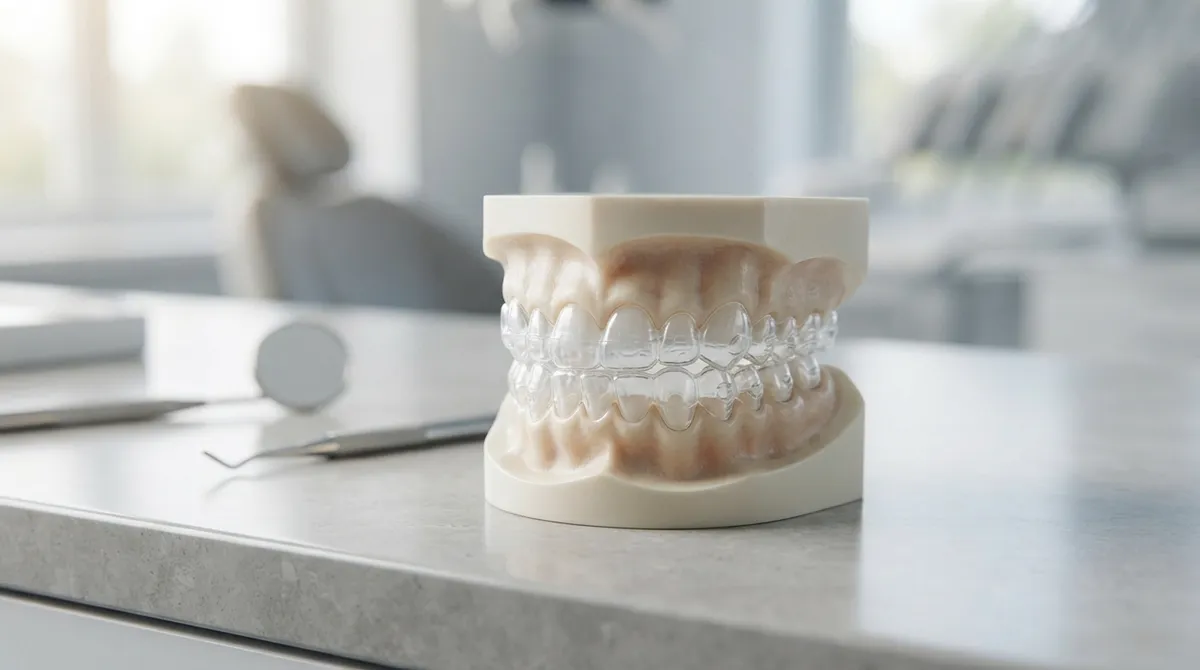
Clear aligners are custom-made, removable orthodontic trays. Each tray is shaped to nudge your teeth a tiny bit at a time. You switch to a new set every week or two, and your teeth gradually move toward the plan your orthodontist created.
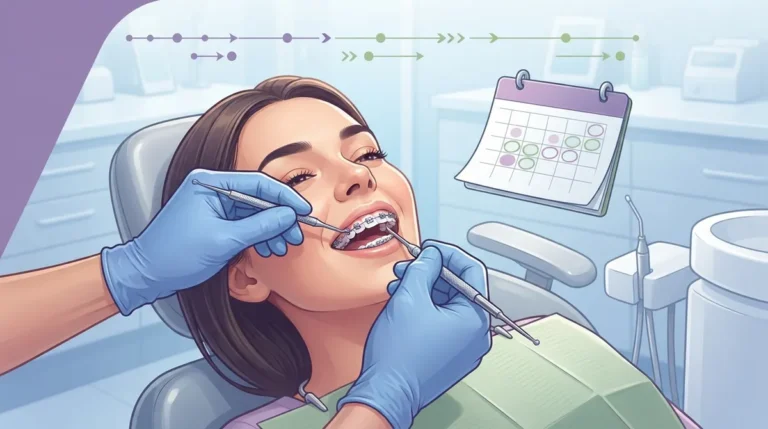
The key phrase here is your orthodontist created. A licensed dentist or orthodontist should examine you in person, review your X-rays and gum health, and prescribe and monitor your treatment. That hands-on care matters, because problems under the surface can be missed when no one is checking your mouth in person.
At Segovia Orthodontics, Dr. Flor Segovia offers both traditional braces and clear aligners, including Angel Aligners, so recommendations are based on what your smile truly needs rather than a one-size-fits-all approach.

Who Is a Good Candidate for Clear Aligners?
Aligners tend to work best when your goals match what the trays can do well. Research supports this. A 2023 scoping review of 33 studies found clear aligners effective for mild-to-moderate crowding, while also noting some limits in how predictable certain movements are.
You may be a strong candidate if you:
- Have mild-to-moderate crowding or spacing between teeth
- Are dealing with some relapse after earlier braces
- Want a less visible option for work, school, or social events
- Can reliably wear your trays most of the day
- Have healthy gums and no major untreated cavities
Suitability is not about looks alone. Your bite, the position of your tooth roots, and your gum and bone health all play a role. That is why an in-person exam is the real first step. If you are curious about how this fits adults specifically, our page on adult orthodontics is a helpful place to start.
The Biggest Benefits of Choosing Clear Aligners
Let us talk about why so many people fall in love with aligners. Here are the perks patients mention most often:
- They are discreet. The trays are clear, so most people will not notice them. That is a big plus for client meetings, weddings, and graduation photos.
- They come out for meals. You remove them to eat, so there are fewer food rules than with fixed braces.
- Brushing and flossing stay simple. With no wires or brackets in the way, cleaning your teeth feels familiar.
- They can be gentler on cheeks and gums. Smooth trays often mean fewer sore spots than brackets and wires.
- Digital planning gives you a preview. You can see a simulation of the planned movement before you begin.
That last one deserves a gentle note: a digital simulation is a plan, not a promise. Teeth do not always move exactly as drawn, which is why follow-up visits are so important.
Where Clear Aligners Can Fall Short
We believe in being upfront, because the right choice is the one that works. Some tooth movements are simply harder to achieve with trays. Reviews of the research point to a few trouble spots:
- Rotations of rounded teeth, like canines
- Extrusion and intrusion, which means moving teeth up or down
- Root control, or precisely tipping the roots of teeth
- Complex bite correction, such as significant overbites or underbites
A 2023 review found that the most predictable movement was simple tipping of teeth, while rotation, intrusion, and extrusion were among the least predictable. A review of extraction-based cases also found limits in root control and bite contacts with aligners compared with fixed braces, although many of those studies were retrospective, so the evidence has limits too.
This does not mean aligners cannot help with tougher cases. It means your orthodontist might add small bumps called attachments, use elastics, plan a refinement round, or recommend braces instead. If your bite needs a lot of work, you can read more in our guide on underbite correction options.
Clear Aligners vs. Braces: How Do They Compare?
Here is a quick side-by-side look to help you picture the differences.
| Factor | Clear Aligners | Traditional Braces |
|---|---|---|
| Appearance | Nearly invisible | Visible brackets and wires |
| Removable | Yes, for meals and brushing | No, fixed in place |
| Best for | Mild-to-moderate alignment issues | Mild through complex cases |
| Patient responsibility | High: must wear trays consistently | Lower: always working |
| Food restrictions | Few, since trays come out | Several sticky and hard foods |
| Control of complex moves | Good, with limits | Often stronger |
Interestingly, a 2025 systematic review and meta-analysis of 15 trials and 1,084 patients found no significant overall difference in treatment quality or duration between clear aligners and fixed appliances for non-extraction cases. The researchers did note that the evidence was limited by differences between studies and short follow-up. In plain English: for the right case, aligners can perform very well, but the research is still growing.
Want a deeper look? Our article Braces vs. Clear Aligners: Which Is Right for You? breaks it down even further.
The Truth About Wearing Your Aligners
Here is the part that makes or breaks aligner treatment: consistency. Most plans call for wearing your trays about 20 to 22 hours a day, taking them out only for eating, drinking anything other than water, and cleaning. Your exact instructions may vary based on your treatment plan.
That sounds like a lot, but most people build a rhythm quickly. Still, it is worth asking yourself honestly:
- Will I remember to put my trays back in after every meal?
- Am I okay carrying a case and a travel toothbrush?
- Can I avoid losing or misplacing them?
- Will I keep up with my regular check-ins?
If you answered yes, you are likely to thrive. If you tend to forget, braces might take that worry off your plate, since they work around the clock. Poor wear time can slow your progress, cause trays to stop fitting well, and lead to extra trays or a revised plan. If you want to avoid common slip-ups, take a peek at 7 Clear Aligner Mistakes That Can Ruin Your Smile Results.
Which Type of Patient Are You?
Parents Thinking About Their Teen
Teens can do beautifully with aligners, but responsibility is the big question. If your child is organized and motivated, aligners can fit right into a busy school, sports, and band schedule. If trays tend to end up wrapped in a lunch napkin, braces may be the safer path. Our guide on teen orthodontic treatment can help you weigh the choices together.
Busy Professionals and Young Adults
If you spend your days in meetings, on calls, or in front of clients, a discreet option is appealing. Aligners let you keep your look polished while you work toward a straighter smile. Plan ahead for your lunch breaks and keep a case handy.
Planning Around a Big Event
Got a wedding, graduation, or milestone coming up? Be realistic about timing. Treatment length depends on your case, and a plan that fits your calendar should be discussed at your very first visit. Your orthodontist can tell you what is realistic and whether refinements might be needed.
Adults Whose Teeth Shifted After Braces
Relapse is very common, especially if retainers were not worn as directed. Many adults with mild shifting are great aligner candidates, and they tend to be wonderfully dedicated patients. If this sounds like you, a quick evaluation can show whether a short round of aligners could bring your smile back into line.
Are Clear Aligners Safe? What About Risks?
When prescribed and monitored by a professional, aligners are a well-established way to straighten teeth. Like any orthodontic treatment, they come with a few things to know:
- Temporary soreness when you switch to a new tray
- Possible gum irritation
- A risk of cavities or white spots if you skip good hygiene
- Possible unwanted tooth or bite changes if treatment is not well managed
- The chance of losing or damaging removable trays
Your orthodontist should check your oral health first and explain your individual risks before you begin. This is one big reason professional supervision matters more than a flashy price tag.
Should You Pick Office-Supervised Aligners Over Mail-Order Ones?
This one comes up a lot. Remote or unsupervised treatment can miss problems that need a hands-on exam, like gum disease, hidden decay, or root issues. With in-office care, your orthodontist can check how your teeth are tracking, make adjustments, and switch gears if something is not going as planned. If you want to understand the cost side of that choice, our guide on how much clear aligners really cost in 2026 walks through what to expect.
7 Questions to Ask Before You Decide
Bring this list to your consultation. It keeps the conversation focused and helps you feel confident.
- Am I a good candidate for clear aligners based on my bite and gum health?
- Which of my tooth movements might be tricky with trays?
- Will I likely need attachments, elastics, or refinements?
- How will you check my progress, and how often?
- What happens if my teeth do not track as planned?
- How long will treatment likely take, and what will it cost?
- What retainer plan will keep my results in place?
Great orthodontists welcome these questions. If you want more ideas, see How to Ask the Right Orthodontic Questions at Your Visit.
Why Local, Orthodontist-Led Care Makes a Difference
Choosing aligners is not just about the trays. It is about the person guiding your treatment. At Segovia Orthodontics at Lakewood Ranch, Dr. Flor Segovia is a board-certified orthodontist who uses advanced orthodontic technology and offers bilingual care in English and Spanish. The practice welcomes children, teens, and adults in a warm, family-friendly setting.
You can also verify credentials through the American Board of Orthodontics, and see what patients say by visiting our Segovia Orthodontics location on Google. Prefer a peek at the fun side of our practice? Follow along on our Instagram page or say hello on our Facebook page.
The Bottom Line: So, Should You Choose Clear Aligners?
If you have mild-to-moderate alignment concerns, want a discreet option, and can wear your trays consistently, clear aligners may be a fantastic fit. If your bite is complex or you prefer a set-it-and-forget-it approach, braces or a combined plan could serve you better. Neither choice is wrong. The best choice is the one matched to your teeth and your life.
The easiest way to find out is to get a personalized evaluation. Ready to take the first step? Request an appointment today, or call us at 941-557-1333 and our friendly team will help you find the smile plan that fits you best.
FAQs
Q: Am I a good candidate for clear aligners?
A: You may be a great candidate if you have mild-to-moderate crowding or spacing, healthy gums, and can wear your trays about 20 to 22 hours a day. The only way to know for sure is an in-person exam with a licensed orthodontist, who will look at your bite, tooth roots, and goals.
Q: Are clear aligners as effective as braces?
A: For many mild-to-moderate, non-extraction cases, research suggests similar overall results. Braces can offer stronger control for complex bite problems, so your orthodontist will help you pick the best match for your smile.
Q: How many hours a day do I need to wear clear aligners?
A: Most treatment plans call for about 20 to 22 hours a day. You take them out for eating, drinking anything besides water, and cleaning. Your orthodontist will give you exact instructions for your plan.
Q: Will I need refinements or braces after starting aligners?
A: Sometimes, yes! Teeth do not always move exactly as the digital plan shows, so extra trays or a combined approach may be needed. Regular check-ins help your orthodontist catch and fix any bumps along the way.
Q: Should I choose orthodontist-supervised aligners instead of mail-order ones?
A: In-person care is the safer route because your orthodontist can check your gums, bite, and progress along the way. Remote treatment can miss problems that need a hands-on exam, so supervised care gives you extra peace of mind.
Our Service Area