Key Takeaways
-
Ceramic braces differ in material (polycrystalline vs. monocrystalline/sapphire alumina) and in design (conventional elastic ties vs. self-ligating clips), so ask your orthodontist which combination fits your case.
-
The archwire on ceramic braces is often still metal, so they are discreet but not completely invisible.
-
Elastic ties on conventional ceramic braces can stain from coffee, tea, or curry even though the brackets themselves resist staining.
-
Ceramic braces typically cost more than metal, with a 2026 U.S. estimate of $4,000 to $8,000 versus $3,000 to $6,000 for metal, so ask about payment plans.
-
Ceramic brackets are more brittle than metal and can chip, so avoid hard, sticky, or crunchy foods and keep regular visits.
-
Sapphire (monocrystalline) brackets are more translucent, but their stiffness and strong bonding can make removal more challenging, so choose an experienced provider.
Picture this: you want straighter teeth, but the thought of a mouth full of shiny metal makes you wince. Maybe you have a big presentation coming up, a wedding on the calendar, or you simply want a more low-key look while your smile gets a makeover. If that sounds familiar, you have probably heard about ceramic braces. But here is something many people do not realize: there is more than one way to describe the types of ceramic braces.
Some types are based on the material the brackets are made from. Others are based on how the bracket holds the wire. And then there is the look: clear, translucent, or tooth-colored. It can feel like a lot at first, but we are going to break it all down in plain, friendly language. By the end, you will know exactly what to ask at your consultation and feel ready to make a choice that fits your smile, your lifestyle, and your goals.
What Are Ceramic Braces, Really?
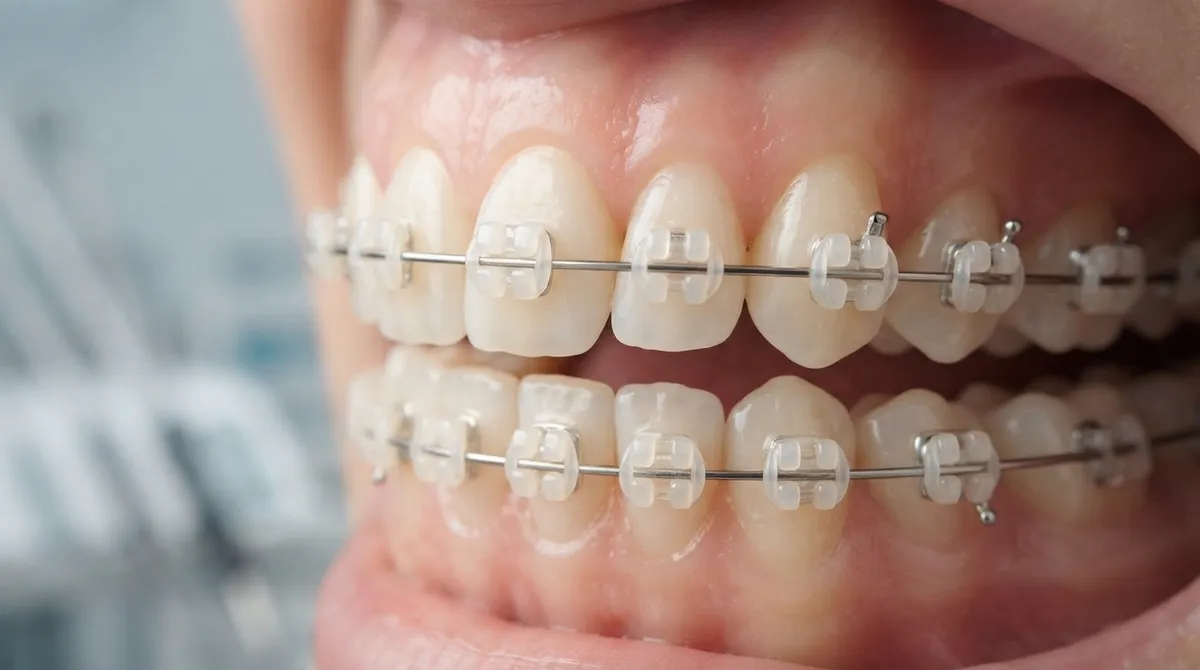
Ceramic braces are fixed braces. That means small brackets are bonded to your teeth and connected by an archwire that gently guides your teeth into place. The big difference from traditional braces is the bracket itself. Instead of metal, ceramic brackets are tooth-colored or translucent, so they blend in with your natural teeth.
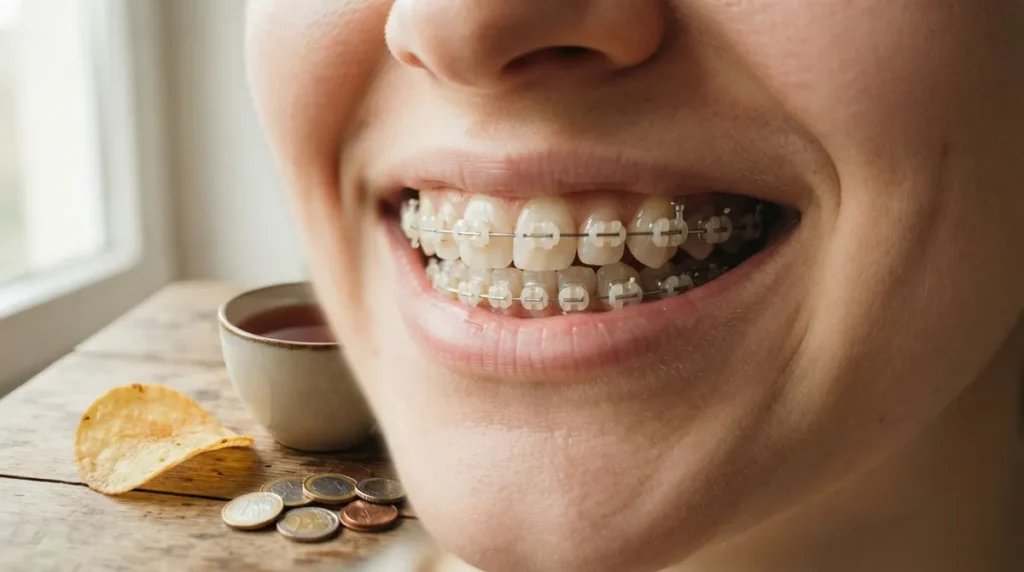
Here is a friendly reality check, though. The wire that connects the brackets is often still metal. So ceramic braces are discreet, but they are not completely invisible. Think of them as a quieter, more blended-in cousin of metal braces.
If you want a quick refresher on all the options out there, our guide to types of braces is a great place to start.
The Main Types of Ceramic Braces by Material
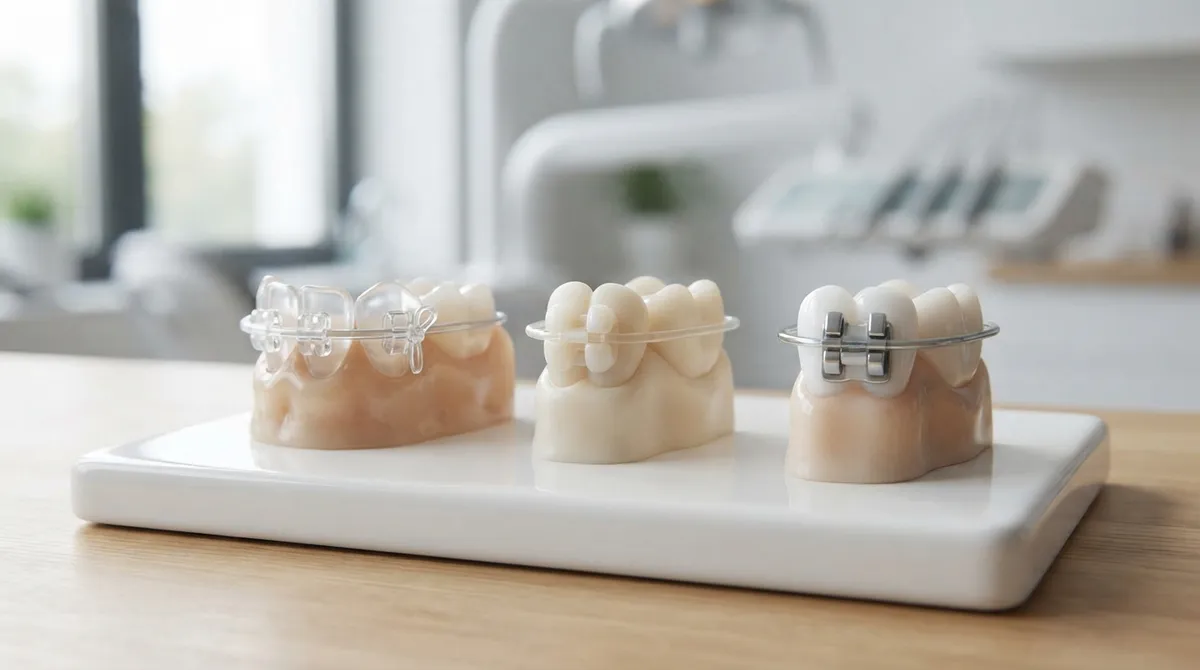
When orthodontists talk about the main types of ceramic braces, they usually start with what the brackets are made of. According to a 2023 review of orthodontic brackets, ceramic brackets are most often alumina-based and come in two main forms: polycrystalline and monocrystalline.
Polycrystalline Alumina Brackets
Polycrystalline brackets are made from many tiny alumina crystals that are fused together. They are tooth-colored and designed to resist staining. Because of how they are made, they can look a bit less see-through than the other type, which can be a plus for patients who want a soft, white blend rather than a glassy look.
Monocrystalline (Sapphire) Alumina Brackets
Monocrystalline brackets are made from a single crystal of alumina. You may hear them called sapphire brackets. They are generally more translucent, which means they can pick up the color of your natural teeth and look even less noticeable. They are also designed to be stain-resistant.
One thing to keep in mind: a 2020 laboratory study on sapphire brackets noted that strong bonding and the stiffness of the ceramic can make removal more challenging. That does not mean your braces will be a problem. It simply means your orthodontist needs to be careful and skilled when taking them off at the end of treatment.
Zirconia-Based Options
A 2025 review also discusses zirconia-based ceramic designs alongside the alumina options. Availability varies by product and by practice, so it is worth asking your orthodontist what is offered and what they recommend for your case.
Types of Ceramic Braces by How the Wire Is Held
Here is where things can get a little confusing. Ceramic brackets can also be grouped by how they hold the archwire in place. This is a design choice, not a different ceramic material. Think of it like choosing between two kinds of car doors on the same car model.
Conventional Ceramic Brackets
Conventional brackets use small elastic ties or thin wire ligatures to hold the archwire in the bracket. Many patients like these because the ties can add a little personality, and your orthodontist replaces them at visits. One tip: elastic ties can stain, even when the ceramic bracket itself resists stains. Coffee, tea, and curry are the usual suspects.
Self-Ligating Ceramic Brackets
Self-ligating brackets use a built-in clip or sliding door to hold the wire, so no elastic ties are needed. Some patients enjoy the cleaner look and the simpler design. Availability depends on the product and the practice, so ask whether it is an option for you.
Types of Ceramic Braces by Appearance
Another way to look at it is by how the brackets look on your teeth. Some ceramic brackets are clear or translucent. Others are opaque and tooth-colored. The overall look of your braces also depends on:
- Bracket appearance: clear, translucent, or opaque white
- Archwire color: metal, tooth-colored coated, or other options your orthodontist may offer
- Ligature color: clear, white, or fun colors if you are feeling playful
If you love the idea of a super discreet look, you can chat with your orthodontist about which combination gives you the most blended-in result.
Quick Comparison Table: Types of Ceramic Braces
Here is a simple side-by-side look to help you keep everything straight:
| Type | What It Means | Key Features |
|---|---|---|
| Polycrystalline alumina | Material type | Made from many fused crystals; tooth-colored; stain-resistant |
| Monocrystalline (sapphire) alumina | Material type | Single crystal; generally more translucent; stain-resistant |
| Zirconia-based | Material type | Another ceramic option; availability varies |
| Conventional brackets | Wire-holding design | Use elastic ties or wire ligatures; ties can stain |
| Self-ligating brackets | Wire-holding design | Built-in clip or sliding door; no elastic ties |
Pros and Cons of Ceramic Braces
Every treatment has trade-offs, and ceramic braces are no different. Being honest about both sides helps you choose with confidence.
The Good Stuff
- Less noticeable: Tooth-colored or translucent brackets blend in better than metal.
- Stain-resistant brackets: The ceramic itself is designed to hold its color.
- Effective for many cases: Ceramic braces can treat many alignment and bite concerns when your orthodontist determines they are a good fit.
- Great for photo-ready moments: Many patients choose them before graduations, weddings, or big career events.
The Trade-Offs
- Higher cost: Ceramic braces generally cost more than metal braces.
- More brittle: Ceramic is hard but can chip or fracture more easily than metal.
- Careful removal needed: Because of the bonding and stiffness, removal takes skill and care.
- Not right for every tooth or movement: Some complex cases may call for a different bracket choice.
If you are curious how they stack up against the classics, take a peek at our post on metal braces vs ceramic.
How Much Do Ceramic Braces Cost?
Let us talk numbers, because everyone wonders. A consumer health overview updated in 2026 gives a broad U.S. estimate of about $4,000 to $8,000 for ceramic braces, compared with roughly $3,000 to $6,000 for metal braces. Keep in mind that actual fees vary a lot based on where you live, how complex your case is, your insurance, and your provider.
The good news is that you do not have to figure it out alone. Many families and adults use payment plans to make treatment fit the budget. You can learn more in our guide to orthodontic financing.
Do Ceramic Braces Take Longer?
This is one of the most common questions we hear. The same overview estimates ceramic-brace treatment at roughly 18 to 36 months. But here is the important part: treatment time depends mostly on your individual case and treatment plan, not simply on the bracket material. Your orthodontist can give you a realistic estimate after looking at your teeth and bite.
Who Is a Good Candidate for Ceramic Braces?
Ceramic braces can be a lovely fit for many people, including teens and adults who want a more discreet look. A few groups often love them:
- Teens and tweens: Parents often like the less noticeable look for school photos and sports seasons.
- Young professionals: Ceramic brackets help you keep a polished appearance at work.
- Event planners: Getting ready for a wedding, graduation, or big milestone? Ceramic braces can help you smile confidently along the way.
- Adults returning for a second round: If your teeth shifted after earlier treatment, ceramic braces may offer a discreet way to fix it.
That said, suitability depends on your tooth position, bite forces, and your orthodontist’s treatment plan. That is why a personal evaluation matters so much. If you are an adult wondering where to begin, our page on adult orthodontics is a helpful read, and parents can explore teen orthodontic treatment too.
How to Care for Ceramic Braces
Ceramic braces need the same careful routine as any other braces. A little daily effort goes a long way. Here is a simple routine to follow:
- Brush after meals and before bed, paying close attention to the area around each bracket.
- Floss daily with a floss threader or water flosser so food and plaque do not hide under the wire.
- Limit stain-causing foods and drinks like coffee, tea, red wine, and curry, since elastic ties can discolor.
- Skip hard, sticky, or crunchy foods that could chip a bracket.
- Keep all your regular orthodontic visits so your treatment stays on track.
For more ideas, check out our essential braces care tips. And if a bracket ever breaks, do not panic. Here is what to do during an orthodontic emergency.
Ceramic Braces vs. Other Discreet Options
Ceramic braces are not the only discreet choice, and that is a good thing. You have options. Clear aligners, for example, use removable trays instead of brackets. At Segovia Orthodontics, we offer several paths to a straighter smile, including LightForce braces, WildSmiles braces, and clear aligners.
LightForce braces use custom, 3D-printed brackets in clear or white options and are designed to be a discreet choice. Angel Aligners offer removable, nearly invisible trays with a frosted finish. Not sure which is best for you? That is what your consultation is for. We will look at your bite, your goals, and your lifestyle, and help you find the right match. Curious how aligners and traditional options compare? Read our post on braces vs. clear aligners.
Why Choose Segovia Orthodontics for Your Smile Journey?
Choosing an orthodontist is a big decision, and you deserve someone who listens. Dr. Flor Segovia is a board-certified orthodontist who offers bilingual care in English and Spanish and keeps a warm, family-friendly atmosphere. You can verify orthodontic specialist credentials through the American Board of Orthodontics, and you can learn more about Dr. Flor Segovia on her page.
We love celebrating our patients’ progress, and you can follow along on our Instagram page or our Facebook page. You can also visit us on Google — Segovia Orthodontics to see what our Lakewood Ranch patients have to say.
Ready to Find Your Best-Fit Braces?
Now you know the main types of ceramic braces: polycrystalline and monocrystalline (sapphire) brackets by material, conventional and self-ligating by design, and clear or tooth-colored by look. The right mix depends on your teeth, your bite, and what matters most to you. The best way to know for sure is to sit down with an orthodontist who can look at your smile in person.
We would love to meet you. Ready to take the first step? Request an appointment with Segovia Orthodontics in Lakewood Ranch, or call us at 941-557-1333 to chat with our friendly team. Your best smile is closer than you think.
FAQs
Q: What are the different types of ceramic braces?
A: Ceramic braces can be grouped by material, like polycrystalline alumina and monocrystalline (sapphire) alumina brackets. They can also be grouped by design, such as conventional brackets with elastic ties or self-ligating brackets with a built-in clip. Your orthodontist can help you pick the right mix for your smile.
Q: What is the difference between polycrystalline and sapphire ceramic braces?
A: Polycrystalline brackets are made from many fused alumina crystals, while sapphire (monocrystalline) brackets are made from a single crystal. Sapphire brackets are generally more translucent, so they can blend in even more with your natural teeth. Both are designed to be tooth-colored and stain-resistant.
Q: Do ceramic braces stain or turn yellow?
A: The ceramic brackets themselves are designed to resist staining. The elastic ties that hold the wire, however, can discolor, especially with coffee, tea, or curry. Good brushing and keeping up with your visits helps your braces look fresh.
Q: How much do ceramic braces cost compared with metal braces?
A: A 2026 consumer health overview estimates about $4,000 to $8,000 for ceramic braces and $3,000 to $6,000 for metal braces in the U.S. Your actual cost depends on your case, location, insurance, and provider. Payment plans can help make treatment fit your budget.
Q: Are ceramic braces as effective as metal braces?
A: Ceramic braces can treat many alignment and bite problems, and your orthodontist will tell you if they suit your case. They are a bit more brittle than metal, so some complex movements may call for a different bracket. A quick evaluation will tell you which option fits best.
Our Service Area