Key Takeaways
-
There is no single best age for braces; the right timing depends on dental development, jaw growth, the type of bite problem, and the patient's readiness to care for treatment.
-
The American Association of Orthodontists recommends a first orthodontic check-up by age 7 to spot developing problems early, though most children will not need braces at that visit.
-
For many children, comprehensive braces are most common between ages 9 and 14, when most permanent teeth have come in and jaws are still growing.
-
Early (interceptive) treatment is helpful only for specific problems like crossbites, severe crowding, impacted teeth, or certain jaw-growth differences, and starting too soon can lengthen treatment.
-
Adults of any age can get braces or clear aligners as long as their teeth, gums, and supporting bone are healthy, and about 20% of U.S. orthodontic patients are adults.
If you have ever wondered, “what is the best age for braces?”, you are in good company. Parents ask us this all the time, and so do adults who always wished they had a straighter smile. Here is the friendly truth: there is no single perfect age that works for everyone. The right time depends on the bite problem, how the teeth and jaws are growing, and how ready the patient is to take care of their treatment.
Some kids are ready for braces at 10. Others do better waiting until 13. And plenty of adults in their 30s, 40s, and beyond get beautiful results too. So instead of chasing one magic number, let’s look at what really matters. In this guide, you will learn when to book a first visit, what ages are most common for braces, when early treatment helps, and how adults can start at any stage of life.
The Short Answer: There Is No One “Best” Age
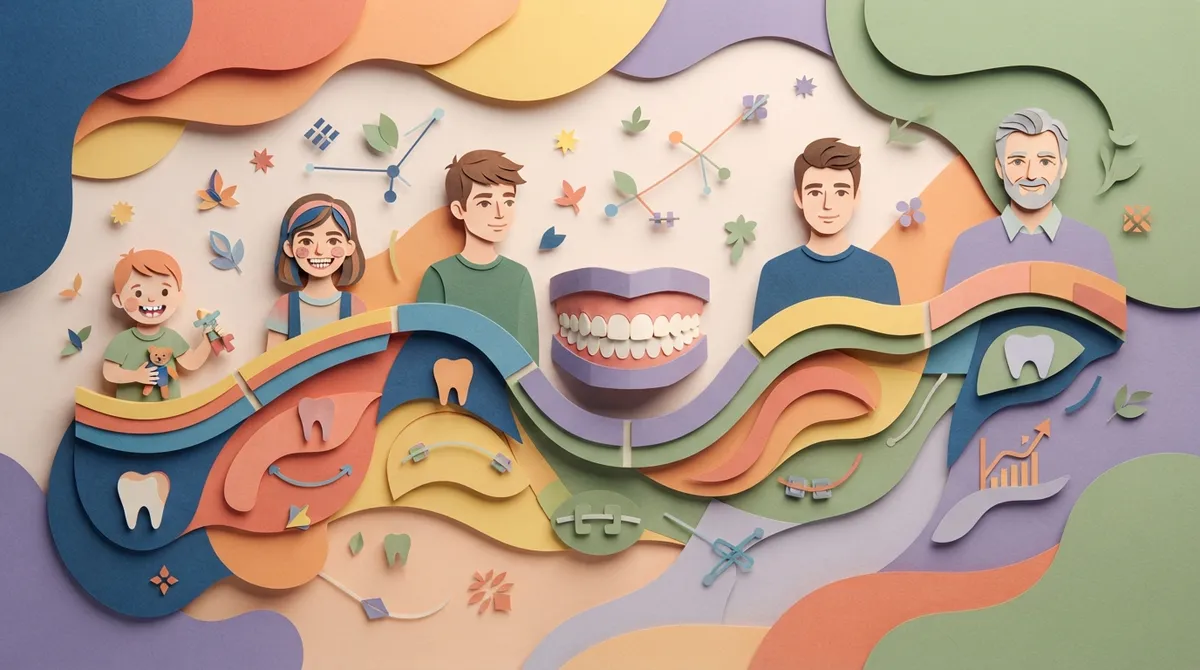
The best age for braces is the age when treatment will work best for that person’s teeth, jaws, and lifestyle. For many children, comprehensive braces are considered around ages 9 to 14, often once most permanent teeth have come in. That range is a helpful guide, not a rule.
Several things matter more than the number on a birthday cake:
- Dental development: How many permanent teeth have erupted.
- Jaw growth: Whether the upper and lower jaws are growing in balance.
- The type of problem: Crowding, gaps, overbite, underbite, or crossbite.
- Oral health: Healthy teeth and gums make treatment smoother.
- Readiness: Can the patient brush well and follow instructions?
This is why a personal evaluation beats any chart. Two kids of the same age can need very different timing.
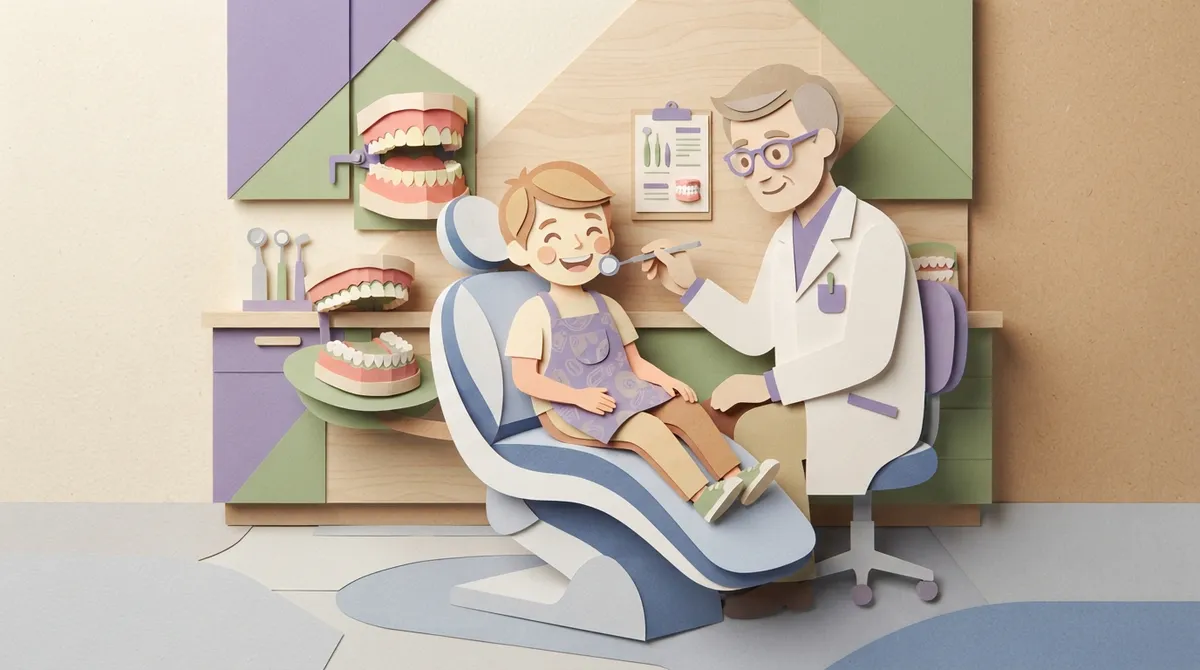
Why Age 7 Is the Magic Number for a First Visit
Here is where many parents get confused. The American Association of Orthodontists (AAO) recommends a first orthodontic check-up by age 7. That does not mean your child will get braces at 7. It simply means it is a smart time to take a look.
At around age 7, kids have a mix of baby teeth and permanent teeth. That mix gives an orthodontist a great window into how the mouth is developing. Little problems can often be spotted early, even when the teeth look fine to the untrained eye.
What Happens After the Age 7 Check-Up?
After an early evaluation, most children fall into one of three groups:
- No treatment needed right now. Everything looks on track, and that is great news.
- Watch and wait. The orthodontist monitors growth with periodic check-ins and starts treatment at the ideal moment.
- Early (interceptive) treatment. A specific problem is best handled while the child is still growing.
Many parents feel relieved after this first visit. You get clear answers and a plan instead of guessing. If you are curious about what that appointment feels like, our guide to the first orthodontic visit walks you through it step by step.
The Most Common Ages for Braces
Let’s talk numbers, with the reminder that every smile is different. Here is a simple overview of how timing often works.
| Age Group | Typical Approach | What to Know |
|---|---|---|
| Ages 6-8 | Evaluation and possible early treatment | Treatment is only for specific problems, like crossbites or severe crowding. |
| Ages 9-14 | Comprehensive braces for many kids | Most permanent teeth are in, and growth is still active. |
| Ages 15-18 | Braces or clear aligners for teens | Still very effective, often timed around school and activities. |
| Adults 18+ | Braces or clear aligners | Works well when teeth and gums are healthy. About 20% of U.S. orthodontic patients are adults. |
The 9 to 14 range is popular because the jaws are still growing and most permanent teeth have arrived. That combination often makes treatment efficient and predictable. If your teen is in this stage, our page on teen orthodontic treatment explains what to expect.
When Early Treatment Makes Sense
Early treatment, sometimes called Phase 1 or interceptive treatment, is not needed for every child. In fact, most kids do not need it. But for certain problems, starting while a child is growing can make a real difference.
Early treatment may be helpful for:
- Crossbites: When upper teeth bite inside the lower teeth.
- Severe crowding: Not enough room for permanent teeth to come in.
- Certain jaw-growth differences: Like a developing underbite or a narrow upper jaw.
- Impacted teeth: Teeth that are stuck and cannot erupt on their own.
- Harmful habits: Such as long-term thumb sucking that affects the bite.
Starting early can sometimes make later treatment shorter or simpler. It can also guide the jaws while they are still flexible. Just keep in mind that early treatment may be followed by a second phase of braces once more teeth come in. You can learn more on our early orthodontic treatment page, or read about what two-phase treatment means for your child.
Can a Child Get Braces Too Early?
Yes, it can happen, and that is exactly why a proper evaluation matters. Putting braces on too soon, when there is no real problem to fix, may mean a longer overall treatment and more time wearing appliances. Kids can also get tired of braces if they start before they are ready.
On the flip side, waiting too long can sometimes make a problem harder to correct, especially when jaw growth plays a role. The sweet spot is a timeline built around your child, not the calendar. That is the beauty of having an expert watch the growth over time.
Is Your Child Ready? Signs to Look For
Beyond the teeth themselves, readiness counts. Braces are a team effort between the orthodontist, the patient, and the family. Here are a few signs a child may be ready:
- Most or all permanent teeth have come in.
- They can brush and floss with some independence.
- They understand why they are getting braces.
- They can avoid sticky and hard foods most of the time.
- They can show up for regular adjustment visits.
If your child is excited about a straighter smile, that is a wonderful sign. Excitement goes a long way. Not sure whether your child needs a visit yet? Take a peek at six signs your child should see an orthodontist.
What About Adults? It Is Never Too Late
Here is the good news for anyone who thinks they “missed their chance.” Adults can absolutely get braces. There is no age limit, as long as your teeth, gums, and supporting bone are healthy enough for tooth movement.
Adults come to us for lots of reasons:
- They never had braces as a kid.
- They had braces years ago, and their teeth shifted back.
- They are preparing for a wedding, graduation, or big career moment.
- They want a discreet option that fits a busy professional life.
Adult treatment may take a little longer in some cases, and it can involve coordination with your general dentist or a gum specialist. But age alone does not rule you out. If you want a nearly invisible option, clear aligners are a popular choice, and our adult orthodontics page covers all the details.
Are Braces More Effective for Teens Than Adults?
Teens often have an advantage because their bones are still growing, which can make some movements easier. But adults get excellent results too. Teeth can move at any age when they are healthy. The main difference is that adults may need extra care for their gums and bone, so a careful check-up first is key.
Braces Options for Every Age
The “best” braces also depend on the person. At Segovia Orthodontics, we offer several options so each patient can find a good fit.
| Option | Great For | Highlights |
|---|---|---|
| WildSmiles Braces | Kids and teens | Fun bracket shapes like stars, hearts, and Disney styles that make treatment exciting. |
| LightForce Braces | Teens and adults | 3D-printed, custom-fit brackets that can shorten treatment time and come in clear or white. |
| Angel Aligners | Teens and adults | Clear, removable trays with a faster, AI-driven plan and a budget-friendly price. |
With so many choices, you can match the treatment to your child’s personality or your own lifestyle. Want to compare more? Our guide to the types of braces is a great place to start.
How Long Do Braces Take?
Most fixed-brace cases last about one to two years, though every smile is unique. Complex cases may take longer, and some modern systems can help speed things up. For example, custom digital systems like LightForce are designed to make treatment more precise and efficient.
After the braces come off, retainers are an important final step. Teeth naturally want to drift back, so wearing your retainer helps keep your new smile in place. Learn more about orthodontic retainers so you can protect your hard work.
How to Decide What Is Right for You or Your Child
Feeling a little overwhelmed? That is completely normal. Here is a simple path you can follow:
- Book an evaluation. Aim for age 7 for children, or anytime for teens and adults.
- Ask about your options. Find out if treatment is needed now or later.
- Talk about timing. Plan around school, sports, work, and life events.
- Review the cost. Ask about payment plans and orthodontic financing to make it fit your budget.
- Start when the time is right. Trust your orthodontist’s guidance.
A little planning now can save you stress later. And you never have to figure it out alone.
Why Families Choose Segovia Orthodontics
At Segovia Orthodontics, led by board-certified orthodontist Dr. Flor Segovia, we care for children, teens, and adults in a warm, supportive space. We offer bilingual care in English and Spanish, advanced technology, and flexible financing, so the whole family feels welcome. You can see what our community says by visiting our Segovia Orthodontics location on Google, and you can follow our smile stories on our Instagram page and our Facebook page.
Want to confirm an orthodontist’s credentials? The American Board of Orthodontics is a trusted place to learn what board certification means.
Ready to Find Your Perfect Timing?
So, what is the best age for braces? It is the age when your unique smile is ready, and the only way to know is with a quick, friendly evaluation. Whether your child is 7, your teen is 13, or you are 45, there is a path to a healthier, more confident smile.
Do not wait and wonder. Request an appointment today, or call us at 941-557-1333 to chat with our welcoming team. We would love to help you take the first step toward a smile you will be proud to show off.
FAQs
Q: What is the best age for a child to get braces?
A: There is no single best age, but many kids are ready for comprehensive braces between about 9 and 14, once most permanent teeth have come in. The right timing depends on your child’s teeth, jaw growth, and the type of bite problem. A quick evaluation will tell you exactly when to start.
Q: Does an orthodontic check-up at age 7 mean my child needs braces?
A: Not at all! The AAO recommends a first visit by age 7 so we can spot developing issues early, but most kids will not need braces right then. Many children simply get a thumbs-up or a plan to monitor their growth over time.
Q: Can a child get braces too early?
A: Yes, starting braces before they are truly needed can lead to longer overall treatment and a tired, less motivated patient. That is why we only recommend early treatment for specific problems like crossbites or severe crowding. A professional evaluation helps you find the sweet spot.
Q: Is there an age limit for getting braces as an adult?
A: There is no age limit! As long as your teeth, gums, and supporting bone are healthy, you can get braces or clear aligners at any stage of life. Adults may need a little extra coordination with their dentist, but great results are absolutely possible.
Q: How long do braces take, and will my child need a second phase?
A: Most fixed-brace cases take about one to two years, though every smile is different. If your child has early treatment, a second phase may follow later once more permanent teeth arrive. Your orthodontist will map out the timeline so there are no surprises.
Our Service Area