Key Takeaways
-
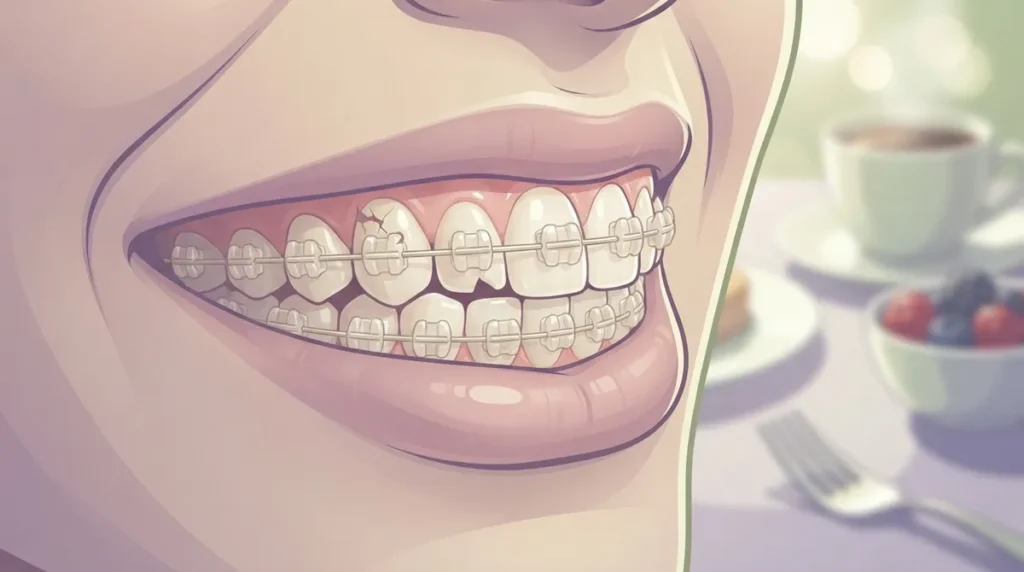
White ceramic braces use tooth-colored brackets bonded to teeth with wires, offering the same orthodontic effectiveness as metal braces but with a much less noticeable appearance for daily life.
-
Ceramic brackets are more than twice as likely to break or chip compared to metal braces, making them less ideal for active athletes or people who bite hard objects.
-
Elastic ties holding the wire can stain from coffee, tea, red wine, and dark foods, though the ceramic brackets themselves resist discoloration; ties are replaced at regular adjustment visits.
-
White braces typically cost $4,000 to $8,000 and take 18 to 36 months, often more expensive than metal braces but justified by the discreet appearance for professionals and image-conscious teens.
-
White spots around braces result from plaque and acid causing enamel mineral loss, not bracket color; prevention requires brushing twice daily, limiting sugary snacks, and maintaining regular dental visits.
-
Bracket removal can potentially cause enamel fractures and surface roughness, making it critical to choose a board-certified orthodontist experienced in proper removal and polishing techniques.
Want straighter teeth without a mouth full of shiny metal? You are not alone. Many teens, parents, and busy adults ask the same question: what do white braces on teeth really look like, and are they worth it? The good news is that there are tooth-colored options that blend in far better than traditional silver brackets.
White braces are a popular pick for people who want discreet treatment without giving up the strong, steady results of fixed braces. Maybe you have a wedding coming up. Maybe you have a big presentation season at work. Or maybe your teenager just does not want to feel self-conscious in class photos. Whatever your reason, this guide will walk you through how white braces on teeth work, what they can and cannot do, how to keep them looking fresh, and what to ask your orthodontist before you start.
Let’s break it all down in plain English, so you can feel confident about your next step.
What Are White Braces on Teeth?
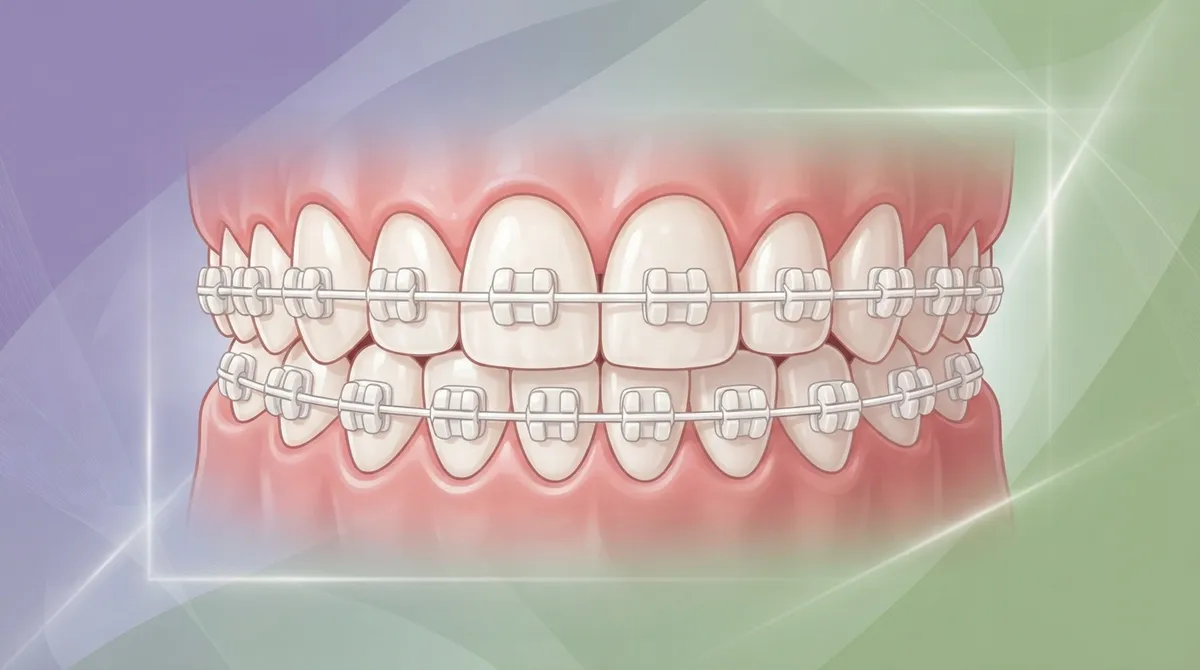
When people say white braces, they usually mean fixed braces with tooth-colored or translucent ceramic brackets. These brackets are bonded to your teeth and connected with a wire, just like conventional metal braces. Some systems also offer white or frosted archwires for an even softer look.
Here is the key idea: white braces use the same basic orthodontic mechanics as metal braces. The wire gently guides your teeth into position over time. The main difference is the color of the brackets, which makes them less noticeable at a glance.
It is worth being honest, though. White braces are not invisible. You may still see the wire and the small elastic ties. They are simply more subtle than silver hardware. If you want to explore the full menu of options, our guide to types of braces is a great place to start.
How Do White Braces Work?
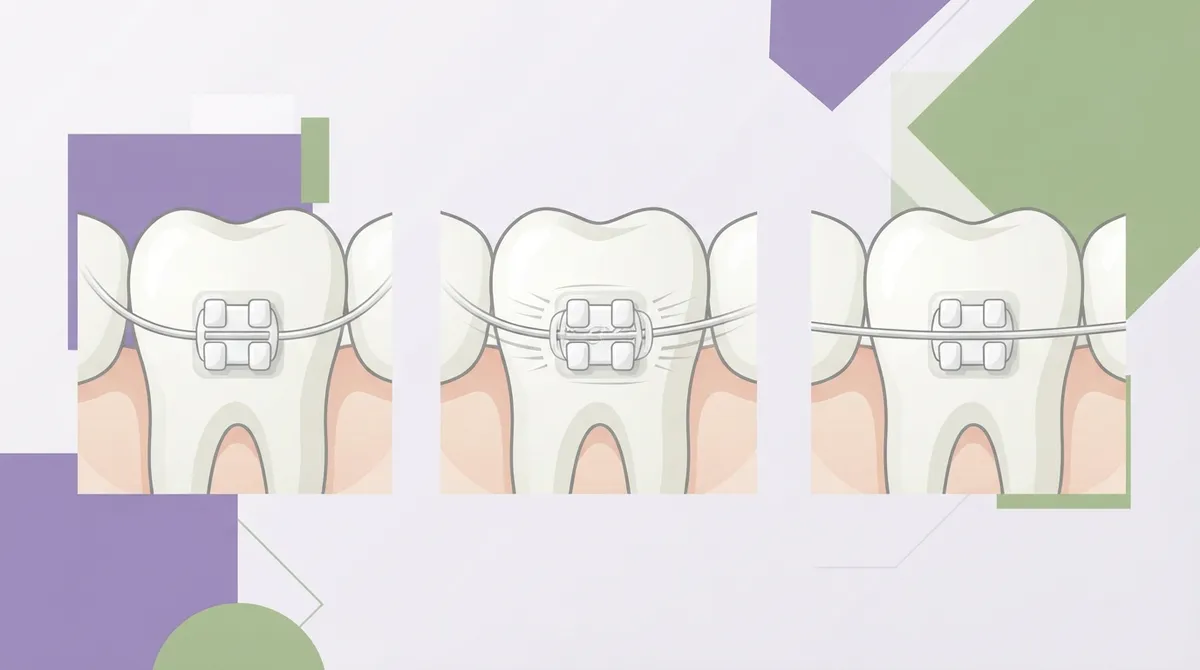
The process feels familiar if you have ever seen traditional braces. Here is a simple step-by-step look at what happens:
- Evaluation: Your orthodontist checks your teeth, bite, and jaw to see if white braces fit your goals.
- Bonding: Tooth-colored brackets are attached to the front of each tooth with a special adhesive.
- Wire placement: A thin archwire is threaded through the brackets and secured with small ties.
- Gentle pressure: The wire applies steady, light force that slowly moves teeth into better alignment.
- Adjustment visits: You return regularly so your orthodontist can update the wire and track progress.
- Removal and retention: Once your teeth are in place, the braces come off and you start wearing retainers.
Curious about what that first day feels like? Our post on what happens at the braces start appointment walks you through it.
Are White Braces as Effective as Metal Braces?
Yes, in many cases. Ceramic braces can treat many of the same alignment and bite problems as metal braces, including crowding, gaps, and some bite issues. Whether they are right for you depends on your individual case and your orthodontist’s treatment plan.
For more complex movements, your orthodontist might recommend a different system. That is totally normal, and it is why a personalized evaluation matters so much. You can read more about common orthodontic problems to see what braces can correct.
White Braces vs. Metal Braces vs. Clear Aligners
Choosing between options can feel overwhelming. This quick comparison can help you see the big picture:
| Feature | White (Ceramic) Braces | Metal Braces | Clear Aligners |
|---|---|---|---|
| Visibility | Less noticeable, not invisible | Most noticeable | Very discreet |
| Fixed or removable | Fixed | Fixed | Removable |
| Durability | More brittle, can chip | Very sturdy | Can crack or get lost |
| Staining risk | Ties may stain | Ties may stain | Trays can stain if not cleaned |
| Typical cost | Often higher than metal | Often lowest | Varies by case |
| Best for | Appearance-minded patients who want fixed braces | Complex cases, active kids | Mild to moderate cases, discreet wear |
If you are torn between braces and aligners, our comparison of braces vs. clear aligners can help you decide.
The Benefits of White Braces on Teeth
There is a reason white braces are so popular. Here are the biggest perks:
- A more discreet look: Ceramic brackets blend with your natural tooth color, so they draw less attention than silver ones.
- Proven fixed-brace mechanics: Because they are bonded to your teeth, there are no trays to lose or forget to wear.
- Confidence boost: Many patients feel more comfortable smiling in photos, meetings, and social events.
- Broad treatment range: They can address many of the same alignment and bite concerns as traditional braces.
For our life event planners getting ready for graduations or weddings, and for career-focused adults who want to look polished at work, that subtle appearance can be a real win.
The Downsides to Know About
No treatment is perfect, and we believe in being upfront. Here are the main trade-offs to think about:
They Can Be More Brittle
Ceramic brackets are more fragile than metal ones and may chip or break more easily. A 2016 study cited by Healthline found ceramic brackets were more than twice as likely to break as metal brackets. That is one study, not a promise for every patient, but it is a good reason to talk with your orthodontist about sports and biting habits. If a bracket does come loose, our guide on common emergency situations with braces explains what to do.
They May Cost More
Ceramic braces often cost more than metal braces. Published consumer estimates commonly place U.S. fees around $4,000 to $8,000, with treatment often running about 18 to 36 months. Those are broad numbers, not local quotes. Your actual price depends on your provider, case complexity, treatment length, and insurance. A personalized estimate is always more reliable than a general range.
Elastic Ties Can Stain
Here is something many people do not realize: the ceramic brackets themselves are generally resistant to discoloration, but the elastic ties holding the wire can pick up color between appointments. Coffee, tea, red wine, and deeply colored foods are the usual suspects.
Do White Braces Stain? How to Keep Them Looking Clean
Good news: a few simple habits go a long way. Try these tips to keep your smile bright:
- Limit coffee, tea, red wine, and dark sauces, or rinse with water right after.
- Brush after meals and snacks, paying extra attention around each bracket.
- Floss daily using a floss threader or water flosser.
- Keep up with your regular adjustment visits, when ties are often replaced.
- Ask about stain-conscious tie options at your next appointment.
Need a refresher on daily habits? Our guide to foods to avoid with braces is a handy reference for the whole family.
White Spots Around Braces: What Is Really Going On?
This one causes a lot of worry, so let’s clear it up. White spots that show up around braces are usually areas of enamel mineral loss caused by plaque and acid sitting on the teeth. They are not simply stains from the brackets being white.
The best defense is steady, careful cleaning:
- Brush at least twice a day, angling the bristles toward each bracket.
- Limit frequent sugary or acidic snacks and drinks.
- Rinse with water after eating when you cannot brush.
- Keep your regular dental and orthodontic visits.
The American Association of Orthodontists shares more on this topic in its guide on whether treatment will cause white marks on teeth. You can also learn how protective treatments fit in with our post on using dental sealants during orthodontic treatment.
What About Enamel and Bracket Removal?
Research has noted that removing ceramic brackets and cleaning off adhesive can affect the enamel surface. A 2024 study review reported enamel fractures, surface roughness, and color changes as possible effects of fixed appliances, with ceramic bracket removal flagged as a potential fracture concern.
Before you worry, keep this in mind: this is a clinical consideration, not a guarantee of damage. Outcomes depend on bonding, removal, and polishing techniques. That is exactly why experience and careful technique matter. Choosing a trained specialist, such as a board certified orthodontist, helps you feel confident about the whole journey, from start to finish.
Who Are White Braces Best For?
White braces can be a great fit for many people. Here is how they tend to line up with different groups:
- Teens: Many want a less noticeable look at school. Just chat about sports and mouthguards first. See our guide to teen orthodontic treatment.
- Busy professionals: A subtler look can help you feel polished in meetings and on video calls.
- Adults with past treatment: If your smile shifted after old braces, fixed white braces may help reset things. Explore adult orthodontics for more.
- Parents of younger kids: Fun options may suit little ones better. Learn about early orthodontic treatment.
They may not be the top pick for very active athletes or people who tend to chew ice and hard objects, since ceramic can chip. Your orthodontist will help you weigh that honestly.
Other Discreet Options to Consider
White braces are only one path to a more low-profile smile. Depending on your needs, you might also love:
- LightForce braces: A digitally designed system with custom 3D printed brackets, available in clear or white options for a subtle look. Learn more about LightForce Orthodontics.
- Angel Aligners: Clear, removable trays for a nearly invisible approach. Visit our clear aligners page to see if they suit you.
- Fun, customizable braces: Kids and teens who want personality can check out WildSmiles braces.
The best choice is the one that fits your bite, your budget, and your lifestyle.
Questions to Ask Before You Start
Go into your consultation feeling prepared. Here are smart questions to bring along:
- Are white braces a good match for my bite and goals?
- How long will my treatment likely take?
- What is the total cost, and what payment options are available?
- How do you handle bracket removal to protect my enamel?
- What should I do if a bracket breaks or comes loose?
- How will I keep the elastic ties looking fresh?
For more ideas, see how to ask the right orthodontic questions at your visit. And if budget is on your mind, our page on orthodontic financing explains flexible ways to spread out the cost.
Finding Your Best Smile in Lakewood Ranch
At Segovia Orthodontics, we believe your smile journey should feel comfortable, supported, and a little bit fun. Dr. Flor Segovia creates personalized plans for patients of all ages, using advanced technology and a warm, family-friendly approach. She is also a member of the professional community backed by organizations like the American Board of Orthodontics, which sets standards for specialist certification.
Want a peek at our community and daily smiles? Follow along on our Instagram page or connect with us on our Facebook page. You can also see what our Segovia Orthodontics patients say on Google in Lakewood Ranch.
Your Next Step Toward a Brighter Smile
White braces on teeth offer a friendly middle ground: the steady power of fixed braces with a far more discreet look. They may cost a bit more and need a little extra care, but for many people the confidence boost is well worth it.
The best way to know if they are right for you is a personalized evaluation. Ready to talk it through? Request an appointment with our team, or call us at 941-557-1333 to get started. We cannot wait to help you smile with confidence in 2026 and beyond.
FAQs
Q: What are white braces on teeth made of?
A: White braces usually use tooth-colored or translucent ceramic brackets that are bonded to your teeth and joined by a wire. Some systems also offer white or frosted archwires for an even more blended look. They work much like metal braces, just with a subtler appearance.
Q: Do white braces stain easily?
A: The ceramic brackets themselves tend to resist staining, but the small elastic ties can pick up color from coffee, tea, red wine, and deeply colored foods. Brushing well, rinsing after dark drinks, and keeping up with your adjustment visits can keep everything looking fresh.
Q: Are white braces more likely to break than metal braces?
A: Ceramic brackets are more brittle, so they can chip or break more easily than metal ones. A 2016 study cited by Healthline found ceramic brackets were more than twice as likely to break, though results vary by patient. Chatting with your orthodontist about sports and biting habits helps you plan ahead.
Q: How much do white ceramic braces cost?
A: Ceramic braces often cost more than metal braces, with broad U.S. estimates around $4,000 to $8,000. Your real price depends on your case, treatment length, provider, and insurance, so a personalized estimate from your orthodontist is the most reliable way to know.
Q: Are white braces a good choice for teens and adults?
A: Yes, they can be a great fit for many teens and adults who want a more discreet look with the steady results of fixed braces. Very active athletes or people who chew hard objects may want to talk through other options first, since ceramic can chip.
Our Service Area