Key Takeaways
-
Ceramic braces are less noticeable than metal but not invisible, so set realistic expectations and compare them with clear aligners if you want a hidden option.
-
Monocrystalline (sapphire) brackets are generally clearer, while polycrystalline brackets look more opaque or translucent; ask your orthodontist to show you samples before deciding.
-
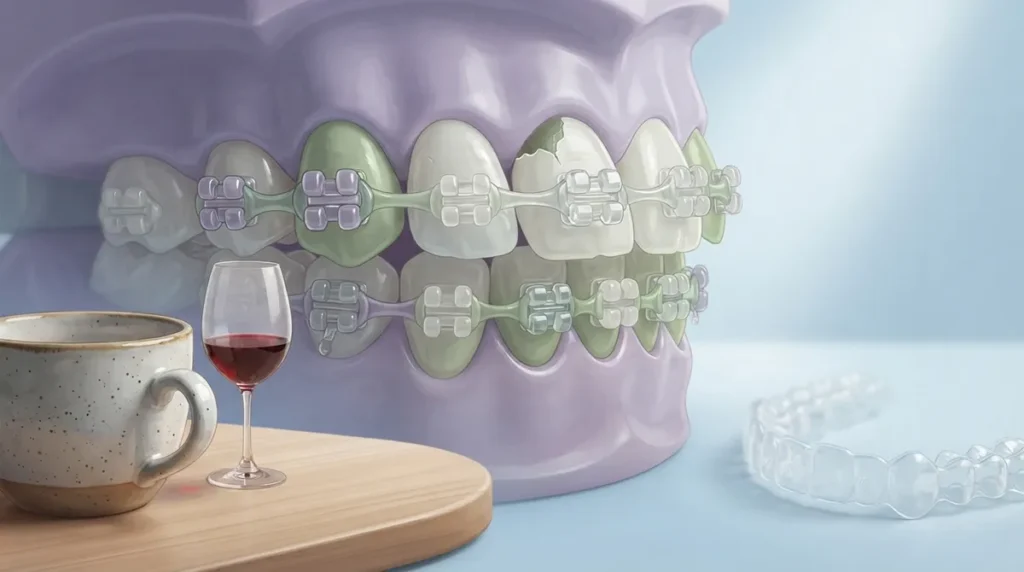
Conventional elastic ties can stain from coffee, tea, red wine, and tobacco, so brush after meals and rinse with water when you cannot brush; self-ligating designs skip the ties.
-
Self-ligating describes how the wire is held (a built-in clip instead of ties), not a different ceramic material, and the best choice depends on your bite, goals, and comfort.
-
Ceramic is hard but brittle, so brackets can chip or fracture on crunchy or sticky foods, and removal requires care to protect enamel; call your orthodontist promptly if a bracket breaks.
-
Ceramic braces are not right for every case, so base your decision on a professional exam, your bite, and your upkeep needs rather than appearance alone.
Picture this: you walk into a consultation hoping for braces nobody will notice. Then you spot a dozen options, a handful of confusing terms, and a very real fear of picking the wrong one. Sound familiar? You are not alone, and a little knowledge goes a long way.
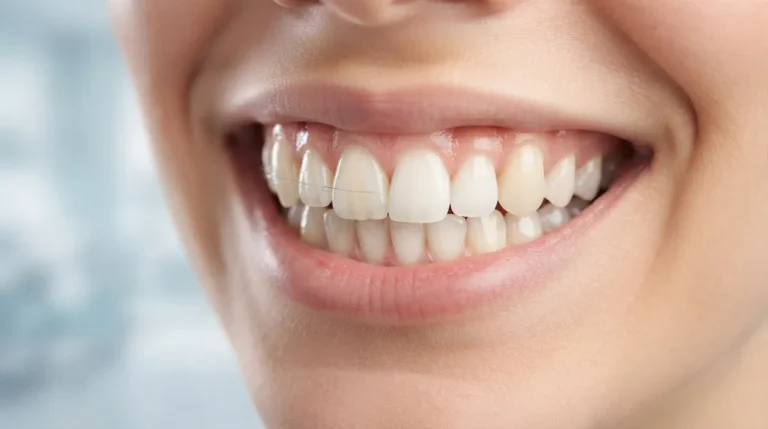
Ceramic braces are a popular pick for teens, parents, and adults who want a less noticeable look. They use tooth-colored or clear brackets bonded to your teeth and joined by an archwire. They are less visible than metal braces, but they are not invisible. And the different types of ceramic braces are not all the same.
The good news? Most missteps are easy to dodge once you know what to look for. Below, we walk through ten common mistakes, explain the main types, and share friendly tips so you can head into your visit with confidence. Whether you are a busy mom planning for your child, a professional wanting a discreet look, or an adult returning for a second round of treatment, this guide is for you.
The Different Types of Ceramic Braces at a Glance
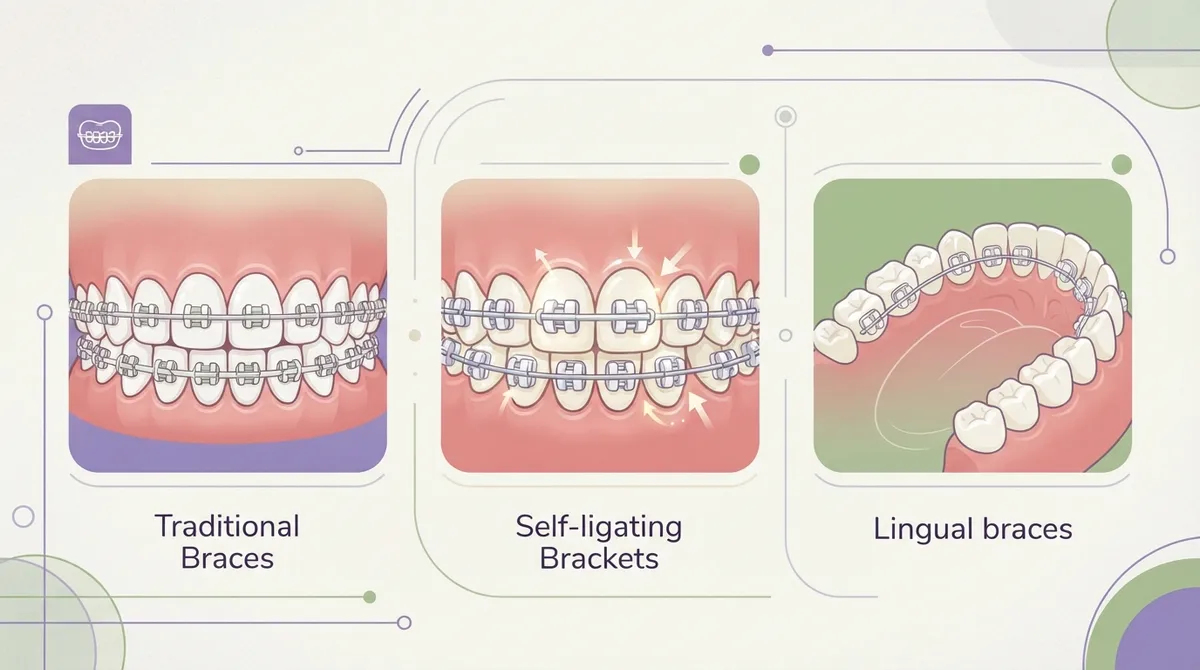
Before we get to the mistakes, let’s cover the basics. Ceramic braces differ in two main ways: the material the bracket is made from, and how the wire is held in place. Knowing both helps you ask smarter questions.
| Type | How It Is Made | Look and Feel | Good to Know |
|---|---|---|---|
| Polycrystalline alumina | Fused alumina particles | Often more opaque or translucent | A common, widely used ceramic option |
| Monocrystalline alumina (sapphire) | Grown from a single crystal | Generally clearer | Often chosen for its see-through look |
| Conventional ligation | Small elastic or wire ties hold the wire | Ties can show color | Elastic ties can stain |
| Self-ligating | Built-in clip or door holds the wire | No ties needed | Describes the wire system, not a new material |
Some ceramic brackets also include a metal-reinforced slot or other design features meant to improve how the wire moves and how well the bracket holds up. Availability varies by manufacturer and by office, so it is worth asking what your orthodontist uses.

Mistake 1: Thinking Ceramic Braces Are Invisible
Let’s start with the big one. Ceramic braces blend in better than metal, but they are still braces. Up close, people can usually see them. The wire, the ties, and the bracket outline are all part of the picture.
Setting the right expectation helps you enjoy the result. If you want a truly hidden option, it is smart to compare ceramic braces with clear aligners during your visit. For some bites, aligners work well. For others, fixed braces do the job better.
Mistake 2: Assuming All Ceramic Brackets Look the Same
Not every ceramic bracket has the same shade or clarity. Monocrystalline (sapphire) brackets tend to be clearer, while polycrystalline brackets can look more opaque or translucent. Neither is simply “better.” Each has trade-offs in appearance, strength, and design.
Ask your orthodontist to show you samples. Seeing the bracket next to a model of a tooth makes the choice feel much more real.
Mistake 3: Forgetting About the Ties and Stain Risk
Here is a fun surprise: ceramic brackets resist staining pretty well, but the small elastic ties used with conventional braces can discolor. Coffee, tea, red wine, tobacco, and strongly pigmented foods are the usual suspects.
A few easy habits help:
- Brush after meals and after dark-colored drinks when you can.
- Rinse with water if you cannot brush right away.
- Follow your orthodontist’s cleaning and diet guidance.
- Ask whether a self-ligating design fits your case, since it skips the elastic ties.
Not sure what to skip at lunch? Our guide to foods to avoid with braces is a handy cheat sheet.
Mistake 4: Ignoring the Difference Between Conventional and Self-Ligating
Many people hear “self-ligating” and assume it is a whole different kind of ceramic. It is not. Self-ligating simply describes how the wire is held, using a built-in clip or door instead of ties.
Why does this matter? Because the wire system can affect how the wire interacts with the bracket, how easy cleaning feels, and how your visits go. Neither style is right for everyone. Your orthodontist will weigh your bite, your goals, and your comfort before suggesting one.
Mistake 5: Overlooking Brittleness and Chipping
Ceramic is hard, but it is also relatively brittle. Brackets can chip or fracture, especially if you bite into something crunchy or sticky. That is not a reason to panic. It is just a reason to be a little more careful.
Hardness has another side, too. Ceramic can wear against opposing teeth if they touch the brackets. Your orthodontist will check your bite and may adjust the plan to protect your enamel.
If a bracket breaks, do not wait and hope. Our page on orthodontic emergencies explains what to do, and our post on common emergency situations with braces covers the usual culprits.
Mistake 6: Skipping the Friction Conversation
This one sounds technical, but it is simple. Ceramic brackets can create more friction with archwires than some metal systems, especially when teeth need to slide along the wire. Bracket design, wire type, ligation style, and treatment stage all play a role.
A 2006 lab comparison of bracket and wire friction reported values of 11.41 for the tested ceramic bracket, 9.67 for stainless steel, 8.42 for composite, and 6.50 for a self-ligating bracket. Those numbers came from specific bracket and wire pairings in a lab, so they are not a promise of what will happen in your mouth.
The takeaway? Friction does not make ceramic braces a poor choice. It just means your orthodontist may choose or adjust the mechanics to suit your case. Ask how your plan handles tooth movement.
Mistake 7: Assuming Ceramic Works for Every Case
Ceramic braces can treat many orthodontic problems, but they are not the right tool for every patient or every movement. A 2023 review of orthodontic brackets points out trade-offs in appearance, brittleness, friction, and removal-related enamel concerns. The American Association of Orthodontists also notes that braces suitability depends on the individual case.
Your orthodontist will look at your bite, the movements you need, your oral health, and your preferences before recommending ceramic. For a closer look at issues that shape the plan, see our overview of common orthodontic problems.
Mistake 8: Choosing Based on Looks Alone
Appearance matters, and it is a perfectly good reason to explore ceramic. But it should not be the only reason. Comfort, treatment goals, daily habits, and the care you can give your braces all count.
Here is a quick way to weigh your options:
- Write down what matters most: looks, comfort, speed, budget, or durability.
- Ask your orthodontist which bracket types suit your bite.
- Compare ceramic with other choices, such as metal braces and aligners.
- Ask what upkeep each option needs.
- Decide with the whole picture in mind, not just the mirror.
Want to see how the options stack up? Our post on metal braces vs ceramic walks through the differences, and our guide to the types of braces gives the bigger view.
Mistake 9: Forgetting Enamel Safety at Removal
Nobody talks about removal day until it arrives. Because ceramic is hard and bonds firmly, taking brackets off takes care. Too much force can put enamel at risk. That is one more reason to trust an experienced, board-certified clinician for your treatment from start to finish.
You can learn more about specialist credentials at the American Board of Orthodontics. At our practice, you can read about Dr. Flor Segovia and her board-certified approach.
Mistake 10: Skipping the Questions at Your Consultation
A consultation is your time to ask anything. Many people leave without learning what they really wanted to know. Bring a short list so you feel clear and confident.
Good questions to ask:
- Which ceramic bracket type do you recommend for my case, and why?
- Would conventional ties or self-ligating brackets suit me better?
- How will you handle friction and tooth movement?
- How do I keep ties and brackets looking fresh?
- What are the costs, and what payment options do you offer?
Not sure what to expect? Our post on how to ask the right orthodontic questions and our first orthodontic visit page can help you prepare.
Who Tends to Love Ceramic Braces?
Ceramic braces appeal to a wide range of people. Here is where they often shine:
- Teens: Want a subtler look for school photos and sports. See our notes on teen orthodontic treatment.
- Working adults: Prefer a polished look for meetings and client calls. Learn more about adult orthodontics.
- Event planners: Aim to start treatment ahead of a wedding, graduation, or big milestone.
- Returning patients: Want to fix relapse after earlier treatment and keep results with orthodontic retainers.
Parents, you are welcome here too. If your child is in the early years, our page on early orthodontic treatment explains when a first visit makes sense.
What About Cost and Treatment Time?
Two of the most common questions are how much ceramic braces cost and how long they take. The honest answer is that both depend on your case. The tooth movements you need, the bracket type, and your progress all shape the final numbers.
Rather than guess, ask for a clear estimate at your consultation. If budget is on your mind, our guides to orthodontic financing and ceramic bracket pricing are a good place to start.
Finding the Right Fit at Segovia Orthodontics
Picking among the different types of ceramic braces does not have to feel like a puzzle. At Segovia Orthodontics at Lakewood Ranch, we take time to listen, explain, and build a plan that fits your smile and your life. We care for kids, teens, and adults in a warm, comfortable setting. You can also read more about ceramic braces in Lakewood Ranch or see why families choose us.
Curious what neighbors think? Visit us on Google — Segovia Orthodontics to see our Lakewood Ranch location and read reviews. You can also say hello on our Facebook page or our Instagram page.
Final Thoughts: Choose With Confidence
Ceramic braces offer a nice balance for people who want a less noticeable look. But the best choice comes from understanding the types, avoiding the common mistakes, and working with an orthodontist who knows your goals. Remember the key points: ceramic is not invisible, bracket material and ligation style both matter, ties can stain, brackets can chip, friction is a factor, and no single type fits everyone.
Ready to explore your options? Request an appointment and let’s find the right fit together, or call us at 941-557-1333 with any questions. We cannot wait to meet you!
FAQs
Q: What are the different types of ceramic braces?
A: Ceramic braces vary by material and by how the wire is held. The main materials are polycrystalline alumina and monocrystalline alumina (sapphire), and the brackets may use conventional ties or a self-ligating clip. Your orthodontist can help you choose what suits your bite.
Q: Do ceramic braces stain or turn yellow?
A: Ceramic brackets resist staining well, but the elastic ties used with conventional braces can discolor. Coffee, tea, red wine, and tobacco are common causes. Good brushing and following your orthodontist’s guidance keeps things looking fresh.
Q: Are ceramic braces as effective as metal braces?
A: Ceramic braces can treat many orthodontic problems, but they are not right for every case. Friction and bracket strength can differ from metal systems, so your orthodontist may adjust the plan. An exam is the best way to know what fits you.
Q: What is the difference between self-ligating and conventional ceramic braces?
A: Conventional ceramic braces hold the wire with small elastic or wire ties. Self-ligating braces use a built-in clip or door instead. It describes how the wire is held, not a different ceramic material.
Q: Are ceramic braces more likely to break?
A: Ceramic is hard but relatively brittle, so brackets can chip or fracture, especially with crunchy or sticky foods. Careful eating and good habits help. If a bracket breaks, call your orthodontist so it can be fixed promptly.
Our Service Area