Key Takeaways
-
Distinguish between normal post-adjustment soreness (dull ache lasting days) and true tooth sensitivity (sharp zing triggered by cold/heat), as they require different treatments and may indicate underlying problems like cavities or gum recession.
-
Use gentle brushing with a soft-bristled brush and light pressure daily, as aggressive brushing or avoiding teeth when sore worsens sensitivity by wearing enamel and exposing dentin.
-
Don't assume all tooth pain comes from braces; persistent sharp pain, single-tooth discomfort, or visible damage may signal cavities, cracked teeth, or gum problems requiring evaluation by your orthodontist or dentist.
-
Match relief methods to the actual problem: use soft foods and over-the-counter pain relievers for normal soreness, but seek professional evaluation for true sensitivity before using desensitizing products.
-
Contact your orthodontist promptly if sensitivity is severe, doesn't ease after several days, affects one tooth, or worsens over time, as early intervention prevents minor issues from becoming major problems.
-
Continue regular dental cleanings and hygiene during orthodontic treatment, and inform your orthodontist about gum recession or old fillings at your first visit so they can plan around sensitive areas.
If your teeth feel tender after getting braces, you are not alone. Many of us have winced at a cold drink or a crunchy bite and wondered, “Is this normal, or is something wrong?” That worry is exactly why people search for an orthodontist for sensitive teeth. The good news is that most soreness is short-lived and manageable. The not-so-good news is that a few common mistakes can make it worse, or hide a real problem that needs attention.
Whether you are a parent watching your child poke at a sore tooth, a busy professional trying to focus in a meeting, or an adult returning to treatment after years away, this guide is for you. We will walk through four mistakes people make, how to tell normal soreness from true sensitivity, and what to do at home. At Segovia Orthodontics, we want every patient to feel comfortable and informed, so let’s make this easy and friendly.
Why Teeth Feel Sensitive During Orthodontic Treatment
Straightening teeth means moving them. Moving teeth means gentle pressure. That pressure can leave several teeth feeling achy for a few days after braces are placed or adjusted. The American Association of Orthodontists (AAO) describes this kind of discomfort as temporary and generally short-lived. It usually fades over the next few days.
But sensitivity is a different thing. True tooth sensitivity, often called dentin hypersensitivity, is usually a brief, sharp zing. It tends to show up with cold air, hot drinks, touch, or acidic foods. It happens when the softer layer under the enamel, called dentin, becomes exposed.
Exposed dentin can come from enamel wear, gum recession, or other dental problems. Knowing which type of discomfort you have is the first step toward relief.
Two Kinds of Discomfort at a Glance
| Feature | Normal Post-Adjustment Soreness | Tooth Sensitivity |
|---|---|---|
| Feels like | Dull ache or pressure | Brief, sharp zing |
| Where | Several teeth at once | Often one tooth or a small area |
| Triggers | Chewing, biting down | Cold, heat, touch, sweets, acids |
| Timing | Starts after fitting or adjustment | Can happen at any time |
| Duration | Usually improves within days | Can linger or keep returning |
Mistake #1: Assuming All Tooth Pain Is “Just the Braces”
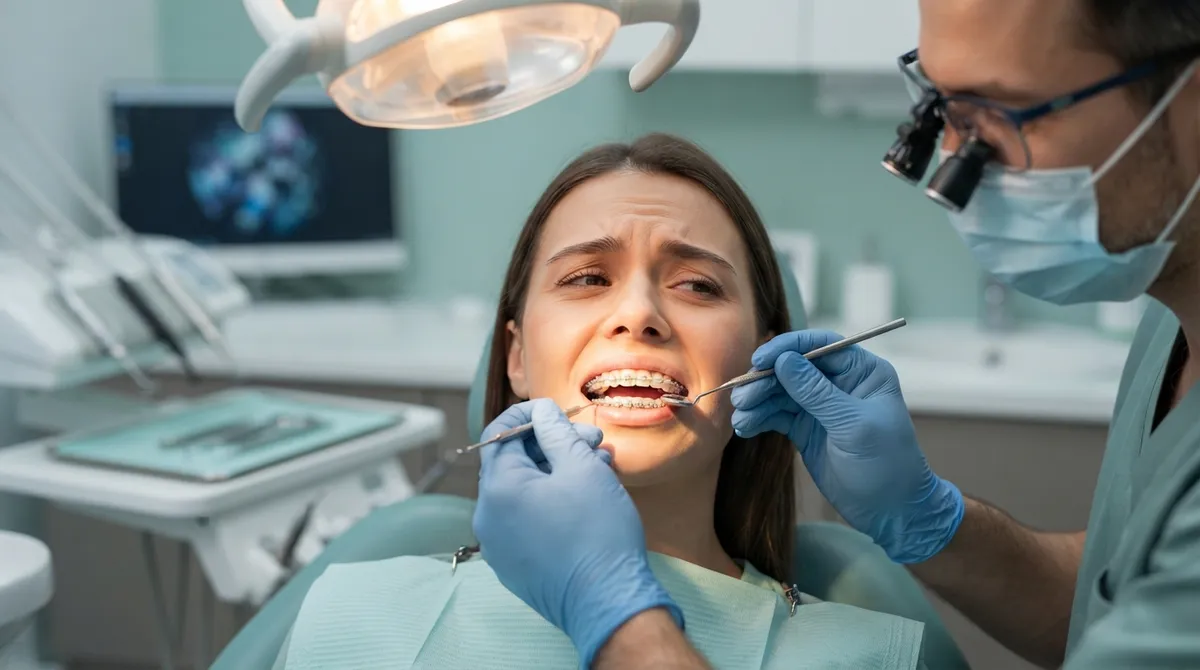
It is easy to blame braces for every twinge. After all, they are the new thing in your mouth. But sensitivity is not always caused by tooth movement. Cavities, cracked teeth, damaged fillings, gum problems, and enamel erosion can create very similar symptoms. In some patients, enamel reduction between teeth can also play a role.
An experienced orthodontist can tell the difference. At your visit, the team will look at your appliance and your teeth to decide whether you are dealing with normal soreness or something else. Remember that orthodontic care does not replace regular dental care. If your symptoms are persistent or focused on one tooth, you may also need a check-up with a general dentist.
Signs It Might Be More Than Normal Soreness
- Pain that is sharp, severe, or does not ease after several days
- Discomfort focused in a single tooth
- A visible hole, dark spot, or chipped area on a tooth
- Swollen, red, or bleeding gums that do not settle down
- Sensitivity that gets worse instead of better over time
If any of these sound familiar, do not wait it out. Reach out to your orthodontist and ask for an evaluation. Our guide on what to do during an orthodontic emergency can also help you decide how urgent your situation is.
Mistake #2: Skipping Gentle Care and Making Things Worse
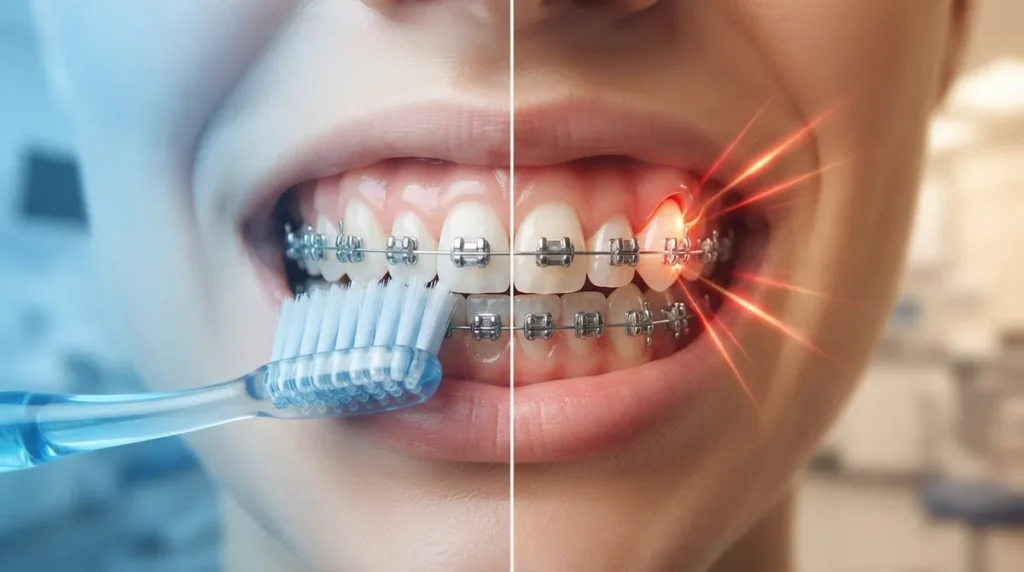
When teeth hurt, some people brush less to avoid touching them. That is understandable, but it backfires. Plaque builds up around brackets, gums get irritated, and sensitivity can increase. On the other hand, scrubbing hard with a stiff brush can wear down enamel and push gums back, which exposes more dentin.
The sweet spot is gentle, thorough cleaning. A soft brush, light pressure, and patient attention around each bracket go a long way. Clean between teeth every day, too. If you need a refresher, our post on how to properly brush teeth with braces walks you through it step by step.
Simple Daily Habits That Protect Sensitive Teeth
- Brush twice a day with a soft-bristled brush and light pressure.
- Clean between teeth and around brackets every day with floss or interdental tools.
- Limit frequent sips of soda, sports drinks, and juice, since acids can wear enamel.
- Rinse with water after acidic foods or drinks.
- Keep your regular dental cleanings on the calendar during treatment.
Good cleaning also helps prevent the gum and tooth problems that can cause sensitivity in the first place. For more everyday routines, see these braces care tips that keep your smile on track.
Mistake #3: Using the Wrong Relief Method
Relief should match the cause. Mixing them up can leave you uncomfortable and confused.
For normal soreness after a fitting or adjustment, AAO guidance includes simple comfort steps. These are soft foods, a cold compress, and an over-the-counter pain reliever when appropriate. Always follow the label or your clinician’s advice on any medicine, especially for children.
Orthodontic wax is another helpful tool, but know what it does. Wax covers a bracket or wire that is rubbing your cheek or lip. It does not treat tooth sensitivity itself. If a poking wire is your real problem, wax can be a quick fix until your next visit.
For true dentin sensitivity, the plan is different. After finding the cause, a dentist may suggest a desensitizing toothpaste or a professionally applied product. Using a sensitive-tooth toothpaste on your own can be a reasonable step, but it works best when you also know why your teeth are reacting.
Matching Relief to the Problem
| What You Feel | Helpful First Steps | What It Will Not Fix |
|---|---|---|
| General ache after an adjustment | Soft foods, cold compress, label-directed pain reliever | A cavity or cracked tooth |
| Wire or bracket rubbing your mouth | Orthodontic wax, call us if it persists | Sensitivity to cold or heat |
| Sharp zing to cold, heat, or sweets | Gentle brushing, evaluation for the cause, desensitizing products if advised | Pressure from tooth movement |
| Pain in one tooth that will not settle | Prompt exam by your orthodontist or dentist | Anything you try alone at home |
If you want more ideas for comfort, check out how to stop braces from hurting and our look at easing sensitive teeth during braces treatment.
Mistake #4: Waiting Too Long to Ask an Orthodontist
Many people hold off on calling because they do not want to bother anyone. Please do not feel that way. Asking a question early can save you weeks of discomfort and prevent a small issue from growing.
A good orthodontist will check your appliance, review your teeth, and figure out whether the sensitivity is part of normal treatment. If something else is going on, they can refer you to a general dentist or another dental professional. That teamwork keeps your smile healthy from every angle.
Dr. Flor Segovia is a board-certified orthodontist, and you can confirm orthodontic credentials through the American Board of Orthodontics. Our bilingual team in English and Spanish creates a calm, supportive space for patients of every age.
When to Call Right Away
- Severe pain that over-the-counter relief does not touch
- A broken bracket or wire that is cutting your mouth
- Swelling in your gums, face, or jaw
- A tooth that feels loose or looks damaged
For wire trouble, our post on what to do when your braces wire breaks is a handy reference.
How Different Treatments May Feel for Sensitive Teeth
Every smile is different, and comfort matters when choosing a treatment. Here is how some of our options compare for people who worry about tender teeth.
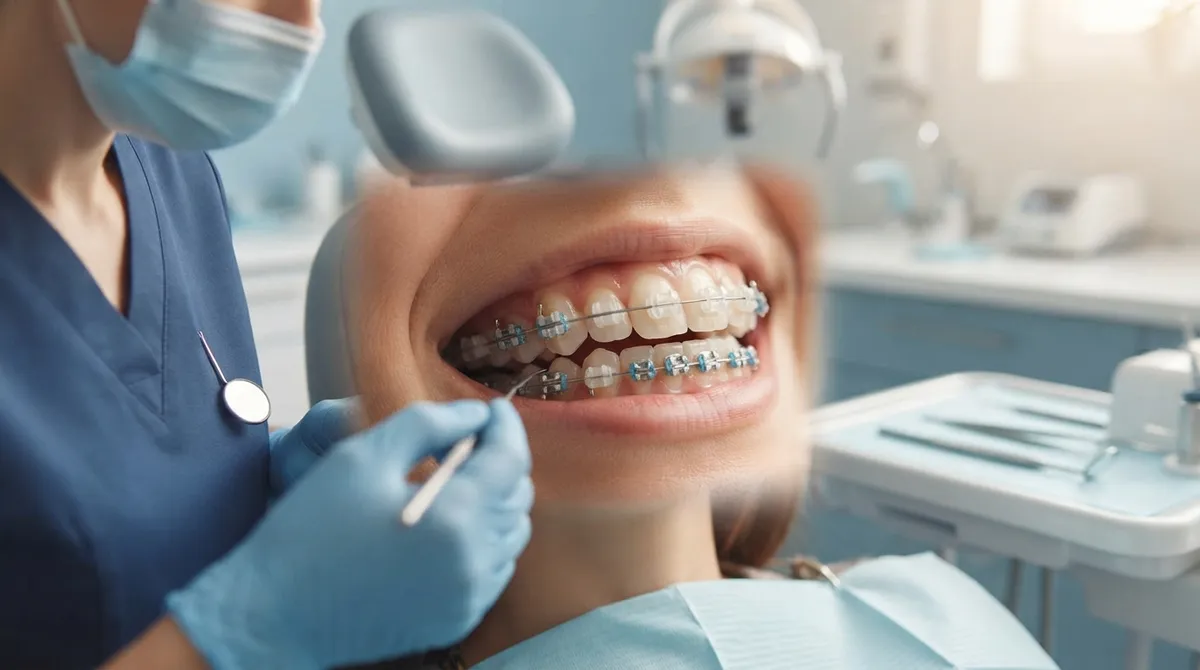
- Traditional and clear braces: Fixed appliances can cause the usual few days of soreness after each adjustment. Cleaning around brackets takes patience, but it is very doable.
- LightForce braces: These custom 3D-printed brackets are designed to fit each tooth and to reduce irritation to gums and soft tissue. You can read more about LightForce orthodontics.
- WildSmiles braces: Fun bracket shapes make brushing habits easier for kids to track. See our WildSmiles braces page for details.
- Angel Aligners: These clear, removable trays use a flexible, self-adapting material designed for comfort, and you can take them out to clean your teeth easily. Explore our clear aligners option.
Aligners can still cause mild pressure when you switch trays, and any appliance needs good hygiene to keep sensitivity down. The best choice depends on your bite, your goals, and your lifestyle. If you are weighing options, our comparison of braces versus clear aligners can help.
Tips for Different Patients
Parents of kids and teens: Stock up on soft foods like yogurt, mashed potatoes, and smoothies for the first few days after an adjustment. Keep wax in your child’s backpack. And watch for complaints about one specific tooth, which is worth a call.
Busy professionals and young adults: Schedule adjustments when you can ease into softer meals afterward. Keep a travel toothbrush at the office so you can clean up after lunch without stress.
Adults returning to treatment: If you have gum recession or older fillings, mention them at your first visit. Those details help your orthodontist plan around sensitive spots. Our adult orthodontics page explains what to expect.
Why Local, Personalized Care Makes a Difference
Finding the right orthodontist for sensitive teeth is about more than a diagram or a brochure. It is about someone who listens, checks carefully, and explains your options in plain language. At Segovia Orthodontics at Lakewood Ranch, we offer personalized treatment for children, teens, and adults, with advanced technology and flexible financing to fit family budgets.
You can see what patients say about us by reading reviews on Google at our Segovia Orthodontics Lakewood Ranch location, and follow smile updates on our Instagram page or our Facebook page. Our marketing partners at Brain Buzz Marketing help us share helpful information like this with the community.
Putting It All Together
Sensitive teeth during orthodontic care do not have to ruin your progress or your mood. Remember the four mistakes: blaming every ache on braces, skipping gentle care, using the wrong relief, and waiting too long to ask for help. Avoid those, and you will be in a much better spot.
Mild, widespread soreness for a few days is normal. Sharp, severe, lingering, or single-tooth pain deserves a closer look. When in doubt, ask. Your comfort and your healthy smile are always worth a quick call.
Ready for answers and a more comfortable treatment? Request an appointment with our friendly team today, or call us at 941-557-1333. We would love to help you smile with confidence in 2026.
FAQs
Q: Is tooth sensitivity normal after getting braces or having them adjusted?
A: Yes, mild and widespread aching for a few days is very common after braces are placed or adjusted. The AAO describes this soreness as temporary and generally short-lived. If the pain is sharp, severe, or focused on one tooth, give us a call so we can take a closer look.
Q: How long should tooth sensitivity from braces last?
A: General soreness usually improves within a few days after a fitting or adjustment. If your sensitivity lingers, keeps coming back, or gets worse, it may be something other than normal tooth movement. That is a great time to book a visit and get answers.
Q: Should I see an orthodontist or a dentist for sensitive teeth?
A: Start with your orthodontist if the soreness began after an adjustment or involves your braces or aligners. They can check your appliance and teeth, then refer you to a general dentist if a cavity, crack, or gum issue could be the cause. Regular dental care should continue during treatment.
Q: What can I do at home to relieve sensitive teeth while wearing braces?
A: For simple soreness, try soft foods, a cold compress, and an over-the-counter pain reliever used as directed on the label or by your clinician. Brush gently with a soft brush, clean between teeth daily, and use orthodontic wax if a wire or bracket is rubbing. Wax eases irritation but will not treat sensitivity itself.
Q: Can sensitive-tooth toothpaste be used with braces or aligners?
A: Often it can, and a dentist may recommend a desensitizing toothpaste once the cause of your sensitivity is known. It works best alongside good brushing and flossing habits. Check with your orthodontist first so the product fits your specific situation.
Our Service Area