Key Takeaways
-
Crowded teeth are very common in teens, and adolescence is an ideal window for treatment because most permanent teeth have erupted and the jaws are still growing.
-
A full orthodontic evaluation with x-rays or scans is needed before any treatment is recommended, since the right plan depends on missing space, bite, and jaw growth.
-
Extraction is not automatic for crowding; it is considered only after a full space analysis, and options like arch development or gentle enamel reshaping can create room.
-
Braces suit mild to complex crowding, while clear aligners work for selected mild to moderate cases but require the teen to wear them 20 to 22 hours a day.
-
Treatment typically takes about one to three years, and retainers after treatment are essential because straightened teeth tend to drift back without them.
If you have ever looked at your teenager’s smile and noticed teeth overlapping, twisting, or squeezing past each other, you are not alone. Crowded teeth are one of the most common reasons families visit an orthodontist. The good news? Teens are in a great stage of life to fix them.
Maybe your teen has started hiding their smile in photos. Maybe you are just wondering what your options are. Either way, this guide will help. We will walk through the treatments we recommend for crowded teeth in teens, explain how each one works, and help you decide what fits your family best.
Here is a quick look at the numbers. A 2026 study abstract reports dental crowding in roughly 42% to 51% of European youth, citing earlier research. A separate 2026 clinic-based survey of 11,608 first-visit patients found crowding to be the most common bite problem. These are not universal figures, but they show one thing clearly: crowded teeth are very common, and orthodontists treat them every day.
What Are Crowded Teeth and Why Do They Happen?
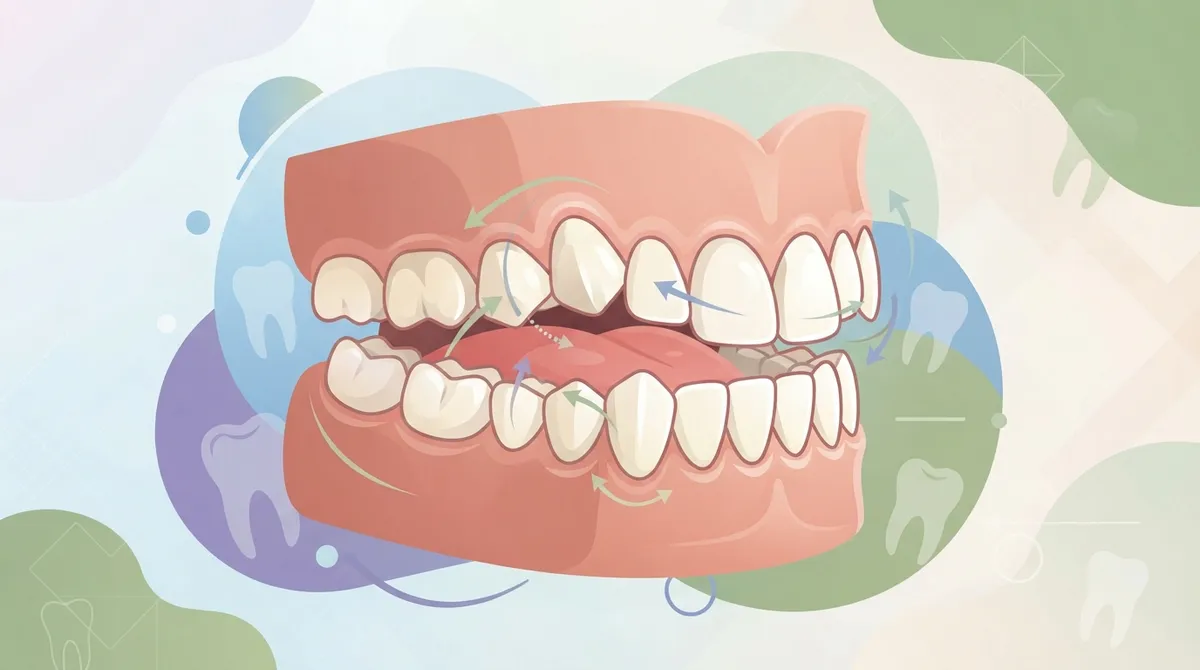
Crowding happens when there is not enough room in the jaw for all the teeth to line up neatly. Think of it like trying to park too many cars on a short street. Something has to overlap, tilt, or twist.
Several things can lead to crowding in teens:
- Jaw size: A smaller jaw leaves less room for adult teeth.
- Tooth size: Larger teeth need more space than the arch can offer.
- Timing of tooth loss: Baby teeth that fall out early or late can shift how adult teeth come in.
- Genetics: Tooth and jaw shape often run in families.
- Habits: Thumb sucking or tongue thrusting in childhood can affect alignment.
Crowding is not just about looks. Tight, overlapping teeth are harder to brush and floss. Over time, that can raise the risk of cavities and gum irritation. Learn more about the common orthodontic problems we see in our patients.
Why the Teen Years Are a Smart Time to Treat Crowding
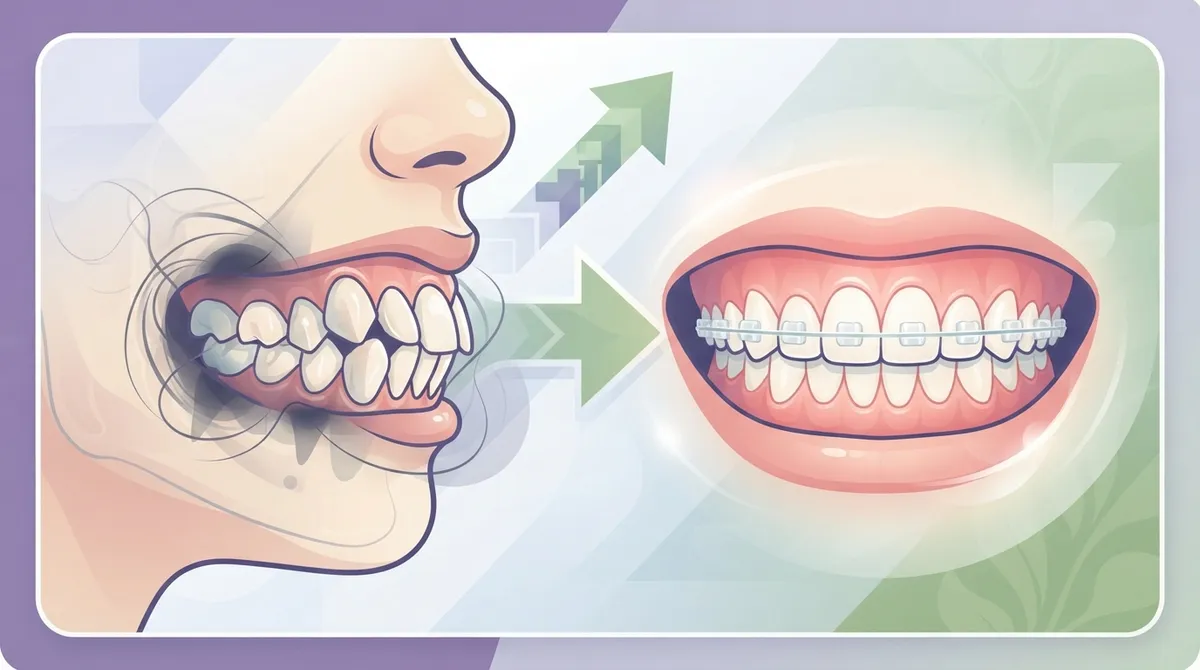
Adolescence is often an ideal window for orthodontic care. Most permanent teeth have come in, and the jaws are still growing. That growth can make tooth movement more predictable.
The American Academy of Pediatric Dentistry identifies adolescence as an appropriate stage for diagnosis and treatment planning for crowded teeth and other bite problems, especially if they were not addressed earlier. So if your teen never had an early visit, there is no need to worry. You are right on time.
For reference, the American Association of Orthodontists suggests an initial check-up by age 7. That is a screening recommendation, not a promise that treatment must start then. Many kids are simply monitored until the teen years. Our teen orthodontic treatment page explains how we approach this stage.
Step One: A Proper Orthodontic Evaluation
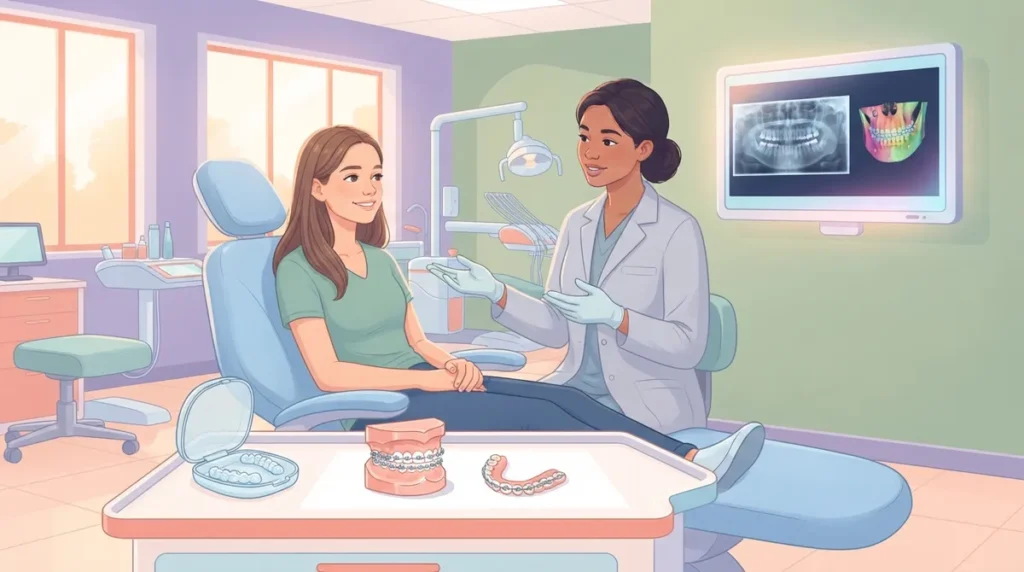
Before anyone recommends a treatment, your teen needs a full evaluation. Crowding looks different in every mouth, and the right plan depends on the details.
An orthodontist will usually look at:
- How much space is missing and where.
- How the upper and lower teeth fit together when your teen bites.
- Jaw growth and where remaining teeth are still coming in.
- Gum and tooth health, including cavities or gum issues.
- Your teen’s lifestyle and ability to follow a treatment plan.
Photos, scans, or x-rays may be used when they are clinically helpful. If you are curious what the first appointment looks like, read about what happens during an orthodontic evaluation.
Treatment Options We Recommend for Crowded Teeth in Teens
There is no single “best” treatment for every teen. The right choice depends on how severe the crowding is, the bite, and your teen’s habits. Here are the main options.
Traditional Metal Braces
Braces are a versatile, proven choice. They can handle mild crowding all the way up to complex cases with bite problems. Brackets and wires apply steady, gentle pressure that moves teeth into better positions over time.
Braces work well for teens because they are fixed to the teeth. There is nothing to forget at lunch or lose in a gym bag. For many busy families, that reliability is a big plus. See our guide to types of braces to learn more.
WildSmiles Braces
Let’s be honest. Teens do not always love the idea of braces. That is where WildSmiles braces can help. These brackets come in fun shapes like stars, hearts, flowers, and footballs, so your teen can show off their personality while their teeth straighten.
There is a hygiene benefit too. The bracket shapes make it easier to see whether brushing is thorough. If the shape is clearly visible, it is probably clean. For crowded teeth, where plaque loves to hide, that visual cue is a nice bonus.
LightForce Braces
For teens with crowding who want a more modern, discreet option, LightForce braces are worth a look. This is a fully digital system. The brackets are 3D printed and custom designed to fit each tooth, and they come in clear or white options that blend in with the teeth.
Because the plan is built digitally, treatment can be more precise. LightForce reports that it can reduce treatment time by up to 45% in some cases, though results vary by patient. Custom appliances are typically ready in under two weeks.
Clear Aligners for Selected Cases
Clear aligners are removable, nearly invisible trays that move teeth in small steps. They can work well for mild to moderate crowding in the right teen. Many teens love them for sports, music, school photos, and big events.
The key word is selected. Aligners only work if they are worn as directed, usually 20 to 22 hours a day. If a teen often forgets or takes them out, progress slows. Some complex crowding cases are also better suited to braces. Read more on clear aligners to see if they might fit.
At our practice, we also offer Angel Aligners. They use a “7+3” wear schedule, a frosted finish that is less shiny, and flexible materials designed for comfort. Our post on braces vs. clear aligners breaks down the differences in more detail.
Comparing Your Options at a Glance
| Option | Best For | Visibility | Teen Responsibility |
|---|---|---|---|
| Metal braces | Mild to complex crowding and bite issues | Noticeable, can be colorful | Low (fixed in place) |
| WildSmiles braces | Teens who want a fun, personal look | Noticeable, fun shapes | Low |
| LightForce braces | Teens wanting custom, discreet braces | Clear or white options | Low |
| Clear aligners | Selected mild to moderate cases | Nearly invisible | High (must wear as directed) |
Do Teeth Have to Be Removed for Crowding?
This is one of the most common worries we hear from parents. The short answer: not automatically.
The American Academy of Pediatric Dentistry advises that teeth should not be extracted to relieve crowding without a full space analysis and a short- and long-term orthodontic plan. In other words, extraction is considered only when the diagnosis supports it.
In many cases, space can be created without removing permanent teeth. Options include:
- Arch development: Carefully planned expansion to make a bit more room. This is not right for every teen.
- Interproximal reduction: Gently reshaping a tiny amount of enamel between teeth to gain space.
- Tooth movement planning: Shifting teeth in a way that uses the available space more efficiently.
Your orthodontist will explain why a certain method is recommended and what the alternatives are. Never hesitate to ask. Our article on how to fix crowded teeth in Lakewood Ranch covers more ideas.
How Long Does Treatment Usually Take?
Every teen is different, so timelines vary. Many treatments for crowding last roughly one to three years. Mild cases may be quicker, while complex ones take longer. Your orthodontist can give a personal estimate after the evaluation.
A few things affect timing:
- How severe the crowding is
- The type of appliance used
- How well your teen follows instructions, like wearing elastics or aligners
- Keeping scheduled appointments
For a closer look, see how long braces take to straighten your smile.
Taking Care of Teeth During Treatment
Crowded teeth are already tricky to clean. Add braces or aligners, and good habits matter even more. Here are a few simple tips to share with your teen:
- Brush after meals and before bed, angling the brush toward the gumline.
- Use floss threaders, interdental brushes, or a water flosser to clean between teeth.
- Avoid hard, sticky, and chewy foods if wearing braces.
- Clean aligners daily and brush teeth before putting them back in.
- Wear a mouthguard during sports.
If something breaks or feels off, do not panic. Check our guide on orthodontic emergencies for what to do.
Why Retainers Matter After Treatment
Here is something many families do not realize. Straight teeth want to drift back. After active treatment ends, retainers help hold the new alignment in place.
Your orthodontist will explain the retention plan, whether that is a removable retainer, a fixed one behind the teeth, or both. The most important thing is following those instructions. Skipping retainers is one of the most common reasons results slip. Learn more about orthodontic retainers and why they are worth the effort.
How to Choose the Right Orthodontist for Your Teen
The right provider makes the whole experience smoother. Look for someone who listens to your teen, explains options clearly, and builds a plan around your family’s schedule.
Here at Segovia Orthodontics, Dr. Flor Segovia is a board-certified orthodontist who offers bilingual care in English and Spanish. You can confirm an orthodontist’s credentials through the American Board of Orthodontics. We also use advanced orthodontic technology to make care comfortable and precise.
Cost matters too, of course. We offer flexible options, and you can read about orthodontic financing to see how payment plans can fit a family budget.
Want to see how other families feel? Visit us on Google — Segovia Orthodontics to read reviews from our Lakewood Ranch community. You can also follow along on our Facebook page and our Instagram page for smile stories and tips.
Ready to Take the Next Step?
Crowded teeth are common, treatable, and nothing to be embarrassed about. With the right plan, your teen can finish treatment with a smile that is healthy, comfortable to care for, and something they are proud to show.
The best next step is a conversation with an orthodontist who can look at your teen’s unique situation. If you are ready, request an appointment today, or call us at 941-557-1333. We would love to meet you and help your teen start their smile journey with confidence.
FAQs
Q: What is the best treatment for crowded teeth in a teenager?
A: There is no one-size-fits-all answer, and that is actually a good thing! Braces work well for mild to complex crowding, while clear aligners can suit selected cases. An orthodontic evaluation helps pinpoint the best fit for your teen.
Q: Will my teen need teeth removed to fix crowding?
A: Not automatically. Extraction is only considered after a full space analysis and treatment plan. Many teens can be treated without removing permanent teeth, using methods like carefully planned expansion or gentle enamel reshaping.
Q: Can clear aligners fix crowded teeth in teenagers?
A: Yes, in many selected cases! Aligners can work nicely for mild to moderate crowding if your teen wears them as directed. More complex cases may do better with braces, so a quick evaluation is the best way to know.
Q: When should a teen start treatment for crowded teeth?
A: Adolescence is often a great time, since most permanent teeth are in and the jaws are still growing. If your teen has crowding and has not been seen yet, a consultation will help you decide if it is time to begin.
Q: Will my teen need a retainer after treatment?
A: Yes, retainers are generally needed after active treatment to help keep teeth in their new positions. Your orthodontist will explain the retention plan, and following it closely is the secret to a smile that lasts.
Our Service Area