Key Takeaways
-
Braces soreness is normal and usually peaks in the first two to three days after placement or adjustment, then fades within about a week.
-
Relieve discomfort at home with soft foods, a cold compress, over-the-counter pain relief used as directed, and warm salt-water rinses.
-
Apply orthodontic wax over any poking bracket or wire to create a smooth barrier, and never try to cut or bend a wire yourself.
-
Avoid hard, crunchy, sticky, or chewy foods like popcorn, hard candy, ice, and caramel, which can increase soreness or break brackets.
-
Call your orthodontist if pain is severe, lasts beyond a few days, or comes with very red, swollen gums or a broken bracket or wire.
-
Seek urgent medical care right away for trouble breathing or swallowing, significant facial swelling, uncontrolled bleeding, or serious injury.
Let’s be honest: that first week with braces can feel like a surprise party nobody asked for. Your teeth feel tender, your cheeks feel a little rubbed, and even a bowl of pasta sounds like a big task. If you are searching for braces discomfort help in Bradenton, take a deep breath. You are not alone, and what you are feeling is very normal.
Mild soreness is a common part of treatment, especially after braces are first placed or adjusted. The good news is that it usually fades within a few days, and there are simple, safe ways to feel better fast. Whether you are a parent comforting a nervous kid, a busy professional who needs to focus at work, or an adult returning to treatment after years away, this guide is for you.
Below, we will walk through why braces can feel sore, what you can do at home, which foods help, and when it is time to call your orthodontist. Think of this as a friendly checklist you can come back to any time your smile needs a little extra TLC.
Why Do Braces Cause Discomfort?
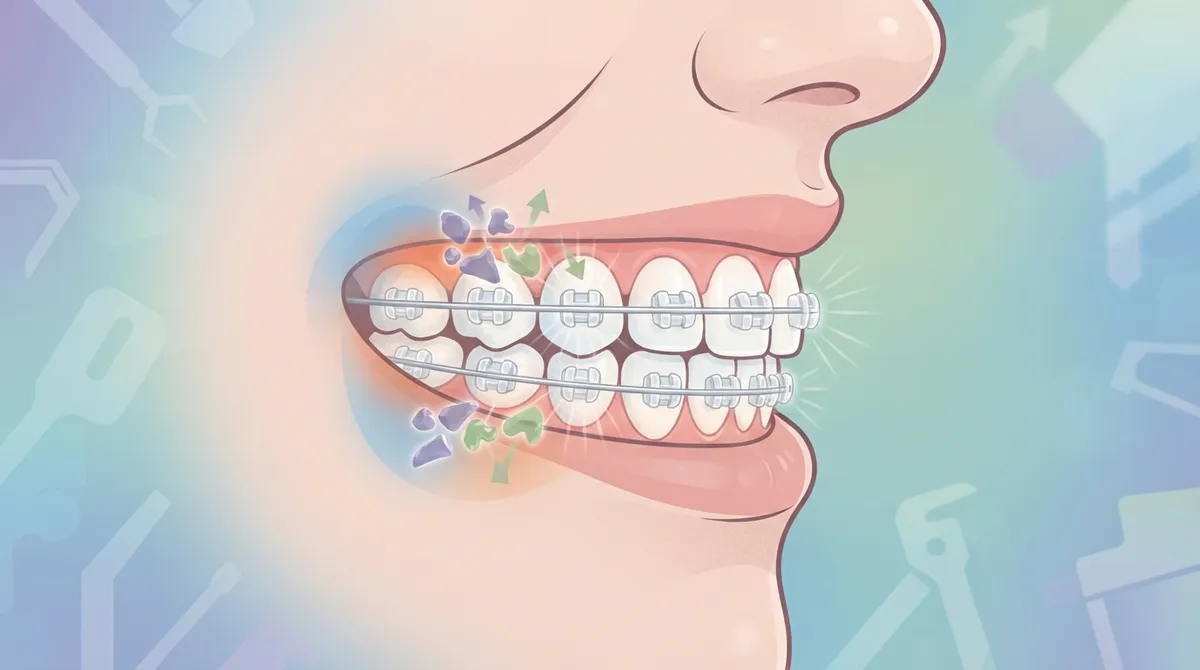
Braces work by applying gentle, steady pressure to move teeth into better positions. That pressure is what makes your teeth feel tender, especially in the first few days after the braces go on or after a wire change. According to the American Association of Orthodontists (AAO), this kind of soreness is a normal sign that your treatment is working.
There are two main types of discomfort you might notice:
- Tooth soreness or pressure: A dull ache or tightness, often when biting or chewing.
- Soft tissue irritation: Rubbing or small sores on the cheeks, lips, or tongue where brackets and wires touch.
Both are temporary. Your mouth adapts as it gets used to the hardware, and the soft tissues toughen up over a short time. If you want to understand more about what braces do, our guide on all about braces is a great place to start.
How Long Does Braces Discomfort Last?
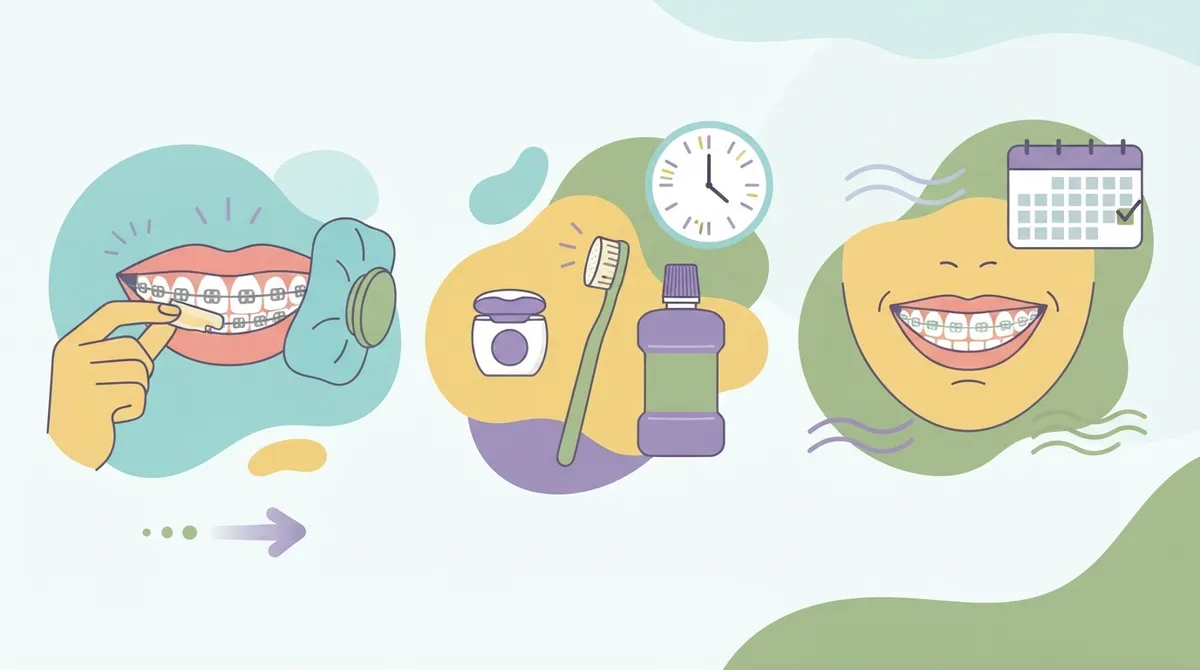
Most people feel the strongest soreness during the first two to three days. It then eases off over the following days. The NHS notes that adjustment appointments are commonly scheduled every 6 to 8 weeks, though timing varies by treatment plan. You may feel a little tenderness again after each visit, but it is usually milder than the first time.
| Situation | Typical Discomfort | What to Expect |
|---|---|---|
| First day braces are placed | Mild to moderate soreness | Often peaks in the first few days, then eases |
| After a wire change or adjustment | Mild tenderness | Usually fades within a few days |
| Cheek or lip irritation | Rubbing, small sores | Improves as your mouth adjusts; wax can help |
| Broken wire or loose bracket | Poking or sharp spot | Call your orthodontist for guidance |
If you want a deeper look at the first days, check out what to expect during the first week after your start appointment.
7 Easy Ways to Relieve Braces Discomfort at Home
You do not need fancy gadgets to feel better. These simple steps are backed by guidance from the AAO and the NHS, and most are things you already have in your kitchen or medicine cabinet.
- Eat soft foods. Give your teeth a break from heavy chewing for a few days.
- Use a cold compress. A cool pack held against your cheek can calm sore teeth and gums.
- Try over-the-counter pain relief. Follow the label directions. If you are unsure what is safe for you or your child, ask your doctor or pharmacist.
- Apply orthodontic wax. A tiny piece pressed over a bracket or wire creates a smooth barrier against your cheek or lip.
- Rinse with warm salt water. Mix about half a teaspoon of salt in a cup of warm water and swish gently to soothe minor sores.
- Keep brushing gently. Clean teeth and healthy gums feel better. Use a soft brush and take your time around the brackets.
- Stay patient. Your mouth is adapting, and each day usually feels a bit easier than the last.
For more everyday relief ideas, our simple walkthrough on how to stop braces from hurting is a helpful companion.
What Can I Eat When My Teeth Feel Sore?
Food is where many people feel braces the most. The trick is to choose gentle options when your teeth are tender and avoid anything that adds extra pressure or could damage the hardware.
Soft, Comfort-Friendly Foods
- Yogurt and smoothies
- Soup (warm, not hot)
- Scrambled eggs
- Mashed potatoes or mashed sweet potatoes
- Oatmeal and soft pasta
- Applesauce and ripe bananas
Foods to Skip for Now
Hard, crunchy, sticky, or chewy foods can increase soreness and may break brackets or bend wires. Think popcorn, hard candy, ice, caramel, and tough bread crusts. If you want a full list, see our guide to the 13 foods to avoid with braces.
A quick tip for busy parents: keep a small “sore teeth” stash in the fridge, like yogurt cups and smoothie packs. When your child comes home wincing after an adjustment, dinner is already solved.
What If a Wire Is Poking My Cheek?
A poking wire is annoying, but it is usually easy to manage until you can be seen. Here is a safe step-by-step approach:
- Dry the area with a clean tissue or gauze.
- Roll a small piece of orthodontic wax into a ball.
- Press it gently over the poking wire or bracket.
- Rinse with warm salt water to soothe any irritated spot.
- Call your orthodontist to let them know what happened.
Please avoid trying to cut or bend a wire yourself. That can injure your mouth or make the problem worse. If a bracket or wire is broken or out of place, the treating orthodontic team can tell you whether it needs a quick visit. Our page on common emergency situations with braces explains what counts as urgent and what can wait.
Braces Discomfort Help for Different Patients
Every smile story is different, so here is how these tips fit a few common situations.
For Parents of Kids and Teens
Children can feel nervous about new braces, and soreness can make them feel even more unsure. Offer soft meals, a cold pack, and plenty of reassurance. Remind them that the tenderness is temporary and a sign their teeth are starting to move. If your child is just starting out, our guide to getting kids braces in Bradenton the right way can help you feel prepared. Families who want a fun experience may also like WildSmiles braces, which let kids pick playful bracket shapes.
For Busy Adults and Professionals
Between meetings and deadlines, you do not have time to be distracted by sore teeth. Plan adjustment visits for the end of the day or before a lighter workday, and keep soft lunch options handy. Many adults are surprised by how manageable treatment feels once the first week passes. You can explore options in our adult orthodontics section.
For Adults Returning to Treatment
If you wore braces years ago and your smile has shifted, you may remember the soreness and worry about it. The good news is that modern treatment is designed with comfort in mind. For example, LightForce orthodontics uses custom 3D-printed brackets made to fit each tooth, which can help improve comfort and treatment efficiency.
When Should I Call My Orthodontist?
Soreness that slowly improves is normal. But some signs mean it is time to reach out. Contact your orthodontist if you notice any of the following:
- Pain that feels severe or does not improve after a few days
- Very red, swollen, or painful gums
- A broken bracket, loose band, or wire causing discomfort
- Sores that are getting worse instead of better
For Bradenton residents, the best first call is the orthodontist who placed or manages your braces. They know your treatment plan and can tell you whether you need a quick fix at home or a visit to the office. If you are not sure whether your situation is urgent, our orthodontic emergency page is a helpful guide.
Seek urgent medical or dental care right away for serious symptoms such as trouble breathing or swallowing, significant facial swelling, uncontrolled bleeding, or a serious injury. These are not routine braces soreness and should never wait.
Simple Daily Habits That Keep You Comfortable
A few small habits can make the whole braces journey smoother. Healthy gums and clean teeth are less likely to feel irritated, and a steady routine helps you spot problems early.
- Brush after meals: Gently clean around each bracket and along the gumline.
- Floss daily: A floss threader or water flosser makes this easier.
- Carry wax: Keep a small container in your bag or backpack.
- Wear a mouthguard for sports: This protects your mouth and your braces.
- Keep every appointment: Regular visits keep treatment on track and comfortable.
Need tips for keeping things clean? Our post on caring for braces: tips for Bradenton families breaks it down in a friendly way.
Finding Caring Orthodontic Support Near Bradenton
Great care makes a big difference when you are adjusting to braces. At Segovia Orthodontics, Dr. Flor Segovia and her team focus on a comfortable, supportive environment for children, teens, and adults. As a board certified orthodontist, Dr. Segovia offers bilingual care in English and Spanish, so families can ask questions and feel understood every step of the way.
You can learn more about the doctor on our Orthodontist Flor Segovia page, or see what makes our office special on the Why Choose Us page. You can also read patient feedback and see our location by visiting Visit us on Google — Segovia Orthodontics, and follow smile updates on our Instagram page.
If you want to confirm an orthodontist’s credentials, the American Board of Orthodontics is a trusted resource. Always check practice details and availability directly with any office before you visit.
Are Clear Aligners More Comfortable?
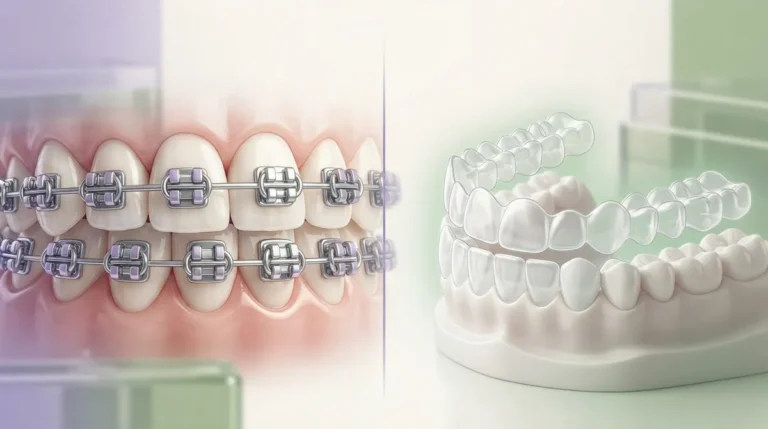
Many people wonder whether clear aligners feel better than braces. Aligners have no brackets or wires, so there is no poking or cheek rubbing. You may still feel mild pressure when you switch to a new tray, which is normal. Options like clear aligners can be a great fit for adults and teens who want a more discreet look. Not every case is right for aligners, though, so the best step is a personalized evaluation. Our guide to braces vs. clear aligners can help you compare.
You’ve Got This: A Friendly Wrap-Up
Braces discomfort is real, but it is also temporary. A few days of soft foods, a cold compress, a dab of wax, and some patience are usually all it takes to feel like yourself again. Remember, that tender feeling is a sign your teeth are starting their journey to a healthier, straighter smile.
If your discomfort is severe, lasts longer than a few days, or comes from a broken appliance, do not tough it out alone. Reach out to your orthodontic team for guidance. If you are in the Bradenton or Lakewood Ranch area and want caring, personalized support, request an appointment with Segovia Orthodontics, call us at 941-557-1333, or contact us online. We would love to help you smile with comfort and confidence, and you can also say hello on our Facebook page.
FAQs
Q: How long do braces hurt after they are put on or adjusted?
A: Most people feel the most soreness during the first few days after braces are placed or adjusted, and it usually eases within about a week. Every smile is different, so a little more or less tenderness is totally normal. If the pain feels severe or does not improve, give your orthodontist a call.
Q: How can I relieve braces pain at home?
A: Soft foods, a cold compress, and over-the-counter pain relief (used as directed on the label) are the go-to choices. A warm salt-water rinse can soothe small sores, and orthodontic wax protects your cheeks from rubbing. If you are unsure which medicine is safe for you or your child, check with a doctor or pharmacist.
Q: What should I do if a braces wire is poking my cheek?
A: Press a small piece of orthodontic wax over the poking spot, then rinse with warm salt water. Please do not try to cut or bend the wire yourself, since that can hurt your mouth. Call your orthodontist so they can tell you whether you need a quick visit.
Q: When should I call my orthodontist about braces discomfort?
A: Reach out if pain is severe, lasts beyond a few days, or comes with very red, swollen, or painful gums. You should also call if a bracket or wire is broken and causing discomfort. For serious symptoms like trouble breathing or swallowing, heavy bleeding, or major facial swelling, seek urgent medical care right away.
Q: Where can I get help for braces discomfort in Bradenton, Florida?
A: Your first call should be to the orthodontist who placed or manages your braces, since they know your treatment plan. If you are in the Bradenton or Lakewood Ranch area, Segovia Orthodontics offers caring, personalized support for kids, teens, and adults. You can request an appointment or call 941-557-1333 to ask about availability.
Our Service Area