Key Takeaways
-
An overbite is excessive vertical overlap of upper front teeth over lower teeth; a little overlap is normal, but a deep bite can cause extra wear, chewing trouble, or jaw discomfort.
-
Overbite and overjet are different: overbite is vertical overlap, while overjet is how far upper teeth stick out horizontally, and an orthodontist checks both.
-
Causes can be dental, skeletal, or a mix, and habits like thumb sucking or long pacifier use in childhood can contribute, so the cause shapes the treatment plan.
-
Braces can correct overbites using steady pressure, sometimes with bite turbos or elastics, while clear aligners may suit only selected mild-to-moderate cases that require consistent daily wear.
-
The American Association of Orthodontists recommends a first orthodontic checkup by age 7 as a screening visit to catch bite concerns early, not a sign that braces are needed right away.
-
Treatment timelines vary, with general estimates of 18-36 months for braces and 12-24 months for some aligner cases, and retainers are essential afterward to keep teeth in place.
If you have ever caught your reflection mid-laugh and noticed your upper teeth hanging well over your lower ones, you are not alone. An overbite is one of the most common bite concerns we see, and it shows up in kids, teens, and adults alike. The good news? Braces for overbite in Lakewood Ranch can often move teeth into a healthier, more comfortable position.
Maybe you are a parent wondering if your child’s bite is normal. Maybe you are a busy professional who wants a better smile without a long, complicated process. Or maybe you had braces years ago and your bite has crept back. Whatever brings you here, this guide walks you through what an overbite is, how braces help, and what to expect along the way.
We will keep things simple and friendly. By the end, you will know the right questions to ask and feel ready to take the next step toward a smile you love.
What Exactly Is an Overbite?
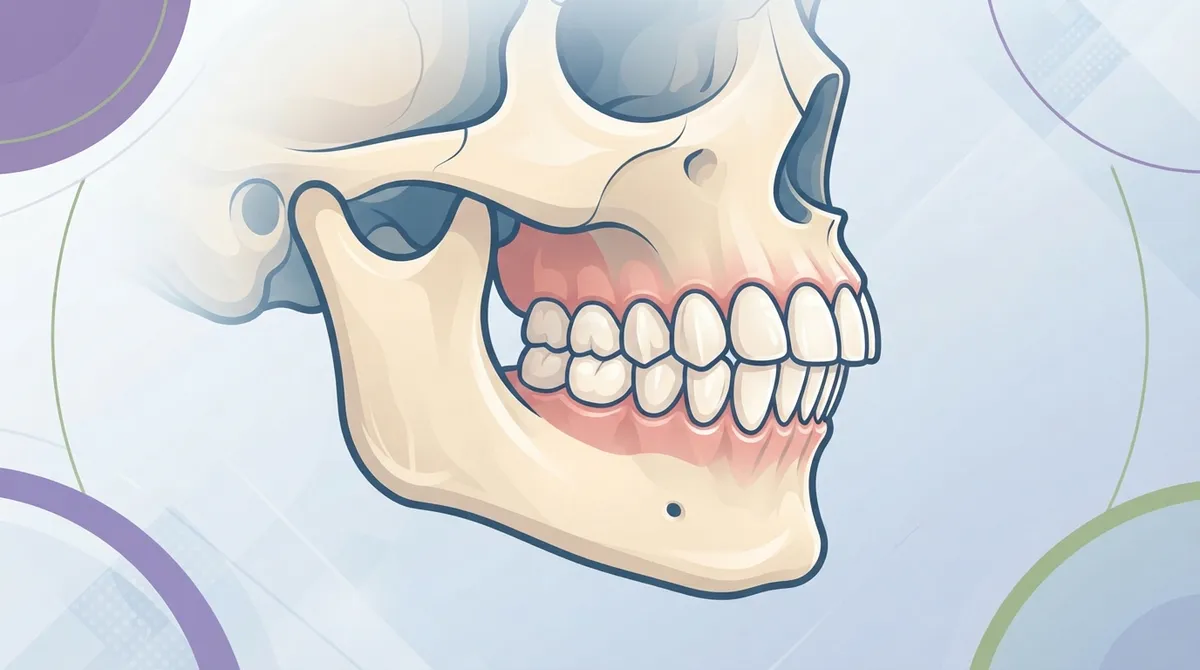
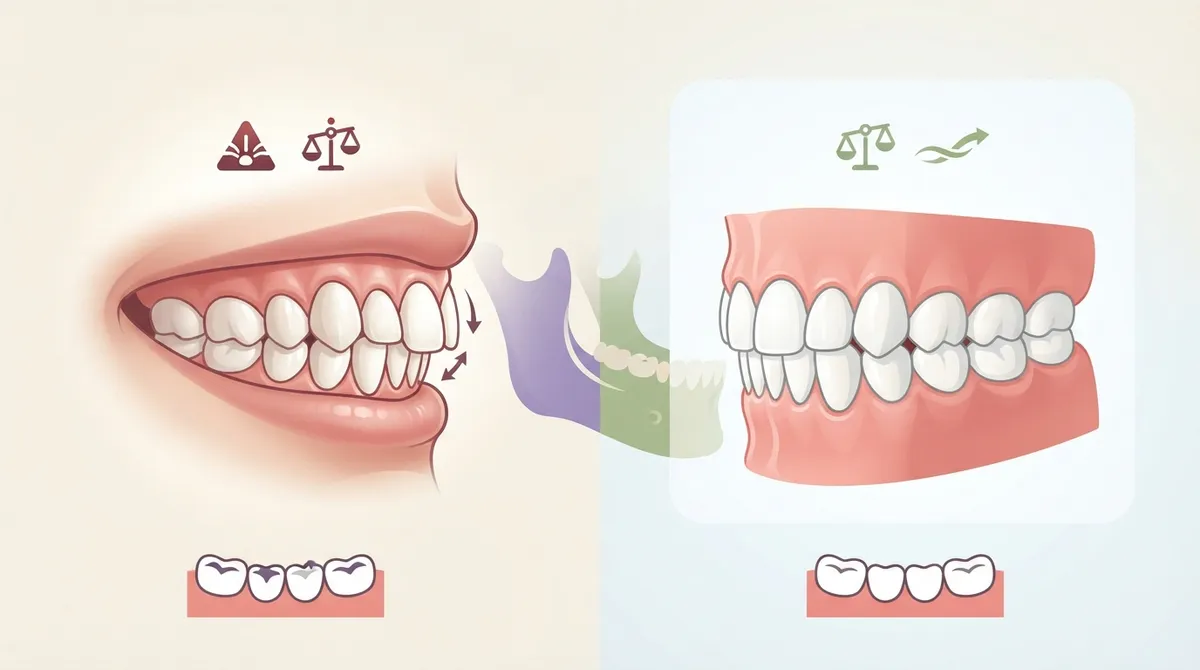
An overbite is the vertical overlap of your upper front teeth over your lower front teeth. A little overlap is normal. When the overlap is too deep, orthodontists often call it a deep bite.
Here is a simple way to picture it. When you bite down gently, your top teeth should cover a small part of your bottom teeth. If they cover most of them, that is an excessive overbite.
Overbite vs. Overjet: What Is the Difference?
These two words get mixed up all the time. They describe different things.
- Overbite: How far the upper teeth cover the lower teeth vertically (up and down).
- Overjet: How far the upper teeth stick out in front of the lower teeth horizontally (forward and back).
You can have one, the other, or both. An orthodontist checks for each during your exam, because the plan depends on the full picture.
Why Does an Overbite Matter?
Many people think an overbite is just about looks. Appearance matters, of course, and feeling confident in your smile is a real benefit. But a deep bite can also affect how your teeth wear and function.
Common concerns linked to a deep overbite include:
- Extra wear on the lower front teeth
- Trouble biting or chewing certain foods
- Jaw discomfort for some patients
- Feeling self-conscious about your smile
Not every overbite needs treatment. That is why a proper evaluation is so helpful. An orthodontist can tell you whether your bite is a simple cosmetic matter or something worth correcting for long-term comfort. If you are unsure, our guide on the signs you need braces is a great place to start.
What Causes an Overbite?
Overbites come from different sources. Knowing the cause helps shape the treatment plan.
- Dental causes: The teeth themselves are positioned in a way that creates too much overlap.
- Skeletal causes: The upper and lower jaws are different sizes or sit in different positions.
- A mix of both: Many bites involve a little of each.
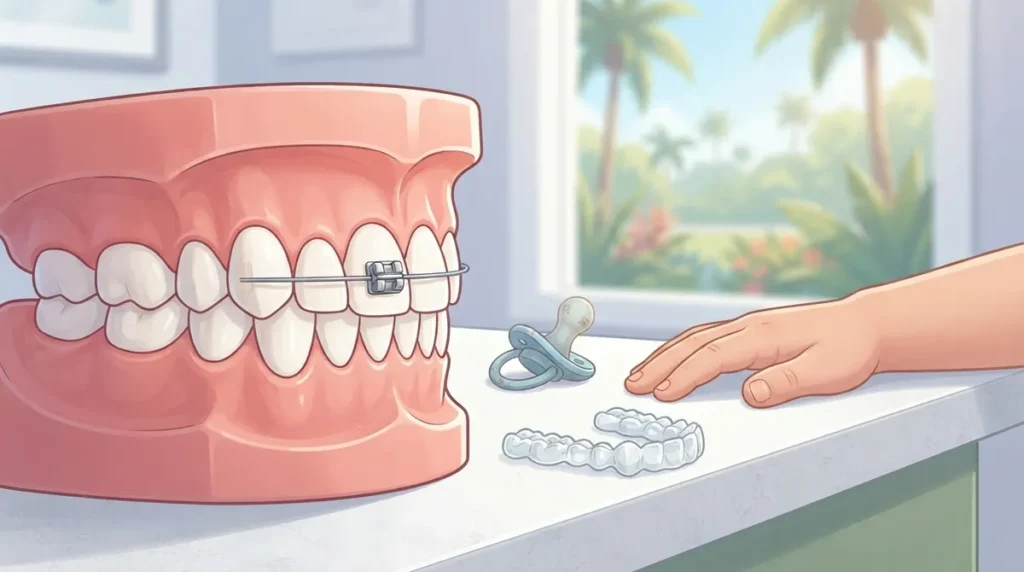
Habits can play a role too, especially in children. Thumb sucking and long pacifier use can influence how teeth and jaws develop. Genetics matter as well. If a parent has a deep bite, a child may be more likely to have one.
This is why a skilled evaluation matters so much. Braces alone may not address a large jaw-size or jaw-position difference, so the type of overbite guides every decision that follows.
How Do Braces Fix an Overbite?
Braces work by applying steady, gentle pressure that moves teeth into better positions over time. For an overbite, the orthodontist plans how to adjust the height and position of your front teeth so your bite fits together more comfortably.
Depending on your diagnosis, treatment may use metal or ceramic braces. In some cases, your orthodontist may add bite-opening features, such as bite turbos, to help the teeth settle into a healthier position. Elastics (small rubber bands) are another common tool, and wearing them as directed makes a big difference.
Curious about the different styles? Our overview of types of braces breaks down your options in plain language.
Braces Options at Segovia Orthodontics
At Segovia Orthodontics, Dr. Flor Segovia offers more than one path to a better bite. Two braces systems stand out for families in our community.
- LightForce Orthodontics: A fully digital system that uses 3D-printed brackets customized to fit each tooth. Clear or white brackets blend in more naturally, and digital planning can help treatment run efficiently.
- WildSmiles Braces: Fun bracket shapes like stars, flowers, and hearts that kids and teens love. When patients enjoy their braces, they tend to brush and care for them better.
Dr. Segovia is a board-certified orthodontist, and you can learn more about her background on our page for Orthodontist Flor Segovia. You can also verify orthodontic specialty credentials through the American Board of Orthodontics.
Can Clear Aligners Correct an Overbite Too?
Sometimes, yes. Clear aligners may work for selected mild-to-moderate overbites. Whether they are a good fit depends on your bite, the tooth movements needed, and your ability to wear the trays as directed.
Aligners are removable, which many busy adults love. The tradeoff is that they only work if you wear them most of the day. If you are curious how they stack up, take a look at our clear aligners page or our comparison of braces vs. clear aligners.
Our office also offers Angel Aligners, a clear aligner option that uses a 7+3 wear schedule and a frosted, low-shine finish designed to be discreet and comfortable. An orthodontist should compare your options only after examining your teeth and bite.
Braces vs. Clear Aligners for Overbite: A Quick Comparison
| Feature | Braces | Clear Aligners |
|---|---|---|
| Best suited for | Mild to more complex overbites | Selected mild-to-moderate cases |
| Visibility | Metal, ceramic, or clear brackets | Nearly invisible trays |
| Removable? | No, fixed in place | Yes, but must be worn as directed |
| Typical timeline* | Roughly 18-36 months | Roughly 12-24 months for some cases |
| Patient effort | Care for brackets, wear elastics if needed | High: wear trays most of the day |
*These are general estimates only, not a promise or a personalized prediction. Your own timeline depends on severity, growth, appliance choice, and how well you follow your plan.
Is It Different for Kids, Teens, and Adults?
Yes, and that is a good thing. Treatment can be tailored to your stage of life.
Children
The American Association of Orthodontics recommends an initial orthodontic checkup by age 7. This is a screening visit, not a sign that your child needs braces right away. For some growing kids, an early evaluation opens the door to growth-guiding appliances that help the jaws develop in a healthier way. Learn more about early orthodontic treatment and what it can do.
Teens
Teens often get great results with braces because their teeth and jaws are still adapting. Fun options like WildSmiles can make the experience easier. See our page on teen orthodontic treatment for more.
Adults
It is never too late. Many adults correct an overbite for comfort, confidence, or both. Some are tackling a bite that shifted after earlier treatment. Our adult orthodontics page explains discreet options that fit a busy life. For severe adult cases tied to jaw size, your orthodontist may talk with you about whether a surgical evaluation makes sense.
What Happens at an Overbite Consultation?
Walking into an orthodontic office for the first time can feel a little nerve-racking. Here is what usually happens, so there are no surprises.
- A friendly conversation. You share your concerns, goals, and health history.
- A bite and tooth exam. The orthodontist looks at how your teeth and jaws fit together.
- Digital records. Photos, scans, or X-rays help map out your bite.
- A diagnosis. You learn whether your overbite is mainly dental, skeletal, or a combination.
- Your options. You compare braces, aligners, or other appliances, along with likely timing and cost.
Want a closer look at what to expect? Read about your first orthodontic visit. If you want to feel extra prepared, our tips on how to prepare for your orthodontist consultation in Lakewood Ranch are worth a read.
How Long Will Treatment Take?
This is the question everyone asks, and the honest answer is: it depends. Treatment length varies with how severe the overbite is, whether the patient is still growing, the type of appliance, and how closely the plan is followed.
Local practices commonly quote broad estimates of about 18 to 36 months for braces and 12 to 24 months for some aligner cases. Treat those numbers as a rough range, not a guarantee. Your orthodontist can give you a much clearer picture after your exam.
A few habits help keep things on track:
- Wear your elastics exactly as instructed
- Brush and floss carefully every day
- Show up for every scheduled visit
- Avoid sticky, hard, or crunchy foods that can break brackets
Not sure what to skip? Check our list of foods to avoid with braces.
What Does It Cost, and Are There Payment Options?
Cost is a big question for most families. One local Lakewood Ranch-area practice page reports a broad range of about $3,000 to $7,000 for comprehensive braces, with example monthly payments around $150 to $200. Please treat those as practice-reported figures, not a verified market average.
Your actual cost depends on your diagnosis, the appliance you choose, and your treatment length. Always confirm current fees, what is included, and any insurance or financing terms directly with the office.
The good news is that there are ways to make treatment fit your budget. Take a look at our orthodontic financing options and our guide to how orthodontic payment plans actually work.
How Do You Keep Your New Bite in Place?
Finishing active treatment is a big celebration, but the work is not quite done. Teeth can shift over time, so retainers are an important final step. They hold your teeth in their new positions.
Follow your orthodontist’s retainer instructions closely and keep your follow-up visits. If you want to understand your choices, our page on orthodontic retainers explains how they work and why they matter. A little consistency now protects the smile you worked hard to earn.
Why Families Choose Segovia Orthodontics
We believe a great orthodontic experience should feel comfortable and supportive for the whole family. Segovia Orthodontics at Lakewood Ranch provides personalized treatment for all ages, with bilingual care in English and Spanish. You can see more about what sets us apart on our Why Choose Us page, or learn about the advanced orthodontic technology we use.
Want to hear from real patients? Visit our Segovia Orthodontics location on Google to read reviews from local families. You can also follow along with our Instagram page and say hello on our Facebook page.
Ready to Explore Braces for Overbite in Lakewood Ranch?
An overbite does not have to be something you simply live with. With the right evaluation and a plan built around your needs, braces for overbite in Lakewood Ranch can help you chew more comfortably and smile with more confidence.
The first step is simple: get a professional opinion. Whether you are checking on your child’s bite or finally tackling your own, a consultation gives you real answers and a clear path forward. When you are ready, request an appointment with our friendly team, or call us at 941-557-1333. We cannot wait to meet you and help you start your smile journey.
FAQs
Q: Can braces fix an overbite in adults?
A: Yes, braces can correct many overbites in adults by moving the teeth into a healthier position. It is never too late to start! Some severe adult cases tied to jaw size may need a surgical evaluation, which your orthodontist can talk through with you.
Q: How do I know whether my overbite needs treatment?
A: A little overlap is normal, but a deep bite can cause extra wear on teeth, chewing trouble, or jaw discomfort for some people. The easiest way to know is to have an orthodontist take a look. A quick consultation can tell you if treatment would help.
Q: Are braces or clear aligners better for correcting an overbite?
A: It depends on your bite. Braces work well for many overbites, while clear aligners may suit selected mild-to-moderate cases if you wear them as directed. Your orthodontist will compare both options after examining your teeth.
Q: Does a severe overbite require jaw surgery?
A: Not usually. Many overbites are corrected with braces or other appliances alone. Jaw surgery is only considered for some severe adult cases with a big jaw-size or jaw-position difference, and growing children may benefit from growth-guiding appliances instead.
Q: At what age should a child be evaluated for an overbite?
A: The American Association of Orthodontists recommends a first orthodontic checkup by age 7. This is just a screening visit, not a promise that your child needs braces. It simply helps catch bite concerns early so you can plan with confidence.
Our Service Area