Key Takeaways
-
Research shows no meaningful difference in total treatment time between Damon and traditional braces; the 'faster treatment' claim is largely marketing hype not supported by evidence.
-
Damon braces save only about 24 seconds per appointment by eliminating elastic tie changes, which does not translate to finishing treatment months earlier or requiring fewer total visits.
-
Traditional braces typically cost $3,000-$7,000 while Damon braces cost $4,000-$8,000; choose based on your specific case complexity and budget, not brand reputation.
-
Both systems can treat all major orthodontic problems identically; your treatment timeline depends on tooth crowding, bite issues, age, and compliance—not bracket type.
-
The orthodontist's skill and experience matters far more than the bracket brand; a skilled provider using traditional braces often achieves better results than rushed treatment with trendy technology.
-
Current research does not show clear comfort differences between Damon and traditional braces; choose based on your lifestyle, appearance preferences, and your orthodontist's professional recommendation for your specific needs.
If you or your child needs braces, you have probably heard about Damon braces. Maybe a friend mentioned them. Maybe you saw an ad online. And now you are wondering: are Damon braces really better than traditional braces? For families in Bradenton, this question matters a lot. You want the best choice for your smile, your budget, and your busy life. Let’s break down the real facts, without the marketing hype, so you can make a smart decision.
At Segovia Orthodontics in nearby Lakewood Ranch, Dr. Flor Segovia helps patients from Bradenton and surrounding areas compare their options every day. She believes every patient deserves clear, honest information before starting treatment. This guide will walk you through what Damon braces actually are, how they compare to traditional braces, and what really matters when choosing your path to a straighter smile.
What Are Damon Braces, Exactly?
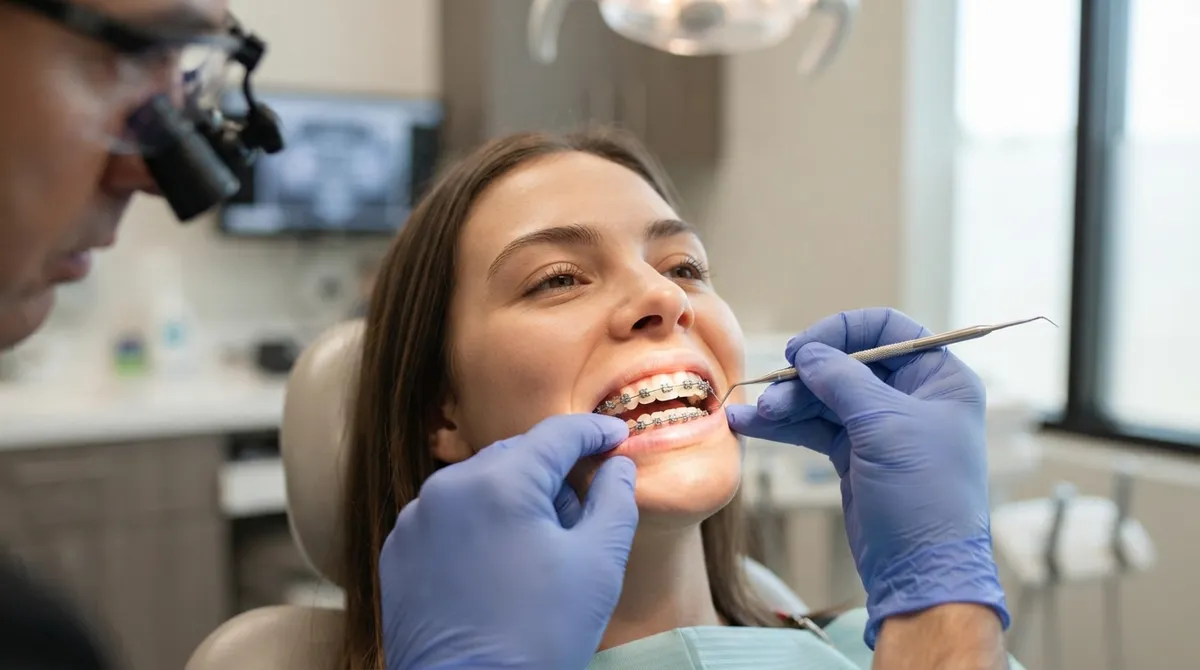
Damon braces are a brand of self-ligating braces. That’s a fancy term for a simple idea. Instead of using tiny rubber bands (called elastic ligatures) to hold the wire in place, Damon brackets have a built-in sliding door or clip. This clip holds the archwire without extra parts.
Traditional braces, on the other hand, use those small elastic ties to keep the wire snug in the bracket. Your orthodontist changes these ties at each visit. They come in fun colors too, which many kids and teens love picking out.
Both systems do the same basic job. They apply gentle, steady pressure to move your teeth into better positions over time. Neither one is magic. Both rely on skilled treatment planning to work well.
How the Bracket Design Actually Works
Think of traditional brackets like a door held shut with a rubber band. Damon brackets are more like a door with a built-in latch. The wire slides through more freely in a Damon bracket. This is the main mechanical difference between the two systems.
This difference sounds significant. But does it actually translate into a better result for you? Let’s look at what the evidence really shows.
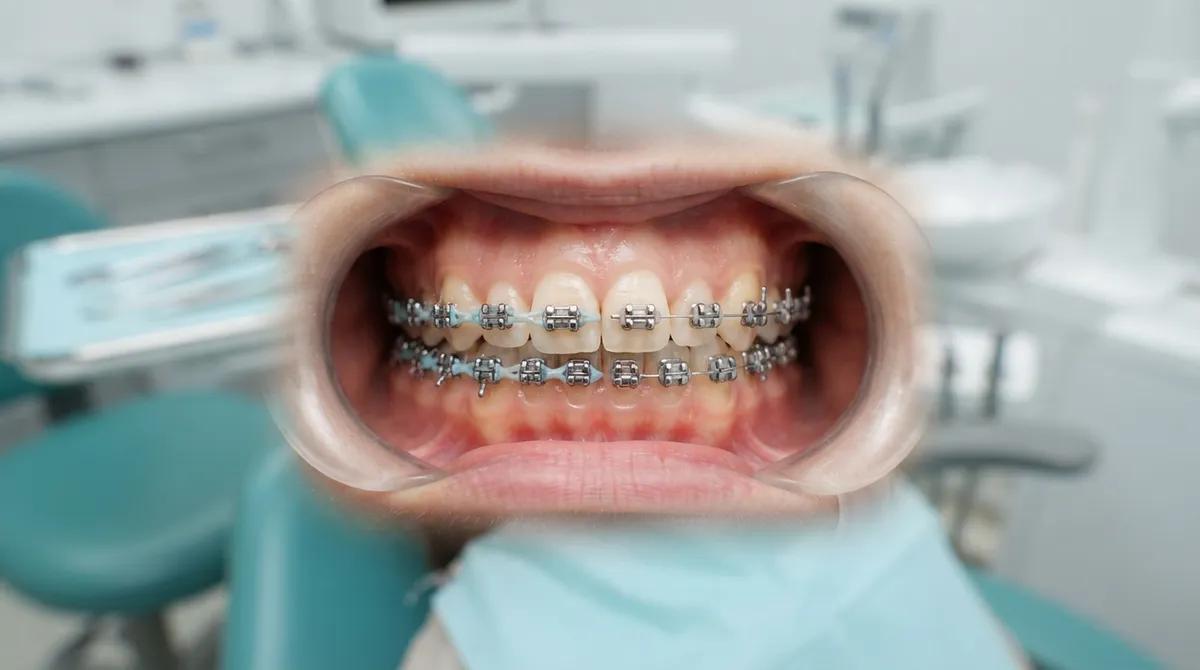
Damon vs Traditional Braces Bradenton: Comparing the Real Facts
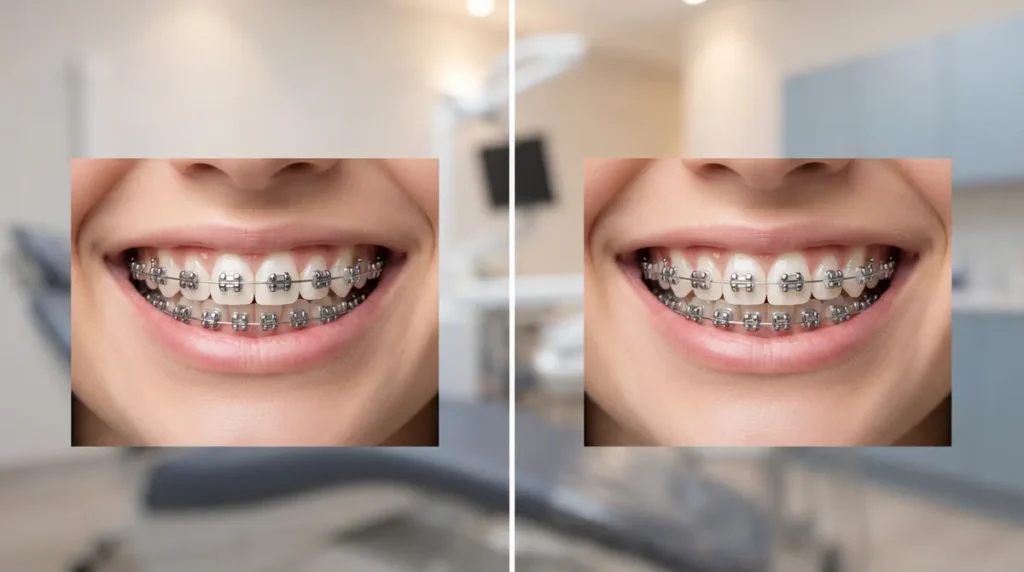
Here is a simple table to help you compare the two options side by side.
| Feature | Damon Braces (Self-Ligating) | Traditional Braces |
|---|---|---|
| Wire attachment method | Built-in clip or door | Elastic or metal ties |
| Typical cost range | $4,000 to $8,000 | $3,000 to $7,000 |
| Chair time per adjustment | Slightly shorter (about 24 seconds less per wire change) | Standard adjustment time |
| Total treatment time | No proven significant advantage | Comparable, based on case complexity |
| Available materials | Metal or clear/ceramic | Metal, ceramic, and other custom options |
| Best for | Patients wanting fewer visible ties | Patients wanting proven, budget-friendly results |
Notice something important here? The differences are actually pretty small. Most of the big claims about Damon braces being “way faster” simply are not backed by strong evidence.
Does Damon Really Mean Faster Treatment?
This is probably the biggest question on your mind. Ads for Damon braces often promise treatment that finishes months sooner. But what does the research actually say?
A 2013 review by Celar and colleagues looked closely at this question. They found no meaningful difference in total treatment time between self-ligating and traditional brackets. A separate 2010 review by Kaklamanos and Athanasiou reached a similar conclusion. The evidence for major overall benefits was limited.
More recently, a 2025 article reviewing public perceptions of Damon braces confirmed this pattern. Prior studies did not show major advantages in treatment speed, comfort, or final bite results. So where does the “faster” idea come from?
The Small Chair-Time Difference
Here’s the honest truth. Self-ligating brackets can save about 24 seconds per wire change during your appointment. That’s it. That’s a real, measured benefit. But 24 seconds is not the same as finishing your treatment four to six months early.
Some appointments may go a bit faster because your orthodontist does not need to remove and replace tiny elastic ties. But this does not mean you’ll need fewer total appointments or a shorter overall plan. Your treatment timeline still depends mostly on your specific dental issues.
What Actually Determines Your Treatment Timeline?
According to the American Board of Orthodontics, most patients wear braces for about 12 to 24 months. The exact number depends on several factors, not on the bracket brand you choose.
- How crowded or spaced out your teeth are at the start
- Whether you have a bite problem like an overbite, underbite, or crossbite
- Your age and how your jaw is still growing (especially important for kids and teens)
- How well you follow your orthodontist’s instructions, like wearing rubber bands
- How often you make it to your adjustment appointments
- Whether any teeth need extra attention, like impacted teeth
Adjustment visits typically happen every four to twelve weeks, depending on where you are in treatment. This schedule is fairly similar whether you have Damon braces or traditional metal braces.
Comfort Level: Do Damon Braces Really Hurt Less?
Many patients ask if Damon braces feel gentler than traditional braces. It’s a fair question, especially if you remember stories about braces being painful.
The truth is, current research does not show a clear, consistent difference in discomfort between the two systems. Some patients report Damon braces feel a bit smoother because there are no elastic ties to catch on your cheek. Others notice no difference at all.
Soreness after adjustments is common with any type of braces. This usually fades within a few days as your mouth adjusts to the new pressure. Good news: this soreness is temporary no matter which system you choose.
Which Orthodontic Problems Can Each System Treat?
Here’s something that might surprise you. Both Damon and traditional braces can treat almost all the same orthodontic problems. This includes:
- Crowded teeth that need more room to align properly
- Gaps or spacing issues between teeth
- Overbites, where upper teeth stick out too far
- Underbites, where the lower jaw juts forward
- Crossbites, where upper and lower teeth don’t line up correctly
- Complex cases involving jaw alignment
The right system for you depends less on the bracket brand and more on your specific diagnosis. This is exactly why a thorough orthodontic evaluation matters so much before you start any treatment.
Cost Considerations for Bradenton Families
Let’s talk money, because this matters for real families making real decisions. Nationally, traditional braces usually run about $3,000 to $7,000. Damon and other self-ligating braces tend to cost a bit more, often $4,000 to $8,000.
These are broad estimates, not guaranteed Bradenton prices. Your actual cost depends on:
- How complex your case is
- Whether you choose metal or clear/ceramic brackets
- Your insurance coverage, if any
- The specific practice and their fee structure
- Whether financing or payment plans are available
Before committing to any treatment, always ask for a written estimate. This should show the total fee, plus costs for records, retainers, emergency visits, and adjustments. Learning about orthodontic financing options ahead of time can help you plan your budget with confidence.
Are Damon Clear Braces Less Noticeable?
For many teens and adults, appearance matters a lot. Damon braces do come in clear or ceramic versions, which are less noticeable than metal. But keep in mind, clear brackets:
- Usually cost more than the metal version
- May be more prone to staining over time
- Can sometimes be a bit more fragile than metal brackets
- May have slightly more friction, affecting comfort for some patients
If a low-profile look is your priority, it’s worth discussing all your discreet options with your orthodontist. Segovia Orthodontics offers several types of braces, including modern systems designed with subtlety in mind.
Steps to Choosing the Right Braces for Your Smile
Feeling a bit overwhelmed by all these details? Here’s a simple step-by-step approach to help you decide.
- Schedule a consultation with a board-certified orthodontist for a full clinical exam
- Get proper imaging and photographs to understand your unique dental situation
- Ask specific questions about your case, not just general brand comparisons
- Request a detailed written estimate covering the entire treatment
- Compare insurance coverage and financing options side by side
- Consider your lifestyle, like sports, work meetings, or upcoming events
- Trust your orthodontist’s professional recommendation based on your specific needs
This process matters more than the brand name on your brackets. A skilled provider using traditional braces can often achieve better results than a rushed treatment plan using trendy technology.
Why the Orthodontist Matters More Than the Bracket Brand
Here’s something worth remembering. The single biggest factor in your treatment success is not Damon versus traditional. It’s the skill and experience of your orthodontist.
Dr. Flor Segovia is a board-certified orthodontist who brings years of training to every case. She uses advanced orthodontic technology to plan treatment carefully, whether a patient chooses traditional braces, self-ligating systems, or clear aligners.
Things that truly impact your results include:
- The orthodontist’s experience with cases similar to yours
- How well the treatment plan is customized to your mouth
- Appointment availability that fits your family’s schedule
- How closely you follow instructions, like wearing elastics or a retainer
- Long-term retainer use after your braces come off
Fun Options for Kids and Teens
Speaking of making treatment easier to stick with, did you know braces can actually be fun? At Segovia Orthodontics, kids and teens can choose WildSmiles Braces, which feature playful shapes like stars, hearts, and even Mickey Mouse designs.
When treatment feels exciting instead of like a chore, patients tend to brush better and follow instructions more closely. This can make a real difference in how smoothly treatment goes, no matter which bracket system you pick.
For patients wanting a cutting-edge option, LightForce Orthodontics offers fully custom, 3D-printed brackets designed specifically for each patient’s teeth. This modern approach can improve comfort and, in some cases, help treatment move more efficiently.
What About Clear Aligners as an Alternative?
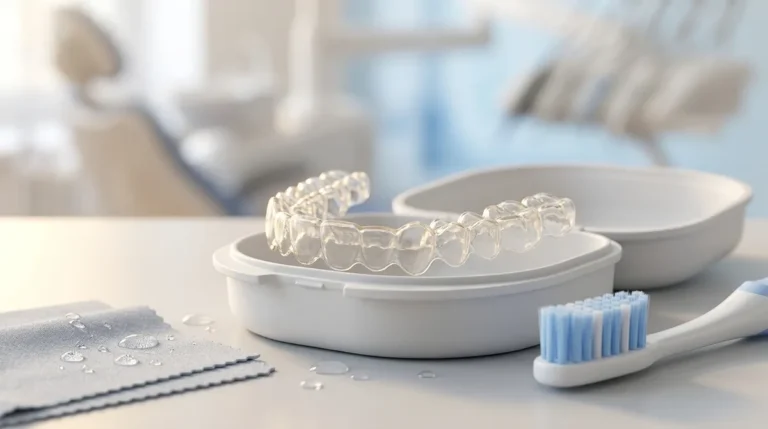
If neither Damon nor traditional braces sound appealing, clear aligners might be worth exploring. Many busy professionals and image-conscious teens prefer this nearly invisible option. Segovia Orthodontics offers both traditional clear aligners and Angel Aligners, which use a fast-tracked wear schedule to help some patients see results more quickly.
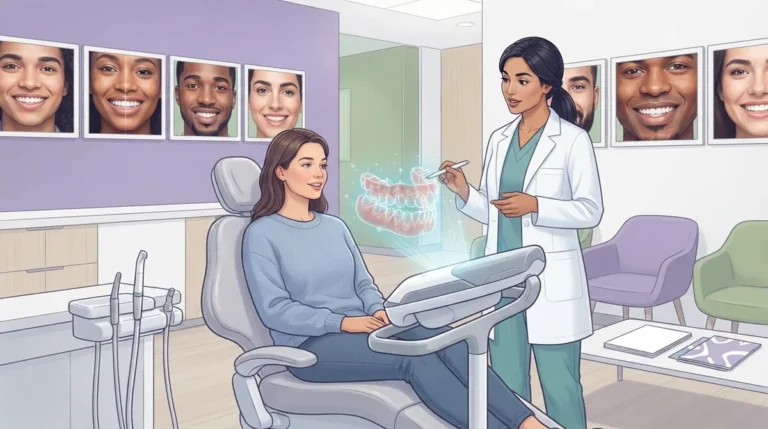
Every treatment option has its own pros and cons. The best way to find your fit is a personal consultation where your specific needs are the focus, not just a brand comparison.
Life Events and Timing Your Treatment
Got a wedding, graduation, or big career event coming up? Timing matters. Whether you choose Damon braces, traditional braces, or clear aligners, starting early gives you the best shot at a confident smile when it counts.
Since total treatment time is fairly similar across bracket systems, don’t wait around hoping one option will magically finish faster. Instead, book your consultation now so your orthodontist can map out a realistic timeline for your specific goals.
Take the Next Step Toward Your Best Smile
Choosing between Damon and traditional braces doesn’t have to feel confusing. The real key is finding a trusted, experienced orthodontist who takes time to understand your unique smile goals. Whether you’re a parent exploring options for your child, a professional wanting a discreet treatment, or an adult ready to fix old orthodontic relapse, the right plan starts with a good conversation.
Curious what real patients say about their experience? You can visit us on Google — Segovia Orthodontics to read reviews from Bradenton and Lakewood Ranch families. You can also follow along on our Facebook page or check out smile transformations on our Instagram page for a peek at real results.
Ready to find out which braces option truly fits your life and your smile? Request an appointment today, or simply call us at 941-557-1333 to speak with our friendly team. We can’t wait to help you start your journey to a smile you’ll love showing off.
FAQs
Q: What is the main difference between Damon braces and traditional braces?
A: The main difference is how the wire attaches to the bracket. Damon braces use a built-in clip or door, while traditional braces use small elastic ties. Both types work the same way to gently move your teeth into place, so don’t worry, you’re in good hands either way!
Q: Are Damon braces really faster than traditional braces?
A: Not by much, honestly. Research studies have not found a significant difference in total treatment time between the two systems. Self-ligating brackets like Damon may save a few seconds during wire changes, but this doesn’t add up to months of faster treatment.
Q: How much do Damon braces cost compared to traditional braces in Bradenton?
A: Nationally, traditional braces typically cost $3,000 to $7,000, while Damon braces run a bit higher at $4,000 to $8,000. Your actual price depends on your specific case, so it’s always best to get a personalized quote from your orthodontist.
Q: Do Damon braces hurt less than regular braces?
A: Not really, current evidence doesn’t show a clear pain difference between the two. Some patients feel a bit more comfortable without elastic ties rubbing on their cheeks, but soreness after adjustments is normal with any braces and fades within a few days.
Q: Which type of braces is better for severe crowding or bite problems?
A: Both Damon and traditional braces can treat crowding, overbites, underbites, and crossbites effectively. The best choice really depends on your specific case, which is why a thorough evaluation with your orthodontist is so important before deciding.
Our Service Area