Key Takeaways
-
Ceramic braces cost $1,000 more on average than metal braces ($4,000–$8,000 vs. $3,000–$7,000) because you're paying for aesthetics, not better results—both deliver similar straightening outcomes.
-
Ceramic brackets are more brittle and can chip under pressure, making metal braces the safer choice for kids in sports or complex bite corrections; ceramic requires dietary caution and consistent care.
-
Treatment time averages 12–24 months regardless of bracket type; success depends on your bite severity, jaw growth, orthodontist skill, and how well you follow instructions and attend adjustments.
-
Ceramic's elastic ties stain from coffee and tea but get replaced at each visit, while insurance typically covers both types equally—call your provider to confirm if ceramic costs more out-of-pocket.
Standing in front of the mirror, picturing metal brackets or a more subtle option? You’re not alone. Every week, parents, professionals, and adults ready for a second chance at a straight smile walk into our office asking the same question: metal or ceramic? Both can absolutely get you to your goal, but the right pick depends on your budget, your lifestyle, and how your teeth need to move. Let’s break it down together, in plain, friendly terms, so you can walk into your consultation feeling confident and prepared.
Whether you’re a busy mom juggling carpool and orthodontic appointments, a young professional who wants a discreet fix before a big presentation, or an adult ready to correct old relapse, this guide covers the facts you actually need. We’ll look at cost, comfort, durability, and how each option fits into real life in Lakewood Ranch. By the end, you’ll know exactly which questions to ask at your next visit to Segovia Orthodontics.
1. Metal Braces Are Built From Stainless Steel and Made to Last
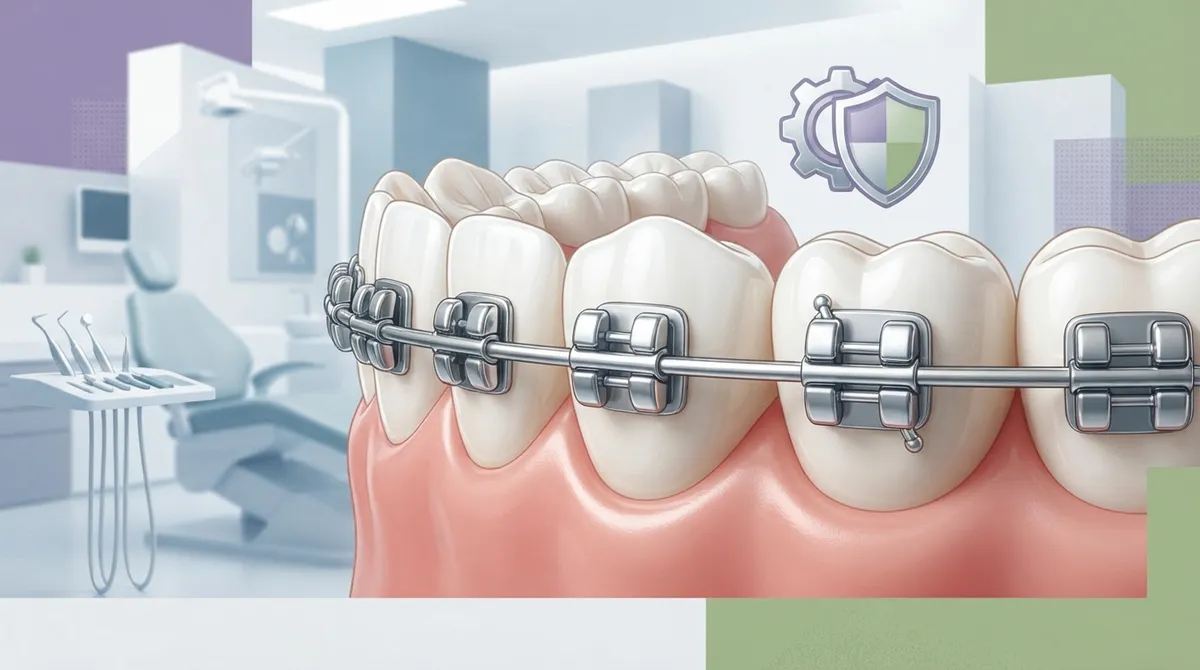
Metal braces use small stainless-steel brackets glued to each tooth, connected by a thin archwire. They’re the classic choice for a reason. This material is incredibly tough, so it handles complex bite corrections without chipping or breaking under pressure. If your child plays sports or you know you’re rough on dental work, metal is often the safer bet.
2. Ceramic Braces Blend In With Your Natural Tooth Color
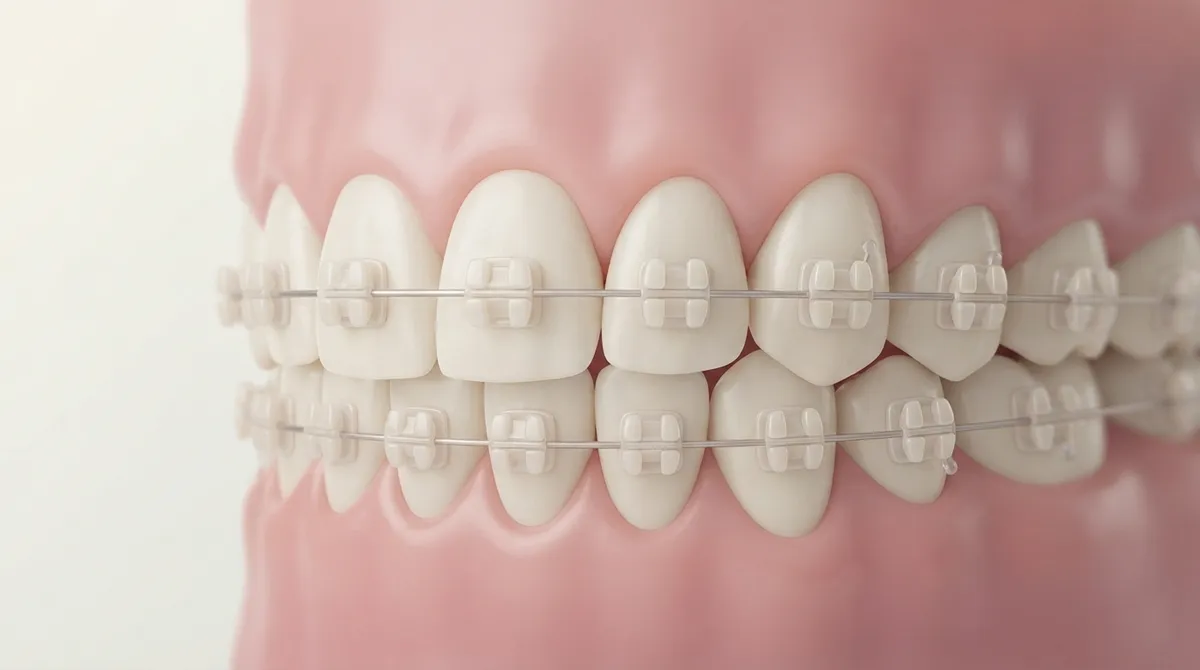
Ceramic braces work the same way as metal ones, but the brackets are made from a tooth-colored or clear material. This makes them much less noticeable from a few feet away. The archwire can still catch some light unless you ask about a tooth-colored wire option, so it’s worth mentioning during your orthodontist consultation.
3. Both Options Deliver Similar Results When Done Right
Here’s some good news: metal and ceramic braces can produce comparable results for straightening teeth and fixing bite issues. What really matters is the treatment plan, your orthodontist’s skill, and how well you follow instructions at home. Neither material is inherently “better” at moving teeth—they just look different while doing it.
Why Treatment Success Depends on More Than Bracket Type
Your bite, jaw growth, crowding level, and how often you show up for adjustments all play bigger roles than whether you chose metal or ceramic. This is why a custom evaluation matters so much before starting treatment.
4. Lakewood Ranch Braces Pricing: What to Expect
Cost is usually the first question families ask. Based on local estimates, here’s a general breakdown to help you plan your budget.
| Braces Type | Estimated Price Range | Best For |
|---|---|---|
| Traditional Metal Braces | $3,000 – $7,000 | Complex cases, kids, teens, budget-conscious patients |
| Ceramic Braces | $4,000 – $8,000 | Patients wanting a subtler look, mild to moderate cases |
Keep in mind these are planning ranges, not guaranteed quotes. Actual pricing depends on treatment length, complexity, and what’s included, like retainers or diagnostic imaging. For a full breakdown, check out our Braces Price Lakewood Ranch guide.
5. Ceramic Braces Typically Cost More—Here’s Why
Ceramic brackets require specialized materials that cost more to manufacture. Some general estimates suggest ceramic braces run about $1,000 more than metal braces on average. You’re paying for the aesthetic benefit, not necessarily a difference in how well they work.
6. Durability Matters More Than You Might Think
Ceramic brackets are more brittle than metal ones. They can chip or break if you bite into something hard or experience a sports injury. This is one reason your orthodontist might steer you toward metal braces for severe crowding or complicated bite corrections. If you do choose ceramic, extra care around your diet becomes even more important.
Simple Ways to Protect Ceramic Brackets
- Avoid hard foods like ice, nuts, and hard candy.
- Wear a mouthguard during any sports activity.
- Cut fruits and raw vegetables into smaller pieces.
- Skip chewing on pens, pencils, or fingernails.
- Attend every adjustment appointment to catch small issues early.
7. Staining Is a Real Concern With Ceramic Braces
The ceramic material itself usually resists stains well. But the small elastic ties holding the wire in place can pick up color from coffee, tea, red sauces, and tobacco. The good news? These ties get replaced at every adjustment visit, so any staining is temporary. Still, it’s something to think about if you love your morning coffee.
8. Treatment Time Depends on Your Case, Not Just Bracket Type
Many patients assume ceramic braces take longer to work than metal ones. That’s mostly a myth. According to the American Board of Orthodontics, most people wear braces for about 12 to 24 months regardless of material. What actually affects your timeline includes:
- How crowded or spaced your teeth are
- Your jaw alignment and growth patterns
- How consistently you wear rubber bands or other appliances
- Your oral hygiene habits during treatment
- How often you make it to scheduled adjustment visits
9. Adjustment Visits Follow a Similar Schedule
Whether you choose metal or ceramic, you’ll typically visit the office every 4 to 12 weeks for adjustments. These visits let your orthodontist tighten wires, swap elastics, and check your progress. Sticking to this schedule is one of the best things you can do to keep treatment on track, no matter which braces you choose. Learn more about what happens during these visits on our braces adjustments page.
10. Insurance Coverage Works a Bit Differently for Each Option
Most dental insurance plans apply the same lifetime orthodontic maximum no matter which braces you pick. This means if you choose ceramic for the aesthetic upgrade, you might pay more out of pocket for the difference. It’s smart to call your insurance provider and ask directly about coverage before committing. Our team can also help you understand your options through orthodontic financing plans designed to make either choice more affordable.
Questions to Ask Your Insurance Provider
- Does my plan cover orthodontic treatment for adults or only children?
- Is there a lifetime maximum, and how much of it is already used?
- Does ceramic braces coverage differ from metal braces coverage?
- Are retainers included after treatment finishes?
11. Choosing Between Metal and Ceramic Comes Down to Your Priorities
So how do you actually decide? Start by thinking about what matters most to you.
- Budget-focused families often lean toward metal braces because they’re typically more affordable and just as effective.
- Image-conscious professionals preparing for job interviews or client meetings may prefer the subtler look of ceramic.
- Parents of active kids in sports might choose metal for its extra durability.
- Adults returning for relapse correction often want a treatment that fits smoothly into their established routines and appearance goals.
- Teens balancing school and social life sometimes want a fun option, like WildSmiles Braces, that makes wearing braces something to look forward to instead of dread.
If neither metal nor ceramic feels like the right fit, remember there are other paths too. Clear aligners and LightForce Orthodontics, our fully digital, custom-fitted bracket system, offer additional ways to reach your smile goals with options that may reduce treatment time by up to 45%.
Comparing Metal and Ceramic Braces Side by Side
| Feature | Metal Braces | Ceramic Braces |
|---|---|---|
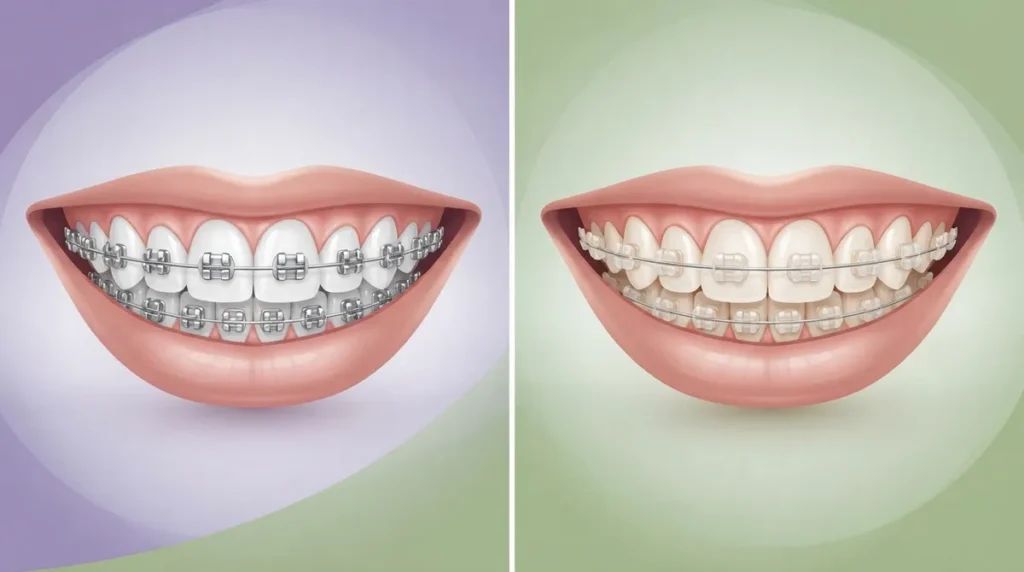
| Visibility | Noticeable | Blends with teeth |
| Durability | Very strong | Can chip or crack |
| Average Cost | $3,000–$7,000 | $4,000–$8,000 |
| Staining Risk | Low | Elastic ties can stain |
| Best For | Complex cases, active lifestyles | Aesthetic priority, moderate cases |
What to Bring Up During Your Lakewood Ranch Consultation
A good consultation should feel like a conversation, not a sales pitch. Come prepared with questions like these:
- Which braces type fits my specific bite issue best?
- What’s my estimated treatment timeline?
- How does pricing compare between metal and ceramic for my case?
- What happens if a ceramic bracket chips?
- Do you offer payment plans or financing options?
Dr. Flor Segovia is a board-certified orthodontist who provides bilingual care in English and Spanish, so language never has to be a barrier to understanding your treatment plan. Learn more about her background on our meet Dr. Segovia page.
Real Families, Real Results in Lakewood Ranch
We love seeing patients light up when they see their finished smiles. From nervous first-timers to adults finally addressing years of relapse, every journey looks a little different. You can visit us on Google — Segovia Orthodontics to see what our patients are saying, or check out our Facebook page and our Instagram page for smile transformations and office updates.
Ready to Choose the Right Braces for You?
Metal and ceramic braces both offer proven paths to a straighter smile. The right choice depends on your budget, lifestyle, and treatment needs, and that’s exactly what a personalized consultation is for. Our friendly team at Segovia Orthodontics is here to walk you through every option, answer your questions, and help you feel confident about your decision. Ready to get started? Request an appointment today, or call us at 941-557-1333 to speak with our team. You can also contact us with any questions before your visit. We can’t wait to help you start your smile journey!
FAQs
Q: Are ceramic braces better than metal braces for patients in Lakewood Ranch?
A: It really depends on your priorities! Ceramic braces blend in more with your teeth, which many adults and teens love. But metal braces are tougher and often more budget-friendly, so ‘better’ truly comes down to your personal needs and your orthodontist’s recommendation.
Q: How much do metal braces cost in Lakewood Ranch, Florida?
A: Local estimates put traditional metal braces at roughly $3,000 to $7,000. Your exact price depends on how complex your case is, how long treatment takes, and what’s included like retainers, so it’s best to get a written treatment plan during your consultation.
Q: Do ceramic braces take longer to work than metal braces?
A: Not usually! Most patients wear braces for about 12 to 24 months no matter which type they choose. Treatment length depends more on your bite, crowding, and how well you follow your orthodontist’s instructions than on the bracket material itself.
Q: Can ceramic braces stain or break?
A: The ceramic brackets themselves resist stains pretty well, but the small elastic ties can pick up color from coffee, tea, or tobacco between visits. Ceramic brackets are also more brittle than metal, so they can chip if you bite down on something hard.
Q: Does dental insurance cover ceramic braces in Lakewood Ranch?
A: Many insurance plans apply the same orthodontic lifetime maximum to both metal and ceramic braces, which means you might pay extra out of pocket for the ceramic upgrade. It’s always a good idea to call your provider directly to confirm your specific benefits.
Our Service Area