Key Takeaways
-
Phase Two is not automatic: many children finish early treatment in one phase, and orthodontists recommend a second phase only when early care cannot solve a specific issue like jaw growth, bite problems, or crowding.
-
Phase Two usually begins after most or all permanent teeth have erupted, following a resting period with short check-ups so the orthodontist can time the start correctly.
-
When choosing a Bradenton-area orthodontist, confirm the clinician is a true orthodontist, that they evaluate children for Phase Two, and that they offer the appliance types you need.
-
Ask for a written cost estimate covering fees, payment plans, and insurance, since costs depend on bite complexity, appliance type, and how closely the child follows care instructions.
-
Phase Two options include traditional metal braces, clear or ceramic braces, digital custom braces, and clear aligners, with the right choice depending on the child's bite and habits.
-
Retainers are essential after Phase Two to keep teeth from drifting back, so ask your orthodontist which retainer to use and how long to wear it.
If your child finished early orthodontic treatment and now you are looking for phase two braces near Bradenton, you are in good company. Many Manatee County parents reach this exact moment: the first stage is done, the permanent teeth are coming in, and the big question is, “What happens next?”
The good news is that this stage can feel much simpler once you know what Phase Two is and how to pick the right orthodontist. Phase Two is the comprehensive stage of care. It usually starts once most or all permanent teeth are in, and it aligns the teeth and fine-tunes the bite.
In this friendly guide, we will walk you through each step. You will learn what Phase Two means, how to know if your child needs it, which questions to ask, and how to compare local offices with confidence. Grab a coffee, and let’s get started!
What Phase Two Braces Actually Mean
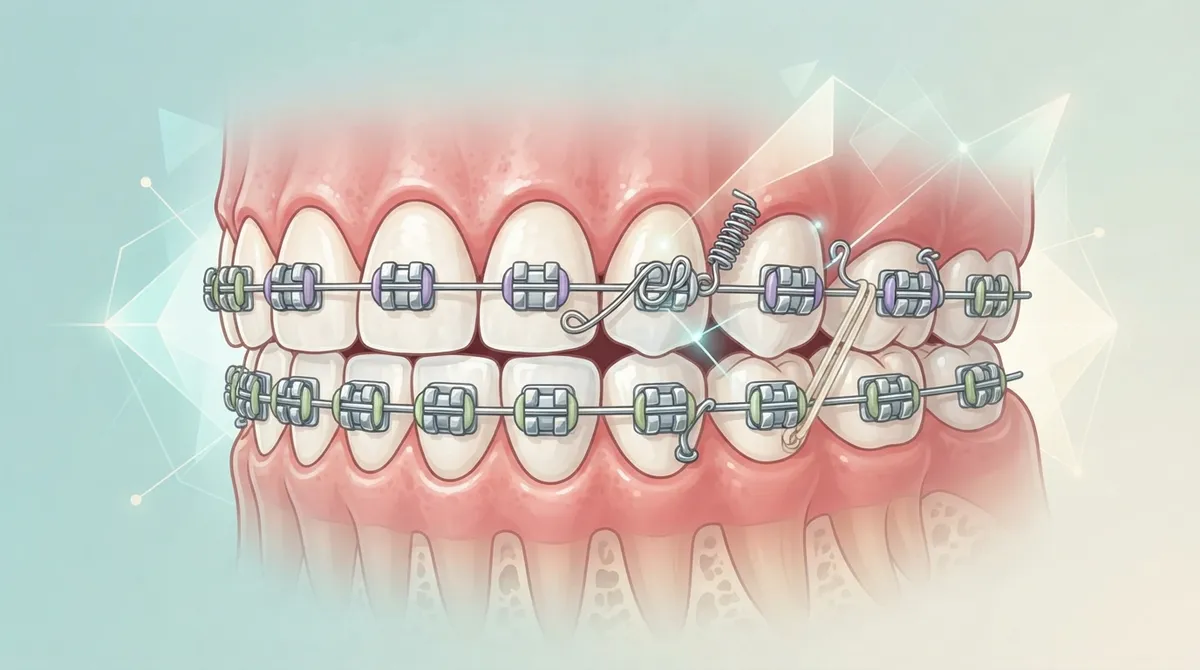
“Phase Two braces” is a common phrase for the second stage of two-phase orthodontic care. Phase One is early treatment, often started while a child still has baby teeth. Phase Two comes later, when most or all adult teeth have erupted.
Think of it like building a home. Phase One lays the foundation by guiding jaw growth or making room for teeth. Phase Two is the finishing work, where every tooth is placed just right and the bite is polished so it works well.
Phase Two can use several tools, depending on your child’s needs:
- Traditional metal braces
- Clear or ceramic braces
- Clear aligners for the right cases
Want a deeper look at the two-step approach? Our guide on two-phase orthodontic treatment explains the full picture in simple terms.
Does Every Child Need Phase Two?
Here is a point that surprises many parents: Phase Two is not automatic. Not every child who has early treatment needs a second round of braces. Many children are treated in just one comprehensive phase.
An orthodontist usually recommends two phases only when early care can solve a specific concern. These concerns may include jaw growth issues, a problem bite, serious crowding, or teeth that are not coming in properly.
After Phase One, the orthodontist checks how your child is growing and how the remaining teeth are arriving. Then they decide if Phase Two is needed. Sometimes the early work does so well that no more braces are required.
If you are curious about why early care matters, read about early orthodontic treatment and how it can set kids up for success.
The Resting Period Between Phases
Most families notice a quiet stretch between Phase One and Phase Two. This is called the resting period, and it is completely normal.
During this time, your child’s jaws keep growing and the rest of the permanent teeth move into place. The orthodontist often schedules short check-ups to watch progress. These visits are quick, and they help the team pick the best moment to begin Phase Two.
Do not worry if this pause lasts a while. It is not a delay. It is simply the mouth getting ready for the next step.
How to Find Phase Two Braces Near Bradenton: Step by Step
Finding the right orthodontist does not have to feel stressful. Follow these steps, and you will feel ready and confident.
- Confirm the provider is an orthodontist. Ask whether the clinician is a specialist in braces and bite correction. You can learn what that credential means on the American Board of Orthodontics website.
- Check that the office treats children and teens. Make sure they regularly evaluate kids for Phase Two care.
- Look at location and schedule. A convenient office with flexible hours makes it easier to keep every appointment.
- Ask about appliance choices. Find out if they offer metal braces, clear braces, and aligners.
- Book a consultation. A personal exam is the only way to know what your child truly needs.
- Get costs in writing. Request a clear estimate that covers fees, payment plans, and insurance.
Local search results show several practices serving Bradenton and nearby areas. Always verify current services, credentials, location, availability, and fees directly with each office, since details can change.
Phase One vs. Phase Two at a Glance
Sometimes a side-by-side look makes everything click. Here is a simple comparison.
| Feature | Phase One | Phase Two |
|---|---|---|
| Typical timing | Early, while baby teeth remain | After most or all permanent teeth arrive |
| Main goal | Guide growth, make room, fix early problems | Align every tooth and perfect the bite |
| Common tools | Expanders, partial braces, other appliances | Full braces or clear aligners |
| Is it always needed? | Only when early care helps a specific issue | Only if teeth or bite still need finishing |
No two smiles are the same, so your orthodontist will shape the plan around your child.
When Should You Start the Conversation?
The American Association of Orthodontists suggests a first check-up by age 7. This is an evaluation, not a promise that your child needs braces right away. It simply gives the orthodontist a chance to spot problems early and tell you if you should wait, watch, or act.
If your child already had Phase One, ask the orthodontist when to begin planning for Phase Two. Teens may be ready around the time most adult teeth have come in. Your orthodontist will tell you the best timing.
Not sure what to expect at that first meeting? Take a peek at what happens at a first orthodontic visit so you can walk in feeling prepared.
Phase Two Options: Braces and Aligners
Today’s families have more choices than ever. The right pick depends on your child’s bite, habits, and goals.
Metal and Fun-Shaped Braces
Traditional braces are strong and reliable, and they handle many complex cases well. Some practices also offer fun bracket shapes that kids love, like stars and hearts, which can make wearing braces feel exciting. At Segovia Orthodontics, kids can explore WildSmiles braces that turn treatment into something to smile about.
Digital Custom Braces
Some modern systems use 3D printing to make braces fitted to each tooth. LightForce orthodontics is one example, and it can offer a comfortable fit and efficient planning.
Clear Aligners
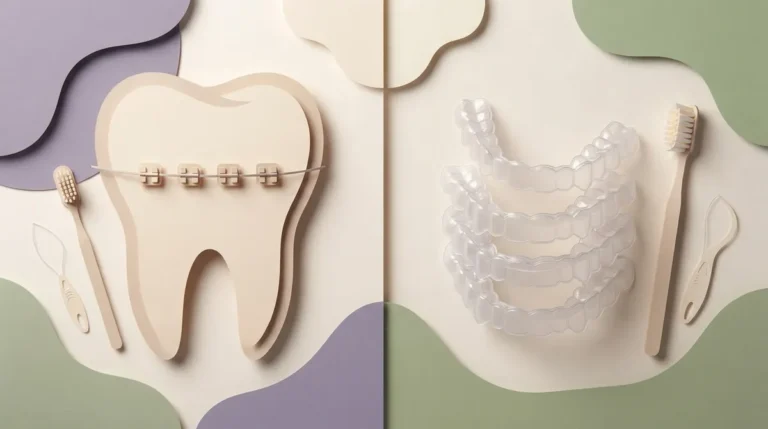
For some teens and adults, clear aligners are a discreet option. They are removable, which makes eating and brushing easier. Learn more about clear aligners and whether they might fit the situation. Your orthodontist will tell you if aligners can handle the specific problem.
Not sure which to choose? This helpful read on braces vs. clear aligners breaks it down.
Questions to Ask at Your Consultation
A good consultation is a two-way chat. Bring a short list so nothing slips your mind. Here are smart questions to ask:
- What problem is Phase Two meant to fix?
- Could a single-phase plan work instead?
- How long will treatment likely take?
- Which appliance do you recommend, and why?
- How often will we visit the office?
- What is the total fee, and what does it include?
- Do you take insurance, and do you offer payment plans?
- What kind of retainers will be needed afterward?
These questions help you compare offices fairly. They also show you which team explains things clearly and treats you like a partner. For more ideas, see how to ask the right orthodontic questions.
Understanding Cost and Timing
Parents often ask how much Phase Two costs and how long it takes. Honestly, there is no single answer. Fees and timelines depend on the case, the type of appliance, and the practice. No reliable, current Bradenton-specific number applies to everyone, so the best move is to request a written estimate from each office you visit.
Here are the main things that shape cost and time:
- How complex the bite or crowding is
- The type of braces or aligners chosen
- How closely your child follows care instructions
- Insurance benefits and payment plan options
Money questions are normal, and a friendly office will happily talk them through. To plan ahead, check out these smart ways to make orthodontic financing work, or explore braces costs in Bradenton for helpful context.
Why Local Care Makes a Difference
Phase Two means regular visits over many months. That is why a nearby, welcoming office matters so much. Shorter drives and flexible scheduling help busy families keep appointments without stress.
Segovia Orthodontics sits in Lakewood Ranch, just a short trip from Bradenton, and offers personalized care for children, teens, and adults. Dr. Flor Segovia is a board-certified orthodontist who provides bilingual care in English and Spanish, which helps whole families feel at ease. You can read more about Dr. Flor Segovia and see what makes the practice special.
Want to hear from other families? See what folks say when you visit our Segovia Orthodontics location on Google. You can also follow our Facebook page and our Instagram page for smile stories and updates.
Helping Your Child Succeed with Phase Two
Once Phase Two begins, a few simple habits go a long way. Teens especially do best when they feel in charge of their own smile.
- Brush and floss every day. Clean teeth stay healthy under braces.
- Skip sticky and hard foods. They can break brackets and slow progress. Check this list of foods to avoid with braces.
- Keep every appointment. Regular visits keep treatment on schedule.
- Wear elastics or aligners as told. Consistency is the secret sauce.
- Call early if something breaks. A loose wire or bracket is easier to fix quickly. Review common braces emergencies so you know what to do.
Pair these habits with supportive cheerleading at home, and your child will be wearing a finished smile before you know it. Our tips for choosing the right braces for teens can help your teenager feel confident about the process.
Don’t Forget About Retainers
Finishing braces is exciting, but the work is not quite over. Retainers keep teeth in their new spots so the smile stays beautiful. Without them, teeth can slowly drift back.
Your orthodontist will recommend the right type and explain how long to wear it. Learn more about orthodontic retainers so you know what to expect after Phase Two wraps up.
Ready to Take the Next Step?
Searching for Phase Two braces near Bradenton does not have to be overwhelming. Start with a personal exam, ask good questions, and choose an orthodontist who makes your family feel heard. Every child’s smile is different, and the right plan should fit yours.
If you would like a caring team to look at your child’s next step, we would love to meet you. Request an appointment with Segovia Orthodontics today, or call us at 941-557-1333 to chat with our friendly team. Your family’s best smile story is just getting started!
FAQs
Q: What is Phase Two braces treatment?
A: Phase Two is the comprehensive second stage of two-phase orthodontic care. It usually begins once most or all permanent teeth have come in, and it aligns the teeth and fine-tunes the bite. Think of it as the finishing touch that creates a healthy, stable smile.
Q: Does every child who had Phase One need Phase Two braces?
A: Not at all! Some children finish Phase One and need nothing more, while others do need the second stage. Your orthodontist checks growth, tooth eruption, and the original goals to decide what is best for your child.
Q: When does Phase Two orthodontic treatment usually start?
A: It typically starts after a resting period, once most or all permanent teeth have erupted. Your orthodontist will watch your child with short check-ups and tell you the right time to begin.
Q: Can clear aligners be used for Phase Two treatment?
A: Sometimes, yes! Depending on the bite and your child’s needs, an orthodontist may use traditional braces, clear braces, or clear aligners for Phase Two. A personal exam is the only way to know which option fits best.
Q: How do I choose an orthodontist near Bradenton for Phase Two braces?
A: Make sure the clinician is a true orthodontist who evaluates children for Phase Two care. Then compare appliance options, schedules, fees, insurance, and payment plans, and book a consultation to see who feels like the right fit for your family.
Our Service Area