Key Takeaways
-
The AAO recommends a first orthodontic check-up by age 7, but this visit is for evaluating growth and spotting problems, not necessarily starting treatment.
-
Many children need no treatment at the first visit; outcomes are usually no treatment, monitoring, or early treatment for a specific problem.
-
Warning signs that warrant an earlier evaluation include difficulty chewing, crossbite, crowded or protruding front teeth, very early or late baby tooth loss, and thumb-sucking past toddler years.
-
Most children who need braces start between ages 9 and 16, with UK guidance often citing around ages 12 to 13 after most permanent teeth have come in.
-
Early (interceptive) treatment around ages 7 to 10 is used only in selected cases, such as using an expander for a narrow jaw or partial braces for a few teeth.
-
It is never too late to get an evaluation; teens and adults can still receive orthodontic treatment if they missed the age 7 window.
If you’re a parent, you’ve probably wondered, what age should my child get braces? Maybe you noticed a crooked tooth at the dinner table. Maybe a friend’s seven-year-old just got a palate expander, and now you’re second-guessing everything. Take a deep breath. You are not behind, and you are not alone.
Here’s the good news: there is no single magic age that works for every child. Every smile grows on its own schedule. The American Association of Orthodontists (AAO) recommends a first check-up by age 7, but that visit is about looking, not necessarily treating. Many kids walk out of that first appointment with nothing more than a friendly high-five and a plan to check back later.
In this guide, we’ll walk through exactly how to figure out the right timing for your child. You’ll learn what happens at age 7, which signs mean you should call sooner, when most kids actually start braces, and how to make the whole process feel easy. Let’s get you answers so you can feel confident about every step.
Start With the Age 7 Check-Up
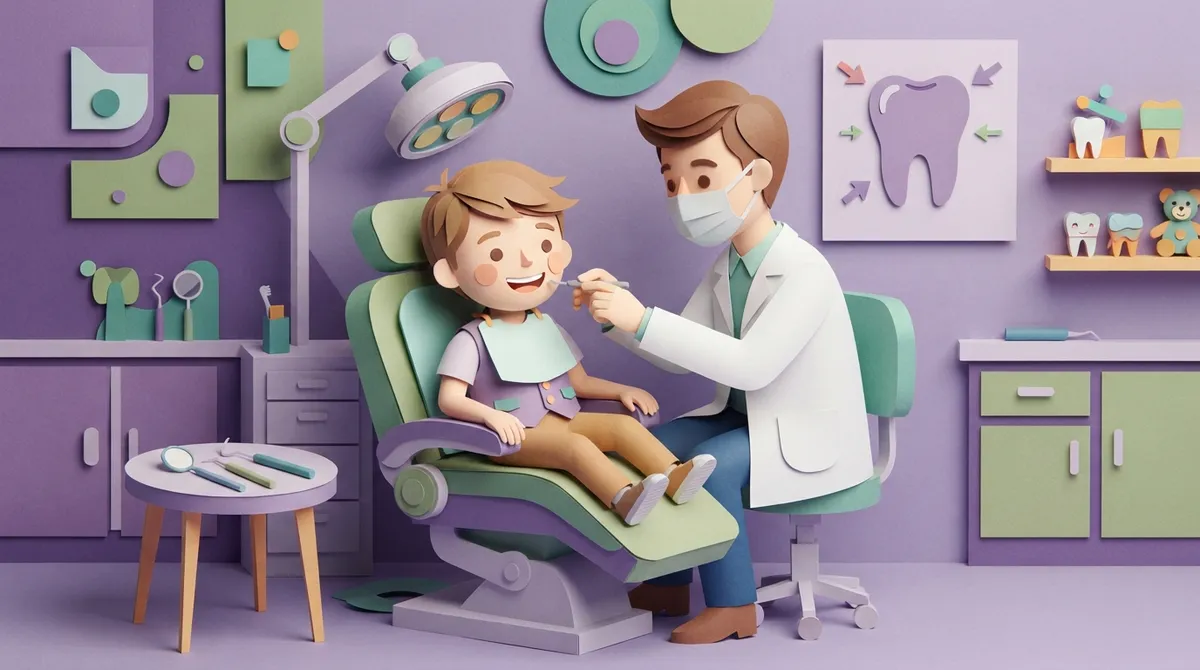
The first step in answering “what age should my child get braces” is simple: schedule an orthodontic evaluation by age 7. Think of it as a smile “wellness visit.” It gives you a clear picture of how your child’s teeth and jaws are growing.
Why Age 7 Is the Magic Number
By about age 7, most children have a mix of baby teeth and permanent teeth. That mix is a gift to an orthodontist. It shows how the jaws are developing and whether the permanent teeth will have enough room to come in nicely.
Some problems are easier to spot at this stage than later on. An orthodontist can see issues with bite alignment, jaw growth, and crowding before they become bigger challenges.
A Check-Up Is Not the Same as Treatment
This part surprises many parents. An early visit does not automatically mean early braces. After the evaluation, there are usually three possible outcomes:
- No treatment needed: Your child’s smile is on track, and you can relax.
- Monitoring: The orthodontist keeps an eye on growth with periodic check-ins.
- Treatment now: A specific problem benefits from early care while your child is still growing.
Most families are relieved to learn how many kids land in the first two groups. If you’d like to know exactly what to expect, you can read about the first orthodontic visit before you go.
Know the Signs Your Child May Need to Be Seen Sooner
Age 7 is a guideline, not a deadline. Sometimes you or your dentist will notice something earlier. Trust your instincts, because parents often spot things first.
Here are common signs worth mentioning to an orthodontist:
- Difficulty biting or chewing food
- Teeth that look crowded or crooked
- Prominent or protruding front teeth
- A crossbite, where upper teeth sit behind lower teeth
- Baby teeth that fall out very early or very late
- Thumb-sucking that continues past the toddler years
- A jaw that shifts or makes sounds when your child opens and closes
None of these automatically mean braces are coming. They simply mean a quick look from a specialist is a smart idea. For a longer list, take a peek at these signs your child should see an orthodontist now.
Understand the Typical Age Ranges for Braces
So when do most kids actually get braces? Here’s where the numbers come in. The AAO notes that many patients who need treatment begin between ages 9 and 16, depending on development and individual needs. In the UK, guidance from NHS inform and the British Orthodontic Society describes treatment commonly starting around ages 12 to 13, after most permanent teeth have come in.
These are patterns, not rules. Your child might be a bit earlier or a bit later, and that is perfectly normal.
| Stage | Typical Age | What Usually Happens |
|---|---|---|
| First evaluation | By age 7 | Orthodontist checks teeth and jaw growth; most kids do not start braces yet |
| Early (interceptive) care | Around 7 to 10, if needed | Selected problems may be treated with an expander, partial braces, or other appliances |
| Comprehensive braces | Often 9 to 16 | Full braces or aligners once more permanent teeth have come in |
| Later or adult care | Any age | Treatment is still possible; options depend on oral health and goals |
Decide Whether Early Treatment Makes Sense
Some children benefit from what orthodontists call early or interceptive treatment. This means addressing a specific problem while the jaws are still growing. It is only used for selected cases.
What Early Treatment Might Look Like
Early care usually does not mean a full set of braces on every tooth. Depending on the diagnosis, it could involve:
- An expander to create more room in a narrow jaw
- Partial braces on a few teeth
- Another type of appliance to guide growth
- Simple monitoring until the time is right
The goal is to guide growth and make later treatment simpler. If you want to dig deeper, our page on early orthodontic treatment explains how it works, and this guide to two-phase treatment covers what happens when care is split into steps.
Can a Child Get Braces With Baby Teeth?
Yes, in some cases. If a child has a bite or jaw problem that benefits from early care, an orthodontist may treat while baby teeth are still present. But most kids wait until more permanent teeth have arrived. That is why your orthodontist’s assessment, not your child’s age alone, should guide the timing.
Follow These Steps to Find the Right Time for Your Child
Ready to put this into action? Here is a simple, stress-free plan you can follow.
- Mark age 7 on your calendar. Book a first orthodontic evaluation, or go sooner if you or your dentist notice something unusual.
- Write down your questions. Jot down anything you have noticed, such as thumb-sucking, chewing trouble, or early tooth loss.
- Ask what the exam shows. Find out whether your child needs treatment now, monitoring, or nothing at all.
- Learn about your options. If treatment is needed, ask about timing, appliance types, and expected length.
- Plan for the budget. Ask about payment plans and financing so there are no surprises.
- Check in as your child grows. Follow the recommended schedule so you catch changes at the right moment.
Explore Braces Options for Kids and Teens
When the time does come, today’s options are a far cry from the braces you may remember. Kids and teens have more choices than ever, and many of them are fun.
At Segovia Orthodontics in Lakewood Ranch, Dr. Flor Segovia offers several approaches for young patients:
- WildSmiles braces come in playful bracket shapes like stars, flowers, and hearts. Kids love picking a shape that matches their personality, and the fun can help them stay on top of brushing and flossing.
- LightForce braces use 3D-printed, custom-fitted brackets designed for each tooth. They can reduce treatment time and offer clear or white options that blend in.
- Traditional metal braces remain a reliable, time-tested choice for many smiles.
Older teens may also like discreet choices. You can compare them in this helpful guide on how to choose the right braces for teens, or learn more about teen orthodontic treatment.
Fun Fact: Braces Can Be Exciting
Here is something many parents don’t expect. When kids enjoy their braces, they tend to take better care of them. A child who is excited about a star-shaped bracket is far more likely to grab the toothbrush without a fuss. That is a big win for any parent!
Compare Common Reasons for Early Evaluation
Not sure which concerns are most urgent? This quick table can help you see what each issue means and how an orthodontist might respond.
| Concern You Notice | What It May Mean | Possible Next Step |
|---|---|---|
| Crowded teeth | Not enough room for permanent teeth | Monitoring or an expander |
| Crossbite | Upper and lower jaws may not line up | Early appliance or partial braces |
| Early or late baby tooth loss | Possible change in how teeth erupt | Evaluation and tracking |
| Thumb-sucking past toddler years | May affect bite and jaw shape | Habit guidance and monitoring |
| Trouble chewing or biting | Bite may be misaligned | Full evaluation to find the cause |
To learn more about what orthodontists commonly look for, visit our page on common orthodontic problems.
What If You Missed the Age 7 Window?
Don’t panic. It is never too late to ask an orthodontist for an evaluation. If your child is 11, 14, or even 16, there is still plenty of room to create a great smile. Many teens start braces right on schedule, and adults can get treatment too.
Treatment options and goals may differ depending on oral health and growth, but there is almost always a path forward. Whether you’re a parent planning for your child or an adult thinking about your own smile, you can explore adult orthodontics and clear aligners as well.
Make the First Visit Feel Easy
A first visit can feel big, especially for a nervous child (or a nervous parent!). A few simple tips can help:
- Talk about the visit in a positive way. Call it a “smile check” instead of a procedure.
- Bring a list of questions and any dental records you have.
- Let your child ask questions too. Kids feel braver when they feel included.
- Choose a time when your child is rested and not hungry.
You can also read what to expect in this guide on what happens during an orthodontic evaluation. At Segovia Orthodontics, the team focuses on a comfortable, supportive space for the whole family, and Dr. Segovia offers bilingual care in English and Spanish. Curious about her background? Learn about Dr. Flor Segovia and her board-certified approach, and consider verifying credentials through the American Board of Orthodontics.
Plan for Cost and Schedule
Busy parents need options that fit real life. Ask about appointment flexibility, how often visits are needed, and what financing is available. A good practice will walk you through the costs clearly and help you find a plan that works. You can read more about orthodontic financing to see how families spread out payments.
It also helps to follow along with practices you trust. You can see smile updates and local news on our Facebook page and our Instagram page. And if you’d like to hear from other families, see what our Segovia Orthodontics patients say on Google.
Take the Next Step Toward a Happy Smile
So, what age should my child get braces? The honest answer is: it depends on your child. The best move is to schedule an evaluation by age 7, listen to what the orthodontist finds, and let your child’s growth guide the timing. Some kids need early help, many need monitoring, and plenty will start comprehensive braces in their pre-teen or teen years.
The most important thing is that you don’t have to guess. A quick visit brings clarity, and clarity brings peace of mind. If you’re in Lakewood Ranch or nearby, we would love to meet your family. Request an appointment today, contact us with your questions, or call us at 941-557-1333. Your child’s best smile is closer than you think!
FAQs
Q: What is the best age for a child to get braces?
A: There is no single best age, because every child grows differently. The AAO recommends a first check-up by age 7, and many children who need braces start between ages 9 and 16. Your orthodontist will guide the timing based on your child’s teeth and jaw growth.
Q: Does an orthodontic check-up at age 7 mean my child needs braces?
A: Not at all! An early visit is about spotting problems, not starting treatment. Many kids need no treatment or just monitoring, and only selected cases benefit from early care.
Q: Can my child get braces while they still have baby teeth?
A: Yes, in some cases. If a bite or jaw problem benefits from early treatment, an orthodontist may use partial braces, an expander, or another appliance. Most children wait until more permanent teeth have come in.
Q: Is it too late for braces after age 12?
A: Not even close! Many kids start braces in their teen years, and treatment is possible later in life too. An orthodontist can look at your child’s smile and recommend the best options for their age and needs.
Our Service Area