Key Takeaways
-
Verify your orthodontist is board-certified through the American Board of Orthodontics and completed specialized residency training beyond general dentistry, not just any dentist offering braces.
-
Local proximity matters significantly because orthodontic treatment requires regular multi-month or multi-year visits; shorter drive times reduce missed appointments and enable quick access for emergencies like broken brackets.
-
Insurance typically covers 25-50% of orthodontic costs with lifetime maximums between $1,000-$3,000, so ask your plan about age limits, waiting periods, in-network status, and HSA/FSA eligibility before starting treatment.
-
Treatment options range from traditional metal braces ($3,000-$7,500) to clear aligners ($3,000-$7,000) based on complexity; get a written, itemized cost breakdown and treatment timeline at your first visit before committing.
-
At your first appointment, bring dental history, medication list, and insurance details; expect digital scans, X-rays, examination, treatment options explanation, and full cost breakdown with time for questions.
-
Protect your orthodontic investment by brushing after every meal, flossing daily with specialized tools, avoiding sticky/hard foods, and maintaining regular dental checkups alongside orthodontic visits to stay on schedule.
Typing “orthodontics near me” into your phone feels like the easy part. The hard part is knowing what to do with all those search results. Which office actually has a qualified orthodontist? Who takes your insurance? Who has evening appointments so you don’t miss work or your kid doesn’t miss school? Take a breath. We’re going to walk through this together, step by step, so you feel confident before you ever book that first visit.
Whether you’re a mom juggling three kids’ schedules, a young professional dreaming of a discreet smile fix, or an adult ready to correct teeth that shifted after your old braces came off years ago, this guide is for you. We’ll cover credentials, costs, insurance, and what to expect at your first visit. By the end, you’ll know exactly what questions to ask and what to look for in a local practice like Segovia Orthodontics at Lakewood Ranch.
What Does “Orthodontics Near Me” Really Mean?
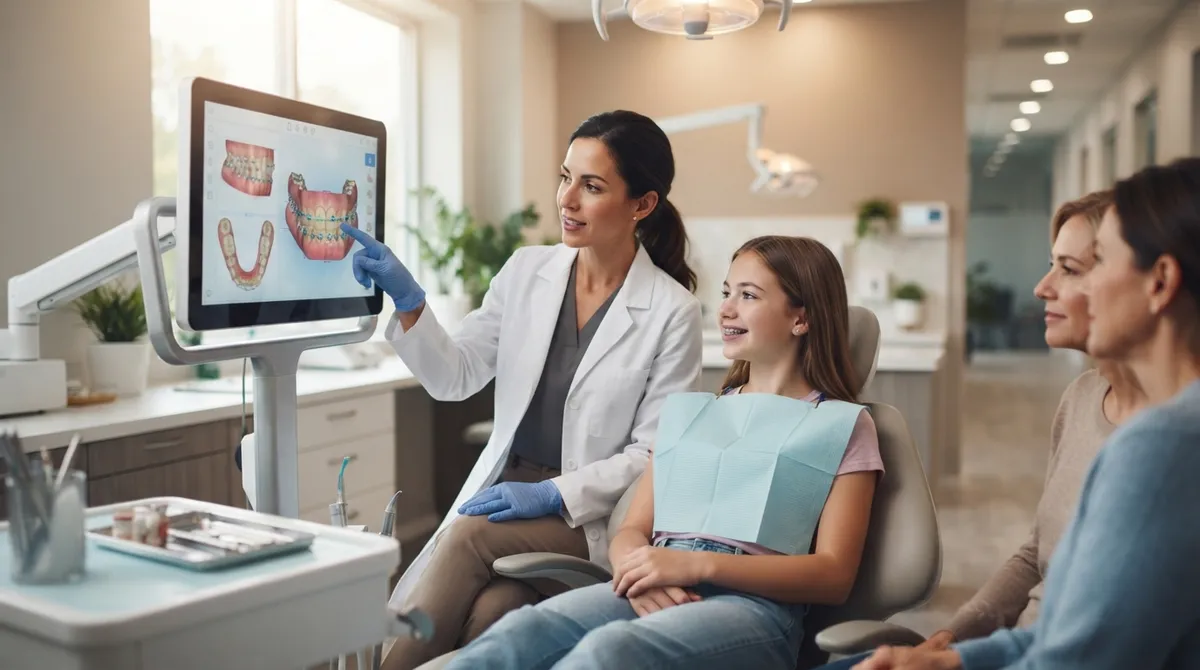
When people search for orthodontics near me, they’re usually looking for a local specialist who can fix crooked teeth, close gaps, or correct a bad bite. Orthodontists are dentists who complete extra years of specialized training. They focus specifically on tooth movement and jaw alignment, which is different from the general dental care you’d get for cleanings or fillings.
A good local search should point you toward a licensed, experienced provider who offers a range of treatments. This might include traditional metal braces, clear braces, clear aligners, retainers, and early treatment for children. Understanding what an orthodontist actually does for your smile helps you set realistic expectations before your first appointment.
Why Local Really Matters Here
Orthodontic treatment isn’t a one-and-done deal. You’ll be visiting your provider regularly for months, sometimes years. That’s why distance and convenience matter so much more here than for a single dental cleaning.
- Shorter drive times mean fewer missed appointments
- Evening or weekend hours fit around school and work schedules
- Quick access matters if a bracket breaks or a wire pokes your cheek
- Building a relationship with one team creates better continuity of care
- Local offices understand community needs, like sports seasons or school breaks
How to Check an Orthodontist’s Credentials
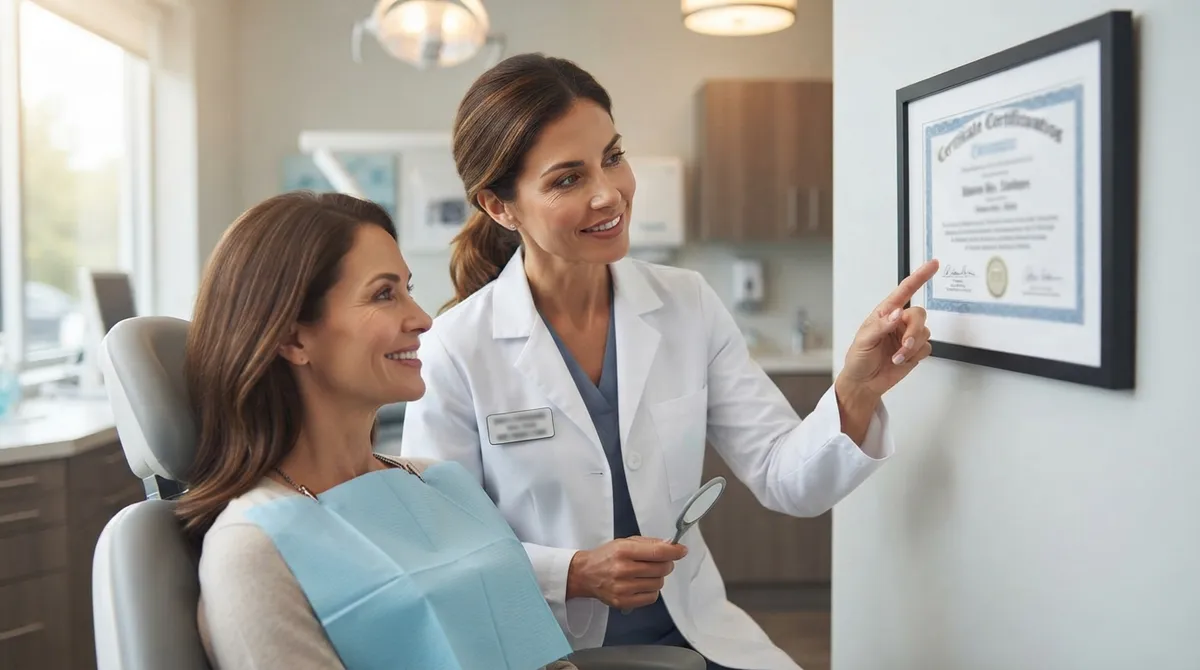
Not every dentist who offers braces is a specialist. Here’s how to verify you’re seeing someone properly trained in orthodontic care.
- Confirm they are a licensed dentist who completed additional orthodontic residency training
- Check for board certification through a recognized group like the American Board of Orthodontics
- Search professional directories to confirm active licensing status
- Ask how many years they’ve practiced and what technology they use
- Read online reviews, but treat them as one piece of a bigger picture
Dr. Flor Segovia is a board-certified orthodontist who provides bilingual care in English and Spanish. Learning more about Dr. Flor Segovia’s background can help you feel more comfortable before you even step into the office.
Common Orthodontic Treatments You’ll Find Locally
Most local practices offer several treatment paths so patients can pick what fits their lifestyle and goals. Here’s a quick breakdown of what’s typically available.
| Treatment Type | Best For | Estimated Cost Range |
|---|---|---|
| Traditional Metal Braces | Kids, teens, complex cases | $3,000–$7,500 |
| Ceramic or Clear Braces | Teens and adults wanting subtlety | $2,000–$8,500 |
| Clear Aligners | Adults and teens wanting discretion | $3,000–$7,000 |
| Retainers (post-treatment) | Everyone finishing active treatment | Varies by type |
These are general estimates, and your actual price will depend on case complexity and location. A reviewed local guide noted many comprehensive cases run around $3,000–$6,000, though more complex situations can reach $10,000. Always ask for a written, itemized plan before committing.
Fun, Kid-Friendly Options
Getting braces doesn’t have to feel scary for children. WildSmiles Braces let kids choose fun bracket shapes like stars, hearts, or even Mickey Mouse. This makes brushing and flossing feel like less of a chore because they actually enjoy showing off their smile.
For families wanting cutting-edge technology, LightForce Orthodontics uses 3D printing to create custom-fitted brackets. This can shorten treatment time by up to 45% compared to one-size-fits-all approaches.
Discreet Options for Busy Adults
If you’re a working professional who doesn’t want visible metal in client meetings, clear aligners might be your best bet. Angel Aligners use a unique 7+3 wear schedule that can speed up tooth movement while cutting down on office visits. Many patients also appreciate the clear aligners option because they’re removable for eating and easier to keep clean.
What Happens at Your First Orthodontic Visit
Walking into a new office for the first time can feel a little nerve-wracking. Here’s what usually happens, step by step.
- The team reviews your dental and medical history
- They examine your teeth, jaw, and bite alignment
- Digital scans, X-rays, or photographs are taken
- The orthodontist explains your treatment options and timeline
- You receive a full cost breakdown, including what’s included
- You get a chance to ask questions before deciding anything
The American Association of Orthodontists recommends bringing your dental history, medication list, and insurance details to this first appointment. Knowing what to expect at your first orthodontic visit ahead of time takes a lot of the mystery out of the process.
Understanding Costs and Insurance
Money talk isn’t fun, but it’s necessary. Orthodontic insurance benefits often max out somewhere between $1,000 and $3,000 over a lifetime, and many plans cover roughly 25% to 50% of eligible costs. That still leaves a gap, so it pays to ask smart questions upfront.
- Does your plan have an age limit for orthodontic coverage?
- Is there a waiting period before benefits kick in?
- Are retainers and follow-up visits included in the treatment fee?
- What happens if you need refinements or a replacement appliance?
- Is the office in-network with your specific insurance plan?
- Can you use an HSA or FSA to help cover the cost?
Many families also explore orthodontic financing options to spread payments out over time. This makes treatment more manageable without sacrificing the quality of care your family deserves.
Questions to Ask Before You Commit
A trustworthy practice will welcome your questions, not brush them off. Here are a few worth asking during your consultation.
- What is included in the total treatment fee?
- How many appointments will I need, and how often?
- What happens if I have an emergency after hours?
- What retention plan comes after my active treatment ends?
- Can I see before-and-after photos of similar cases?
If you ever experience a broken bracket or a poking wire, don’t panic. Most practices, including our orthodontic emergency guidance, walk you through simple fixes you can try at home while you wait for your appointment.
Comparing Braces vs. Clear Aligners
This is one of the most common questions we hear. There’s no single right answer, since it depends on your goals, budget, and lifestyle.
| Factor | Traditional Braces | Clear Aligners |
|---|---|---|
| Visibility | Noticeable, though ceramic options are subtler | Nearly invisible |
| Removable? | No | Yes, for eating and brushing |
| Best for | Complex bite issues | Mild to moderate cases |
| Maintenance | Requires careful brushing around brackets | Requires discipline to wear 20+ hours daily |
Still torn? Our detailed comparison of braces vs. clear aligners breaks down the pros and cons in more detail so you can make the best choice for your smile.
Tips for Keeping Your Smile Healthy During Treatment
Braces and aligners can trap food and plaque more easily than bare teeth. A little extra effort now saves you from cavities and gum problems later.
- Brush after every meal, even if it’s just a quick rinse and brush
- Floss daily using a floss threader or water flosser for brackets
- Avoid sticky, hard, or crunchy foods that can damage appliances
- Keep up with regular dental checkups alongside orthodontic visits
- Clean aligners daily to prevent bacteria buildup and odor
Good habits during treatment protect the investment you’re making in your smile. They also help your treatment stay on schedule, since damaged appliances can cause delays.
Finding the Right Fit for Your Family
Every patient is different. A busy mom needs flexible scheduling. A bride-to-be wants fast, discreet results before her wedding. An adult correcting relapse wants a provider who understands their unique history. The right local practice should be able to serve all of these needs under one roof.
At Segovia Orthodontics, we focus on creating a warm, welcoming space for patients of every age and background. You can learn more about why families choose us for their orthodontic care in Lakewood Ranch. We also use advanced orthodontic technology to keep treatment efficient and comfortable.
Curious what real patients think? You can visit us on Google — Segovia Orthodontics to read reviews, or check out our Facebook page and our Instagram page for smile transformations and community updates.
A Word of Caution
Be careful with any provider offering treatment without an in-person exam or proper diagnostic records. Orthodontic care needs ongoing clinical supervision to be safe and effective. A reputable orthodontist will always explain your options, risks, and the importance of wearing retainers after treatment ends.
Ready to Take the Next Step?
Finding great orthodontics near you doesn’t have to be stressful. Focus on credentials, clear pricing, and a location that fits your life. Whether you’re exploring braces for your child or clear aligners for yourself, the right local team can make all the difference in your experience and results.
If you’re in the Lakewood Ranch area and ready to explore your options, we’d love to meet you. Feel free to request an appointment online, or call us at 941-557-1333 to speak with our friendly team today. Your best smile is closer than you think.
FAQs
Q: How do I find the best orthodontics near me?
A: Start by checking credentials, like board certification through the American Board of Orthodontics. Then look at reviews, ask about flexible scheduling, and request a written treatment estimate before you decide. A good fit feels comfortable and answers all your questions without rushing you.
Q: What qualifications should a local orthodontist have?
A: Look for a licensed dentist who completed extra years of specialized orthodontic training. Board certification is a great bonus sign of ongoing expertise. Don’t be shy about asking directly during your consultation—we love these questions!
Q: How much do braces or clear aligners typically cost?
A: Traditional metal braces usually run $3,000 to $7,500, while clear aligners often fall between $3,000 and $7,000. Your exact price depends on how complex your case is and where you live, so always ask for a full written estimate first.
Q: Does dental insurance cover orthodontic treatment?
A: Many plans do offer orthodontic benefits, though coverage varies quite a bit. Lifetime maximums often range from $1,000 to $3,000, covering roughly 25% to 50% of costs. It’s worth calling your insurer directly to confirm your specific benefits before starting treatment.
Q: What age should my child first see an orthodontist?
A: Most orthodontists recommend an evaluation around age seven, even if treatment isn’t needed right away. Early checkups help catch issues while there’s still room to guide growth gently. It’s a simple, low-pressure visit that gives you peace of mind.
Our Service Area