

Key Takeaways
-
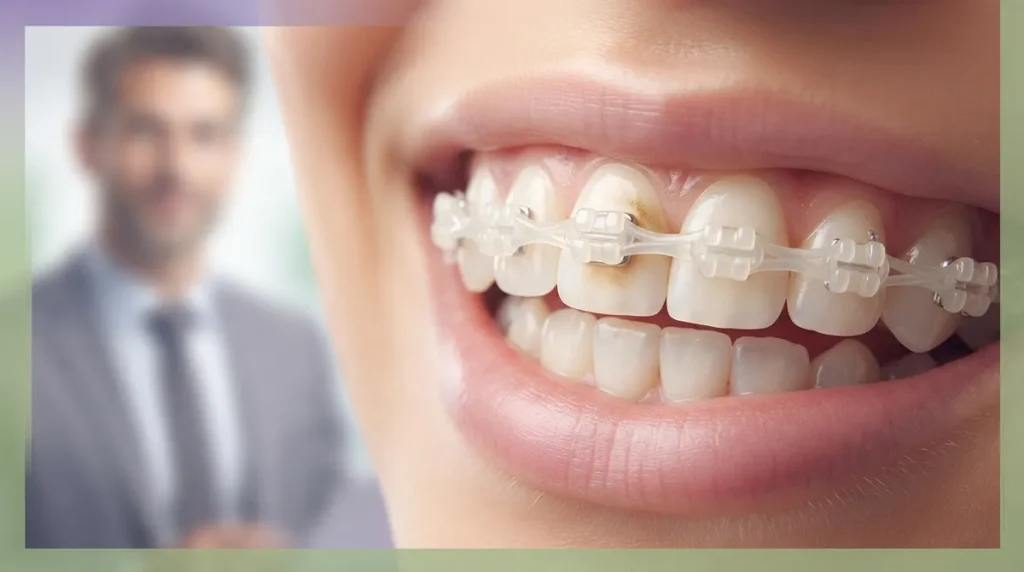
Clear bracket braces use tooth-colored ceramic brackets that blend with natural teeth, making them far less noticeable than metal braces while working 24/7 with fixed, around-the-clock tooth movement.
-
Elastic ties on clear braces can stain from coffee, tea, red wine, and smoking, but orthodontists replace them at each adjustment visit to keep your braces looking fresh.
-
Ceramic brackets are more brittle than metal and may chip or fracture more easily; a 2024 review found ceramic braces may increase enamel fractures, especially during removal by inexperienced providers.
-
Clear bracket braces typically cost more than metal braces; flexible payment plans and financing options can help spread costs into manageable pieces rather than paying upfront.
-
Clear bracket braces work best for busy professionals, teens, and adults with relapse who need discreet fixed treatment without removable trays to manage, unlike clear aligners which require daily compliance.
-
Proper care includes brushing after meals, daily flossing with a threader, limiting staining foods and drinks, avoiding hard or sticky foods, and attending all appointments to keep braces functioning optimally.
Picture this: you’re about to walk into a big meeting, a wedding, or a family photo shoot, and you want your smile to look great without feeling like your braces are the star of the show. If that sounds familiar, you’ve probably heard about clear bracket braces. They’re one of the most popular ways to straighten teeth while keeping things low-key.
But what exactly are they? Are they the same as clear aligners? Do they stain? Do they cost more? These are the questions we hear all the time, and they’re smart ones to ask before you start treatment.
In this friendly guide, we’ll walk you through how clear bracket braces work, who they’re best for, what to expect day to day, and how to keep them looking their best. Whether you’re a parent planning for your child, a busy professional, or an adult returning to treatment after relapse, you’ll find honest, easy-to-follow answers here.
What Are Clear Bracket Braces?
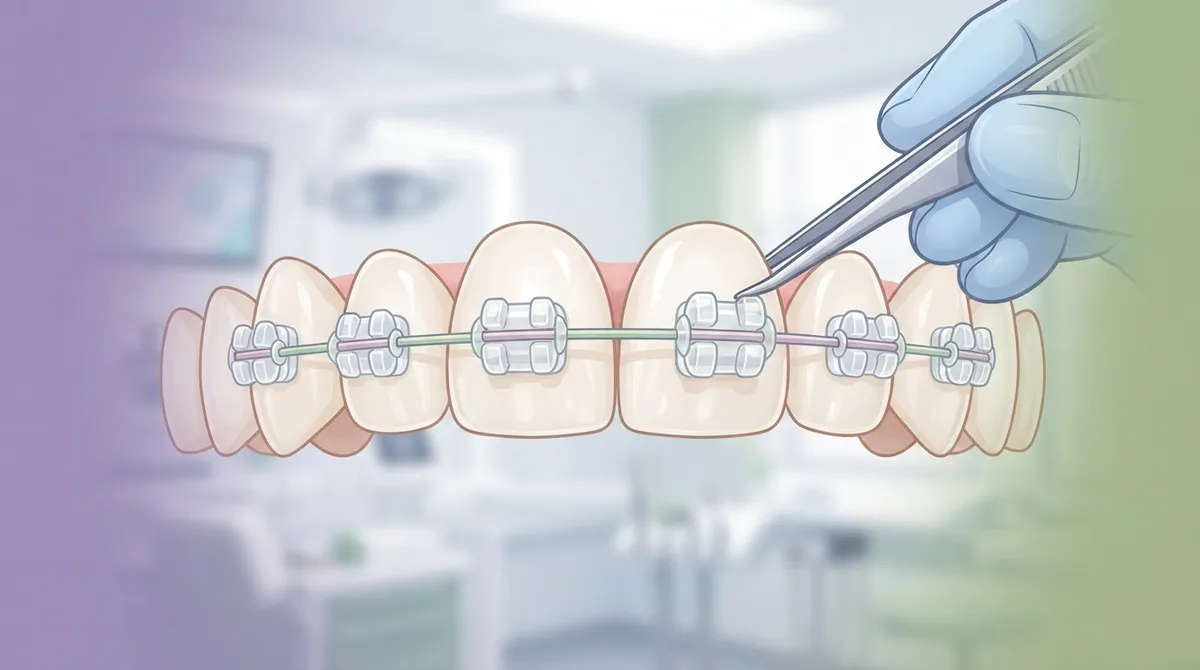
Clear bracket braces are fixed braces that use tooth-colored or translucent ceramic brackets. Your orthodontist bonds them to the front of your teeth and connects them with an archwire. The wire applies gentle pressure over time, guiding your teeth into the right position.
In other words, they work much like traditional metal braces. The big difference is the look. Because the brackets blend in with your natural tooth color, they’re far less noticeable than shiny metal ones.
How They Differ From Other Options
It helps to know what clear bracket braces are not. They are not removable clear aligners, which are a series of plastic trays you take out to eat and brush. They are also not lingual braces, which sit behind your teeth. Clear bracket braces are fixed, meaning they stay on your teeth for the entire treatment.
If you’d like to explore every option side by side, our guide to types of braces is a great place to start.
How Do Clear Bracket Braces Work?
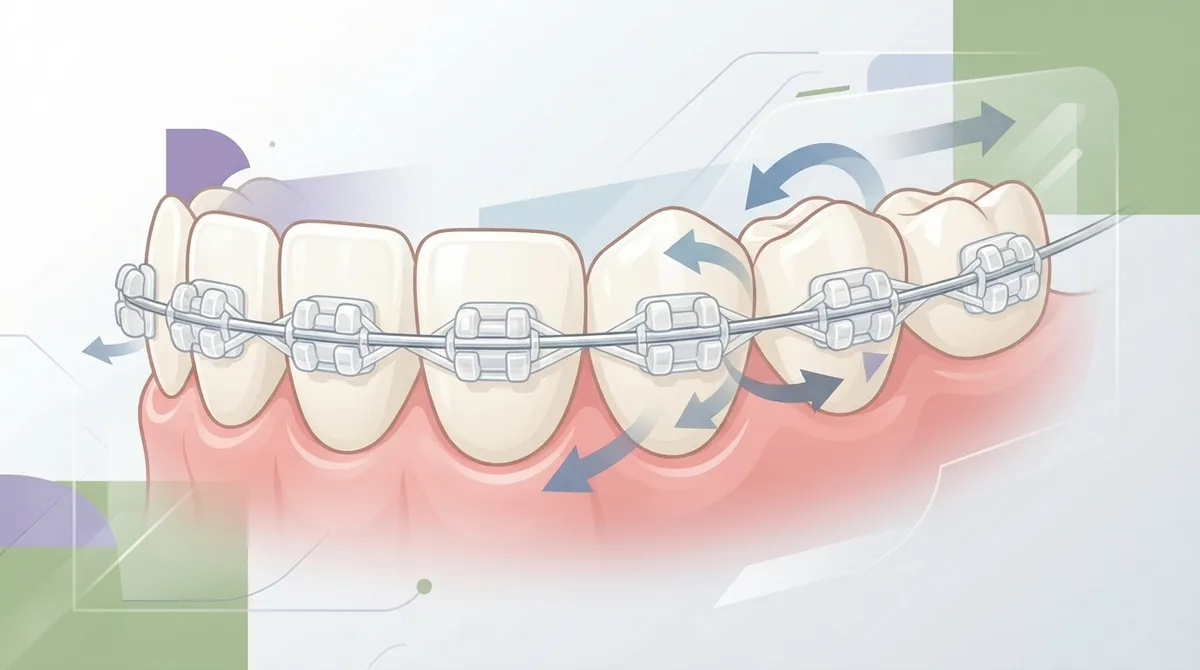
The process is simple and follows the same basic steps as other fixed braces. Here’s what typically happens:
- Consultation and evaluation. Your orthodontist examines your teeth, bite, and jaw to see if ceramic braces fit your needs.
- Treatment planning. You’ll go over your goals, timeline, and costs so there are no surprises.
- Bracket placement. Each clear bracket is bonded to a tooth with a special adhesive. It’s painless, though it can take a little while.
- Archwire attachment. A thin wire is threaded through the brackets and secured with small ties.
- Regular adjustments. You’ll visit periodically so your orthodontist can change the wire or ties and keep your teeth moving on track.
- Removal and retainers. When treatment is done, the braces come off and you begin wearing a retainer to protect your results.
Ceramic braces can treat many alignment and bite problems, but only an orthodontist can tell you if they’re the right fit for your specific case. That’s why a proper evaluation matters so much. You can learn what to expect in what happens during an orthodontic evaluation.
The Big Benefits of Clear Bracket Braces
So why do so many people choose clear bracket braces? Here are the main reasons:
- A more discreet look. Ceramic brackets blend in with your teeth, so they’re less conspicuous than metal.
- Effective tooth movement. Because they’re fixed, they work around the clock without you having to remember to wear trays.
- Good for many cases. Fixed braces can address crowding, gaps, and a range of bite issues.
- No compliance worries. You can’t forget to put them in, which is a big help for busy schedules and active teens.
According to the American Association of Orthodontists, ceramic braces are a less noticeable fixed-brace option, and in some cases braces may move teeth faster than clear aligners. Whether that’s true for you depends on your unique smile.
Things to Know Before You Choose Them
We believe in being upfront, because the best decisions come from the full picture. Clear bracket braces are wonderful for many people, but they do have a few trade-offs.
They Can Still Be Visible
The brackets themselves blend in, but the archwire and the small elastic ties can still show. Clear or tooth-colored wires and ties can help make the whole setup less noticeable.
Ties Can Stain
Ceramic brackets are generally stain-resistant, but the elastic ties can discolor between appointments. Coffee, tea, red wine, strongly pigmented foods, and smoking can make them look darker. The good news is your orthodontist replaces the ties at adjustment visits, so they get a fresh start each time.
They’re More Brittle Than Metal
Ceramic is harder but more brittle than metal. That means brackets may be more prone to chipping or fracturing. A 2024 systematic review of 14 papers on enamel effects found that ceramic brackets may increase enamel fractures, especially during bracket removal. The review did not show this happens to every patient, and an experienced orthodontist knows how to reduce that risk.
They May Cost More
Ceramic braces often cost more than metal braces. Treatment length depends on your individual plan. To get a clearer picture of what to budget, check out what the price of clear braces looks like in 2026.
Clear Bracket Braces vs. Metal Braces vs. Clear Aligners
Choosing between your options can feel like a lot. This quick comparison can help you see how they stack up.
| Feature | Clear Bracket Braces | Metal Braces | Clear Aligners |
|---|---|---|---|
| Appearance | Tooth-colored brackets, less noticeable | Most visible | Nearly invisible trays |
| Removable | No, fixed | No, fixed | Yes |
| Durability | More brittle than metal | Very sturdy | Trays can crack or warp |
| Staining | Ties may stain | Ties may stain | Trays can discolor if not cleaned |
| Typical cost | Often higher than metal | Often the most budget-friendly | Varies by case |
| Best for | Discreet fixed treatment | Complex cases, durability | Mild to moderate cases, flexibility |
Curious how the fixed options compare? Our article on metal braces vs ceramic goes deeper. And if you’re weighing trays against brackets, see braces vs. clear aligners.
Who Are Clear Bracket Braces Best For?
Different people come to us with different goals. Here’s how clear bracket braces often fit various situations.
Teens and Their Parents
Teens are often self-conscious about their smiles, and fixed braces take the “did I remember my trays?” worry off the table. If you’re a parent weighing options, our guide on how to choose the right braces for teens can help. For our younger patients, we also offer fun options like WildSmiles braces that let kids show off their personality.
Busy Professionals and Adults
If you’re climbing the career ladder, you may want treatment that’s discreet but dependable. Fixed ceramic braces keep working 24/7, and there are no trays to take in and out before a presentation. Many adults love that it’s a “set it and forget it” approach. Explore more at our page on adult orthodontics.
Life Event Planners
Got a wedding, graduation, or big milestone on the calendar? Talk to your orthodontist early. Treatment time depends on your case, so the sooner you start, the better your chances of a smile you love by the big day.
Adults With Relapse
If you had braces years ago and your teeth have shifted, you’re far from alone. Many adults return to treatment to fix relapse, and clear bracket braces can be a discreet way to do it. Afterward, a good retainer routine is key. Read more about orthodontic retainers to keep your results for good.
How to Care for Clear Bracket Braces
Good habits keep your braces looking clear and working well. Plaque can build up around brackets, so a little extra care goes a long way.
- Brush after meals. Use a soft toothbrush and angle it to clean around each bracket.
- Floss daily. A floss threader or water flosser makes it easier.
- Limit staining foods and drinks. Coffee, tea, red wine, and dark sauces can make ties look darker.
- Avoid hard or sticky foods. Nuts, hard candy, and taffy can break brackets or pull them loose.
- Keep every appointment. Regular reviews keep your treatment moving smoothly.
Not sure what to skip? Our list of 13 foods to avoid with braces is a handy reference, and you’ll find more daily habits in how to care for your braces.
What About Soreness and Discomfort?
Let’s be honest: braces can feel a little sore at first. It’s normal to feel tenderness after your brackets are placed and after adjustments. Cheeks and lips can also get irritated while they get used to the new hardware.
Most people find the soreness fades within a few days. Soft foods, a cold drink, and orthodontic wax for rough spots can make things much more comfortable. If a bracket breaks or a wire pokes, don’t panic. Read our guide to orthodontic emergencies so you know exactly what to do.
Do Clear Bracket Braces Take Longer?
This is a common question, and the honest answer is: it depends. Treatment time is based on your specific alignment and bite needs, not just the type of bracket. Two people with clear bracket braces can have very different timelines.
Interestingly, research gives some clues about efficiency. A 2024 systematic review and meta-analysis of flash-free versus conventional adhesive ceramic brackets found that flash-free adhesive shortened bonding time by an average of 93.85 seconds per quadrant, with no significant difference in six-month bracket failure rates. That means modern bonding techniques can make your placement visit a bit smoother without hurting how well brackets stay put.
Cost and Payment Options
Because ceramic braces can cost more than metal, it’s smart to plan ahead. The total depends on your case, treatment length, and the materials used. The good news is that you don’t have to tackle it all at once.
Many families use flexible payment plans and financing to spread costs into manageable pieces. Take a look at our page on orthodontic financing or our tips for making financing work for you to see what might fit your budget.
Why an Orthodontist Matters
Braces are a big investment in your health and confidence, so it pays to have a specialist guide you. An orthodontist has years of extra training focused on moving teeth safely and effectively. If you’re wondering how that differs from a general dentist, see orthodontist vs dentist: who should you see for your smile?
At Segovia Orthodontics, Dr. Flor Segovia is a board-certified orthodontist who uses advanced orthodontic technology and offers bilingual care in English and Spanish. You can also verify credentials through the American Board of Orthodontics, which is always a smart step when choosing a provider. Our team focuses on a comfortable, family-friendly atmosphere so every patient feels welcome, from kids to grandparents.
Want to see what other patients say? You can visit Segovia Orthodontics on Google to read reviews from our Lakewood Ranch community, and follow along with smiles and updates on our Instagram page.
Other Discreet Options Worth Considering
Clear bracket braces aren’t the only way to get a discreet smile. Depending on your goals, you might also love:
- Clear aligners. Removable trays that are nearly invisible. See our clear aligners page for details.
- Angel Aligners. A custom clear aligner system with an AI-driven treatment plan and a frosted finish designed to minimize visibility.
- LightForce braces. Custom 3D-printed brackets, with clear or white options, designed around your unique teeth. Learn more about LightForce orthodontics.
The best choice is the one that fits your smile, lifestyle, and budget. A consultation helps you sort through it all without pressure.
Ready to Take the First Step?
Clear bracket braces can be a wonderful way to straighten your teeth without making braces the first thing people notice. They offer effective, around-the-clock tooth movement, a more discreet look, and a proven track record. They also come with a few trade-offs, like possible staining of ties, added brittleness, and sometimes a higher cost. Knowing both sides helps you choose with confidence.
Every smile is different, and the only way to know if ceramic braces are right for yours is to have a professional take a look. If you’re curious, we’d love to meet you. Request an appointment to start your journey, contact us with your questions, or simply call us at 941-557-1333. We can’t wait to help you find a smile you’re proud to share.
FAQs
Q: What are clear bracket braces made of?
A: Clear bracket braces use tooth-colored or translucent ceramic brackets that are bonded to the front of your teeth and connected with an archwire. Because the brackets blend in with your natural tooth color, they’re less noticeable than metal ones.
Q: Are clear bracket braces the same as clear aligners?
A: Nope, they’re different! Clear bracket braces are fixed to your teeth and stay on for the whole treatment, while clear aligners are removable plastic trays you take out to eat and brush. Your orthodontist can help you decide which style suits your smile and lifestyle.
Q: Do clear bracket braces stain?
A: The ceramic brackets themselves are generally stain-resistant, but the small elastic ties can discolor between visits. Limiting coffee, tea, red wine, and smoking helps, and your orthodontist swaps in fresh ties at each adjustment.
Q: Are ceramic braces more likely to break than metal braces?
A: Ceramic brackets are generally more brittle than metal, so they can be more prone to chipping or fracturing. Avoiding hard and sticky foods and keeping up with regular appointments helps protect them.
Q: How much do clear bracket braces cost?
A: Ceramic braces often cost more than metal braces, and the final price depends on your case and treatment length. A consultation gives you a clear estimate, and flexible financing can help make the cost more manageable.
Our Service Area

