Key Takeaways
-
Orthodontists typically recommend permanent (bonded) retainers when teeth have a higher-than-usual risk of shifting back, such as after closing a gap, correcting severely rotated teeth, or treating lower front crowding.
-
A permanent retainer is a good option when consistent daily removable retainer wear is hard to maintain, since a bonded wire works around the clock without any effort from you.
-
Permanent retainers are not truly forever: the wire can loosen, break, or detach, so regular checkups are essential to keep it working properly.
-
Bonded retainers require extra cleaning; brush toward the wire and floss daily using a floss threader, super floss, or interdental brush to remove plaque and tartar.
-
Research shows bonded retainer failure rates rise over time (about 35% overall in one 2023 review), so fixed retainers help but do not guarantee teeth will never move.
-
A fixed retainer can be paired with a removable one for added protection, and your orthodontist will decide the best combination based on your individual case.
You finally got your braces off, and your smile looks amazing. Now someone mentions a “permanent retainer,” and you start to wonder: Do I need one? Will it feel strange? And why would an orthodontist suggest it in the first place?
Here is the short answer. Orthodontists recommend permanent retainers when your teeth have a higher-than-usual risk of shifting back, or when wearing a removable retainer every day may be hard to keep up. Think of closed gaps, twisted teeth, or crowded lower front teeth. Every smile is different, so the choice is never automatic.
In this guide, we will walk through exactly when permanent retainers make sense, how they work, what care they need, and how they compare to removable options. Whether you are a parent planning for your child, a busy professional, or an adult who had braces years ago, you will find clear, friendly answers here.
What Is a Permanent Retainer, Really?
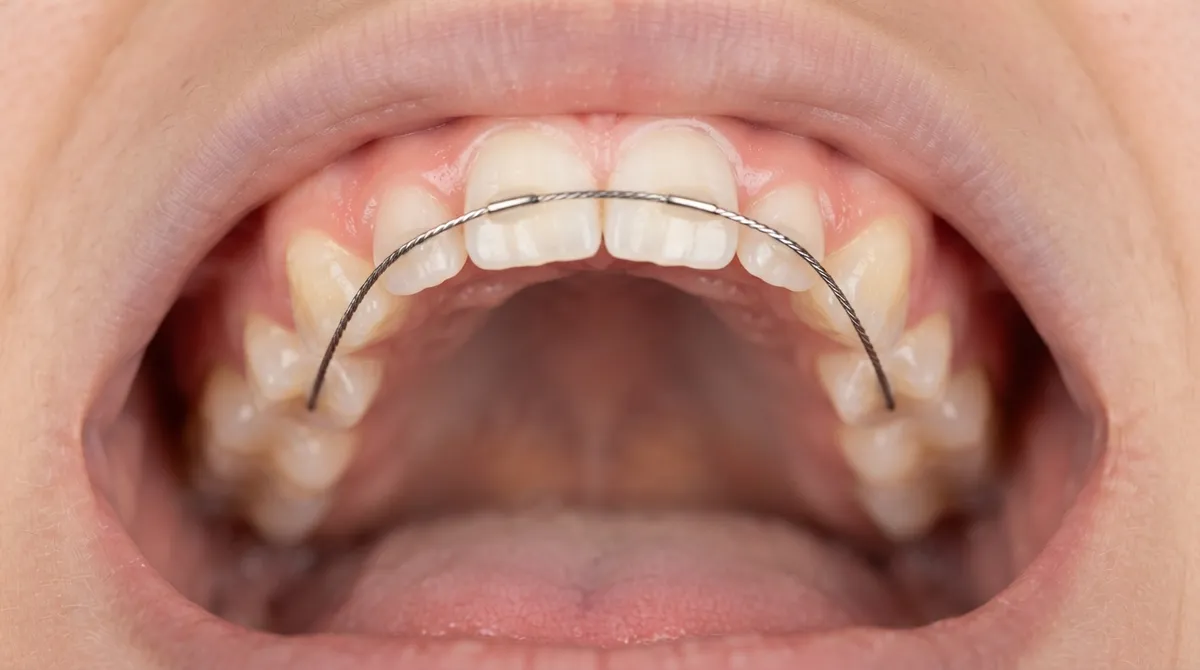
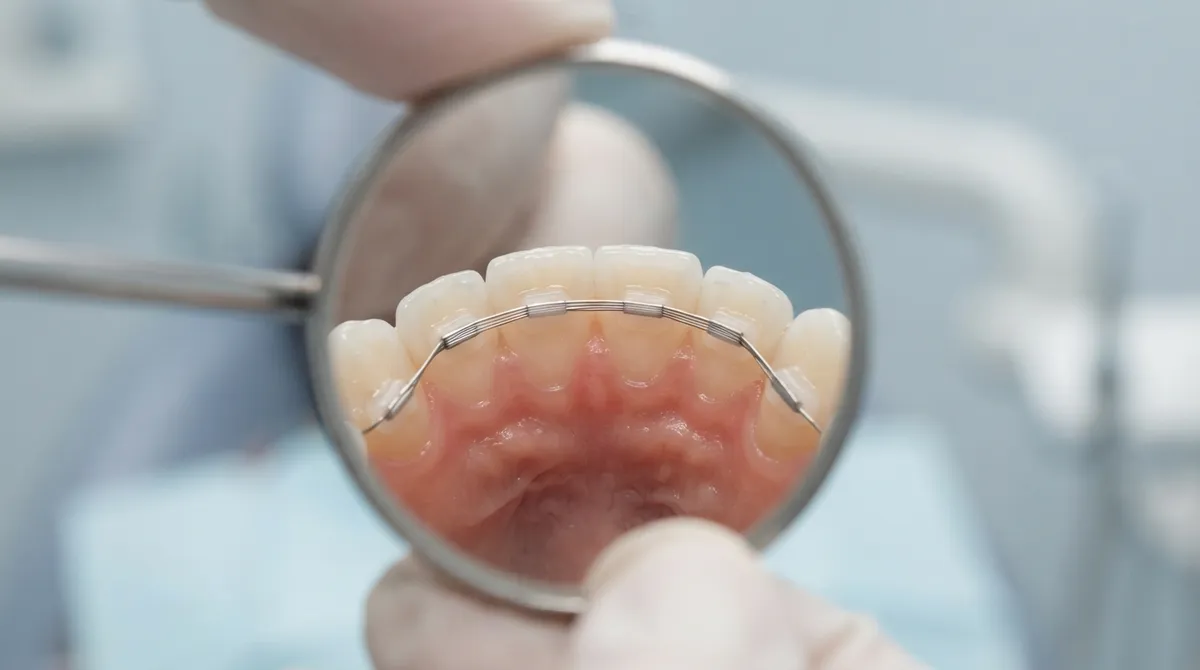
A permanent retainer, also called a fixed or bonded retainer, is a thin wire. Your orthodontist glues it to the back of some of your teeth, usually the lower front ones. Because it sits behind your teeth, most people never see it.
Here is a fun fact: the word “permanent” is a little misleading. The wire is not truly forever. It can loosen, break, need repair, or be removed when your orthodontist decides it is time. It is “permanent” in the sense that you cannot take it out yourself.
Because it stays in place around the clock, it works without any effort from you. No case to remember. No tray to lose at a restaurant. Just steady, quiet support for your new smile.
If you want a deeper look at all the retainer types out there, our page on orthodontic retainers is a great place to start.
When Do Orthodontists Recommend Permanent Retainers?
This is the big question. Orthodontists look at your teeth, your bite, and your daily habits before deciding. Here are the most common situations where a bonded retainer comes up.
After Closing a Gap Between Teeth
Spaces between teeth, especially a gap between the two upper front teeth (called a midline diastema), love to reopen. Teeth that were once apart tend to want to drift back. A fixed retainer holds them together. If you want to learn more about this issue, our article on gapped teeth covers it well.
After Correcting Severely Rotated Teeth
A tooth that was turned sideways has a strong memory. It often tries to twist back after braces come off. Orthodontists may suggest a bonded wire to keep these stubborn teeth right where you want them.
For Crowded Lower Front Teeth
The lower front teeth are the most common spot for change over time. If you started with notable crowding, your orthodontist may feel that a fixed wire gives the best protection. You can read more about this issue in our guide on how to fix crowded teeth.
When Daily Wear Feels Hard to Keep Up
Let’s be honest. Remembering a removable retainer every single night is tough. Teens juggle school and sports. Busy professionals travel. Parents manage a hundred things at once. A fixed retainer works without daily effort, which can be a real relief.
That said, it does not remove the need for follow-up visits. It also does not guarantee that teeth will never move.
Summary: Common Reasons for a Fixed Retainer
- A closed midline gap or other major spacing
- Severely rotated teeth that were corrected
- Marked crowding in the lower front teeth
- A history of relapse after earlier treatment
- Difficulty wearing a removable retainer consistently
These are common clinical thoughts, not strict rules. Your orthodontist decides based on your individual case.
Who Is a Good Candidate for a Permanent Retainer?
Different people have different needs. Here is how a fixed retainer may fit each type of patient.
Parents and Their Kids and Teens
If you are a parent making care decisions for a child aged 7 to 16, you know how tricky it is to track a removable retainer. A bonded wire can help bridge that gap. It takes the guesswork out of nightly wear. Still, kids need extra care with brushing and flossing around it.
Adults Who Had Braces Before
Maybe you wore braces as a teen and skipped your retainer later. Now you notice your teeth have shifted. Many adults come back for treatment and want to protect their results this time. A fixed retainer can be a smart tool for those highly motivated patients. See our page on adult orthodontics to learn more.
Professionals and Milestone Planners
Planning a wedding, a graduation, or a big career moment? You want your smile to stay put. A bonded retainer can offer steady, hidden support while you focus on life.
Fixed vs. Removable Retainers: A Quick Comparison
Neither option is the winner for every person. Research shows both types can hold teeth in place, and results vary by the arch, the design, the follow-up time, and how well the patient follows instructions. Here is a simple side-by-side look.
| Feature | Permanent (Fixed) Retainer | Removable Retainer |
|---|---|---|
| Daily effort | None needed | Must wear as directed |
| Visibility | Hidden behind teeth | Clear types are discreet |
| Cleaning | Brush and floss around the wire | Take out and clean the retainer |
| Risk of loss | Cannot be lost | Can be lost or broken |
| Possible issues | Wire can loosen or break | May not be worn enough |
| Best for | Higher relapse risk cases | Many cases, or used together |
Want to compare removable styles too? Check out our article on fixed vs. removable retainers after braces for more detail.
Can You Have Both a Fixed and a Removable Retainer?
Yes, and many patients do. A bonded wire gives constant support to the front teeth. A removable retainer can cover the rest of your teeth for extra protection. Your orthodontist will tell you how to use each one.
This combo can be a great fit if you want a layer of backup. If one retainer has a problem, the other still helps hold your smile.
What the Research Says About Failure Rates
Let’s talk about what the studies show, because honesty helps you make a good choice.
A 2023 systematic review and meta-analysis reported an overall bonded-retainer failure rate of about 35.22%. The rate climbed with time: roughly 24.18% in the short term, 40.09% in the medium term, and 53.85% in the long term. Keep in mind that studies define “failure” and follow-up differently.
An earlier 2016 review found failure risks of around 0.29 for lower stainless-steel retainers bonded from canine to canine, and 0.25 for ones bonded only to the canines. These come from a different group of studies, so you should not treat the numbers as the same thing.
A 2023 review also found that lower fixed retainers may keep alignment more predictably than vacuum-formed removable retainers in the first six months. After the first year, the differences between major approaches tend to shrink.
What does this mean for you? Fixed retainers are helpful, but they are not magic. Regular checkups matter.
How to Care for a Permanent Retainer
A bonded wire needs a little extra love. Plaque and tartar can build up around it. Here is a simple routine.
- Brush twice a day. Angle your brush toward the wire and clean the back of your teeth well.
- Floss daily. Use a floss threader, a super floss, or a small interdental brush to slide under the wire.
- Rinse after meals. A quick swish helps clear away food bits.
- Keep up with cleanings. Visit your dentist and orthodontist for regular checks.
- Avoid very hard or sticky foods. They can pull the wire loose.
Research on long-term gum effects is mixed. Good cleaning habits and your own risk factors make a big difference. If you want a refresher on flossing tricks, see our guide on how to floss with braces, since many of the same tools work with a bonded retainer.
What to Do If Your Permanent Retainer Comes Loose
Bonded wires can loosen, break, or detach from one tooth. Sometimes you will not feel a thing. That is why checkups matter. A loose or damaged retainer may stop holding your teeth in place, and unwanted movement can follow.
If you notice any of these signs, act fast:
- The wire feels loose or sticks out
- One end has come off a tooth
- You see a gap forming or a tooth moving
- The wire is poking your tongue or lip
Do not try to bend or glue it yourself. Call your orthodontist right away. If it is after hours or feels urgent, our page on orthodontic emergencies explains what to do next. Also, avoid common errors by reading about orthodontic retainer mistakes to avoid.
Pros and Cons of Permanent Retainers
Every choice has trade-offs. Here is a fair look at both sides.
The Upsides
- Works around the clock with no daily effort
- Hidden behind your teeth
- Cannot be lost or left in a school bag
- Great support for relapse-prone teeth
The Downsides
- Needs extra cleaning time
- Plaque and tartar can collect near the wire
- Wire may break or detach and need repair
- Does not cover every tooth
Think of it like a seatbelt for your smile. It is helpful and reliable, but you still need to check it now and then.
How Long Does a Permanent Retainer Stay On?
There is no single answer. Some patients keep a fixed retainer for many years. Others have it removed sooner or switch to removable ones. Your orthodontist will guide you based on how stable your teeth look over time.
The key idea is that retention is a long-term commitment. Teeth can shift throughout life, even for people who never had braces. A good retention plan is what protects the time and money you already put into your smile. If you want to know how long retainers are usually worn, read our article on how long you wear retainers after braces.
Why Choose Segovia Orthodontics for Your Retention Plan?
At Segovia Orthodontics at Lakewood Ranch, we believe the best retainer is the one that fits your life. Dr. Flor Segovia is a board-certified orthodontist who takes time to look at your teeth, your habits, and your goals before suggesting a plan. We care for kids, teens, and adults, and we offer bilingual care in English and Spanish.
Whether you finish treatment with LightForce braces, WildSmiles braces, or clear aligners, we build a retention plan that protects your results. You can also learn more about our credentials through the American Board of Orthodontics, and see what our patients say when you visit Segovia Orthodontics on Google.
Follow along for smile tips and fun updates on our Facebook page and our Instagram page.
Ready to Protect Your Smile?
So, when do orthodontists recommend permanent retainers? Usually when your teeth have a higher risk of shifting, such as after gap closure, rotation fixes, or lower crowding, or when daily wear of a removable retainer is hard to keep up. A fixed retainer can also pair with a removable one for extra support. The right answer always depends on you.
Not sure which option fits your smile? We would love to help you figure it out. Take the first step and request an appointment today, or call us at 941-557-1333 to chat with our friendly team. Your best smile deserves a plan that lasts.
FAQs
Q: When do orthodontists recommend a permanent retainer after braces?
A: Orthodontists often suggest a permanent retainer when teeth are more likely to shift back, such as after closing a gap, fixing badly rotated teeth, or treating lower front crowding. It may also help when wearing a removable retainer every day is hard. Your orthodontist will look at your own case before deciding.
Q: Are permanent retainers really permanent?
A: Not quite! The wire is bonded in place, so you cannot take it out yourself, but it can loosen, break, or be removed by your orthodontist. It may need repairs or replacement over time. Regular checkups help keep it working well.
Q: Can I have both a permanent and a removable retainer?
A: Yes, many patients use both. The fixed wire gives constant support to the front teeth, while the removable retainer adds protection for the rest of your smile. Your orthodontist will explain how to use each one.
Q: How do I clean and floss around a permanent retainer?
A: Brush twice a day and aim your brush at the back of your teeth and along the wire. For flossing, use a floss threader, super floss, or a small interdental brush to slide under the wire. Keep up with regular dental cleanings too.
Q: What should I do if my bonded retainer comes loose or breaks?
A: Call your orthodontist right away. A loose or damaged retainer may stop holding your teeth in place, and they could start to move. Please do not try to fix it at home, since bending or gluing it yourself can cause more problems.
Our Service Area