Key Takeaways
-
Call your treating orthodontist as soon as you lose, crack, or warp a retainer, since delays let teeth shift and can make the original retainer unusable.
-
Never force a tight retainer or try to fix a warped one with glue or heat; schedule a prompt check so your provider can assess the movement.
-
Follow the wear schedule your orthodontist gives you in writing, since plans vary from full-time to nightly wear and no single schedule fits everyone.
-
Store removable retainers in their case, never in a napkin, and keep them away from hot water, dishwashers, and pets to prevent loss and warping.
-
Brush and floss daily around fixed retainer wires, and have a professional check any loose bond or broken wire quickly.
-
Schedule periodic retainer checks, and if crowding or gaps return years later, a professional exam can determine whether a new retainer or short aligner round is needed.
You finished your last aligner tray. You smiled in the mirror. Your teeth look amazing. Then someone hands you a retainer, and you wonder, now what?
Here is the good news: you are not alone, and help is closer than you think. Whether you lost your retainer in a napkin, sat on it, or just feel confused about the wear schedule, this guide will help you find retainer help after clear aligner treatment quickly and calmly. We will walk through 13 practical ways to protect your smile, plus what to do when things go wrong.
Retainers do not continue active treatment. Instead, they hold your teeth in their new positions while the tissues around them settle in. Without that support, teeth can drift. That is why every orthodontist, from busy parents to career-focused professionals, treats retention as part of the plan, not an afterthought.
Let’s get your retainer questions answered, one friendly step at a time.
Why You Need Retainer Help After Clear Aligners
Teeth are not set in concrete. After active tooth movement ends, they can slowly shift back toward old positions. Retainers are generally recommended after clear aligner treatment, just as they are after braces.
Think of it like finishing a great workout program. You wouldn’t stop all healthy habits the next day and expect the results to stay. Your retainer is the “maintenance plan” for your new smile.
Evidence does not point to one single best retention method for everyone. A 2023 critical review found that both fixed and removable retainers can stabilize teeth. The right choice depends on your bite, your risk of shifting, your hygiene habits, and how well you can follow a wear schedule. That is exactly why personalized guidance matters.
13 Ways to Find Retainer Help After Clear Aligner Treatment
1. Start With Your Treating Orthodontist
Your first call should go to the office that guided your aligner treatment. They know your teeth, your bite, and your original plan. They can tell you whether your retainer needs a quick adjustment, a replacement, or a closer look.
If you are in the Lakewood Ranch area, orthodontic retainers are a core part of care at Segovia Orthodontics, and the team can walk you through your options.
2. Ask About Your Retainer Type
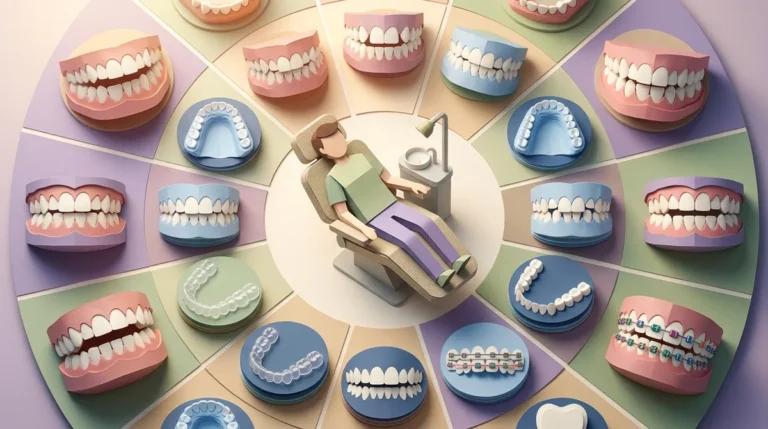
Not all retainers are the same. Knowing yours makes every conversation easier. Here is a quick comparison:
| Retainer Type | How It Works | Best For | Key Care Tip |
|---|---|---|---|
| Clear plastic (vacuum-formed) | Removable tray that fits over teeth | Patients who like a discreet, aligner-like feel | Remove for meals; avoid heat |
| Hawley-style | Removable wire and acrylic plate | Patients who want a durable, adjustable option | Clean daily; handle gently |
| Fixed (bonded) | Thin wire bonded behind teeth | Patients at higher risk of shifting or who struggle with wear schedules | Floss carefully around the wire |
You can read more in our guide on Hawley retainers versus clear retainers.
3. Follow Your Personal Wear Schedule
There is no single wear schedule that fits everyone. Many orthodontists prescribe full-time wear at first, then nighttime wear. Your orthodontist’s instructions always come first.
For example, one hospital protocol advises nightly wear for the first year, then alternate nights from year two onward. Another describes full-time wear except at meals, then a later switch to nighttime. These are examples, not universal rules. Ask your own provider for your exact plan, and write it down.
4. Act Fast If You Lose Your Retainer
Lost it? Take a breath. It happens to almost everyone. The key is speed. Contact your orthodontist or dentist as soon as possible. Delays can allow teeth to move and may make your original retainer unusable.
Our friendly walkthrough on lost retainer replacement explains what to do right away.
5. Call Right Away If Your Retainer Is Cracked or Warped
A cracked or warped retainer will not hold your teeth correctly. Do not try to bend it back or fix it with glue. Heat from hot water, a dashboard, or a dishwasher is a common cause of warping. Keep the pieces safe and call your orthodontist for next steps.
6. Do Not Force a Tight Retainer
If your removable retainer feels tight after you missed a few nights, that can be a sign your teeth have started to move. Do not force it into place if it hurts or does not seat fully. Contact your orthodontist promptly. A clinician can check whether you need a replacement or a bit of extra treatment.
7. Learn the Daily Care Basics
Good habits protect your investment. Removable retainers should generally come out for meals and for drinks other than water. Clean them as your orthodontist directs.
- Rinse your retainer when you take it out
- Brush it gently with a soft toothbrush
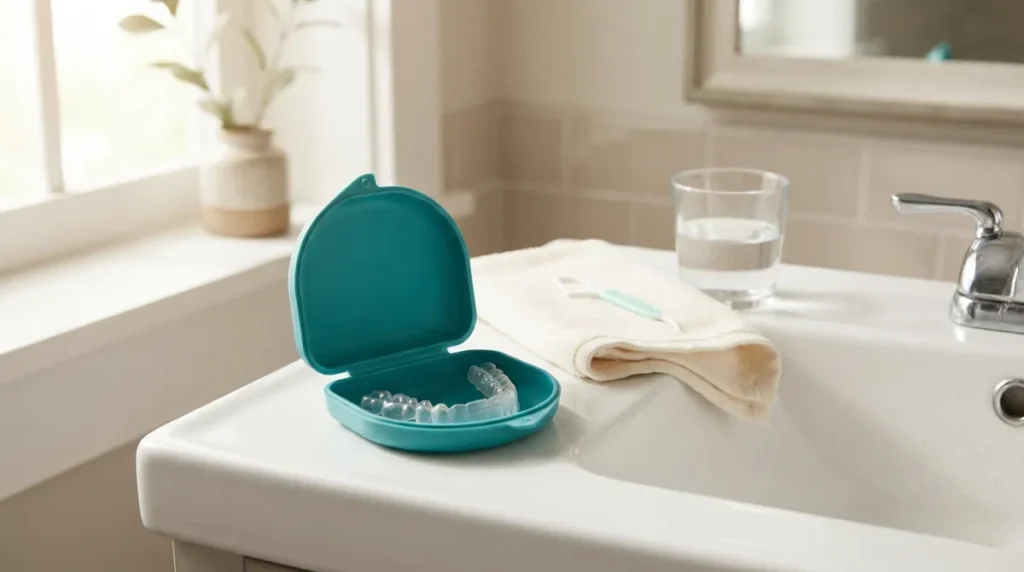
- Store it in its case, never in a napkin
- Keep it away from heat and pets
For more habits that protect your smile, see our tips on how to master retainer care.
8. Care for a Fixed Retainer the Right Way
A fixed retainer needs a little extra attention. Brush and floss around the wire every day. Special floss threaders or small interdental brushes can make this easier. If the bond feels loose or the wire is broken, have a dental professional check it quickly.
Curious about the details? Our article on fixed retainer facts covers the essentials.
9. Book Regular Retainer Checks
Even if everything feels fine, periodic checkups matter. The American Association of Orthodontists recommends following your orthodontist’s instructions and attending periodic retainer checks. These visits help your provider look at fit, damage, and oral hygiene before small issues turn into big ones.
10. Get Help When Your Retainer Hurts
A little snugness after a missed night can be normal. Real pain is different. If your retainer causes sore spots, sharp edges, or lasting pressure, call your orthodontist. If you have a wire poking or a broken piece, our page on orthodontic emergencies can help you decide what to do.
11. Ask About Cost Before You Pay
Replacement retainers have a cost, and it varies by type and practice. Ask what is included, how long a replacement takes, and whether insurance may help. Our guide to understanding clear retainer costs can help you plan, and the orthodontic financing page explains flexible payment options.
12. Plan Ahead If You Have a Big Life Event
Graduation, a wedding, or a big career presentation coming up? Check your retainer first. A well-fitting retainer helps keep your smile photo-ready. If yours is lost or no longer fits, call early so there is time for a replacement.
13. Consider Adult Relapse Care When Teeth Have Shifted
Many adults finished treatment years ago and stopped wearing a retainer. If you notice crowding or gaps coming back, you are not out of options. A professional exam can show how much movement has happened and whether a new retainer, a short round of aligners, or another approach makes sense. Learn more about adult orthodontics and clear aligners at Segovia Orthodontics.
Quick Guide: What To Do for Common Retainer Problems
| Problem | What It May Mean | Your Next Step |
|---|---|---|
| Lost retainer | Teeth may begin shifting | Call your orthodontist right away |
| Cracked or warped | Retainer will not hold teeth well | Stop wearing it; call for a replacement |
| Feels tight | Possible tooth movement after missed wear | Do not force it; get advice promptly |
| Loose bonded wire | Bond may have broken | Have a dental professional check it |
| Sore spots | Rough edge or poor fit | Book an adjustment visit |
What To Bring and Ask at Your Retainer Visit
A little preparation makes your appointment smoother. Here is a simple checklist:
- Bring your current retainer, even if it is broken or in pieces.
- Note when you last wore it and how often.
- Write down any pain, tightness, or changes you have noticed.
- Ask which retainer type is best for your bite and lifestyle.
- Ask for a clear wear schedule in writing.
- Ask how often you should come in for retainer checks.
Our guide on asking the right orthodontic questions can help you feel confident in the chair.
Common Retainer Mistakes To Avoid
Even the most motivated patients slip up. Here are a few easy-to-fix mistakes:
- Wrapping it in a napkin: This is the number one way retainers end up in the trash.
- Using hot water: Heat can warp clear plastic.
- Skipping nights: A few missed nights can lead to a tight, uncomfortable fit.
- Waiting too long to call: Early help is almost always simpler and less costly.
You can find more in our post on orthodontic retainer mistakes to avoid.
How Long Will You Need a Retainer?
Here is the honest answer: probably longer than you want, but the routine gets easy. Long-term or indefinite nighttime wear is often advised because teeth can continue to change over time. Some patients wear their retainers nightly, then move to a reduced schedule once their orthodontist approves.
The point is to keep what you worked hard to earn. Think of it as a small nightly habit, like brushing, that protects a big investment.
Where Segovia Orthodontics Fits In
At Segovia Orthodontics, Dr. Flor Segovia and the team provide personalized care for children, teens, and adults. If you need a replacement retainer, a fit check, or advice after clear aligners, the practice offers a warm, comfortable environment and bilingual care in English and Spanish. You can also visit us on Google — Segovia Orthodontics to see our location and read patient feedback.
Want to learn more about the practice and the person behind it? Meet Dr. Flor Segovia, and learn about her board-certified orthodontist credentials. You can also confirm board certification through the American Board of Orthodontics. For quick updates and smile moments, follow our Instagram page or say hello on our Facebook page.
Conclusion: Your Smile Deserves a Plan
Finishing clear aligners is a big win. Keeping your results takes a simple plan and a little support. Whether you need to replace a lost retainer, fix a tight fit, or understand your wear schedule, getting help early protects your smile and your wallet.
Ready for friendly, personalized help? Request an appointment today, contact us with your questions, or call us at 941-557-1333. We would love to help you keep that smile exactly where you want it.
FAQs
Q: Do I need a retainer after clear aligner treatment?
A: Yes, in most cases. Teeth can shift after active movement ends, so retainers are generally recommended after clear aligners, just like after braces. Your orthodontist will pick the type and schedule that fit your bite and lifestyle.
Q: How many hours a day should I wear my retainer after aligners?
A: It depends on your plan. Many orthodontists start with full-time wear, then move to nighttime wear. Always follow your own orthodontist’s instructions, since there is no single schedule for everyone.
Q: What should I do if my retainer feels tight or no longer fits?
A: Do not force it, especially if it hurts or will not seat fully. A tight fit can mean your teeth have moved, so call your orthodontist soon. They can check your teeth and decide if you need a new retainer or a little extra treatment.
Q: Where can I get a replacement retainer after clear aligner treatment?
A: Start with your treating orthodontist or dentist, since they have your records and can act quickly. If you are near Lakewood Ranch, Segovia Orthodontics can help with replacements, fit checks, and wear guidance.
Q: Should I choose a clear removable retainer or a fixed retainer?
A: There is no one-size-fits-all answer. Both types can keep teeth stable, and the best pick depends on your bite, shifting risk, hygiene habits, and how well you stick to a wear schedule. Your orthodontist can help you decide.
Our Service Area