Key Takeaways
-
Braces work by applying gentle, steady pressure that causes bone on one side of the tooth root to dissolve while new bone forms on the opposite side, allowing teeth to slowly shift position over weeks and months in a safe, permanent way.
-
Most orthodontic treatment lasts between 12 months and 2.5 years depending on complexity, with patients visiting every 4 to 10 weeks for adjustments to wires and elastics that keep treatment moving steadily forward.
-
Advanced technologies like LightForce Orthodontics use 3D-printed custom brackets that can reduce treatment time by up to 45% and offer tooth-colored options for a more discreet appearance.
-
Discomfort from braces is usually mild and temporary, lasting only a few days after placement or adjustment, and can be managed with soft foods, salt water rinses, and over-the-counter pain relievers.
-
Retainers are essential after braces come off because teeth naturally want to shift back to their original positions, making custom-fit retainers your smile's long-term insurance policy.
-
Braces can correct crowding, gaps, overbites, underbites, crossbites, and open bites while also making teeth easier to clean, which supports better long-term oral health and prevents decay.
Have you ever wondered how a few small brackets and a thin wire can turn a crooked smile into a straight one? It feels almost magical, right? But the truth is, there’s real science behind every step. Understanding how do braces work can help you feel calm and confident, whether you’re a mom scheduling your child’s first visit or an adult finally ready to fix your smile after years of waiting.
At Segovia Orthodontics in Lakewood Ranch, we meet families and busy professionals every day who ask the same questions. How does this actually move my teeth? Will it hurt? How long will I be wearing these? We’re going to walk through it all in plain, friendly language, so you know exactly what to expect from day one to your last retainer check.
The Basic Science Behind Braces
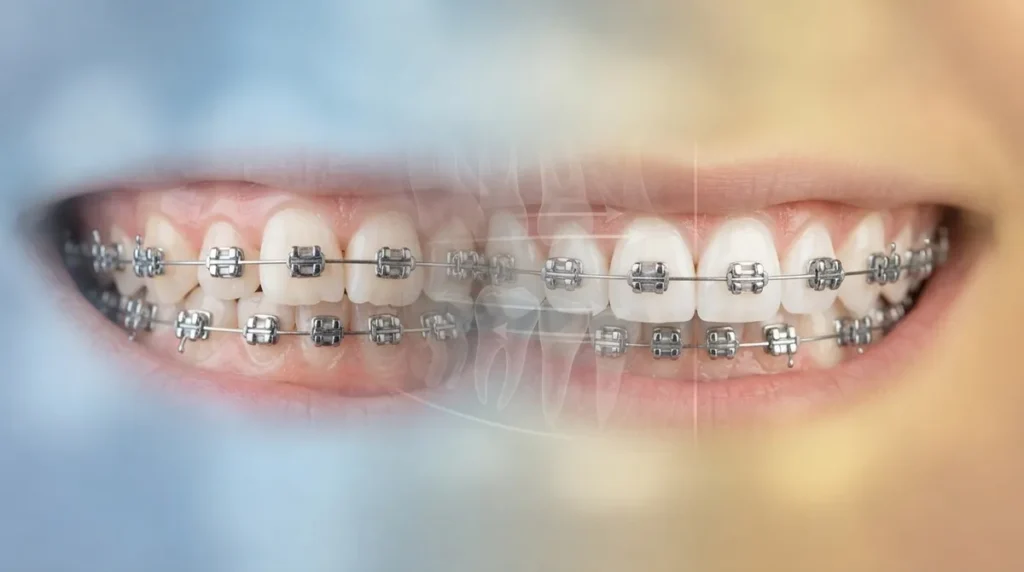
Braces work by putting gentle, steady pressure on your teeth. This might sound simple, but it triggers an amazing process inside your jawbone. Your teeth are not fused solid to the bone. They actually sit in small sockets, held by fibers that allow tiny movements over time.
When braces apply pressure, here’s what happens beneath the surface:
- On one side of the tooth root, pressure builds and bone starts to dissolve, a process called resorption
- On the opposite side, tension pulls at the bone, encouraging new bone to form
- This constant push-and-pull cycle lets the tooth slowly shift position
- Over weeks and months, your jawbone rebuilds itself around your teeth’s new spots
- The process repeats every time your orthodontist adjusts your wires or elastics
It’s a slow, steady journey, but that’s exactly what makes it safe and permanent. Rushing this natural process could damage your teeth or roots, so patience really does pay off.
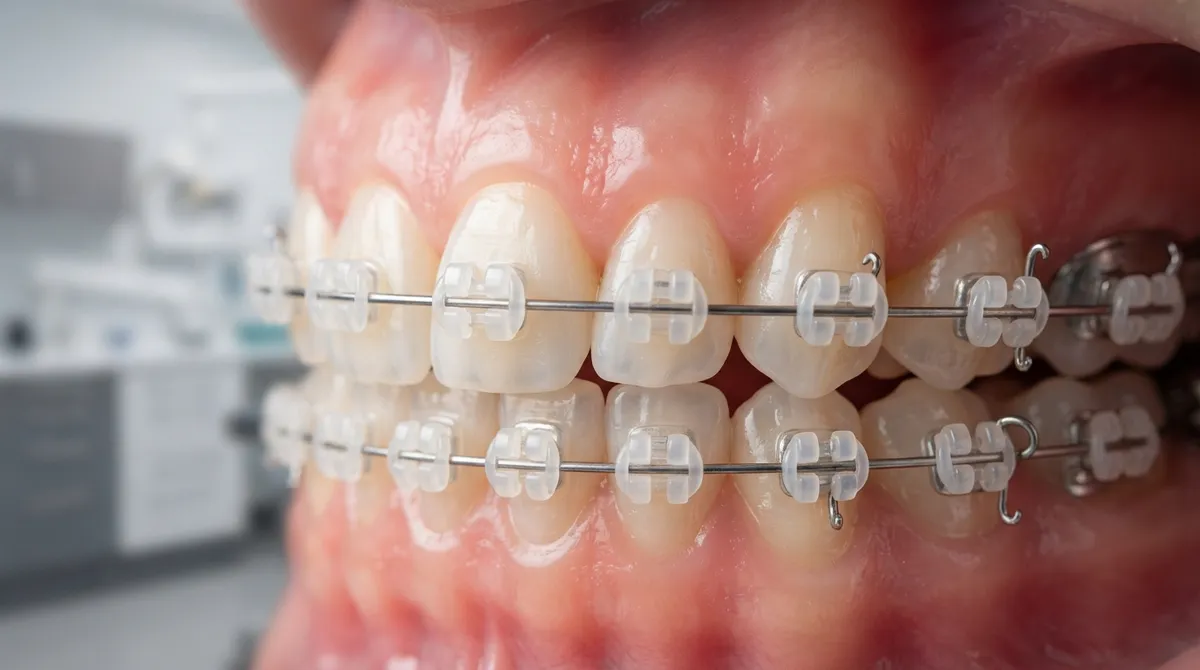
The Parts of Braces and What They Do
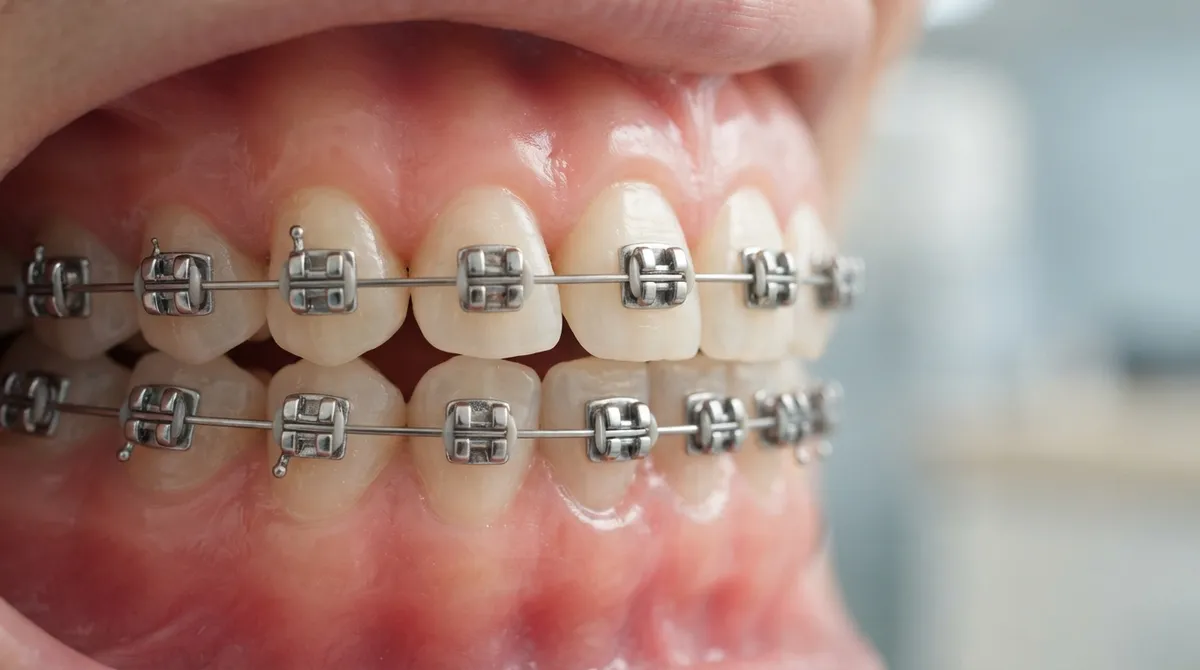
Traditional braces have several pieces working together as a team. Each part plays its own role in guiding your teeth toward their new home.
Brackets
These are the small squares bonded to each tooth. They act as handles, holding the wire in place so it can direct movement.
Archwire
This metal wire threads through all the brackets. It’s the real engine of tooth movement, applying constant pressure in the direction your orthodontist wants your teeth to go.
Elastics, Springs, and Other Add-Ons
Sometimes brackets and wires need extra help. That’s where rubber bands, springs, or coils come in. These tools correct bite problems and close gaps that wires alone can’t fix. Some patients may also need a specialized appliance for underbite correction or other jaw-related concerns.
Curious about which bracket style fits your lifestyle best? Our guide to types of braces breaks down each option in detail.
Fun, Personalized Options for Kids and Teens
Braces don’t have to feel scary or boring for younger patients. At Segovia Orthodontics, we offer WildSmiles Braces, which let kids choose fun bracket shapes like stars, hearts, soccer balls, and even Mickey Mouse designs.
Here’s why so many families love this option:
- Kids get excited about brushing and caring for their braces when they love how they look
- The unique shapes make it easier to spot leftover plaque, which helps improve brushing habits
- Disney-themed elastics from movies like Frozen add extra excitement to appointments
- Children feel proud showing off their braces instead of feeling self-conscious
- Good habits formed early often carry into better oral care for life
When treatment feels fun, compliance goes way up. And better compliance almost always means faster, smoother results.
Advanced Technology for a Faster, More Comfortable Fit
Not all braces are built the same way. Some practices, including ours, use LightForce Orthodontics, a fully digital, 3D-printed bracket system. Instead of a one-size-fits-all bracket, each one is custom designed to match the exact shape of your tooth.
This approach offers real advantages:
- Treatment times can be up to 45% faster thanks to precise digital planning
- Brackets bond more evenly, reducing irritation to gums and cheeks
- Dr. Segovia can make real-time adjustments using a 3D model before treatment even begins
- Clear or white bracket options offer a more subtle, low-profile look
- Custom appliances are often ready in under two weeks
This kind of advanced orthodontic technology means less guesswork and more precision, which is great news if you’re a busy professional who wants efficient results without extra chair time.
How Long Do Braces Typically Take?
This is one of the most common questions we hear, and it makes sense. You want to know what you’re signing up for. According to the NHS, most orthodontic treatment lasts between 12 months and 2.5 years. However, the full range can stretch from about 6 months up to 4 years depending on how complex your case is.
| Treatment Complexity | Typical Duration | Common Examples |
|---|---|---|
| Mild | 6 to 12 months | Minor spacing or slight crowding |
| Moderate | 12 to 20 months | Crowding, gaps, mild bite issues |
| Complex | 20 months to 2.5+ years | Severe crowding, jaw growth concerns, multiple bite problems |
Your orthodontist is the only one who can give you a case-specific estimate, since every smile is different. Following instructions carefully and keeping appointments can help keep your treatment on schedule.
What Happens at Your Appointments?
Once your braces are on, your orthodontic journey moves into an active phase. During this stage, you’ll visit the office regularly so your orthodontist can check progress and make adjustments.
Here’s what a typical treatment timeline usually looks like:
- Initial assessment with photos, models, or digital scans, and sometimes X-rays
- Creation of a personalized treatment plan based on your unique bite and alignment needs
- Placement of braces, followed by a short adjustment period as your mouth gets used to them
- Regular visits every 4 to 10 weeks, where wires and elastics are adjusted or replaced
- Removal of braces once your teeth reach their ideal position
- Fitting for a custom retainer to help lock in your new smile
The American Association of Orthodontists notes that most patients attend adjustment visits every 6 to 10 weeks. This routine keeps your treatment moving steadily forward.
Does It Hurt to Wear Braces?
Let’s be honest, this is probably the question on everyone’s mind. The good news is that discomfort is usually mild and temporary. You might feel some pressure or tenderness for a few days after braces are placed or adjusted.
A few simple tips can help ease any soreness:
- Stick to soft foods for the first few days after adjustments
- Rinse with warm salt water to soothe irritated gums
- Use orthodontic wax on any brackets that rub against your cheeks
- Take an over-the-counter pain reliever if needed and approved by your doctor
- Remember that discomfort usually fades within a week
If you ever feel sharp pain, a poking wire, or a broken bracket, don’t wait it out. Visit our page on orthodontic emergencies to learn what steps to take right away.
What Problems Can Braces Actually Fix?
Braces do more than just straighten crooked teeth. They can correct a wide range of alignment and bite issues that affect both appearance and function.
Common issues braces can treat include:
- Crowded or overlapping teeth
- Gaps or spacing between teeth
- Protruding front teeth
- Overbite, underbite, and crossbite
- Open bite, where teeth don’t meet properly when biting down
Fixing these problems doesn’t just improve your smile. It also makes brushing and flossing easier, which supports better long-term oral health. To learn more about specific conditions, check out our page on common orthodontic problems.
A Discreet Alternative: Clear Aligners
Not everyone wants traditional metal brackets, and that’s completely okay. Many of our patients, especially young professionals and those preparing for big life events like weddings or graduations, prefer clear aligners.
We offer Angel Aligners, a modern clear aligner system that works a bit differently than older options. Here’s what makes them stand out:
- A unique wear schedule using a flexible tray for 7 days, followed by a firmer tray for 3 days
- AI-driven treatment planning that can speed up tooth movement
- Built-in attachments in some cases, avoiding extra bonded pieces on your teeth
- A frosted finish designed to be less noticeable than shiny plastic
- A budget-friendly price point compared to many premium clear aligner brands
If you’re torn between options, our comparison guide on clear aligners can help you decide what fits your lifestyle best.
Life After Braces: Why Retainers Matter
Getting your braces off is an exciting day, but the journey isn’t quite finished yet. Your teeth and the bone around them need time to settle into their new positions.
Here’s why retainers are such a big deal:
- Teeth naturally want to shift back toward their old positions right after braces come off
- Retainers hold your teeth steady while the surrounding bone and gum tissue adjust
- Most orthodontists recommend nightly wear for a long period, sometimes indefinitely
- Skipping retainer wear is one of the top reasons people see their smile relapse
- Custom-fit retainers feel far more comfortable than generic ones
We always tell our patients, especially those who had braces years ago and are now dealing with relapse, that a retainer is your smile’s insurance policy. Explore our orthodontic retainers options to find the right fit for your needs.
Braces for Every Stage of Life
One of the best things about modern orthodontics is that there’s truly no age limit. Whether you’re a parent bringing in your seven-year-old or an adult ready to finally get that smile you always wanted, treatment can be tailored to your needs.
Here’s how we approach different age groups:
- Children benefit from early orthodontic treatment that can guide jaw growth and prevent bigger issues later
- Teens often want efficient, low-maintenance options that fit their active schedules, covered in our teen orthodontic treatment guide
- Adults frequently choose discreet options like clear aligners or tooth-colored brackets, detailed in our adult orthodontics resource
- Busy professionals appreciate flexible scheduling and treatments designed for minimal disruption to their careers
- Anyone experiencing relapse from old orthodontic work can often correct it faster than they expect
Our founder, Dr. Flor Segovia, is a board-certified orthodontist who believes every patient deserves a treatment plan built around their real life, not a generic template.
Caring for Your Teeth During Treatment
Good habits during treatment can make a huge difference in your final results. Braces create more nooks and crannies where food particles can hide, so a little extra effort goes a long way.
Keep these habits in mind throughout your treatment:
- Brush after every meal using a soft-bristled brush and fluoride toothpaste
- Use floss threaders or interdental brushes to clean between wires and teeth
- Avoid sticky, hard, or crunchy foods that can damage brackets or wires
- Keep every scheduled appointment, even if things feel like they’re going well
- Ask your orthodontist right away about anything that feels loose or broken
Sticking to these simple steps helps prevent decay, gum irritation, and treatment delays, keeping you on track toward your goal.
Choosing the Right Orthodontic Partner
Braces work best when you’re supported by an experienced team who listens to your concerns and explains every step clearly. That’s exactly what we aim for at Segovia Orthodontics in Lakewood Ranch.
We proudly offer bilingual care in English and Spanish, flexible financing, and a warm, family-friendly environment for patients of every age. You can learn more about our approach on our why choose us page, or see why families keep coming back by reading our board certified orthodontist credentials.
Curious what real patients think? You can visit us on Google — Segovia Orthodontics to read honest reviews from families right here in Lakewood Ranch. You can also check out our Facebook page and our Instagram page for smile transformations, tips, and updates from our office.
Getting Started With Your Smile Journey
Understanding how do braces work takes away a lot of the mystery and worry that comes with starting orthodontic treatment. It’s a gentle, gradual process backed by real science, guided by an experienced team, and tailored to fit your life.
If you’re ready to take the next step, our team would love to help. Feel free to contact us with any questions, or go ahead and request an appointment to start your personalized treatment plan today. You can also simply call us at 941-557-1333 to speak with our friendly Lakewood Ranch team. Your straighter, healthier smile is closer than you think, and we can’t wait to be part of your journey.
FAQs
Q: How do braces move teeth through the jawbone?
A: Braces apply steady pressure that causes bone on one side of the tooth root to break down while new bone forms on the other side. This gentle push-and-pull lets your tooth glide slowly into a new spot. It’s a natural process, so it takes time, usually months, not days!
Q: How long does it take for braces to straighten teeth?
A: Most people wear braces somewhere between 12 months and 2.5 years, though simple cases can finish sooner and complex ones may take longer. Your orthodontist will give you a personalized estimate after your first exam. Every smile is unique, so try not to compare your timeline to someone else’s!
Q: Do braces hurt when they’re fitted or adjusted?
A: You might feel some pressure or soreness for a few days after getting braces or having them adjusted, but it’s usually mild and temporary. Soft foods and warm salt water rinses can help a lot during this time. Most patients say it gets much easier after the first week or so.
Q: Can braces fix an overbite, underbite, crowding, or gaps?
A: Absolutely! Braces are great at correcting all of these issues, along with crossbites and open bites too. The exact appliances used depend on your specific case, which is why a personalized exam is so important. We’ll create a plan that targets your unique smile goals.
Q: Are braces suitable for adults as well as children?
A: Yes, braces work wonderfully for adults, and we see grown-up patients every single week! Whether you’re starting fresh or fixing relapse from old orthodontic work, it’s never too late to invest in your smile. Many adults love discreet options like clear brackets or clear aligners for a low-key treatment experience.
Our Service Area