Key Takeaways
-
Board-certified orthodontists have specialized training in tooth movement and jaw alignment that general dentists lack, making them essential for complex bite issues and guiding children's jaw growth during development.
-
About one in three orthodontic patients today is an adult, with numbers growing from 1.64 million in 2022 to 1.91 million in 2024, showing it's never too late to seek treatment or fix relapse from previous care.
-
Modern treatment options like LightForce 3D-printed brackets can reduce treatment time by up to 45% compared to traditional braces, while clear aligners offer discreet treatment for mild to moderate cases requiring high compliance.
-
Most full-service orthodontics clinics offer flexible financing plans to spread payments over treatment duration, so transparent pricing and written cost estimates upfront are critical to avoiding hidden fees.
-
Early orthodontic evaluations between ages 7-10 can catch problems like crossbites and crowding before they worsen, but not every child needs immediate treatment—individual assessment by a qualified orthodontist matters more than routine intervention.
-
Retention plans after active treatment are non-negotiable since teeth naturally shift back over time; skipping retainer wear is the most common reason adults return for a second round of treatment years later.
Finding the right orthodontics clinic can feel like a big decision. Maybe your child’s dentist mentioned crowding. Maybe you’re an adult who never got braces and wonder if it’s too late. Or maybe you had treatment years ago, and your teeth have started to shift again. Whatever brought you here, you’re not alone. The American Association of Orthodontists estimates that 50% to 75% of people could actually benefit from some form of orthodontic care. This guide breaks down what a good orthodontics clinic actually does, what to expect, and how to pick one that fits your family’s needs and your budget.
At Segovia Orthodontics in Lakewood Ranch, Dr. Flor Segovia and her team see patients of every age, from young kids to busy professionals to adults ready for a second chance at a straighter smile. Let’s walk through what makes an orthodontics clinic worth your time and trust.
What Does an Orthodontics Clinic Actually Do?
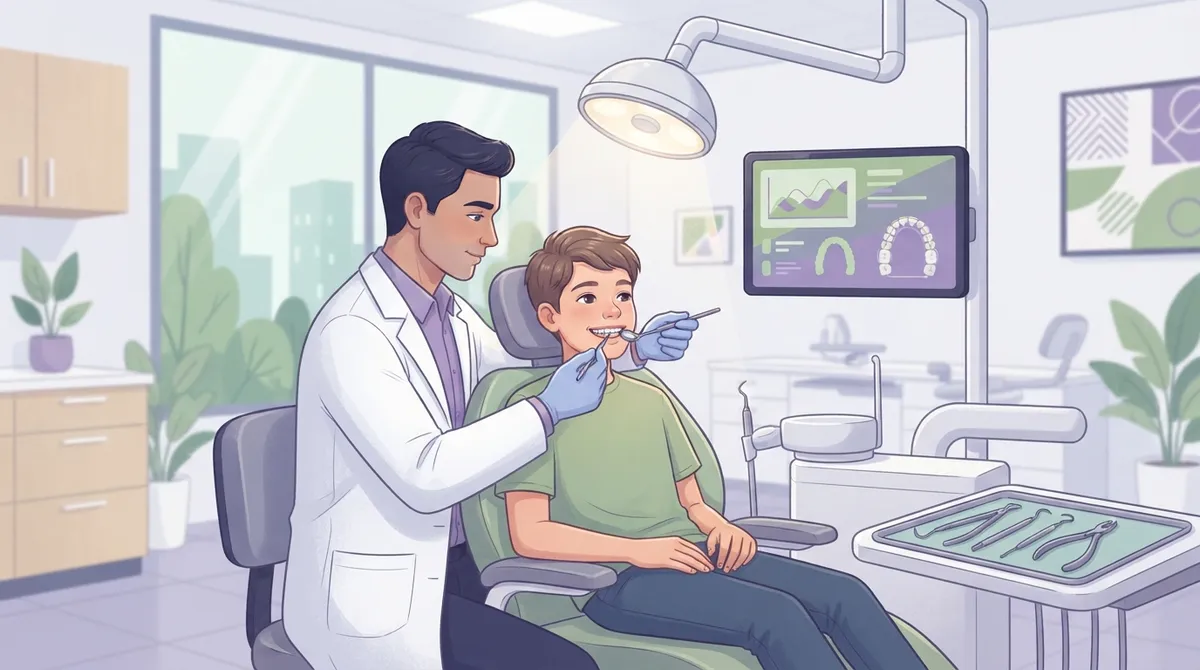
An orthodontics clinic is a specialized dental practice. It focuses on fixing crooked teeth, bad bites, and jaw growth problems. Orthodontics is a recognized dental specialty that deals with facial growth, tooth position, and bite function, according to NHS England guidance published in 2023.
Unlike a general dentist, an orthodontist has extra years of training focused only on tooth movement and jaw alignment. That specialized training matters when you’re trying to fix a complex bite or guide a child’s growing jaw in the right direction. If you want to understand this difference better, check out our guide on choosing between a general dentist and an orthodontist.
Core Services You Should Expect
A full-service orthodontics clinic should offer more than just braces. Here’s what a complete patient experience typically includes:
- Initial consultations with a clear, honest treatment plan
- Digital scans, photos, and X-rays when needed
- Custom treatment options based on your specific bite
- Regular progress checkups throughout treatment
- Retention plans once active treatment ends
- Emergency support for broken brackets or lost aligners
A trustworthy clinic will always explain your options clearly, including what happens if you choose not to treat a mild issue. They should also be upfront about costs, timelines, and what results you can realistically expect.
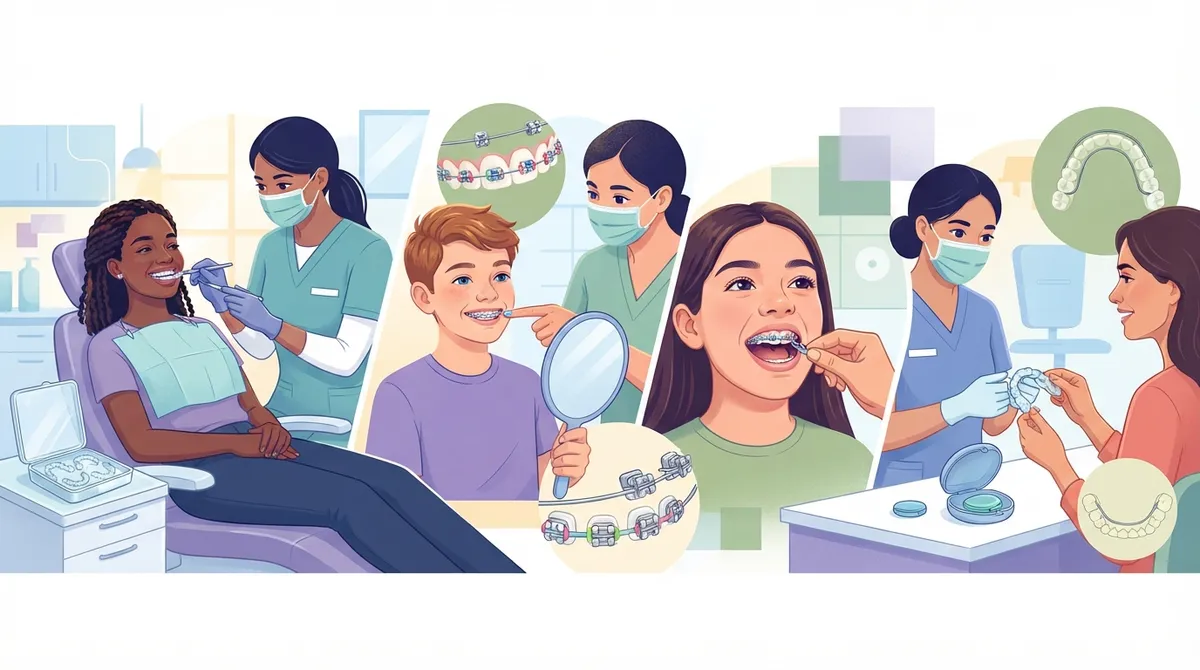
Common Treatment Options at an Orthodontics Clinic
There’s no single “best” treatment for everyone. The right choice depends on your bite, your goals, your lifestyle, and even your budget. Here are the main options you’ll find at most modern clinics.
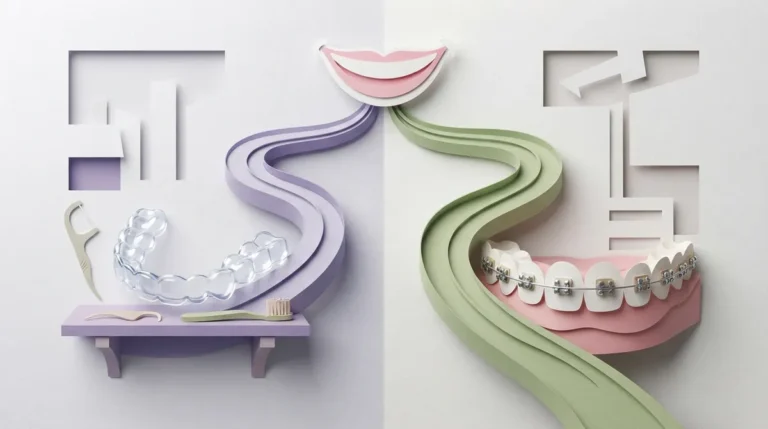
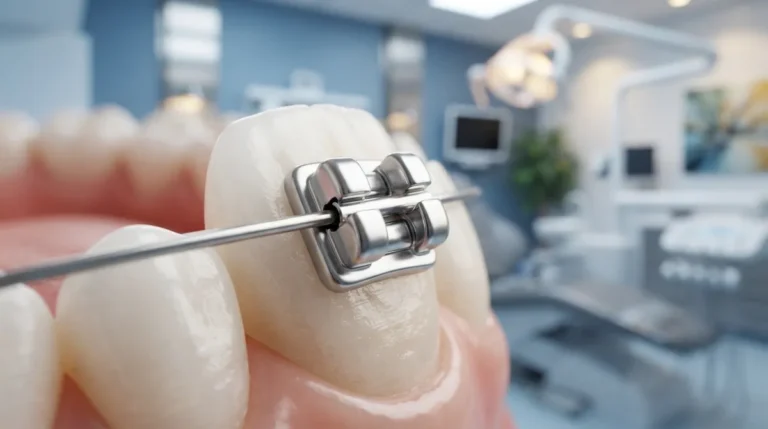
- Traditional metal braces: Reliable and effective for even the most complex cases. Learn more in our complete guide to braces.
- Clear braces: Less noticeable than metal but work similarly.
- Clear aligners: Removable trays that gradually shift teeth, popular with adults and teens who want a discreet option. See our clear aligners page for details.
- Palatal expanders: Widen the upper jaw in growing children to fix crossbites and crowding.
- Functional appliances: Help guide jaw growth in kids during key developmental windows.
- Retainers: Keep teeth in place after active treatment ends.
- Orthognathic surgery: Reserved for complex skeletal cases that braces alone can’t fix.
At Segovia Orthodontics, two standout options are WildSmiles Braces, which let kids pick fun bracket shapes like stars, hearts, or even Mickey Mouse, and LightForce Orthodontics, a fully digital, 3D-printed bracket system custom-made for each tooth. LightForce can reduce treatment time by up to 45% compared to traditional one-size-fits-all brackets.
Braces vs. Clear Aligners: A Quick Comparison
| Feature | Traditional Braces | Clear Aligners |
|---|---|---|
| Visibility | Noticeable, though clear options exist | Nearly invisible |
| Removable? | No, fixed to teeth | Yes, removable for eating |
| Best for | Complex bite issues | Mild to moderate cases, compliant patients |
| Compliance needed | Lower, since it’s fixed in place | Higher, must wear 20-22 hours a day |
| Diet restrictions | Yes, avoid sticky/hard foods | None while removed for meals |
Neither option is universally “better.” The right pick depends on your bite complexity, your daily habits, and how disciplined you are about wearing removable trays. For more on this decision, read our article on braces vs. clear aligners.
Who Actually Needs Orthodontic Treatment?
Orthodontic care isn’t just for teenagers with crooked front teeth. The numbers show a much wider range of patients today. According to the AAO’s 2025 Economics and Patient Census Study, roughly 6.66 million patients were in active treatment among surveyed members in 2024, with numbers expanding to about 8.45 million patients when including all practicing orthodontists. That’s the highest patient load per member since the survey began in 1987.
Here’s a quick breakdown of who typically walks through the doors of an orthodontics clinic:
- Children ages 7-10 for early evaluations and growth guidance
- Teens ages 11-17 needing braces or aligners during key growth years
- Adults in their 20s and 30s wanting discreet treatment before big life events
- Career professionals seeking efficient treatment that fits a demanding schedule
- Adults who had treatment years ago and are dealing with relapse
In fact, about one in three orthodontic patients today is an adult, per AAO data. And the number of adults in treatment grew from roughly 1.64 million in 2022 to about 1.91 million in 2024. If you fall into this group, our page on adult orthodontics covers what to expect.
When Should Kids Get Their First Orthodontic Checkup?
Early evaluations can catch problems before they get worse. Things like crossbites, crowding, or jaw growth issues are easier to manage early on. That said, not every child needs treatment right away. A qualified orthodontist should assess each case individually rather than assume every kid needs early intervention.
A 2025 survey of orthodontic practitioners found that 60.1% supported two-phase treatment for kids showing early warning signs like posterior crossbite, excessive overjet, or anterior open bite. Still, this was based on 228 responses, so it shouldn’t be taken as a rule for every provider. Our early orthodontic treatment page explains this in more detail, and our first orthodontic visit guide walks parents through what to expect.
How to Choose the Right Orthodontics Clinic
Not all clinics offer the same level of care. Here’s a simple checklist to help you evaluate your options.
- Verify the orthodontist is board-certified. You can check credentials through the American Board of Orthodontics.
- Ask about experience with your specific treatment need, whether that’s kids’ braces or adult clear aligners.
- Look for transparent, written pricing with no hidden fees.
- Check if they offer flexible appointment times for busy families or working professionals.
- Read patient reviews and testimonials to gauge real experiences.
- Ask what happens during emergencies, like a broken wire or lost aligner tray.
- Confirm they offer a clear retention plan after treatment ends.
Dr. Flor Segovia is a board-certified orthodontist who provides bilingual care in English and Spanish, which makes a real difference for many families in the Lakewood Ranch area. You can also learn more about her background on our meet Dr. Segovia page, or explore our why choose us page for a full look at what sets the practice apart.
Questions to Ask During Your First Visit
Your first consultation is the perfect time to get clear answers. Don’t be shy about asking questions like these:
- What treatment options do you recommend for my specific case?
- How long will treatment realistically take?
- What’s the total cost, and are there financing options?
- Will I need a retainer afterward, and for how long?
- What happens if I have a dental emergency outside office hours?
Our FAQ page answers many of these common questions in more detail, and our guide on asking the right orthodontic questions can help you prepare.
What About Cost and Financing?
Cost is often the biggest hesitation for families and adults alike. The good news is most clinics, including ours, offer flexible orthodontic financing plans to spread out payments over the course of treatment. Many practices, including AAO members, reported an average of 30 hours a week spent seeing patients with staff support of about nine full-time employees, showing just how much coordination goes into keeping treatment on schedule and affordable.
Ask your clinic about payment plans, insurance coverage, and whether they offer discounts for paying upfront. A transparent clinic will walk you through all the numbers before you commit to anything.
Caring for Your Smile During Treatment
Whether you choose braces or aligners, oral hygiene becomes extra important during treatment. Plaque can build up more easily around brackets and wires, so daily care matters more than ever.
- Brush after every meal, especially with braces
- Use interdental brushes or floss threaders for hard-to-reach spots
- Avoid sticky, hard, or chewy foods that can damage brackets
- Keep up with regular dental cleanings alongside orthodontic visits
- Clean removable aligners daily to prevent staining or odor
Interestingly, WildSmiles brackets are designed to make brushing easier to check. If the bracket shape stays visible while brushing, that’s a great sign you’re doing a thorough job. It’s a small but clever way to keep kids motivated about oral hygiene during treatment.
Retention: The Step People Forget
Treatment doesn’t end when your braces come off or your last aligner tray is done. Teeth naturally want to shift back over time, which is why retainers are so important. Whether you get a removable or fixed retainer, sticking to your clinic’s retention plan protects your investment for years to come.
If you’re an adult who had braces years ago and noticed your teeth shifting again, you’re not alone. Many adults come back for a second round of treatment simply because they skipped retainer wear after their first experience. It’s never too late to fix it.
Why Local Matters: Choosing a Clinic Near You
Convenience plays a bigger role than people expect. Orthodontic treatment involves regular visits, sometimes every 4-8 weeks, so picking a clinic close to home or work saves time and stress. Families in the Lakewood Ranch area often look for a practice that understands their community and offers flexible scheduling around school and work life.
You can see what real patients say by visiting our Lakewood Ranch orthodontics page, or check out Visit us on Google — Segovia Orthodontics to read reviews from local families. You can also follow along on our Facebook page or our Instagram page for smile transformations and office updates.
Ready to Take the Next Step?
Choosing the right orthodontics clinic is about finding a team that listens, explains your options honestly, and fits your life. Whether you’re a parent scheduling your child’s first evaluation, a professional wanting discreet aligners, or an adult ready to fix relapse from years ago, the right clinic makes all the difference.
If you’re in the Lakewood Ranch area, we’d love to meet you and your family. Feel free to contact us with any questions, request an appointment online, or simply call us at 941-557-1333 to get started. Your best smile is closer than you think.
FAQs
Q: What does an orthodontics clinic actually do?
A: An orthodontics clinic diagnoses and treats crooked teeth, bad bites, and jaw growth issues. They offer everything from consultations and digital scans to braces, clear aligners, and long-term retention plans. Think of it as your one-stop shop for a healthier, straighter smile.
Q: How much does treatment at an orthodontics clinic cost?
A: Costs vary widely depending on your treatment type, complexity, and location. Most clinics, including ours, offer flexible financing plans so you can spread payments out over time. We recommend asking for a written estimate during your first visit so there are no surprises.
Q: What’s the difference between an orthodontist and a general dentist?
A: A general dentist handles overall oral health, like cleanings and cavities. An orthodontist has extra specialized training focused only on tooth movement and jaw alignment. If you need braces or aligners, an orthodontist is the specialist trained specifically for that job.
Q: Are clear aligners or braces better for my teeth?
A: Honestly, it depends on your specific case. Braces work great for complex bite issues since they’re fixed in place, while aligners suit milder cases and people who want something discreet. Your orthodontist can help you figure out which option fits your smile and lifestyle best.
Q: Will I need to wear a retainer after treatment?
A: Yes, almost everyone needs a retainer after active treatment ends. Teeth naturally want to shift back over time, so wearing your retainer as instructed protects all the progress you’ve made. Skipping this step is one of the most common reasons people need treatment again later in life.
Our Service Area