Key Takeaways
-
Overbite is the vertical overlap of upper front teeth over lower ones, and it differs from overjet, which measures how far upper teeth stick out forward. Your orthodontist should measure both.
-
Choose a licensed dentist with an accredited orthodontic residency, not a general provider who only offers aligners. Board certification through the American Board of Orthodontics is a strong added credential.
-
Overbites are either dental (teeth positioned poorly) or skeletal (jaws misaligned), and this distinction determines whether braces, aligners, or jaw surgery is appropriate. Only an in-person exam can confirm which applies.
-
Braces and clear aligners can both work, but suitability depends on the tooth movements needed. Be cautious of remote or do-it-yourself aligner plans that skip a hands-on exam.
-
Retainers are essential because teeth can shift after treatment. One review found an overbite of 5.3 mm before treatment, 2.6 mm after, and 3.4 mm long-term, so wear retainers exactly as directed.
-
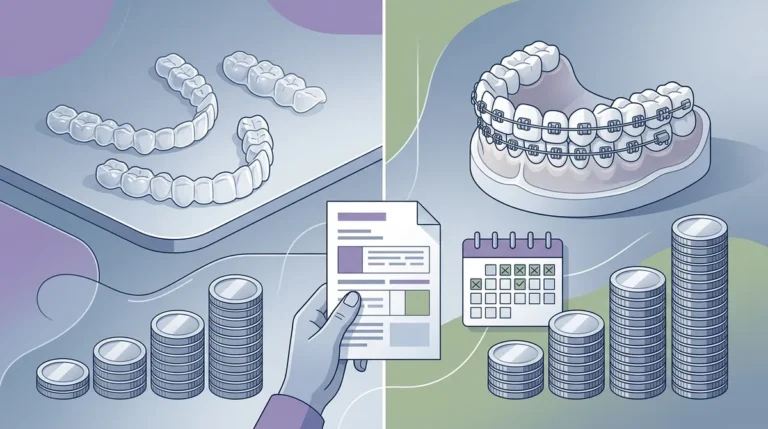
Ask for the total fee and what it covers, including follow-up visits and retainers, since a low upfront price may cost more later. Also confirm the timeline and how emergencies are handled.
If you have ever caught your reflection mid-smile and noticed your upper front teeth hanging low over your bottom ones, you are far from alone. A 2019 systematic review of global malocclusion traits estimated that deep overbite shows up in about 22% of people with permanent teeth. So if you are searching for someone to recommend an orthodontist for overbite correction, take a breath. You are asking the right question, and the answer is simpler than it feels.
Maybe you are a parent noticing your child’s bite. Maybe you are a busy professional who wants a discreet fix. Maybe you wore braces years ago and your bite has crept back. In every case, the person you pick matters a lot. The right orthodontist looks at your teeth, your bite, and your jaw together, then builds a plan that fits you, not a one-size-fits-all package.
This friendly guide walks you through what an overbite really is, which credentials to look for, the questions to ask, and how treatment options compare. Let’s get you ready for that first visit.
What Is an Overbite, Exactly?
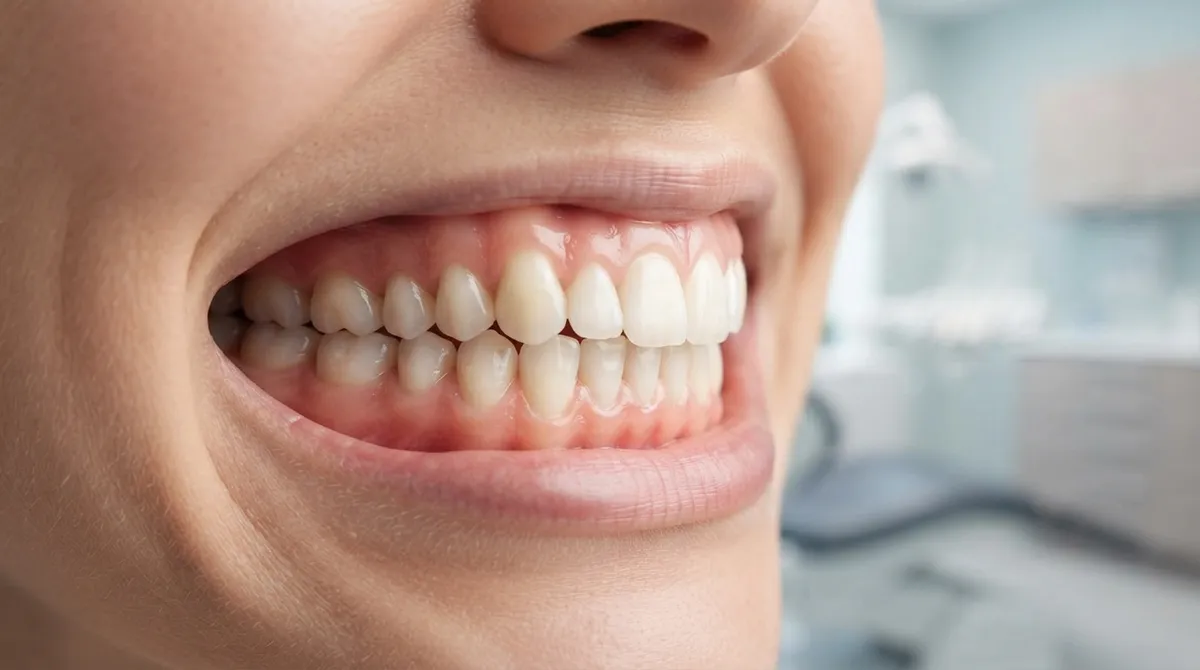
An overbite is the vertical overlap of your upper front teeth over your lower front teeth. A little overlap is normal and healthy. A deep bite means the overlap is excessive, so the lower teeth may bite far up behind the upper ones.
Here is a quick tip that clears up a common mix-up. An overbite is not the same as overjet. Overjet describes how far your upper teeth stick out forward. Overbite describes how much they cover downward. You can have one, the other, or both, and your orthodontist will measure each.
Definitions of what counts as a deep bite vary across studies and clinics. One review of the research found that prevalence estimates range from 8.4% to 51.5%, depending on the thresholds used. That is why a hands-on exam matters more than any chart you find online. If you want a broader look at bite problems, our page on common orthodontic problems is a helpful starting point.
Dental vs. Skeletal Overbites
Not all overbites start in the same place. Some are mostly dental, meaning the teeth themselves are positioned in a way that creates the deep overlap. Others are skeletal, meaning the upper and lower jaws do not line up well with each other.
This difference shapes your whole treatment plan. A mostly dental overbite often responds well to braces or aligners. A larger skeletal difference may need extra appliances, or in selected severe cases, orthodontics combined with jaw surgery. Only a proper exam can tell which one you have.

Why Should You Choose a Specialist Orthodontist?
Here is the big one. For overbite correction, look for a licensed dentist who is a specialist in orthodontics. That is not the same as a provider who simply offers aligners as one of many services.
Orthodontists finish dental school and then complete extra accredited residency training focused only on moving teeth and guiding jaws. The American Association of Orthodontists says its members complete at least two years of orthodontic residency, and its FAQ cites a minimum of 3,700 hours of that training. That is a lot of focused practice on exactly the kind of bite problem you are facing.
If you want to understand the difference between provider types, our guide on general dentist vs. orthodontist breaks it down in plain language.
Credentials Worth Checking
You do not need to be a detective, but a few quick checks go a long way. Here is what to look for:
- A dental license in good standing in your state.
- Completion of an accredited orthodontic residency, not just weekend courses.
- Board certification, which shows extra testing and review. You can learn more through the American Board of Orthodontics.
- Experience with your type of bite, whether that is a child’s growing jaw or an adult’s relapse case.
Dr. Flor Segovia is a board-certified orthodontist. You can read more about her background on our board certified orthodontist page.
What Should Happen at Your Consultation?
A good consultation is a real exam, not a sales pitch. A qualified orthodontist should look closely at your teeth, your bite, and the way your jaws relate to each other before recommending anything. That often includes photos, digital scans, and X-rays.
You should walk out understanding why your overbite exists, not just what fix is on offer. If you want to know what to expect step by step, read about what happens during an orthodontic evaluation and how to prepare for your first orthodontic visit.
Questions to Ask Your Orthodontist
Bring a list. Seriously, your future self will thank you. Here are the questions that matter most:
- What is causing my overbite, and is it dental, skeletal, or both?
- Which treatment options fit my case, and why?
- How long will treatment likely take?
- What are the risks and trade-offs of each option?
- What retainers will I need, and for how long?
- What is the total fee, and what does it include?
- How are emergencies and follow-up visits handled?
For even more ideas, see our tips on how to ask the right orthodontic questions at your visit.
What Are Your Overbite Treatment Options?
Good news: there is more than one road to a healthier bite. The best choice depends on whether your overbite is mainly dental or skeletal, how severe it is, your age and growth stage, and whether you have other alignment issues like crowding.
Overbite correction can involve moving the front teeth, changing the position of the back teeth, or coordinating both arches. Your orthodontist should explain the planned mechanics in plain words, and tell you how they will track your progress and protect your bite health along the way.
| Option | Best For | Things to Know |
|---|---|---|
| Traditional metal braces | Many overbite cases, including more complex ones | Very reliable and precise; visible on teeth |
| Clear braces | Patients wanting a less noticeable fixed option | Blend with teeth; still fixed in place |
| Clear aligners | Selected cases where the needed movements suit aligners | Removable and discreet; needs consistent wear |
| Elastics or other appliances | Cases needing bite or jaw relationship changes | Often used with braces or aligners |
| Orthodontics plus jaw surgery | Selected severe skeletal cases | Reserved for major jaw discrepancies; planned with a surgeon |
Braces or Clear Aligners: Which Is Better?
Here is the honest answer: it depends on your bite. Both braces and aligners can work in the right cases. Suitability comes down to the movements your teeth need to make and your orthodontist’s assessment. Do not assume any single appliance fits every deep bite, and be careful with remote or do-it-yourself aligner plans that skip an in-person exam.
If you are weighing your choices, these guides can help: braces vs. clear aligners and the overview of types of braces. You can also explore clear aligners and fixed options like LightForce braces.
Which Treatment Fits Which Type of Patient?
Different life stages bring different needs. Here is how the options often line up with the people we meet.
Children and Teens
Young patients are still growing, which can be a real advantage. In some cases, an orthodontist can guide jaw growth to help with the bite. Parents who want to know when to start can read about early orthodontic treatment and teen orthodontic treatment. Flexible appointment times also help busy school schedules.
Adults and Busy Professionals
Yes, adults can fix an overbite. Many adults want something discreet that fits a demanding career. Clear aligners and clear braces are popular for that reason, when your bite allows it. Our page on adult orthodontics shares what to expect.
Adults Whose Teeth Have Shifted
If you had braces years ago and your bite has crept back, you are in good company. Teeth can move after treatment, especially without steady retainer wear. A new exam can show whether a short round of retreatment makes sense.
Will My Overbite Come Back After Treatment?
This is a smart thing to ask. Retention is a real part of treatment, not an afterthought. Teeth can shift after active orthodontics, so your orthodontist should tell you which retainers to wear, how long to wear them, and what follow-up you need.
What does the research say? A 2012 systematic review of deep-bite stability reported average overbite measurements of 5.3 mm before treatment, 2.6 mm right after treatment, and 3.4 mm at long-term follow-up. So most of the correction held, though some relapse happened. The reviewers also noted the evidence quality was not high, so treat these numbers as a helpful guide, not a promise.
The takeaway is simple. Wear your retainers as directed. Learn more about orthodontic retainers and common retainer mistakes to avoid.
How Do You Compare Costs and Plans?
Price matters, but it should not be the only thing you weigh. A low fee that leaves out follow-up visits or retainers may cost more in the end. Ask for the total fee and exactly what it covers.
Many families find that flexible payment options make treatment much easier to start. If budgeting is on your mind, read about orthodontic financing and smart ways to make orthodontic financing work for you.
A Quick Checklist for Choosing Your Orthodontist
Keep this handy when you compare offices. A great fit usually checks most of these boxes:
- They are a true orthodontic specialist with extra residency training.
- They examine your teeth, bite, and jaw before recommending a plan.
- They explain the cause of your overbite in clear, simple words.
- They discuss more than one treatment option, with risks and trade-offs.
- They give a clear timeline, total fee, and retention plan.
- They explain how emergencies and follow-up care work.
- The office feels warm, comfortable, and easy to reach.
If you want a local, step-by-step approach, our guide on how to find the right orthodontist in Lakewood Ranch is worth a read. You can also check what other patients say by visiting our Segovia Orthodontics location on Google and following us on our Facebook page and our Instagram page.
Ready to Take the Next Step?
Finding the right person to recommend an orthodontist for overbite correction comes down to a few clear steps. Confirm the specialist training, get a real in-person exam, ask thoughtful questions, and pick a plan that fits your bite and your life. You deserve a team that explains things honestly and cheers you on.
At Segovia Orthodontics in Lakewood Ranch, Dr. Flor Segovia and our team care for patients of all ages with braces and clear aligners in a warm, supportive setting. Learn more about Dr. Flor Segovia and why families choose us.
Ready to see what is possible for your smile? Request an appointment today, or call us at 941-557-1333 and we will be happy to help.
FAQs
Q: How do I find a qualified orthodontist for overbite correction?
A: Start by confirming the provider is a licensed dentist who completed an accredited orthodontic residency, and look for board certification as a bonus. Then book an in-person exam so they can check your teeth, bite, and jaw before suggesting a plan. A good orthodontist will happily explain the cause of your overbite and your options.
Q: Are braces or clear aligners better for correcting a deep overbite?
A: Both can work in the right cases, so there is no single winner. The best pick depends on the tooth movements you need and your orthodontist’s assessment. Be cautious with remote or do-it-yourself aligner plans, since a deep bite often needs a hands-on exam first.
Q: Can an adult overbite be corrected without jaw surgery?
A: Often, yes. Many adult overbites that are mainly dental can be treated with braces, aligners, or helpful appliances. Jaw surgery is usually reserved for selected severe skeletal cases, and your orthodontist can tell you whether it applies to you.
Q: Will my overbite come back after treatment, and how long will I need retainers?
A: Teeth can shift after treatment, so retainers are an important part of keeping your results. Research suggests most of the correction holds over time, though some relapse can happen. Your orthodontist will tell you which retainers to wear and for how long, so follow that plan closely.
Q: How can I tell whether my overbite needs treatment?
A: Signs can include lower teeth biting into the gums behind your upper teeth, worn or chipped front teeth, or jaw discomfort. Only an exam can say for sure, since definitions of a deep bite vary. A consultation will show whether treatment is a good idea for you.
Our Service Area