Key Takeaways
-
Ceramic braces typically cost about $4,000 to $8,500 in the U.S. (one 2026 national average is $5,834), but your price depends on location, case complexity, and what the fee includes.
-
Always compare the complete treatment fee, not just bracket prices, and request a written, itemized estimate covering adjustments, emergency visits, records, and retainers.
-
Lower your out-of-pocket cost by combining office payment plans (often a $500 to $1,500 down payment over 12 to 24 months), pay-in-full or family discounts, and insurance benefits.
-
Use pre-tax HSA or FSA funds for eligible orthodontic expenses, but confirm your plan's rules before spending.
-
Call your dental insurer to verify ceramic-brace eligibility, in-network rules, lifetime maximums, and age limits before committing.
-
Protect your investment by avoiding hard, sticky, or crunchy foods, wearing a mouthguard for sports, and asking your orthodontist about caring for elastic ties to prevent staining.
Let’s be honest: most of us want a straighter smile without a big, shiny metal statement across our teeth. That’s where ceramic braces come in. They use tooth-colored or clear brackets, so they blend in much better than traditional metal ones. But here’s the catch many people worry about. Do affordable ceramic braces even exist?
The good news is that they can. Ceramic braces often cost a bit more than metal braces, but smart planning can bring the price down to a number that feels doable. Whether you’re a busy parent weighing options for your teen, a professional who wants a discreet look, or an adult heading back to treatment after years, this guide walks you through the process step by step.
You’ll learn what ceramic braces really cost in 2026, what the price should include, and how to stretch your dollars with payment plans, insurance, and pre-tax accounts. Let’s make this feel a lot less overwhelming, together.
What Are Ceramic Braces, and Are They Right for You?
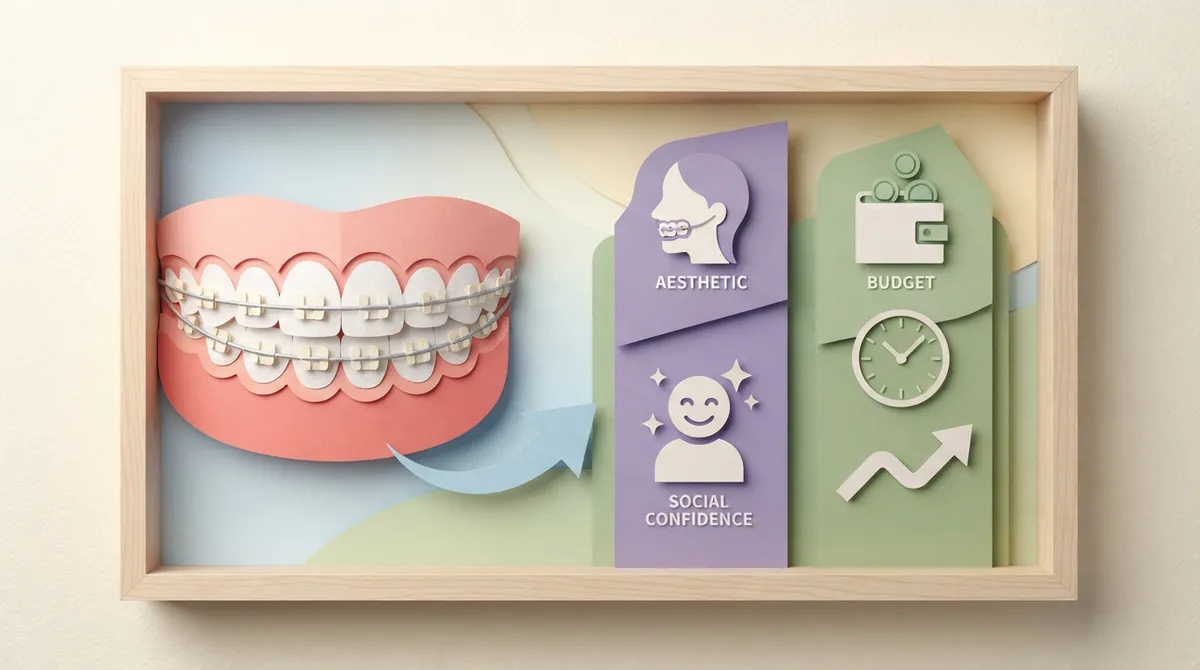
Ceramic braces work just like traditional braces. A wire and small brackets gently guide your teeth into place over time. The big difference is the bracket material. Instead of metal, they use tooth-colored or clear ceramic, which makes them far less noticeable when you smile.
They are a popular pick for teens heading into photo-filled school years, adults in client-facing jobs, and anyone planning a big event like a wedding or graduation. If you want to compare every style, the types of braces page is a great place to start.
Still, ceramic braces are not perfect for every bite problem. The American Association of Orthodontists suggests talking with your orthodontist about whether they fit your needs. Some adults even use a mix of ceramic and metal brackets. A good exam will tell you what works best for your smile.

How Much Do Ceramic Braces Cost in 2026?
Prices vary quite a bit, so think of any number you read online as a rough guide, not a promise. Recent U.S. pricing guides commonly place ceramic braces around $4,000 to $8,500. One 2026 national guide reports an average of $5,834, with a wide range of $4,480 to $11,312.
Your own price depends on where you live, how complex your case is, and what the quoted fee includes. That is why comparing the complete treatment fee matters much more than comparing bracket prices alone.
| Cost Detail | What It Means for You |
|---|---|
| Typical U.S. range (2026 estimates) | About $4,000 to $8,500 |
| One national average | $5,834 (range of $4,480 to $11,312) |
| Common down payment | About $500 to $1,500 |
| Common payment period | Often 12 to 24 months |
These are estimates, not standardized fees. For a closer look at local pricing, you can read about how much ceramic braces cost in 2026.
Are Ceramic Braces More Expensive Than Metal Braces?
Often, yes, but the gap is not always large. The difference depends on the provider, your location, your treatment plan, and what the fee covers. Some offices price them close together, while others charge a noticeable premium for the clear brackets.
That’s why one simple rule saves money: always compare the full treatment fee, not just the bracket type. A lower sticker price can hide extra charges later. If you’re curious about the other side of the comparison, this guide on metal braces vs ceramic breaks it down nicely.
What Affects the Price of Ceramic Braces?
Knowing what drives the cost helps you ask smarter questions. Several factors shape your final number:
- Case complexity: A mild gap costs less to fix than a serious bite problem.
- Treatment length: Longer treatment usually means more visits and a higher fee.
- Location: Prices differ from city to city and even between neighborhoods.
- Provider: Experience and training can influence the fee.
- What’s included: Records, adjustments, emergency visits, retainers, and follow-up care.
Most people wear braces for about 12 to 24 months, according to the AAO, though your time may be shorter or longer. Adjustment visits often happen every 4 to 12 weeks depending on your stage of treatment.
How to Find Affordable Ceramic Braces: Step by Step
Ready to put a plan together? Follow these steps to keep your costs predictable and your smile on track.
- Book a consultation first. A real exam tells you whether ceramic braces suit your bite. Many offices offer a free or low-cost first visit.
- Ask for a written, itemized estimate. It should cover the full course of care, not just the brackets.
- Confirm what is included. Ask about records, adjustment visits, emergency care, retainers, and follow-up appointments.
- Check your insurance benefits. Call your insurer to verify ceramic-brace eligibility, in-network rules, and your remaining orthodontic maximum.
- Explore payment options. Compare monthly plans, pay-in-full discounts, and family discounts.
- Use pre-tax dollars if you can. HSA or FSA funds may help cover eligible orthodontic costs.
- Compare at least two offices. Look at the total fee and the level of care, not only the headline price.
If your first visit is coming up, this guide on what to expect at your first orthodontist visit will help you feel prepared.
Smart Ways to Make Ceramic Braces More Affordable
Cost does not have to be a roadblock. Plenty of families and adults use a mix of the strategies below to keep monthly payments comfortable.
Office Payment Plans
Many orthodontic offices offer monthly plans, sometimes with low or no interest. A typical setup involves a down payment of roughly $500 to $1,500, followed by monthly payments over 12 to 24 months. Terms differ by practice, so confirm the down payment, schedule, fees, and financing terms before you agree. You can also explore orthodontic financing options to see what might fit your budget.
Dental Insurance
Dental insurance may contribute toward orthodontic care, but benefits vary widely. Many plans carry a separate lifetime maximum and may have age limits. Always verify the details directly with your insurer. This helpful read on how to use orthodontics insurance can guide your call.
HSA and FSA Accounts
If you have a health savings account or flexible spending account, you may be able to use those pre-tax funds for eligible orthodontic expenses. Rules depend on your plan, so check before you spend.
Pay-in-Full and Family Discounts
Some offices offer a discount if you pay the full fee upfront. Others reduce the price when multiple family members start treatment. It never hurts to ask what savings are available.
Medicaid for Children
Coverage for kids depends on state rules and medical-necessity criteria. Adult coverage is less common. If this applies to you, the article on Medicaid vs. private pay orthodontics is worth a look.
Which Option Fits Which Person?
Different people have different priorities. Here’s a quick way to match your situation with a smart approach:
| Who You Are | What to Focus On |
|---|---|
| Parent of a child or teen | Family discounts, insurance maximums, and flexible appointment times |
| Young professional | A discreet look plus a predictable monthly payment |
| Busy career-focused adult | Fewer, well-planned visits and clear treatment timelines |
| Event planner (wedding, graduation) | Realistic timing, since results depend on your bite and treatment length |
| Returning patient after relapse | Asking whether a shorter, targeted plan could work |
If you had braces years ago and your teeth have drifted, you’re far from alone. Many adults return to correct that shift, and adult orthodontics can be a smooth, supportive experience.
Caring for Ceramic Braces Without Extra Costs
Good habits protect both your smile and your wallet. Broken brackets and extra visits can add up, so a little daily care goes a long way.
- Brush carefully after meals and floss every day to keep brackets clean.
- Ask your orthodontist about care tips and the possible staining of elastic ties.
- Skip hard, sticky, or crunchy foods that can pop off a bracket.
- Wear a mouthguard for sports to protect your braces and mouth.
Staying on top of care helps you avoid surprise repairs. If a bracket does come loose, knowing the common emergency situations with braces helps you stay calm and act fast.
Questions to Ask Before You Commit
A short list of smart questions can save you from hidden costs. Bring these to your consultation:
- What is the total fee, and what does it include?
- Are retainers included, or do they cost extra?
- What happens if a bracket breaks or I need an emergency visit?
- Is there a discount for paying in full or treating more than one family member?
- Can you help me verify my insurance and HSA or FSA eligibility?
Asking these upfront keeps surprises to a minimum. For more ideas, read how to ask the right orthodontic questions at your visit.
Choosing an Orthodontist You Can Trust
The lowest price is not always the best deal. A skilled specialist can help you reach your goals efficiently, which protects your investment. Look for a board-certified provider, and you can confirm credentials through the American Board of Orthodontics.
At Segovia Orthodontics, Dr. Flor Segovia is a board-certified orthodontist who offers bilingual care in English and Spanish in a warm, family-focused setting. The team also keeps flexible options in mind, so cost conversations feel open and pressure-free. You can learn more about Dr. Segovia and see why families love the practice.
Want a peek at the community feel? Follow along on our Instagram page and our Facebook page, or visit us on Google — Segovia Orthodontics to see what Lakewood Ranch patients are saying.
Your Next Step Toward a Confident Smile
Affordable ceramic braces are very possible when you plan ahead. Start with a proper exam, get a written estimate that covers the full course of care, and then use every tool available, from payment plans to insurance to HSA or FSA funds. A little prep today can mean far less stress later.
Ready to see what your own plan could look like? Request an appointment with our team, or simply call us at 941-557-1333. We’d love to help you find a smile solution that fits both your goals and your budget.
FAQs
Q: How much do ceramic braces cost, and what is included in the total fee?
A: Recent U.S. guides commonly place ceramic braces around $4,000 to $8,500, though your price depends on your location and case. Ask for an itemized written estimate so you know whether records, adjustments, emergency visits, and retainers are included. A clear estimate helps you avoid surprises.
Q: Are ceramic braces more expensive than metal braces?
A: They often cost a bit more, but the gap depends on the provider, your plan, and what the fee covers. The best move is to compare complete treatment fees instead of bracket prices alone. That way you see the real total.
Q: Can I use an HSA or FSA to pay for ceramic braces?
A: Yes, you may be able to use HSA or FSA funds for eligible orthodontic expenses, depending on your account and plan rules. Check with your plan administrator first so you know exactly what qualifies. It can be a really helpful way to save with pre-tax dollars.
Q: Does dental insurance cover ceramic braces?
A: Dental insurance may contribute toward orthodontic care, but benefits vary from plan to plan. Many plans have a separate lifetime maximum and age limits, so call your insurer to verify ceramic-brace eligibility and in-network rules. Our team is happy to help you sort through the details.
Q: How long do ceramic braces take, and do they stain?
A: Most people wear braces for about 12 to 24 months, though treatment time depends on your bite and needs. The ceramic brackets themselves resist staining well, but elastic ties can discolor, so ask your orthodontist for simple care tips and cleaning advice.
Our Service Area