Key Takeaways
-
Clear braces use tooth-colored or see-through ceramic brackets bonded to your teeth, working like metal braces but blending in much better in everyday conversation.
-
Clear braces are less noticeable but not invisible: the archwire and elastic ties may still show up close, and the ties can discolor over time.
-
Unlike clear aligners, clear braces are fixed to your teeth, so there are no removable trays to lose, and they can treat many alignment and bite issues.
-
Typical treatment with clear braces lasts about 12 to 36 months, though your timeline depends on case complexity and how well you follow your care plan.
-
Clear braces often cost more than metal braces, but flexible financing and insurance benefits can help make them manageable; a consultation gives the most accurate estimate.
-
Avoid hard, sticky, or chewy foods, limit dark drinks like coffee and soda, brush after meals, and floss daily to protect brackets and keep ties looking fresh.
If you have ever looked at a mouth full of metal and thought, “There has to be a more discreet way to do this,” you are not alone. Many parents, busy professionals, and teens ask the same thing. So, what are clear braces, and could they be the right fit for you or your family?
Here is the short version. Clear braces are fixed braces that use tooth-colored or see-through brackets instead of shiny metal ones. They work in much the same way as metal braces, but they blend in better with your natural teeth. That makes them a popular pick for people who want a straighter smile without drawing attention to their treatment.
In this friendly guide, we will walk through how clear braces work, what they are made of, who they suit, and what to expect in 2026. We will also clear up a few common mix-ups, like the difference between clear braces and clear aligners. Let’s dive in!
What Are Clear Braces, Exactly?
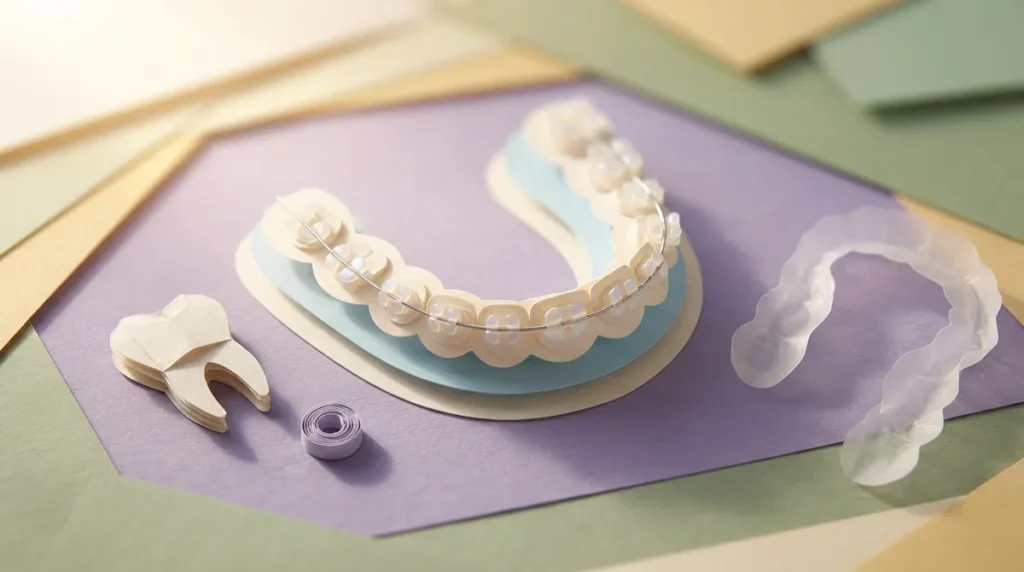
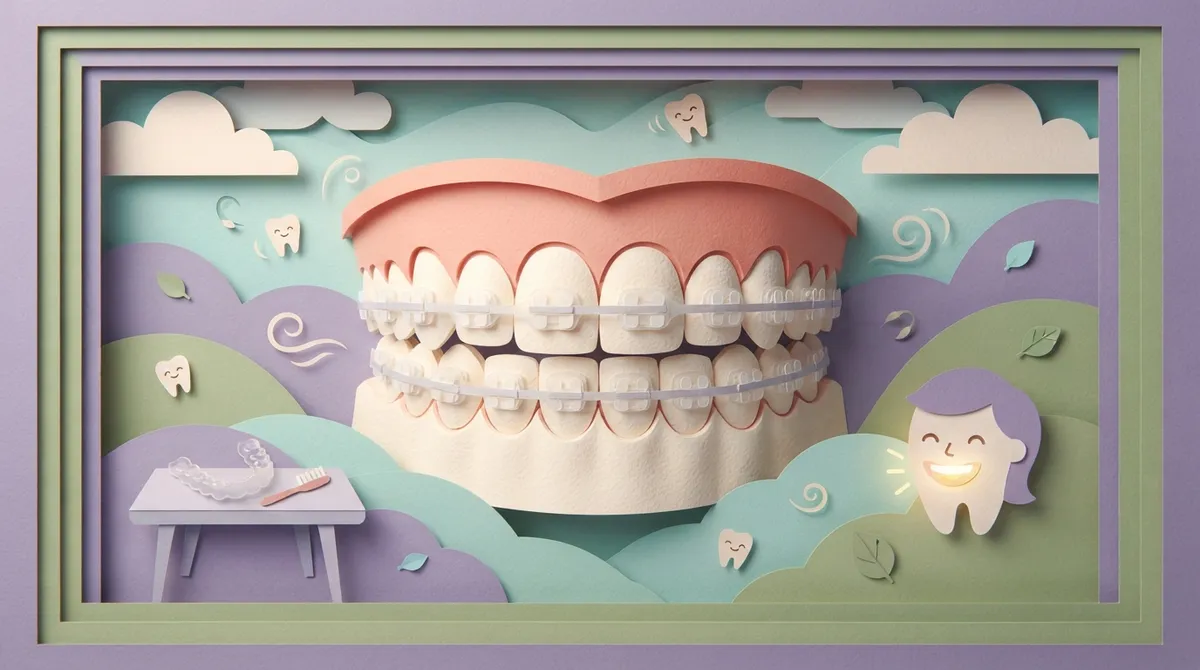
Clear braces are fixed orthodontic appliances. Small brackets, usually made of ceramic or a similar tooth-colored material, are bonded to the front of your teeth. A thin archwire connects the brackets and gently guides your teeth into place over time.
Because the brackets are clear or tooth-colored, they are less noticeable than traditional metal braces. Many people call them ceramic braces, and the two terms are often used for the same thing. You can learn more about the options we offer on our types of braces page.
Clear braces are not invisible
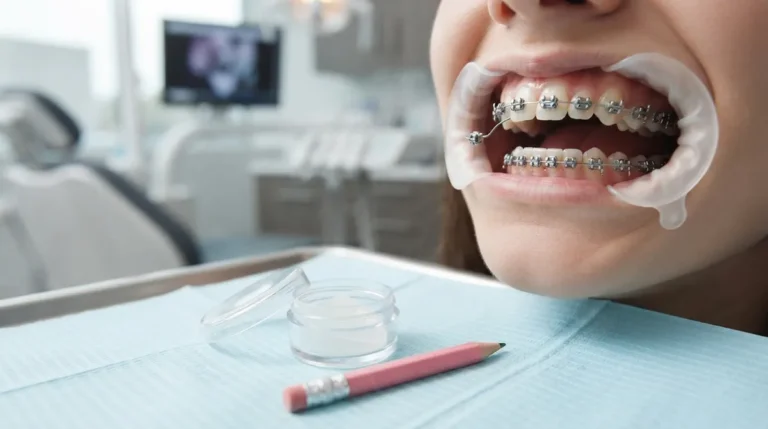
Let’s be honest here. Clear braces are less noticeable, but they are not invisible. The archwire may be metal or tooth-colored. The small elastic ties that hold the wire in place may also show a bit. Up close, people can still see them.
That said, from a normal talking distance, clear braces blend in far better than metal ones. For many patients, that is more than enough.
What Are Clear Braces Made Of?
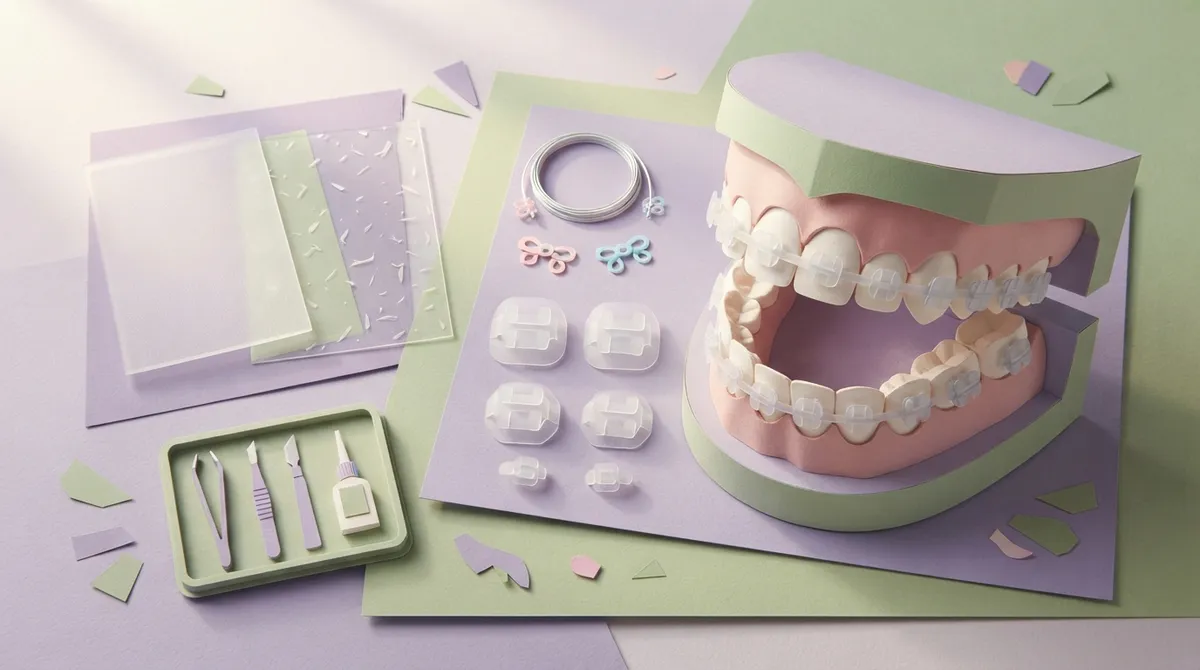
Clear braces have a few simple parts. Each one plays a role in moving your teeth safely and steadily.
- Brackets: Usually ceramic or porcelain, these are bonded to the front of each tooth.
- Archwire: A thin wire that runs through the brackets. It may be metal or tooth-colored.
- Ties or bands: Small elastics that hold the wire in the bracket. They can be clear or colored.
- Other parts: Depending on your plan, your orthodontist may add rubber bands or other small tools.
Together, these parts apply light, steady pressure. Over many months, that pressure slowly shifts your teeth into a better position.
How Do Clear Braces Work?
Clear braces use the same basic bracket-and-wire system as metal braces. Your orthodontist bonds the brackets to your teeth, places the archwire, and then adjusts the wire at regular visits. Each adjustment keeps your teeth moving in the right direction.
- Consultation: Your orthodontist checks your teeth, bite, and goals.
- Planning: A custom treatment plan is created just for you.
- Placement: Brackets are bonded to your teeth and the wire is added.
- Adjustments: You return for regular visits so the wire and ties can be updated.
- Finishing: The braces come off, and you move on to a retainer.
Want to know what a first visit feels like? Our guide to your first orthodontic visit walks you through it step by step.
Clear Braces vs. Clear Aligners: What’s the Difference?
This is one of the most common mix-ups, so let’s sort it out. Clear braces and clear aligners both aim for a straighter smile, but they are very different tools.
| Feature | Clear Braces | Clear Aligners |
|---|---|---|
| How they stay on | Bonded to your teeth | Removable trays |
| Main parts | Ceramic brackets and wire | Custom plastic trays |
| Who controls wear | Your orthodontist | You (about 22 hours a day) |
| Eating | Some food limits apply | Remove trays to eat |
| Best for | Many alignment and bite cases | Mild to moderate cases |
Clear braces stay on your teeth around the clock, so there is no tray to forget or lose. Clear aligners come out for meals and cleaning. If you are weighing the two, our braces vs. clear aligners comparison can help you decide. You can also read more about our clear aligners.
What Can Clear Braces Treat?
Clear braces can address many of the same concerns as metal braces. An orthodontist needs to look at your teeth to know for sure, but common issues include:
- Crowded teeth
- Gaps and spacing
- Crooked or twisted teeth
- Some overbites and underbites
- Certain bite problems like crossbites
Because the wire and bracket system gives your orthodontist a lot of control, clear braces can handle many cases that are tricky for removable trays. Curious about common problems? Visit our page on common orthodontic problems to see what we treat.
Pros and Cons of Clear Braces
Like any treatment, clear braces come with trade-offs. Here is a quick, honest look.
| Pros | Cons |
|---|---|
| Less noticeable than metal braces | Not completely invisible |
| Fixed in place, so no trays to track | Ceramic brackets can be more fragile |
| Can treat many alignment and bite issues | Elastic ties may discolor over time |
| Brackets resist staining | Often cost more than metal braces |
A note on staining
The brackets themselves generally resist staining. The clear or tooth-colored elastic ties are the part that can pick up color. Good brushing, flossing, and following your orthodontist’s advice on food and drinks will help keep things looking fresh.
How Long Do Clear Braces Take?
Most people wear clear braces for about 12 to 36 months, according to Cleveland Clinic. Your own timeline depends on how complex your case is, how your teeth respond, and how well you follow your care plan.
Some patients finish sooner, and others need a bit longer. That is why a personal exam matters. Your orthodontist can give you a realistic estimate after looking at your smile.
How Much Do Clear Braces Cost?
Clear braces often cost more than traditional metal braces. The price depends on your case, your treatment plan, and your provider. There is no one number that fits everyone, which is why a consultation is the best way to get a real estimate.
The good news is that you do not have to pay it all at once. Many families use flexible plans and insurance benefits. Take a look at our orthodontic financing options, or read how clear braces pricing works in 2026.
Who Are Clear Braces Best For?
Clear braces can work for many ages and lifestyles. Here is how they tend to fit different groups.
Busy parents and their kids
If you are a parent juggling school, sports, and carpools, you want a plan that is simple. Clear braces stay on, so there are no trays for your child to misplace. For younger kids, you may also want to explore early orthodontic treatment.
Teens who want a lower-profile look
Teens often care a lot about how braces look in photos and in the hallway. Clear braces can help them feel more at ease. Our teen orthodontic treatment page has more on how we support this age group.
Working adults and big-event planners
If you are in a client-facing job, or you have a wedding or graduation on the calendar, a more discreet option can be a real confidence boost. Many adults choose clear braces because they want results without a metal-heavy look. Learn more about adult orthodontics here.
Adults dealing with relapse
Did you wear braces years ago, only to see your teeth drift? You are far from alone. Many adults return for a second round of treatment, and they tend to be wonderfully committed patients. Clear braces can be a smart, low-key way to get back on track.
Tips for Caring for Clear Braces
A little daily care goes a long way. These habits help protect your teeth and keep your braces looking their best.
- Brush after every meal and before bed.
- Floss daily, using a floss threader or a water flosser.
- Skip hard, sticky, or chewy foods that can break brackets.
- Limit dark drinks like coffee, tea, and soda that may stain ties.
- Wear a mouthguard for sports.
- Keep up with all of your orthodontic visits.
Not sure what to avoid? Our list of foods to avoid with braces is a handy reference. And if a bracket pops loose or a wire pokes you, check our page on orthodontic emergencies for quick guidance.
Why Choose Segovia Orthodontics for Clear Braces?
At Segovia Orthodontics in Lakewood Ranch, we believe braces should feel comfortable, not stressful. Dr. Flor Segovia is a board-certified orthodontist, and you can learn more about her on our Dr. Flor Segovia page. You can also check her credentials through the American Board of Orthodontics.
We use advanced orthodontic technology and offer care for kids, teens, and adults, with support in both English and Spanish. Whether you choose clear braces, metal braces, or aligners, we build a plan around your goals. See why families pick us on our why choose us page.
Want a peek at our community and smile stories? Follow us on our Facebook page and our Instagram page. You can also visit our Segovia Orthodontics location on Google to see what patients say.
Ready to Learn if Clear Braces Are Right for You?
So, what are clear braces? They are a more discreet take on classic braces, built with tooth-colored brackets and a wire that gently moves your teeth into place. They are not invisible, and they may cost a little more, but they give many people a great balance of looks and results.
The best way to know if they suit you is to talk with an orthodontist. We would love to meet you and answer your questions in a relaxed, friendly setting. You can request an appointment online, contact us with questions, or call us at 941-557-1333. Your best smile is closer than you think!
FAQs
Q: What are clear braces made of?
A: Clear braces usually have ceramic or porcelain brackets that are bonded to the front of your teeth. A thin archwire links the brackets, and small elastic ties hold the wire in place. The wire can be metal or tooth-colored, depending on your plan.
Q: Are clear braces the same as clear aligners?
A: Nope, they are two different treatments! Clear braces are fixed to your teeth with brackets and a wire, while clear aligners are removable plastic trays. Your orthodontist can help you pick the one that fits your smile and your lifestyle.
Q: Do clear braces stain or turn yellow?
A: The brackets themselves generally resist staining, but the clear or tooth-colored elastic ties can discolor over time. Brushing well, flossing daily, and cutting back on dark drinks like coffee and soda will help keep your braces looking fresh.
Q: How long does treatment with clear braces take?
A: Treatment often lasts about 12 to 36 months, based on Cleveland Clinic. Your own timeline depends on your needs and how your teeth respond, so your orthodontist can give you a more personal estimate after an exam.
Q: Are clear braces more expensive than metal braces?
A: Clear braces often cost more than metal braces, though the final price depends on your case, your plan, and your provider. A consultation is the best way to get a real estimate, and flexible financing can make the cost easier to manage.
Our Service Area