Key Takeaways
-
Start orthodontic evaluation early around age 7, as early detection can catch developing bite problems before they worsen, even if treatment doesn't begin immediately.
-
Modern treatment options like LightForce Braces can shorten treatment time by up to 45% compared to traditional methods, while clear aligners offer discretion for busy professionals and teens.
-
Consistent retainer wear after treatment is essential—teeth naturally shift back over time, so many patients must wear retainers nightly for years or indefinitely to protect results.
-
Maintain strict oral hygiene during treatment by brushing after every meal, using floss threaders around brackets, and avoiding sugary snacks to prevent cavities and enamel damage.
-
Orthodontics care fixes functional problems beyond aesthetics—straightening teeth improves chewing efficiency, reduces wear on teeth, and makes brushing and flossing easier.
-
Flexible financing options and multiple treatment paths (braces, aligners, LightForce) make orthodontic care accessible for different budgets and lifestyles, with treatment available for kids, teens, and adults.
Let’s be honest—thinking about orthodontics care can feel a little overwhelming at first. Maybe you’re a mom noticing your seven-year-old’s crowded front teeth, or a busy professional wondering if clear aligners could quietly fix that gap you’ve never loved. Wherever you’re starting from, you’re not alone, and you’re in the right place. Orthodontics care is simply the branch of dental health focused on straightening teeth, fixing bite problems, and helping your smile work (and look) its very best.
At Segovia Orthodontics in Lakewood Ranch, we see families, teens, and adults every single day who are curious, a little nervous, and hopeful about what treatment can do for them. This guide walks you through what orthodontics care actually includes, the treatment options available today, and how to keep your smile healthy for years to come. Grab a cup of coffee, and let’s get into it together.
What Does Orthodontics Care Actually Include?
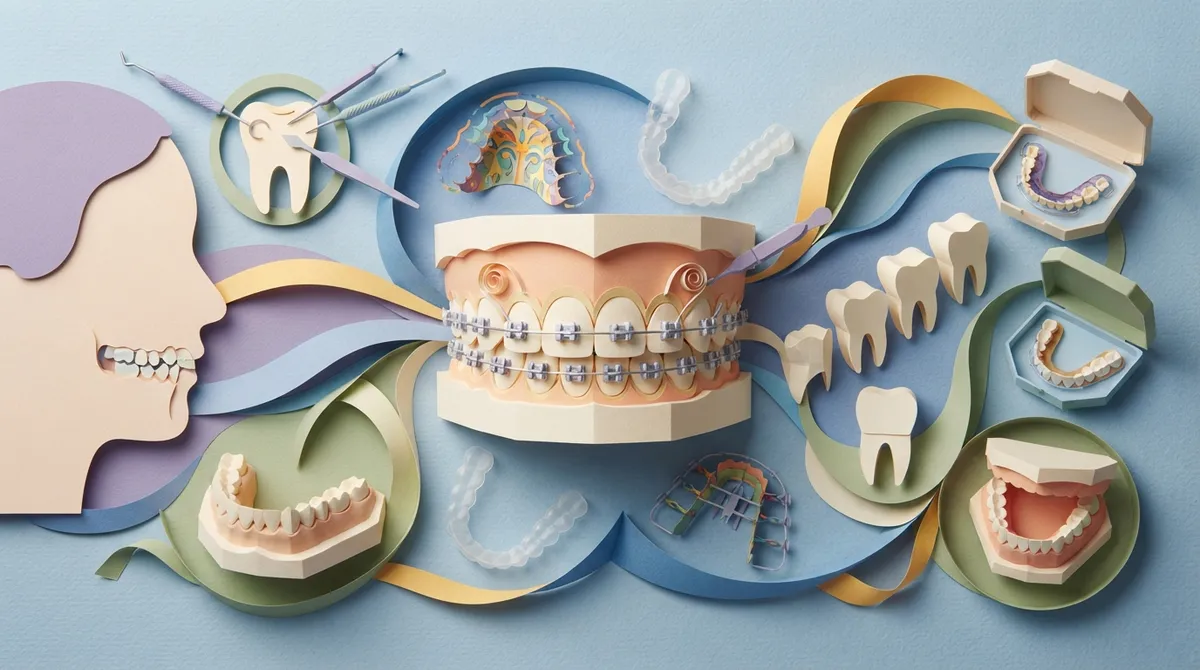
Orthodontics care covers much more than just “getting braces.” It’s a full process that starts with diagnosis and continues through years of retention afterward. Here’s what’s typically involved:
- Evaluating how your teeth fit together and how your jaw lines up
- Diagnosing issues like crowding, spacing, overbites, underbites, crossbites, and open bites
- Creating a personalized treatment plan using photos, digital scans, and X-rays
- Choosing the right appliance, whether that’s braces, aligners, or something else
- Monitoring progress with regular checkups
- Providing retainers to protect your results once treatment ends
This isn’t a one-size-fits-all process. Every mouth is different, which is why a real orthodontic exam matters so much before starting anything. You can learn more about what happens during this step in our orthodontic evaluation guide.
Common Problems Orthodontics Care Can Fix
You might be surprised how many everyday smile issues fall under orthodontics care. Some of the most common include:
- Crowded teeth that overlap or twist due to lack of space
- Gaps or spacing between teeth
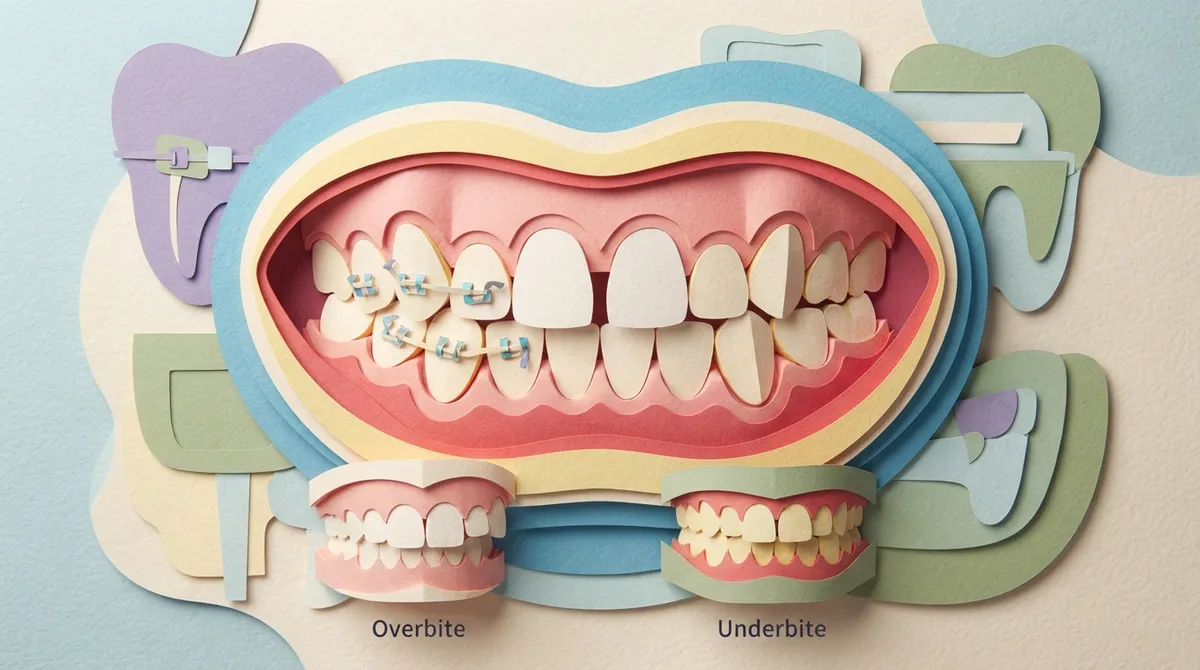
- Overbites, where upper teeth extend too far over lower teeth
- Underbites, where the lower jaw sits in front of the upper jaw
- Crossbites, where upper and lower teeth don’t align properly when biting down
- Open bites, where front teeth don’t touch when the mouth is closed
Left untreated, these issues can make chewing harder, increase wear on certain teeth, and even make brushing and flossing more difficult. That’s part of why orthodontics care isn’t just cosmetic—it supports your overall dental function too. For a deeper look at specific concerns, check out our page on common orthodontic problems.
Treatment Options Available Today
Gone are the days when metal brackets were the only choice. Modern orthodontics care offers several paths, each with its own perks depending on your lifestyle, age, and goals.
Traditional and Ceramic Braces
Metal braces remain a reliable, affordable workhorse for complex cases. Ceramic braces offer a similar function with a more tooth-colored, less noticeable look. Both use brackets, wires, and sometimes elastics to gradually shift teeth into place. If you’re curious how these stack up against other options, our types of braces page breaks it all down.
WildSmiles Braces for Kids and Teens
Here’s something fun: WildSmiles Braces let kids choose bracket shapes like stars, hearts, footballs, and even Mickey Mouse designs. When treatment feels exciting instead of scary, kids brush more consistently and stay motivated. The unique shapes also make it easier to spot leftover plaque, so brushing checks become a quick, visual game rather than a chore.
LightForce Braces
LightForce Orthodontics uses fully digital, 3D-printed brackets custom-designed for each tooth. This precision can shorten treatment time by up to 45% compared to traditional methods, while also improving comfort since every bracket is made specifically for your smile. Dr. Flor Segovia can even make real-time digital adjustments to your plan as treatment progresses.
Clear Aligners and Angel Aligners
Clear aligners are removable, nearly invisible trays that gradually move teeth. They’re a favorite among busy professionals and image-conscious teens preparing for graduation photos. Angel Aligners, in particular, use a smart “7+3” wear schedule and AI-driven planning to speed things up while often costing less than premium alternatives. Explore our clear aligners page for more details.
| Treatment Option | Best For | Visibility | Typical Advantage |
|---|---|---|---|
| Metal Braces | Complex bite issues, kids and teens | Visible | Durable, budget-friendly |
| WildSmiles Braces | Kids who want a fun experience | Visible, customizable | Encourages better brushing habits |
| LightForce Braces | Patients wanting precision and speed | Subtle, clear/white brackets | Up to 45% faster treatment |
| Clear Aligners | Adults and teens wanting discretion | Nearly invisible | Removable for eating and brushing |
| Angel Aligners | Budget-conscious patients wanting speed | Nearly invisible, frosted finish | AI planning, often lower cost |
Who Needs Orthodontics Care? It’s Not Just for Kids
One of the biggest myths out there is that orthodontics care is only for children. In reality, treatment works for almost any age, though the approach differs.
- Kids (ages 7+): An early evaluation can catch developing bite problems before they worsen, even if treatment doesn’t start right away. See our early orthodontic treatment resources for guidance.
- Teens: This is the classic age for braces or aligners, often timed around growth spurts. Our teen orthodontic treatment options are designed around busy school and activity schedules.
- Adults: Whether you missed treatment as a kid or your teeth have shifted since then, it’s never too late. Learn more on our adult orthodontics page.
- Adult relapse patients: If you wore braces years ago and skipped your retainer, don’t worry—many adults return to fix relapse and finish the job right this time.
According to industry estimates, millions of people across the U.S. and Canada are currently in active orthodontic treatment, and a meaningful share of them are adults. You’re in good company no matter when you decide to start.
Caring for Your Smile During Treatment
Good oral hygiene becomes even more important once you have braces or aligners. Food particles and plaque love to hide around brackets and wires, so a little extra effort goes a long way.
- Brush after every meal using fluoride toothpaste and a soft-bristled brush
- Clean between teeth and around brackets with floss threaders or interdental brushes
- Limit sugary snacks and acidic drinks that increase cavity risk
- Avoid hard, sticky, or chewy foods that can damage appliances
- Keep up with regular dental checkups alongside your orthodontic visits
Skipping these steps can lead to white spots on enamel, gum inflammation, or even cavities forming under brackets. If you want a full rundown of foods to avoid, our foods to avoid with braces article is a helpful read before you start treatment.
Life After Treatment: Why Retainers Matter So Much
Here’s something patients sometimes forget: finishing active treatment isn’t the finish line. Teeth naturally want to shift back over time, which is why retainers are non-negotiable.
The American Association of Orthodontists recommends cleaning removable retainers regularly, storing them in a protective case, and avoiding hot water that can warp the plastic. Fixed retainers need careful brushing and flossing around the bonded wire, and you should contact your orthodontist right away if the wire feels loose. Wear schedules are individualized, but many patients wear retainers nightly for years, sometimes indefinitely, to protect their results. Our orthodontic retainers page covers types and care instructions in detail.
Quick Retainer Care Checklist
- Rinse your retainer every time you take it out
- Brush it gently with a soft toothbrush (skip the toothpaste, it can scratch)
- Store it in its case whenever it’s not in your mouth
- Never leave it near hot water, a hot car, or direct sunlight
- Call your orthodontist immediately if it cracks, loosens, or stops fitting
- A friendly consultation where you discuss concerns and goals
- Digital scans, photos, or X-rays to assess your teeth and jaw
- A conversation about which treatment options fit your needs and budget
- A clear timeline and cost estimate before you commit to anything
- Answers to every question you have, no matter how small
- Board certification, which reflects advanced training beyond dental school
- Use of modern technology like digital scanning and 3D-printed appliances
- A welcoming, family-friendly office atmosphere
- Flexible financing options that fit your budget
- Bilingual staff if that makes communication easier for your family
What to Expect From Your First Visit
Walking into an orthodontic office for the first time doesn’t have to be intimidating. Here’s a simple breakdown of what usually happens:
If you’d like a preview before you go, our first orthodontic visit guide walks through exactly what to bring and expect. And if you’re still weighing your options, our page on all about braces is a great starting point too.
Why Choosing the Right Orthodontist Matters
Not every provider offers the same level of technology, comfort, or personal attention. Here’s what to look for:
Dr. Flor Segovia is a board certified orthodontist who is verified by the American Board of Orthodontics, and she provides care in both English and Spanish. Her practice uses advanced orthodontic technology to make treatment more precise and comfortable for patients of every age. You can read more about her background on our meet Dr. Segovia page.
Planning Your Smile Around Life’s Big Moments
Graduations, weddings, job interviews—these milestones often inspire people to finally invest in their smile. If you’re on a deadline, clear aligners or accelerated options like LightForce Braces can help you reach your goal faster without sacrificing quality. It’s smart to start the conversation early since treatment timelines vary based on your starting point and how consistently you follow instructions.
Flexible Financing Makes Treatment Accessible
Cost is often the biggest hesitation for families and adults considering orthodontics care. The good news is that most practices, including ours, offer flexible payment plans so you don’t have to pay everything upfront. Visit our orthodontic financing page to see what options might work for your family’s budget.
We also love connecting with our community outside the office. Feel free to follow along on our Facebook page or check out real patient transformations on our Instagram page. And if you want to hear directly from families we’ve worked with, take a moment to visit us on Google — Segovia Orthodontics and read their stories.
Final Thoughts: Your Smile Journey Starts Here
Orthodontics care is really about more than straight teeth—it’s about confidence, comfort, and long-term oral health. Whether you’re bringing in your seven-year-old for a first check, exploring discreet aligners before a big event, or finally addressing relapse from years ago, there’s a path forward that fits your life. Our team at Segovia Orthodontics in Lakewood Ranch is here to make that path as smooth and welcoming as possible. Ready to take the next step? Request an appointment today, or feel free to call us at 941-557-1333 if you have questions before booking. We can’t wait to help you smile with confidence.
FAQs
Q: What does orthodontics care include?
A: It covers everything from your first exam and diagnosis to choosing braces or aligners, tracking progress, and wearing a retainer afterward. Think of it as a full journey, not just a single treatment. Every step is designed to give you a healthier, straighter smile that lasts.
Q: At what age should a child see an orthodontist?
A: Most orthodontists, including our team, recommend an early evaluation around age 7. Your child’s jaw is still developing at this point, so we can spot potential issues early even if treatment isn’t needed right away. It’s a low-pressure visit that just gives everyone peace of mind.
Q: How do braces and clear aligners differ?
A: Braces use brackets and wires that stay on your teeth the whole time, while clear aligners are removable trays you swap out every so often. Braces tend to handle more complex cases, while aligners offer more discretion and flexibility for simpler movements. Your orthodontist can help you figure out which one fits your smile and lifestyle best.
Q: How long do I need to wear a retainer after treatment?
A: Honestly, it varies from person to person, but many patients wear retainers nightly for years, sometimes indefinitely. Teeth naturally want to drift back to their old positions, so skipping your retainer risks undoing all that hard work. Your orthodontist will give you a personalized schedule to follow.
Q: Does orthodontic treatment actually improve oral health, or is it just cosmetic?
A: It’s absolutely both! Straighter teeth are easier to clean, which can lower your risk of cavities and gum problems down the road. Fixing bite issues also helps distribute chewing forces more evenly, protecting your teeth from unnecessary wear over time.
Our Service Area