Key Takeaways
-
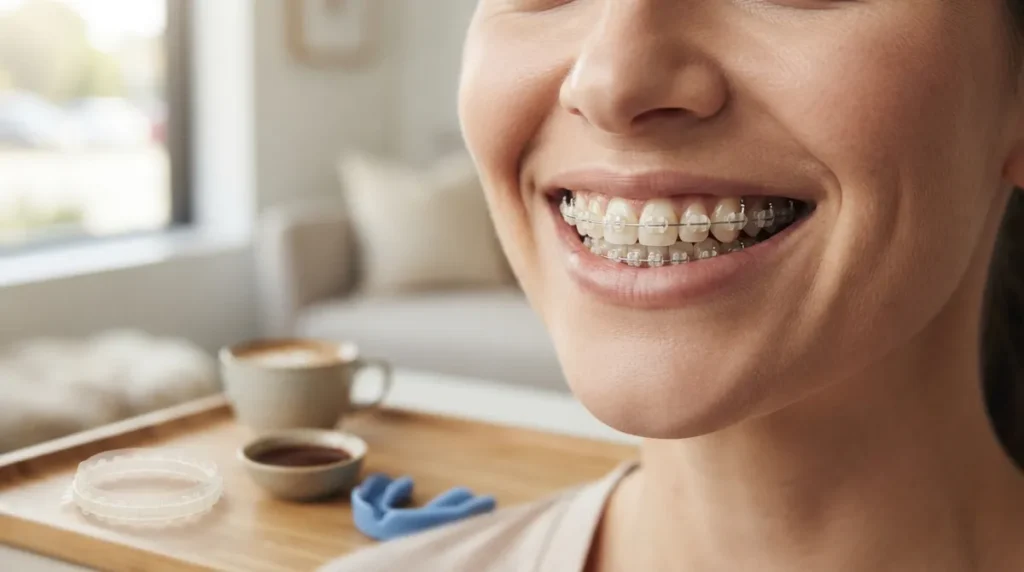
Traditional ceramic braces use tooth-colored or clear brackets bonded to teeth with a wire, offering a less noticeable look while using the same basic mechanics as metal braces.
-
Ceramic brackets are more brittle than metal and can chip or debond, so avoid hard and sticky foods and wear a mouthguard for sports to protect your braces.
-
The elastic ties, not the ceramic brackets, are usually what stain; avoid coffee, tea, red wine, and dark sauces, though ties are replaced at each adjustment visit.
-
Ceramic braces typically cost more than metal braces, and one U.S. guide estimates $4,000 to $8,000, so request a written estimate that clarifies adjustments, repairs, and retainers.
-
Ceramic braces may create more friction and can wear opposing teeth in some cases, so an orthodontist must evaluate your bite before choosing this option.
-
Wearing a retainer after treatment is essential to keep teeth from shifting back, and treatment length often ranges from 12 to 36 months depending on case complexity.
Picture this: you want a straighter smile, but the thought of a mouth full of shiny metal makes you pause. Maybe you have a big meeting coming up. Maybe a wedding is on the calendar. Or maybe you just want your braces to blend in a little more. If that sounds like you, you are in good company. Many teens, parents, and working adults ask about traditional ceramic braces every single year.
Traditional ceramic braces work like classic braces, but the brackets are tooth-colored or clear. That helps them blend in with your smile. They are not invisible, and they are not right for every case. Still, for many people, they strike a nice balance between looks and results.
In this friendly guide, we will walk through how ceramic braces work, what they do well, where they fall short, and how to decide if they fit your life. Let’s dive in!
What Are Traditional Ceramic Braces?
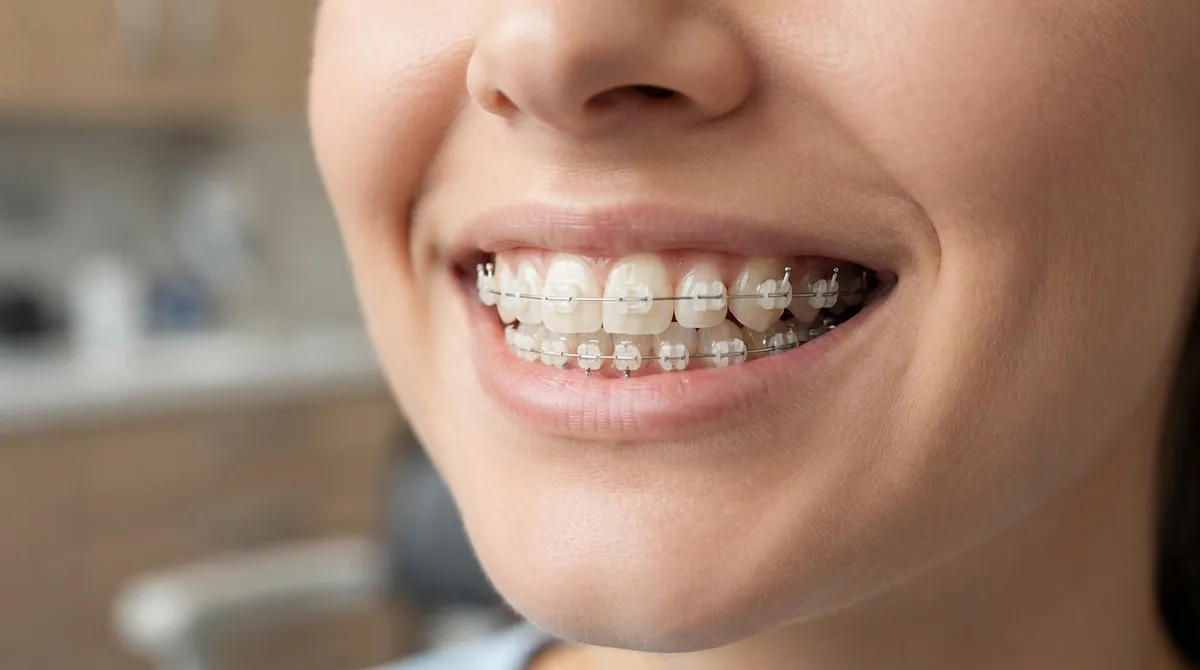
Traditional ceramic braces are fixed orthodontic appliances. Small brackets made of tooth-colored or translucent ceramic are bonded to the front of your teeth. A thin archwire runs through the brackets and gently guides your teeth into better positions over time.
Think of it like a trail guide for your teeth. The wire sets the path, and the brackets keep each tooth on track. As your teeth move, the bone around them slowly remodels to hold them in their new spots.
If you want a deeper look at how braces work in general, our All About Braces page is a great place to start.
How They Differ From Metal Braces
The mechanics are very similar. Both types use brackets, wires, and small elastic ties. The big difference is the look. Ceramic brackets match the shade of your teeth, so they are much less noticeable than metal ones.
Many people are curious about how the two compare. If you are weighing your choices, check out Metal Braces vs Ceramic: Which One Fits Your Smile? for a closer comparison.
The Biggest Benefits of Ceramic Braces
So why do so many patients pick ceramic? Here are the main reasons.
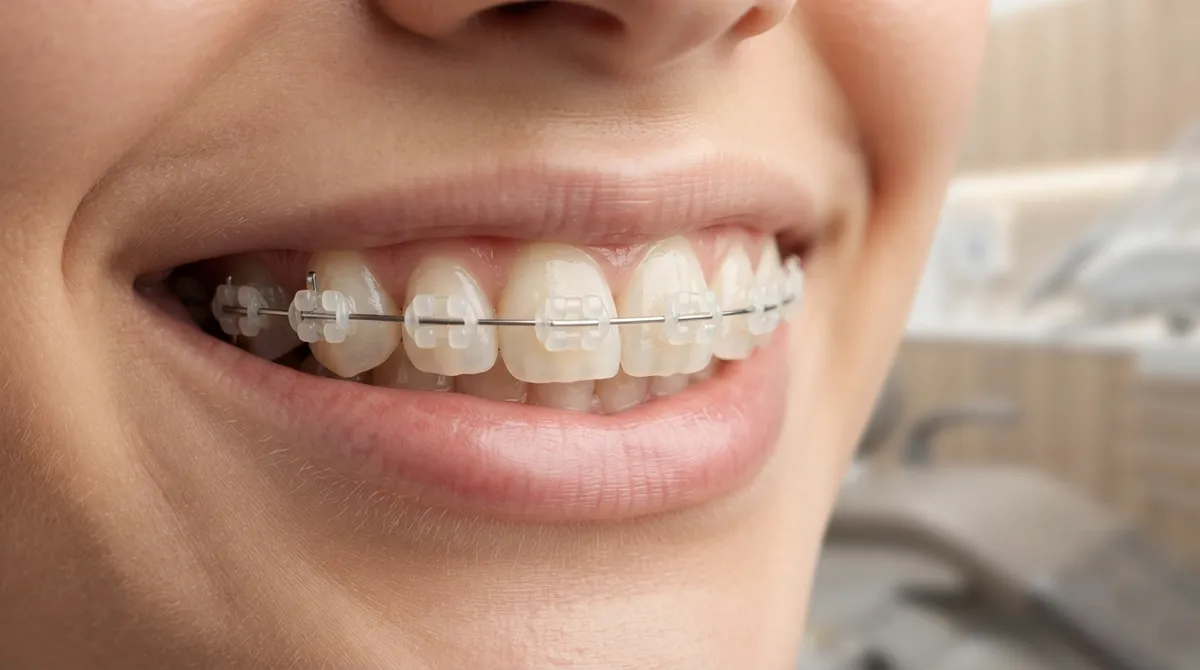
- Less visible look: The brackets blend with your natural tooth color, so they draw less attention.
- Wide treatment range: They use the same basic mechanics as metal braces, so they can help with many alignment and bite problems.
- Confidence boost: Many patients feel more at ease smiling in photos, meetings, and social events.
- Fixed and reliable: Unlike removable trays, you cannot forget to put them in. They work around the clock.
That last point is a big deal for busy parents of younger kids and teens. Fixed braces do their job without daily reminders. For more on options for younger patients, see our guide on how to choose the right braces for teens.
Who Are Ceramic Braces Best For?
Ceramic braces can be a nice fit for many people. Whether they suit you depends on your diagnosis, your bite, your oral health, and your treatment plan. An orthodontist needs to assess all of that first.
Teens and Young Adults
Teens often want braces that feel less “loud.” Ceramic brackets can help them feel more comfortable at school and in photos. Our teen orthodontic treatment page shares more about how we support this age group.
Working Professionals
If you spend your days in meetings, on video calls, or meeting clients, a more discreet look can matter. Ceramic braces let you work on your smile without feeling like your braces are the star of the show.
Adults Planning for a Big Event
Getting ready for a wedding, a graduation, or a milestone birthday? Ceramic braces are one option. Just keep in mind that treatment time depends on your case, so it helps to plan early. You can read more about adult orthodontics to see what is possible.
Adults With Relapse
Did you wear braces years ago, only to see your teeth drift? You are not alone. Many adults come back to fix relapse, and ceramic braces can be one way to do it discreetly. A full evaluation will tell you if they are the right tool.
The Trade-Offs You Should Know About
No treatment is perfect, and we believe in being honest. Here is what to weigh before you decide.
| Factor | Ceramic Braces | Metal Braces |
|---|---|---|
| Visibility | Less noticeable, tooth-colored | More noticeable, silver |
| Bracket strength | More brittle, can chip or debond | Generally sturdier |
| Staining | Elastic ties can discolor | Ties are usually colored, so staining is less of a concern |
| Cost | Often higher | Often lower |
| Friction | Can be higher in some cases | Generally lower |
Brackets Can Be More Fragile
Ceramic is more brittle than metal. That means brackets may chip or pop off more easily. A broken bracket can mean an extra repair visit and a small pause in progress. A 2026 search result referencing a 12-month clinical trial reported bracket failure rates of 15.9% for ceramic and 9.1% for metal brackets. Because the original study was not cited, treat those numbers as a general hint rather than a promise for your own case.
If a bracket does break, do not panic. Our orthodontic emergency page explains what to do, and you can also read about common emergency situations with braces.
Staining Is Often About the Ties
Here is something many people do not realize. The ceramic bracket itself usually resists staining well. The small clear or tooth-colored elastic ties are the ones that can pick up color. Coffee, tea, red wine, curry, and dark sauces are common culprits. The good news is that the ties are changed at your adjustment visits, so you get a fresh start each time.
Other Possible Concerns
Some professional guidance also mentions a few case-specific points:
- Ceramic brackets may create more friction between the bracket and wire, which can slow movement in some cases.
- If ceramic brackets touch opposing teeth, they could cause wear over time.
- Removing ceramic brackets can be a more delicate process.
How much these matter varies from person to person. Your orthodontist can explain how they apply to you.
How Long Do Ceramic Braces Take?
Every smile is different, so there is no single answer. Consumer guides report that braces treatment often runs about 12 to 36 months, while one guide suggests around 18 to 24 months for ceramic braces. These are broad estimates, not a promise for your own treatment.
What affects your timeline?
- Complexity: More crowding or a tricky bite usually means more time.
- Your treatment plan: Your orthodontist sets goals based on your needs.
- Follow-through: Keeping appointments and caring for your braces helps keep you on track.
- Repairs: Broken brackets can add small delays.
The British Orthodontic Society notes that orthodontic appointments are commonly scheduled every 4 to 10 weeks, depending on your plan. Curious what happens at those visits? Our post on braces tightening walks you through it.
What Do Ceramic Braces Cost?
Let’s talk numbers. One U.S. consumer cost guide estimates ceramic braces at roughly $4,000 to $8,000. That is not a standard national price. Your actual fee depends on where you live, how complex your case is, and what the treatment package includes.
Ceramic braces usually cost more than metal braces. The reason is the material and the extra care involved in handling it.
Questions to Ask About Your Estimate
- Are adjustment visits included?
- Are repairs covered, or do they cost extra?
- Are retainers part of the price?
- Does the fee include follow-up care after braces come off?
Ask for a written estimate so there are no surprises. If budget is on your mind, explore our orthodontic financing options and these smart ways to make orthodontic financing work for you.
How to Care for Ceramic Braces
Good habits protect both your braces and your teeth. Here is a simple routine to follow.
- Brush after meals. Take extra time around each bracket and along the gumline.
- Floss daily. A floss threader or water flosser can make this easier.
- Watch dark foods and drinks. Coffee, tea, and red sauces can stain the elastic ties.
- Skip hard or sticky foods. They can chip brackets or bend wires.
- Wear a mouthguard for sports. It protects your braces and your mouth.
- Keep every appointment. Regular visits keep your treatment moving.
Not sure what to leave off your plate? Here are 13 foods to avoid with braces. And for daily habits, our essential braces care tips are a handy reference.
Don’t Skip the Retainer
Once your braces come off, your teeth need help staying put. Retainers are generally needed after active treatment to maintain your result. Skipping them is one of the most common reasons teeth shift back. Learn more about orthodontic retainers and why they matter so much.
Ceramic Braces vs. Other Options
Ceramic braces are just one choice. Depending on your goals, you may also want to explore other paths.
Clear Aligners
Clear aligners are removable trays that straighten teeth without brackets or wires. Our practice offers Angel Aligners, which use a flexible, frosted tray design and a “7+3” wear schedule. They can be a great fit for many adults who want a very discreet option. Explore our clear aligners page, or compare braces vs. clear aligners.
LightForce Braces
If you like the idea of custom-fit braces, LightForce orthodontics uses 3D-printed brackets designed for your own teeth, in clear or white options. Because they are digitally planned, they can make treatment more efficient. They are another discreet choice worth asking about.
Fun Options for Kids
Younger patients might love something playful. WildSmiles braces come in fun shapes like stars and hearts, which can make treatment feel exciting instead of scary.
Want to see the full menu? Our types of braces page covers every option, and 7 Types of Braces: Which One Is Right for You? can help you narrow it down.
How to Decide If Ceramic Braces Are Right for You
The best way to find out is a one-on-one visit with a qualified orthodontist. Dr. Flor Segovia is a board-certified orthodontist who looks at your bite, your goals, and your lifestyle before suggesting a plan. You can learn more about her background on the Orthodontist Flor Segovia page. You can also confirm board certification through the American Board of Orthodontics.
Here is a quick checklist to bring to your visit:
- What are my main goals: looks, speed, budget, or comfort?
- Is my bite a good match for ceramic brackets?
- How often will I need to come in?
- What is included in the quoted fee?
- How will we handle a broken bracket?
Not sure what to expect at your first appointment? Read about your first orthodontic visit and how to ask the right orthodontic questions.
Take care of your whole body while you are at it, too. Busy schedules and braces can mean tense jaws and tired shoulders, so some of our patients like to unwind with a visit to Mobile Area Massage of Tampa Bay. A little self-care goes a long way during a months-long smile journey.
Why Local Care Makes a Difference
Treatment goes more smoothly when your orthodontist is close by and easy to reach. At Segovia Orthodontics in Lakewood Ranch, we offer personalized care for kids, teens, and adults in a warm, family-friendly setting. We also provide bilingual care in English and Spanish. Curious about what others say? You can visit us on Google — Segovia Orthodontics to read patient reviews, or follow along on our Instagram page and our Facebook page for smile updates.
Ready to Take the First Step?
Ceramic braces can be a lovely choice if you want real results with a more discreet look. They come with a few trade-offs, like extra care and a higher price tag. But with the right plan and good habits, many patients love how they turn out.
The best next step is a personal evaluation. Our team will look at your smile, talk through your goals, and help you decide what fits your life. When you are ready, request an appointment online, contact us with your questions, or call us at 941-557-1333. We cannot wait to help you smile with confidence!
FAQs
Q: What are traditional ceramic braces, and how do they work?
A: Traditional ceramic braces use tooth-colored or translucent brackets bonded to your teeth and joined by an archwire. The wire applies gentle, steady pressure that moves your teeth into better positions over time. They work much like metal braces, just with a more discreet look.
Q: Are ceramic braces as effective as metal braces?
A: Ceramic braces use the same basic mechanics as metal braces and can treat many of the same alignment and bite problems. Whether they are the right fit depends on your own diagnosis and treatment plan, so an orthodontist needs to evaluate your case first.
Q: Do ceramic braces stain?
A: The ceramic brackets themselves usually hold up well. The small clear or tooth-colored elastic ties are what tend to discolor, especially with coffee, tea, and dark sauces. The good news is those ties get swapped out at your adjustment visits, so you get a fresh look each time.
Q: How much do ceramic braces cost?
A: One U.S. consumer guide estimates about $4,000 to $8,000, but this is a broad range and not a fixed national price. Your cost depends on your location, how complex your case is, and what the package includes, so always ask for a written estimate.
Q: Are ceramic braces more likely to break?
A: Ceramic brackets are more brittle than metal ones, so they can chip or come loose more easily. If one breaks, a quick repair visit usually gets you back on track. Avoiding hard and sticky foods helps protect your braces.
Our Service Area