Key Takeaways
-
Your treating orthodontist is the main go-to for retainer care: they prescribe the retainer, set your wear schedule, check the fit, and handle repairs or replacements.
-
Call your orthodontist promptly if a retainer is lost, cracked, bent, or won't seat; a gap in wear can let teeth shift and make a new retainer fit poorly.
-
Never force a tight or painful retainer into place, and never try to bend or fix a bonded wire yourself, as this can damage teeth, gums, or the appliance.
-
Your general dentist supports retainer care through cleanings and checks for plaque or gum irritation, especially around a fixed bonded wire that is harder to clean.
-
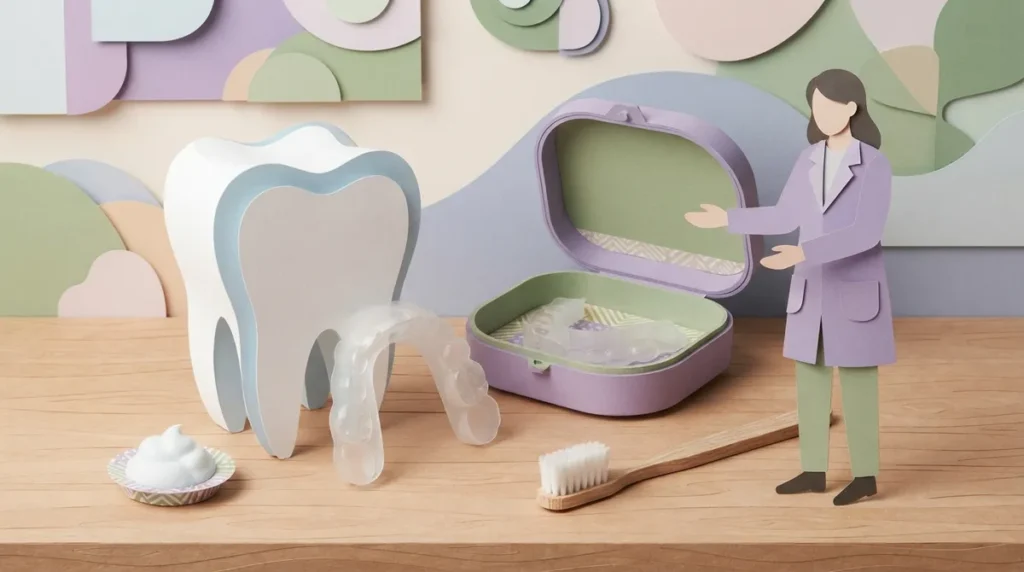
Clean removable retainers by rinsing them after each removal, brushing gently with a soft toothbrush and mild soap, avoiding hot water, and storing them in their case.
The day your braces come off feels like a victory lap. You run your tongue across smooth teeth, snap a few photos, and think, “I did it!” Then comes a new question: who helps with after braces retainer care when something goes wrong, feels tight, or simply needs a little guidance?
You’re not alone in wondering. Moms juggling busy school-year schedules, young professionals protecting a discreet smile, and adults finishing treatment for the second time all ask the same thing. The good news? Help is closer than you think, and knowing who to call can save your smile (and your wallet).
In this friendly guide, we’ll walk through exactly who supports you after braces, what each person does, and what to do when a retainer gets lost, loose, or uncomfortable. Think of it as a roadmap for keeping that hard-earned smile right where you want it.

Your Orthodontist: The Main Go-To for Retainer Care
If you remember only one thing from this article, make it this: your treating orthodontist is the main professional for retainer care after braces. They designed your treatment, so they know exactly how your teeth moved and where they might want to drift back.
According to the American Association of Orthodontists (AAO), your orthodontist prescribes your retainer and wear schedule, shows you how to use and clean it, and checks the fit. They also look for damage or tooth movement during follow-up visits.
What Your Orthodontist Does for You
- Prescribes the right retainer: Removable, fixed (bonded), or a combination, based on your bite and goals.
- Sets your wear schedule: Many patients wear retainers full-time at first, then move to nighttime wear. Your exact plan should come from your orthodontist.
- Teaches cleaning and care: You’ll learn how to keep your retainer fresh, safe, and fitting well.
- Checks the fit: If your retainer feels snug or loose, your orthodontist can tell whether teeth have shifted.
- Repairs or replaces it: Lost, cracked, bent, or misshapen? This is your first call.
At Segovia Orthodontics at Lakewood Ranch, Dr. Flor Segovia and the team guide patients through this exact stage. After all, retention is not an afterthought. It is the part of treatment that protects everything you worked for.

Who Else Helps After Braces? Your General Dentist’s Role
Your family dentist is a valuable teammate, too. While the orthodontist handles retainer prescriptions and fit, your dentist keeps the rest of your mouth healthy.
During routine checkups, a general dentist can clean around a fixed, bonded retainer and watch for plaque, tartar, or gum irritation. That matters because a wire behind your teeth can trap food and make cleaning trickier.
Here’s the simple rule of thumb: dentists support oral health, while orthodontists handle retainer problems and tooth movement. If your dentist notices a loose wire or a retainer that doesn’t seem to fit, they’ll typically point you right back to your orthodontist.
Curious how the two roles differ? Our guide on orthodontist vs. general dentist and who fixes your retainer breaks it down in more detail.
A Quick Look: Who to Call for Which Problem
When a retainer problem pops up, it’s easy to feel unsure. This table makes the decision simple.
| Situation | Who to Contact | Why |
|---|---|---|
| Lost removable retainer | Your orthodontist | They can arrange a replacement quickly |
| Cracked, bent, or misshapen retainer | Your orthodontist | Heat or force can damage fit; they assess repair needs |
| Retainer feels tight or won’t fit | Your orthodontist | Teeth may have shifted |
| Bonded wire feels loose or broken | Your orthodontist (promptly) | Do not bend or fix it yourself |
| Plaque around a fixed retainer | Dentist or hygienist | Professional cleaning supports gum health |
| Questions about wear schedule | Your orthodontist | Schedules vary from patient to patient |
Notice a pattern? When in doubt, start with your orthodontist. If you’re ever unsure, call us at 941-557-1333 and we’ll point you in the right direction.
Understanding Your Retainer Type
Knowing which retainer you have helps you know what care it needs. Retainers generally fall into two groups: removable and fixed.
Removable Retainers
These come out for eating, brushing, and cleaning. They need to be worn exactly as your orthodontist instructs. Clear plastic styles are popular with adults who love a discreet look, while wire-and-acrylic styles remain a trusted classic. If you’re comparing options, see our breakdown of clear vs. Hawley vs. fixed retainers.
Fixed (Bonded) Retainers
A thin wire is attached behind your teeth, usually the lower front ones. You can’t take it out, so cleaning takes extra care. You’ll want to brush carefully and clean between the wire and teeth daily using floss, a floss threader, or an interdental brush.
Want to dig deeper? Check out these fixed retainer facts for extra tips.
Why Retainer Care Matters So Much
Here’s the honest truth: teeth have a memory. After active treatment, they can slowly drift toward their old positions. A retainer holds them steady while the bone and gum tissue settle.
AAO guidance describes full-time wear for an initial period, followed by nighttime wear, as a common pattern. Many patients wear retainers at night long term. But the exact schedule varies, so always follow your own orthodontist’s plan.
Worried about shifting? Our article on whether teeth relapse after clear aligners explains why consistent wear is the best protection.
How to Care for Your Removable Retainer at Home
Good daily habits keep your retainer fresh and fitting. Here’s a simple routine you can follow.
- Rinse it every time you take it out. A quick rinse in cool water stops saliva from drying and hardening on the surface.
- Brush it gently once a day. Use a soft toothbrush and mild soap or the cleaner your orthodontist recommends.
- Skip the hot water. Heat can warp the plastic and ruin the fit. Cool or lukewarm water is the safe choice.
- Store it in its case. When it’s not in your mouth, it belongs in the case, never wrapped in a napkin.
- Keep it away from pets. Dogs love retainers. Seriously, it’s one of the most common ways they get destroyed!
Avoid improvised chemicals or harsh cleaners. Follow the instructions for your specific retainer material, and ask your orthodontist if you’re unsure. For more everyday tips, see our guide to mastering retainer care.
How to Clean Around a Fixed Retainer
A bonded wire is a plaque magnet if you skip the details. Try this easy routine:
- Brush all surfaces, including behind your lower front teeth.
- Thread floss under the wire with a floss threader or use a superfloss strand.
- Slide the floss up and down along each tooth, curving it around the gumline.
- Use an interdental brush for tight spots.
- Keep up with regular dental cleanings so your hygienist can reach what you can’t.
It takes a few extra minutes, but your gums will thank you.
What to Do If Your Retainer Feels Tight or Doesn’t Fit
A snug retainer can be a sign that teeth have moved slightly. It’s more common than you’d think, especially if you skipped a few nights of wear.
AAO guidance recommends contacting your orthodontist if discomfort continues or the retainer won’t seat properly. Here’s the key advice: never force a retainer that is painful or won’t fit. Pushing it into place can damage the appliance or irritate your teeth and gums.
Call your orthodontist, describe what’s happening, and let them check it out. Often, a quick visit solves the problem.
Lost or Broken Retainer? Act Fast
Losing a retainer happens to the best of us. Maybe it ended up in a lunch tray, or maybe your dog got curious. Either way, don’t wait.
A gap in wear can allow teeth to shift, and the longer you wait, the more likely your new retainer won’t fit right. Contact your orthodontist promptly to arrange advice, repair, or replacement.
And if it’s a bonded wire that has come loose or broken, please don’t try to bend or fix it yourself. Home repairs can poke your tongue, damage teeth, or make things worse. If you’re unsure whether it counts as urgent, our guide on what to do during an orthodontic emergency can help. Need a replacement? Learn more about lost retainer replacement and what to expect.
Retainer Care for Different Life Stages
Every patient’s situation looks a little different. Here’s how retainer support fits into real life.
For Parents of Kids and Teens
Kids and teens are experts at misplacing things. Create a simple routine: case on the nightstand, retainer in after brushing. Many parents also keep our number handy for quick replacements. If your teen is finishing treatment soon, our teen braces facts for parents offer helpful context.
For Busy Professionals and Young Adults
Travel, long workdays, and social plans can disrupt your routine. Keep a spare case in your bag and set a phone reminder for nighttime wear. Consistency beats perfection every time.
For Adults Who Had Braces Before
If you wore braces years ago and your teeth have shifted, you’re in good company. Many adults return to correct relapse. A fresh evaluation can show whether a retainer, aligners, or another approach fits best. You may also like our piece on retention mistakes that shift teeth.
Do You Have to Wear a Retainer Forever?
This is one of the most common questions we hear. Many orthodontists recommend long-term or even indefinite nighttime wear because teeth can continue to shift as we age. The good news is that it’s usually just a few hours while you sleep.
One NHS hospital orthodontic service describes nightly wear for the first year, alternate nights in the second year, and continued wear after that. That’s just one local example, not a universal rule. Your own schedule should come from your orthodontist, who knows your teeth best.
How Long Do Retainers Last?
Retainers don’t last forever, even with great care. Plastic styles can wear down, crack, or lose their grip. If yours looks cloudy, feels loose, or has visible cracks, it’s time for a check. Our 2026 guide on replacing retainers explains the signs to watch for. Curious about cost? Take a look at these retainer cost facts for Lakewood Ranch.
Finding Trusted Retainer Support Near You
When you choose an orthodontist, ask about retainer support up front. Do they include follow-up visits? How do they handle lost retainers? Can you reach them quickly with questions? You can also confirm credentials through the American Board of Orthodontics.
Dr. Flor Segovia is a board-certified orthodontist who offers bilingual care in English and Spanish, with options for kids, teens, and adults. You can see what patients say by visiting us on Google: Visit us on Google — Segovia Orthodontics. You can also follow along with smile stories on our Facebook page and our Instagram page.
Healthy habits at home matter too. Even small things, like keeping your outdoor and home spaces tidy, can make life easier, and trusted local pros like All Trusted Lawn Care can handle the yard work so you have more time for the things that matter, like caring for your smile.
Conclusion: Your Retainer Support Team Is Ready
So, who helps with after braces retainer care? Your orthodontist leads the way, prescribing your retainer, setting your wear schedule, checking the fit, and handling repairs or replacements. Your general dentist supports you with cleanings and oral health checks. And you, with a few simple daily habits, keep it all working.
Remember the basics: wear it as directed, clean it gently, store it safely, and call promptly if anything feels off. Never force a tight retainer, and never fix a bonded wire yourself.
Ready to protect your smile? Request an appointment with our friendly team, or reach out through our contact page. We’d love to help you keep that beautiful smile for years to come.
FAQs
Q: Who should I contact for retainer care after braces?
A: Start with your treating orthodontist. They prescribe your retainer, set your wear schedule, check the fit, and handle repairs or replacements. Your general dentist can help with cleanings and oral health around a fixed retainer.
Q: Do I need to see my orthodontist or dentist for a broken retainer?
A: Call your orthodontist first. A broken, bent, or loose retainer can affect tooth position, so it’s best to get prompt advice. Please don’t try to bend or repair a bonded wire yourself.
Q: How do I clean a removable retainer safely?
A: Rinse it each time you remove it and gently brush it daily with a soft toothbrush and mild soap or your orthodontist’s recommended cleaner. Skip hot water, since heat can warp the plastic, and keep it in its case when it’s not in your mouth.
Q: What should I do if my retainer feels tight or no longer fits?
A: A tight retainer can mean your teeth have moved a little. Don’t force it into place if it’s painful or won’t seat. Contact your orthodontist so they can check your teeth and adjust or replace the retainer.
Q: How quickly should I replace a lost retainer after braces?
A: As soon as possible. A gap in wear can allow teeth to shift, which may make a new retainer fit poorly. Call your orthodontist right away to arrange advice, repair, or replacement.
Our Service Area