Key Takeaways
-
Schedule a first orthodontic check-up by age 7 as recommended by the American Association of Orthodontists; this is an evaluation, and treatment may not start right away.
-
Build comfort and trust by using tell-show-do explanations, honest answers about soreness, and praise for small wins, since understanding each step helps kids feel in control.
-
Let kids make fun choices such as elastic colors, music during visits, or playful bracket styles, while the orthodontist keeps the clinical decisions.
-
Prepare your child early with positive language, pictures of kids with braces, and invited questions; putting braces on usually doesn't hurt, though teeth may feel tender for a few days.
-
Keep motivation high with brushing playlists, sticker charts, progress photos, milestone treats, and a mouthguard during sports, while avoiding sticky and hard foods like caramel, popcorn, and ice.
-
Color and fun shapes boost enthusiasm, but a 2026 study found they did not predict wear adherence, so consistent habits and clear guidance remain essential.
Picture this: your child walks into the orthodontist’s office and, instead of clinging to your hand, they’re excited to pick out their colors. Sound too good to be true? It’s not. Parents ask us all the time how to create the best kids braces experience that feels fun, and the good news is that it’s very doable.
Here’s the secret. A fun experience isn’t about gimmicks. It’s about comfort, trust, and a little bit of play. When kids feel safe and heard, braces stop being scary and start feeling like a big-kid milestone.
In this guide, we’ll walk through what really makes braces enjoyable for kids, how to prepare your child, what to expect at each stage, and how to keep spirits high between visits. Whether your child is 7 or 16, you’ll find simple, friendly tips you can use right away.
Start With the Right Timing, Not the Fastest Timing
A great experience begins before braces ever go on. The American Association of Orthodontists recommends a first orthodontic check-up by age 7. That is an evaluation, not a promise that treatment starts then.
Many kids are simply watched as they grow. Others begin early care for specific bite or space problems. Starting at the right time means fewer surprises and a calmer child. You can learn more about this on our early orthodontic treatment page.
What Happens at the First Visit
The first visit is mostly about getting to know your child. The orthodontist looks at teeth, bite, jaw growth, and oral health. Kids can ask questions and see the tools up close. If you’d like a preview, check out our guide to the first orthodontic visit.
This low-pressure start sets the tone. When kids feel curious instead of nervous, everything that follows gets easier.
Why Comfort and Trust Matter More Than Entertainment
It’s tempting to think a fun braces experience means video games and prizes. Those can be nice extras. But comfort and trust are what truly matter.
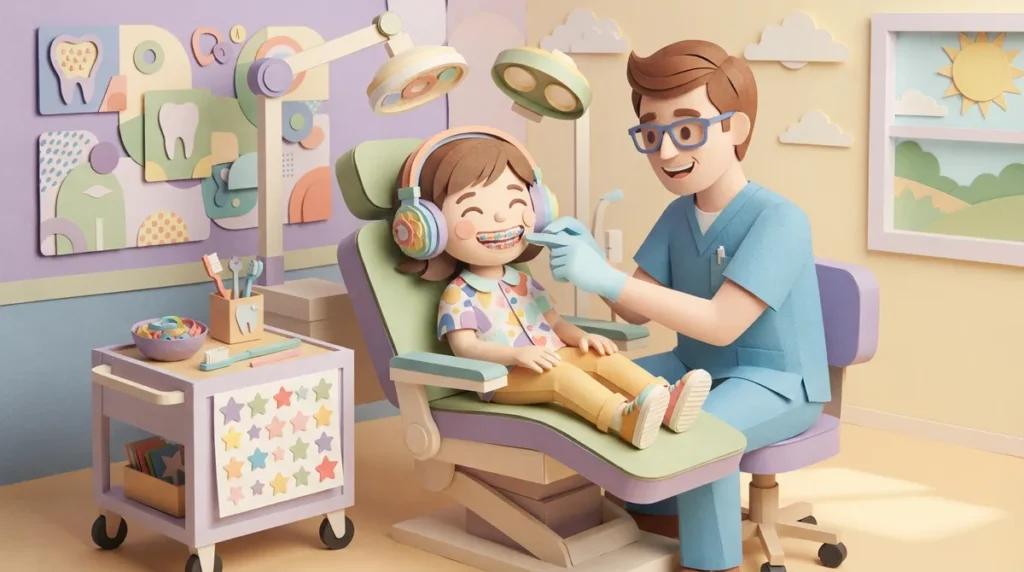
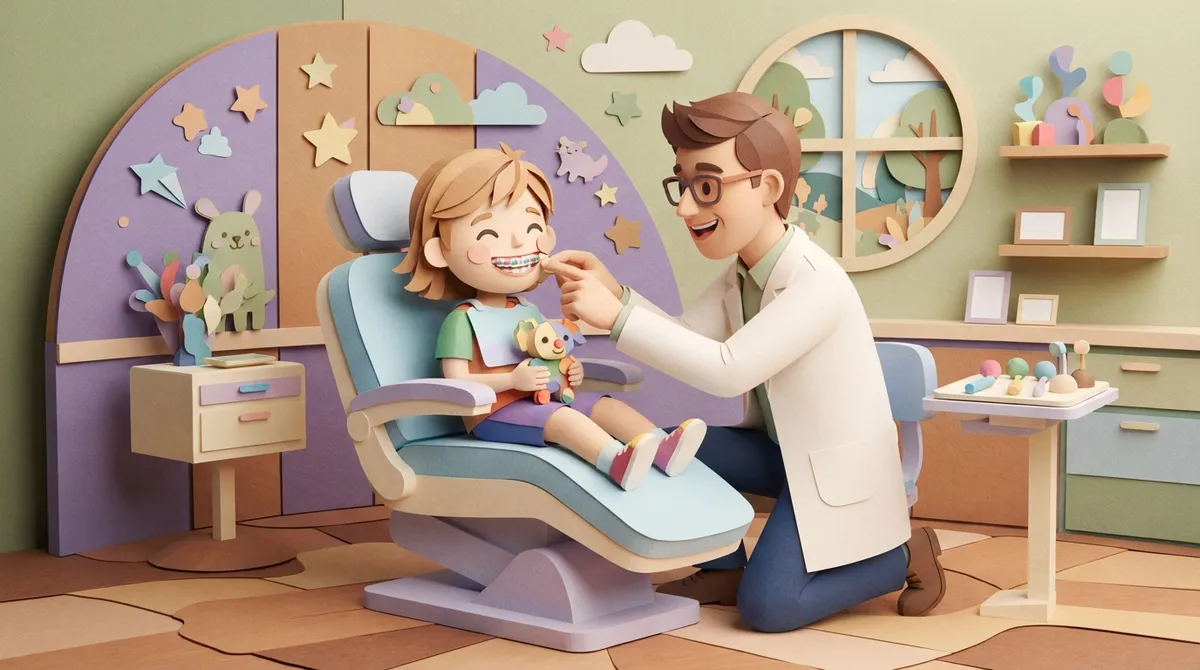
The American Academy of Pediatric Dentistry supports adapting communication to each child. That means explaining what will happen, showing instead of surprising, and using kind, positive words. A child who understands each step feels in control.
Simple Ways a Kid-Friendly Team Builds Trust
- Tell, show, do: The team explains a step, shows the tool, then gently does it.
- Positive praise: Cheering on small wins, like sitting still or opening wide.
- Honest answers: No fibbing about pinching or soreness. Kids can tell.
- Distraction options: Music or a favorite show can make time fly.
- Going at their pace: Some kids need a little extra time, and that’s okay.
At Segovia Orthodontics, we focus on a warm, supportive space where kids feel welcome and parents feel informed.
Letting Kids Make Fun Choices
Kids love having a say. Giving them age-appropriate choices helps braces feel like their thing, not something happening to them.
For example, kids can often choose elastic colors, a favorite song, or even which side to start on. The orthodontist still makes the clinical decisions, but the child gets to own the fun parts.
WildSmiles Braces: Where Fun Meets Function
If your child loves a little personality, WildSmiles braces are a playful option. These brackets come in fun shapes designed to make treatment exciting.
- Super-Star
- Flower-Power
- Baller
- Wild-Hearts
- Footballer
- Super-Diamond
There are even Disney-inspired options, including Mickey Mouse brackets and themed elastics inspired by movies like Frozen and Finding Nemo. When kids love how their braces look, they tend to feel more excited about taking care of them.
WildSmiles brackets also have a design that helps with brushing. When your child brushes, they can check whether the bracket shape is clearly visible. If it is, they’ve done a good job. That simple visual cue turns brushing into a mini game.
A Quick Reality Check on Colors
Here’s an honest note. A 2026 study of 316 children aged 8 to 16 using removable appliances found that 53.2% said color made them more eager to wear the appliance, and 60.7% felt motivated to wear it. But the study also found that color engagement was not linked to actual adherence, and 27.3% of respondents with data reported missing a full day of wear.
The takeaway? Color and fun shapes make braces more appealing, but they are not a magic fix. Good habits and clear guidance still do the heavy lifting.
Comparing Braces Options for Kids
Every child is different. The best fit depends on their teeth, bite, age, and personality. Here’s a simple comparison to help you talk with your orthodontist.
| Option | Fun Factor | Best For | Good to Know |
|---|---|---|---|
| WildSmiles Braces | High: playful shapes and colors | Younger kids and tweens who love personality | Shapes can encourage better brushing habits |
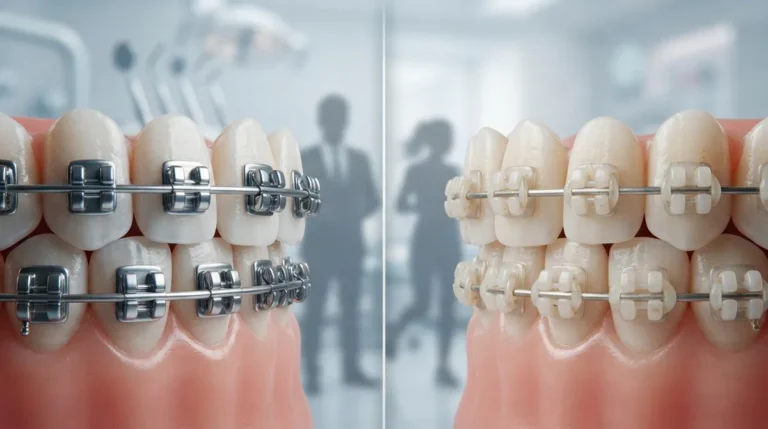
| LightForce Braces | Medium: clear or white brackets | Kids and teens wanting a subtle look | Custom 3D-printed brackets, often faster treatment |
| Angel Aligners | Medium: removable and discreet | Responsible teens who can follow wear schedules | Clear trays; must be worn as directed |
Want to explore more? Our page on types of braces breaks down each style, and our LightForce orthodontics page explains the digital process in detail.
How to Help Your Child Feel Ready
Preparation turns nerves into excitement. A few easy steps at home can make a big difference before the big day.
- Talk about it early. Use simple, positive words like “helping your teeth grow strong and straight.”
- Read or watch together. Look at pictures of kids with braces so they know what to expect.
- Invite questions. No question is silly. Write them down and bring them along.
- Share a story. If you or a family member had braces, tell the fun parts and the funny parts.
- Plan a small celebration. A favorite soft meal afterward gives them something to look forward to.
For more on what to expect that day, see our posts on what happens at the braces start appointment and braces for children: a parent’s guide.
Does Getting Braces Hurt?
This is the number one worry. The honest answer: putting braces on usually doesn’t hurt. Kids may feel pressure, and teeth can feel tender for a few days afterward. Soft foods, cool treats, and gentle brushing help. Our guide on how painful braces really are shares more comfort tips.
Making Daily Life With Braces Easier
The real fun (and the real work) happens between visits. A positive experience includes clear support at home, so your child never feels lost.
Brushing and Flossing Around Braces
Plaque loves to hide around brackets, so cleaning matters. Kids and parents should follow the orthodontist’s cleaning instructions and keep up with regular dental checkups.
- Brush after meals and before bed, angling the brush to clean around each bracket.
- Use floss threaders or special floss to clean between teeth.
- Try a fun two-minute playlist so brushing feels like a dance party.
- Make a sticker chart for consistent daily care.
Need a refresher? Our guides on brushing teeth with braces and flossing with braces make it simple.
Foods to Skip (and Yummy Swaps)
Sticky, hard, and chewy foods can damage braces. Think caramel, hard candy, popcorn, and ice. Instead, try yogurt, soft fruits, pasta, and smoothies. Here’s our full list of foods to avoid with braces.
What to Do When Something Pokes or Breaks
Even the best braces experience has a little hiccup now and then. A wire may poke, or a bracket might come loose. Don’t panic. Most issues are easy to handle with quick guidance.
Orthodontic wax can cover a poking wire for relief. If a bracket loosens or something feels off, call the office so the team can help. Our pages on orthodontic emergencies and common braces emergencies walk you through what to do.
Knowing whom to call and what to do keeps stress low for both you and your child.
Keeping Your Child Motivated Month After Month
Braces can last a while, and motivation can dip. That’s normal. A few simple habits keep kids engaged without making it feel like a chore.
Fun Ways to Keep the Spirit High
- Celebrate milestones: Mark each adjustment visit with a small treat that’s braces-friendly.
- Take progress photos: Kids love seeing their smile change over time.
- Let them pick new colors: Each visit is a chance to refresh the look.
- Praise effort: Notice good brushing, not just good results.
- Protect the smile during sports: A mouthguard keeps active kids safe and confident.
Regular adjustment visits matter too. Showing up on schedule helps treatment stay on track. Read more in how often braces need adjustment.
Teens Want Fun Too (Just Different Fun)
Older kids care more about looks and independence. For teens, a fun experience often means discreet options, flexible scheduling, and being treated like the star of their own smile story.
Clear or white brackets from LightForce, or removable Angel Aligners for responsible teens, can feel more their style. Angel Aligners use a frosted finish that reduces shine and flexible materials that can be gentler on gums and cheeks. Explore our teen orthodontic treatment options, or read how to choose the right braces for teens.
Why Choosing the Right Orthodontist Changes Everything
The team you pick shapes your child’s whole experience. Look for an orthodontist who listens, explains things kindly, and offers a family-friendly office. Board certification is a good sign of advanced training. You can verify credentials through the American Board of Orthodontics.
Dr. Flor Segovia is a board-certified orthodontist who offers bilingual care in English and Spanish and uses advanced orthodontic technology. You can meet her on the Orthodontist Flor Segovia page.
Curious about how real families feel? Visit our Segovia Orthodontics location on Google to see what others in Lakewood Ranch are saying. You can also follow along with smiles and fun moments on our Instagram page and our Facebook page.
What About Cost and Convenience?
Busy parents need practical answers too. Flexible scheduling and clear pricing can make the whole journey smoother. Many families appreciate payment options that spread costs over time. Learn more about orthodontic financing and how payment plans work.
Final Thoughts: Fun Is a Feeling, Not a Feature
The best kids braces experience that feels fun comes down to three things: a warm team, a child who feels heard, and clear support at home. Playful brackets and favorite colors add sparkle, but trust and good habits create the real magic.
Take it one step at a time, celebrate the small wins, and remember that your child’s confidence is growing right along with their smile. You’ve got this, and so do they.
Ready to see how fun a kids braces journey can be? Request an appointment today, or call us at 941-557-1333 to chat with our friendly team about the best options for your child.
FAQs
Q: At what age should a child see an orthodontist for the first time?
A: The American Association of Orthodontists recommends a first check-up by age 7. It’s just an evaluation, so don’t worry. Many kids simply get monitored and start treatment later.
Q: How can I help my child feel less nervous about getting braces?
A: Talk about it early with positive words, look at pictures together, and invite lots of questions. A team that explains each step and shows the tools first also helps kids feel calm and in control.
Q: What can kids choose about their braces?
A: Kids can often pick fun elastic colors and, with options like WildSmiles, playful bracket shapes. They may also choose their music or distraction during visits. The orthodontist still makes the treatment decisions.
Q: What should I do if my child’s wire or bracket is bothering them?
A: Try covering a poking wire with orthodontic wax for quick relief. If a bracket is loose or the discomfort doesn’t ease, call our office so the team can guide you on the next step.
Our Service Area