Key Takeaways
-
A complex bite often involves both tooth position and jaw position, so a full in-person exam with scans, photos, and X-rays is essential before choosing any custom digital braces option.
-
"Custom digital braces" can mean digitally planned fixed braces, 3D-printed custom brackets, or clear aligners; these are different treatments, not one product.
-
Fixed braces work around the clock and offer broad control for many complex bites, while clear aligners can suit selected cases but depend heavily on consistent wear, about 22 hours per day.
-
Digital planning improves accuracy but is not a shortcut; treatment time depends on bite complexity, how your teeth respond, and how closely you follow the plan.
-
Elastics, expanders, temporary anchorage devices, or in rare cases jaw surgery may be needed as add-ons, so ask early whether your case requires them.
-
Retainers after treatment are essential, since skipping them is one of the biggest reasons teeth drift back, especially after complex corrections.
If you have a complex bite, you have probably wondered what the best custom digital braces for complex bites actually are. Maybe your child has a deep overbite and a crossbite at the same time. Maybe you had braces as a teen, your teeth shifted, and now your bite feels even trickier than before. You are not alone, and there is good news: modern orthodontics gives us more tools than ever.
Here is the honest truth, though. “Custom digital braces” is not one single product. It can mean fixed braces planned with digital scans, braces made just for your teeth, or even clear aligners. The right pick depends on a full diagnosis of your bite, not on a shiny label.
In this guide, we will break down what each option really means, which ones tend to work for tougher cases, and what to ask at your visit. Think of it as a friendly chat before your consultation, so you can walk in feeling confident and ready.
What Does “Custom Digital Braces” Really Mean?
The phrase sounds fancy, and it gets used in a few different ways. That can make shopping around confusing. Let’s clear it up.
Here are the most common meanings:
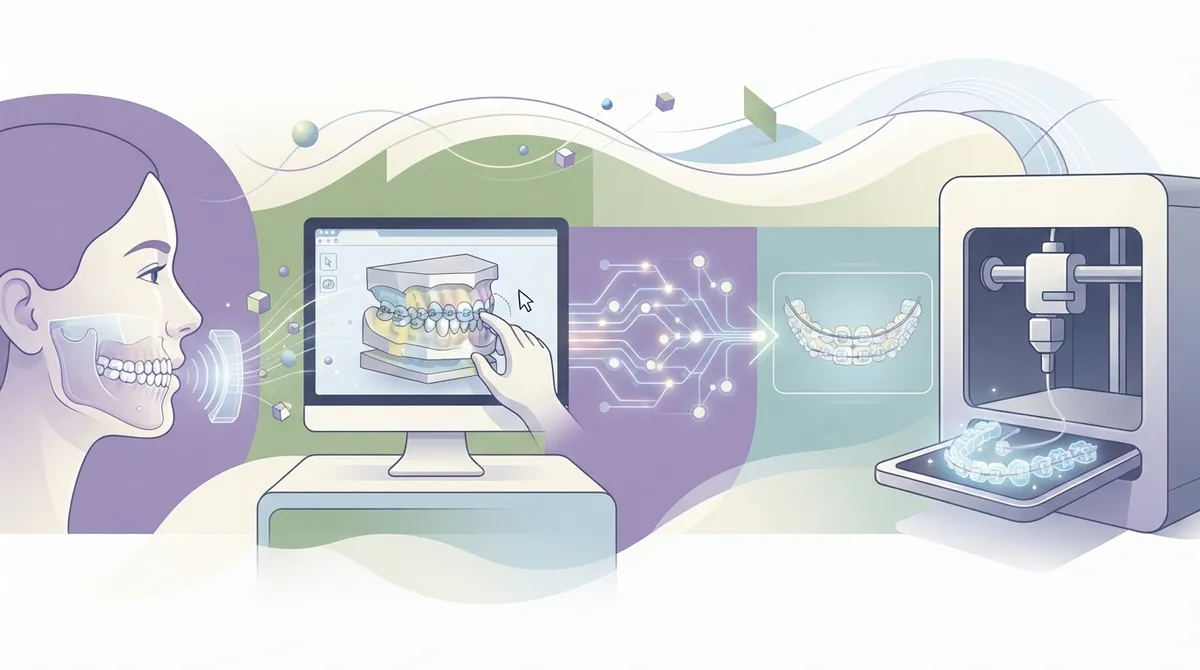
- Digitally planned fixed braces: Your teeth are scanned, and software helps map where each bracket should sit.
- Custom-made brackets or wires: The parts are built to fit your specific teeth, often with 3D printing.
- Clear aligners: Removable trays made from digital scans, worn in a set series.
These are different treatments. Digital planning is a helpful tool, but it does not decide on its own which option is best for a complex bite. Your orthodontist makes that call after studying your teeth, roots, and jaws.
Want a deeper look at how scans turn into braces? Our guide on custom braces from digital scans walks through the process step by step.
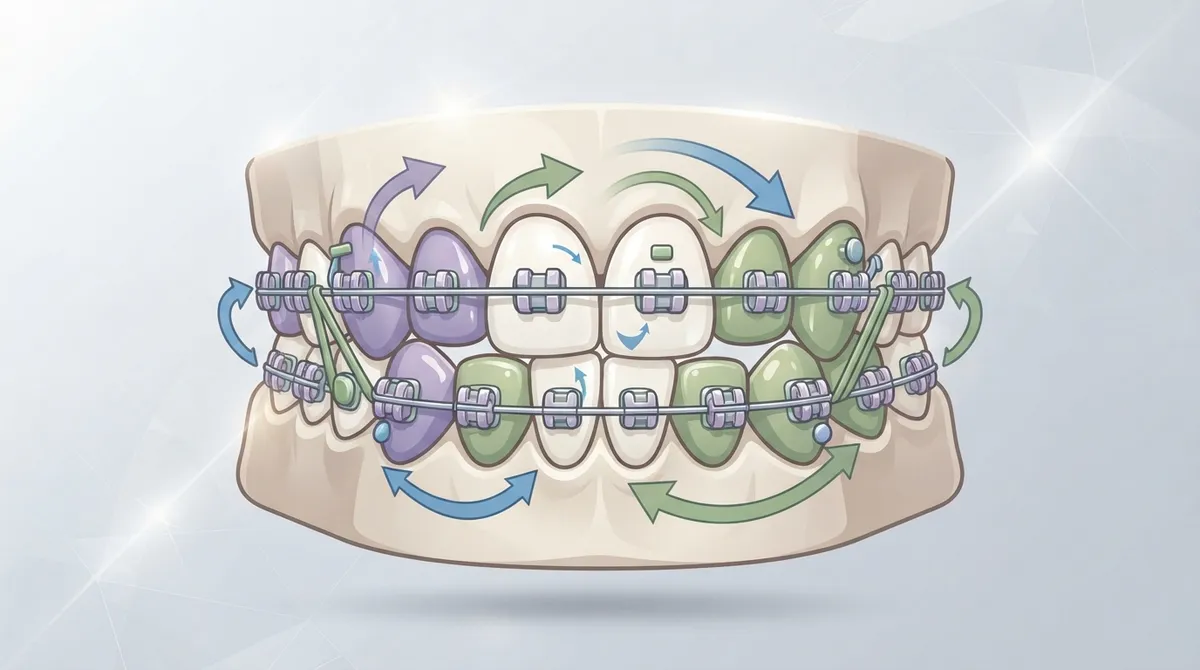
What Makes a Bite “Complex”?
A complex bite means your teeth and jaws need more than a simple straightening job. Often, more than one issue shows up at the same time. Some problems sit in the teeth. Others sit in the jaw bones.
Common examples include:
- Deep or severe overbites
- Underbites, where the lower teeth sit in front
- Crossbites, where upper and lower teeth do not line up sideways
- Open bites, where the front teeth do not touch
- Heavy crowding mixed with a jaw mismatch
Why does this matter? A bite problem that comes from tooth position is often easier to fix. One that comes from jaw size or growth may need extra tools. That is why a careful exam comes first.
If you are curious about specific problems, we explain them in how crossbite treatment is done and in our post on whether braces for overbite can fix your bite.
The Best Options for Complex Bites, Compared
So which option wins? There is no single champion. Each one has strengths. Here is a simple side-by-side look.
| Option | How It Works | Often Helpful For | Things to Keep in Mind |
|---|---|---|---|
| Digitally planned metal braces | Brackets and wires apply steady, continuous force | Broad control for many complex bites | Visible; need careful cleaning around brackets |
| Ceramic braces | Tooth-colored brackets with wires | Complex cases when looks matter | Can stain if care slips |
| Custom 3D-printed braces | Brackets designed for each tooth | Cases needing precise fit and planning | Benefits depend on case and product |
| Lingual braces | Fixed braces behind the teeth | Adults wanting a hidden option | Not right for every bite |
| Clear aligners | Removable custom trays | Selected cases when prescribed and monitored | May be less predictable for severe movements |
Notice something? Fixed braces appear in most rows. That is because brackets and wires give continuous force and can guide a wide range of tooth movements. For many complex bites, that broad control is a big plus.
How Fixed Braces Handle Tough Bites
Fixed braces stay on your teeth the whole time. That means they work around the clock. You cannot forget to wear them, and you cannot take them out to eat.
For a complex bite, that steady force helps with moving teeth in several directions at once. Orthodontists can also add small helpers, like elastics (tiny rubber bands), to guide the upper and lower jaws into a better match.
Fixed braces come in a few styles. Metal and ceramic are the most common. If you are weighing the two, our comparison of metal vs ceramic braces can help you decide.
Digital Planning Makes Fixed Braces Smarter
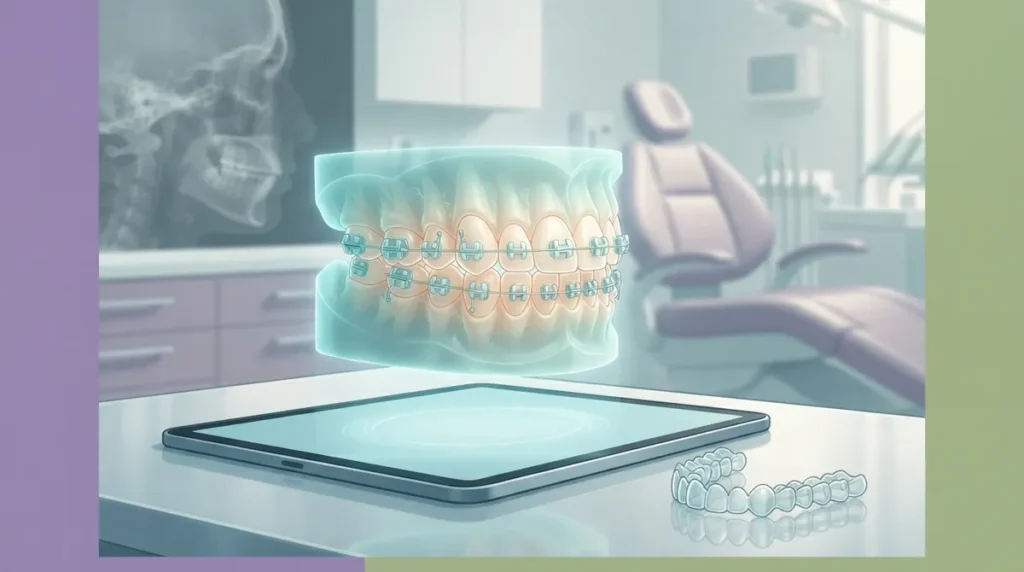
This is where the “digital” part shines. A 3D scan replaces goopy impressions, and software lets your orthodontist plan tooth movement ahead of time. It is like having a map before a long road trip.
At Segovia Orthodontics, Dr. Flor Segovia is a board-certified orthodontist who uses advanced technology in treatment planning. One option she offers is LightForce braces, a fully digital system with 3D-printed brackets made to fit each tooth. LightForce is designed to improve fit and comfort, and the company reports it can shorten treatment in some cases. Still, results vary from person to person, so ask what to expect for your own bite.
If you want to know whether this system can handle harder cases, read can LightForce braces treat complex cases.
Can Clear Aligners Fix a Complex Bite?
Sometimes, yes. Clear aligners are made from scans and can address some overbites, underbites, open bites, and crossbites. Many busy professionals and young adults love them because they are discreet and removable.
But there is a catch. Aligners depend heavily on two things: the type of movement needed and how well you wear them. The American Association of Orthodontists notes aligners are typically worn at least 22 hours per day, with trays often changed about every one to two weeks. Skip the wear time, and progress slows.
For some severe or highly complex movements, aligners may be less predictable than fixed braces. That does not mean they are a bad choice. It means your orthodontist must decide if your case fits.
At our office, we offer Angel Aligners. They use a “7+3” wear schedule, with seven days in a flexible tray followed by three days in a firmer one. Whether they suit your bite depends on your exam. Not sure if aligners will work for you? Check out how to know if clear aligners will really work for you, and compare options in clear aligners vs. braces.
Why a Real Diagnosis Comes First
Here is the part many people skip, and it matters most. A good recommendation needs a true orthodontic diagnosis. A scan alone is not enough. A remote simulation is not enough either.
A full assessment may include:
- An in-person exam of your teeth, gums, and jaw joints
- Digital scans or impressions of your teeth
- Photographs of your face and smile
- X-rays to see roots, bone, and jaw position
- A discussion of your goals, lifestyle, and budget
Why so much detail? Because your orthodontist needs to know if the problem is in the teeth, the jaws, or both. That answer shapes the whole plan.
Curious about what happens at that first visit? Read what really happens at your orthodontist consultation.
Extra Tools Some Complex Bites Need
Many complex bites are treated with braces or aligners plus a helper. That is normal, and it does not mean something went wrong. Think of it as adding the right tool for the job.
Common add-ons include:
- Elastics: Small rubber bands that help shift the bite forward or back.
- Expanders: Devices that widen a narrow upper jaw, often used for crossbites.
- Attachments: Tiny tooth-colored bumps that help aligners grip and move teeth.
- Temporary anchorage devices: Small anchors that give braces extra pulling power.
- Jaw surgery: In selected cases where the jaw itself is the main issue.
Whether you need any of these depends on your diagnosis. For kids, timing also matters. Some young patients benefit from early guidance, which we cover in two-phase vs. one-phase braces. You can also learn about spacers and expanders.
Does Digital Mean Faster? A Reality Check
This is a big question, and we want to be honest with you. Digital planning is a way to plan and make braces. It is not a magic shortcut.
Some brands promise shorter treatment or fewer visits. In real life, results vary by case and product. Reliable, independent evidence that custom digital braces always shorten treatment is limited. So treat time-saving claims as possible benefits, not guarantees.
What really drives your timeline?
- How complex your bite is
- How your teeth and bone respond to movement
- How closely you follow your orthodontist’s plan
- How well you care for your braces or wear your aligners
If speed matters to you, we explore the topic in how to get a straighter smile faster in 2026.
Which Option Fits Which Person?
Every reader comes to this topic with different needs. Here are a few common situations and what tends to matter most.
Parents of Kids and Teens
If you are a busy mom juggling school, sports, and appointments, you want care that is thorough and convenient. For kids with complex bites, fixed braces often give dependable control, since they cannot be lost or left in a backpack. Early checkups also help catch problems while the jaw is still growing. See when your child should get braces for timing tips.
Busy Adults and Professionals
If you work long hours and want discretion, clear options, ceramic braces, or lingual braces may be worth discussing. Be honest about how much wear time you can manage. Our post on which braces work best for busy professionals can help.
Adults Facing Relapse
If you had braces before and your teeth shifted, you are far from alone. Often, a new plan, plus a solid retainer routine afterward, gets you back on track. Learn more in will my teeth relapse after clear aligners.
People Prepping for a Big Event
Got a wedding or graduation coming up? Complex bites take time, so start early. Your orthodontist can map a realistic timeline and tell you what progress to expect by your date.
Smart Questions to Ask Your Orthodontist
Walking into a consultation with good questions makes a big difference. Here are some to bring along:
- Is my bite problem in my teeth, my jaws, or both?
- Which treatment do you recommend for my case, and why?
- Will I need elastics, an expander, or other add-ons?
- How long might treatment take, and what could change that?
- What will it cost, and what financing is available?
- What retainer plan will keep my results stable?
For a longer list, see what questions to ask your orthodontist before treatment.
Daily Care and Retainers: Protecting Your Results
Treatment success is a team effort. Your orthodontist plans and monitors. You do the day-to-day work.
With braces, that means careful brushing and flossing around brackets and avoiding hard or sticky foods. With aligners, it means steady wear and daily cleaning. After treatment ends, retainers are generally needed to help hold your new bite in place.
Skipping retainers is one of the biggest reasons teeth drift. Our aligner care guide and our post on retainer care mistakes make good reading.
Finding the Right Orthodontist for a Complex Bite
Experience counts when your case is tricky. Look for a provider who takes time to explain, uses modern digital tools, and offers more than one treatment type. That way, the plan fits you instead of the other way around.
You can also check that your orthodontist is trained and certified. The American Board of Orthodontics is a helpful place to learn what board certification means. And if you like seeing a practice in action, follow our Instagram page or our Facebook page for a peek at the office and patient smiles. You can also read what neighbors say when you visit us on Google — Segovia Orthodontics.
Local families may also find our tips for picking the best orthodontist in Lakewood Ranch useful.
Ready to Find Your Best Fit?
The best custom digital braces for complex bites are the ones chosen after a careful look at your unique smile. Fixed braces often shine for tougher cases, aligners can work for selected ones, and digital planning helps either path run more smoothly. The key is a real diagnosis and a plan built around you.
If you are in Lakewood Ranch or nearby and want answers, we would love to meet you. Dr. Segovia and our team offer bilingual care in English and Spanish and flexible financing for families. Take the first step today: request an appointment, or call us at 941-557-1333. Your best smile is closer than you think.
FAQs
Q: What are custom digital braces, and how are they different from clear aligners?
A: Custom digital braces usually mean fixed braces planned with 3D scans, or braces with parts made to fit your teeth. Clear aligners are removable trays that you wear for most of the day. Both use digital tools, but they work in different ways, so your orthodontist helps you pick the right one.
Q: Can clear aligners correct a complex bite, or are fixed braces more predictable?
A: Aligners can handle some overbites, underbites, open bites, and crossbites when they are prescribed and monitored by an orthodontist. For some severe or complex movements, fixed braces are often considered more predictable. Your exam and X-rays show which path fits your bite.
Q: Can digital braces reduce treatment time or the number of appointments?
A: They might in some cases, but it is not a promise. Digital planning helps with accuracy, yet your timeline still depends on your bite, how your teeth respond, and how well you follow the plan. Ask your orthodontist for a realistic estimate for your own case.
Q: Do complex bites need elastics, expanders, or jaw surgery?
A: Sometimes they need a little extra help. Elastics, expanders, and small anchors are common add-ons, and jaw surgery is used only in selected cases where the jaw is the main issue. Whether you need any of these depends on a full orthodontic diagnosis.
Q: What does an orthodontist check before recommending treatment for a complex bite?
A: Your orthodontist looks at your teeth, gums, jaw, and bite in person. They also use digital scans, photos, and X-rays to see your roots and jaw position. This full picture shows whether the problem is in the teeth, the jaws, or both.
Our Service Area